UNICEF Delivers Relief to the Philippines
Back-to-back typhoons have magnified humanitarian needs in the Philippines in recent days. UNICEF is there.
Super Typhoon Uwan: the Philippines' 21st typhoon this year
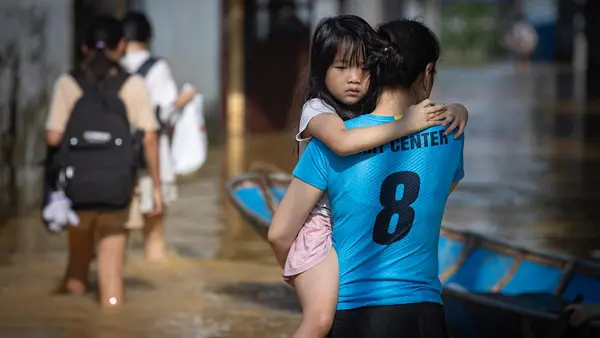
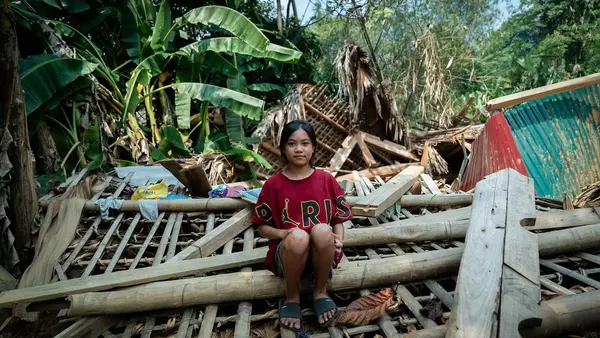
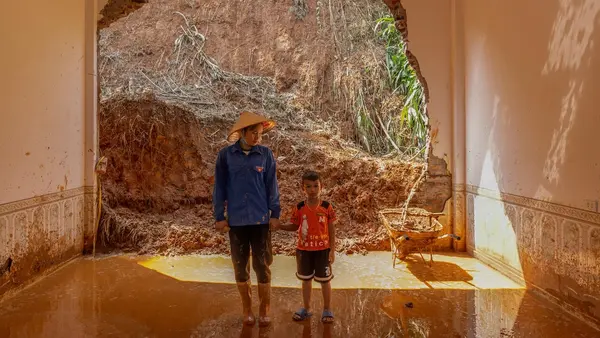
Luzon and other parts of the Philippines were hit with catastrophic winds, torrential rainfall, storm surges and heavy floods from Nov. 8-10, 2025, as Super Typhoon Uwan (Fung-wong) made landfall in Aurora province.
Just days before, Typhoon Tino (Kalmaegi) struck the central and southern parts of the country, including areas still reeling from the effects of two previous typhoons that swept through in late September.
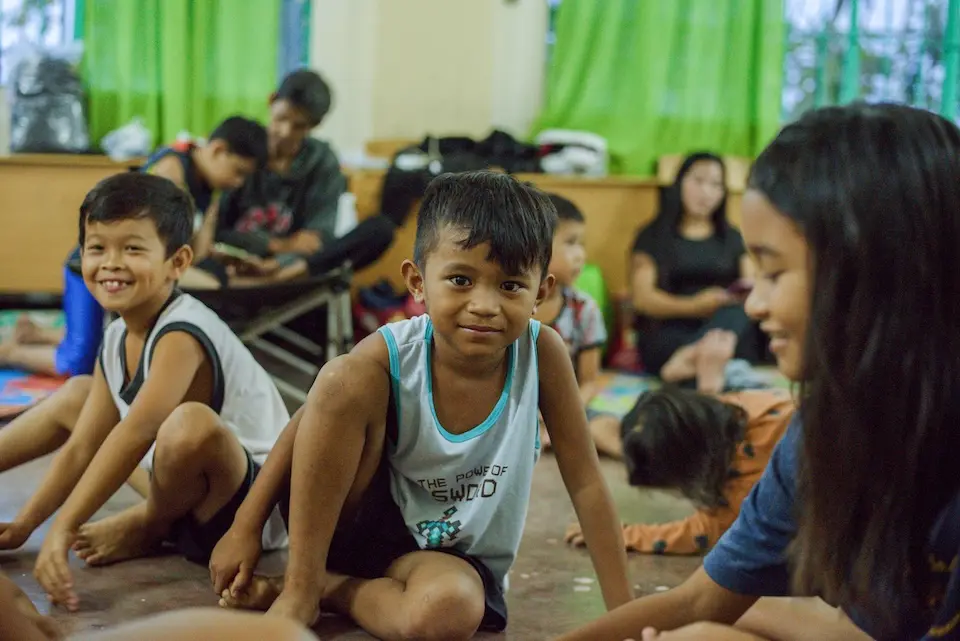
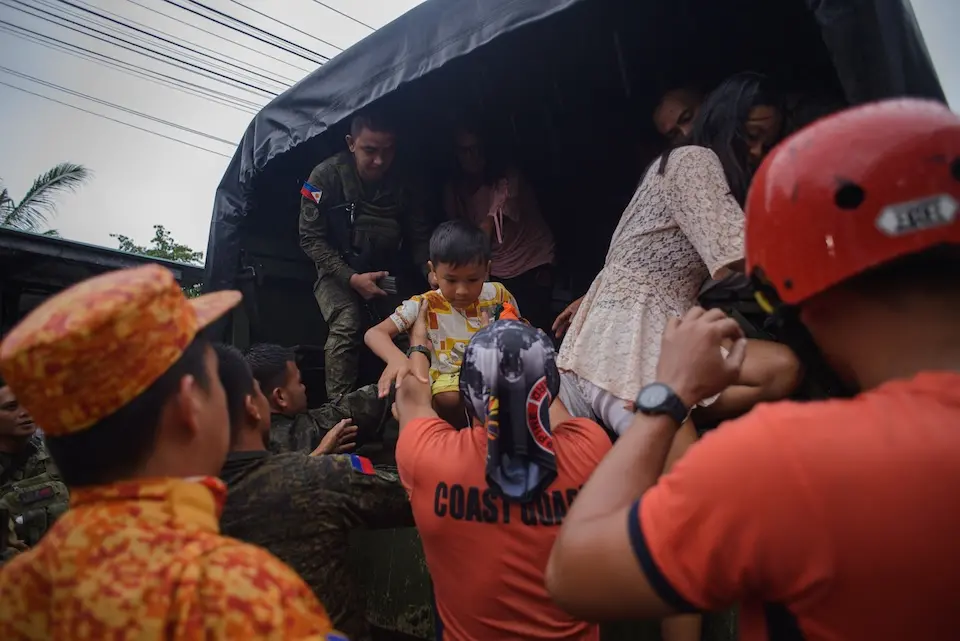
According to the Philippines' National Disaster Risk Reduction and Management Council, at least 1.5 million people were forced to flee their homes — preemptively evacuated thanks to early warnings.
The archipelago nation has suffered other shocks recently: a 6.9 magnitude earthquake struck Cebu and neighboring provinces on Sept. 30, followed by a 7.4 magnitude earthquake off Davao Oriental, further straining response capacities.
UNICEF has remained on the ground in the Philippines throughout all of these emergencies, coordinating closely with the government to help meet the urgent needs of impacted children and families.
Related: Delivering Vital Supplies to Children Who Need Them Most
Typhoon vs. hurricane: what's the difference?
Hurricanes and typhoons are both terms for tropical cyclones. The only difference between them is location.
Cyclones are a weather event with winds rotating inward over a center of low atmospheric pressure. A hurricane is a tropical cyclone that forms in the Atlantic Ocean with sustained winds of at least 119 kilometers (74 miles) per hour. A typhoon is a tropical cyclone that forms in the Pacific Ocean with sustained winds of at least 119 kilometers (74 miles) per hour.
Related: Hurricane news and the UNICEF response
Weather disasters increasing in frequency and intensity
Extreme weather events have become more intense and more frequent as a result of climate change. The impacts on children and families are far-reaching.
Those living in affected areas are often displaced — forced to flee to safety as homes, schools and other critical infrastructure are damaged or destroyed. Safe drinking water, health care and nutrition become even more difficult to access; children are often cut off from schooling and other critical social services, and can become separated from parents, heightening their risks of violence, exploitation and abuse.
In addition to meeting urgent needs in the wake of a storm, UNICEF continues to support child-centered disaster preparedness efforts in the Philippines and across the East Asia and Pacific region.
Learn more about what UNICEF does for children in the Philippines and across Asia
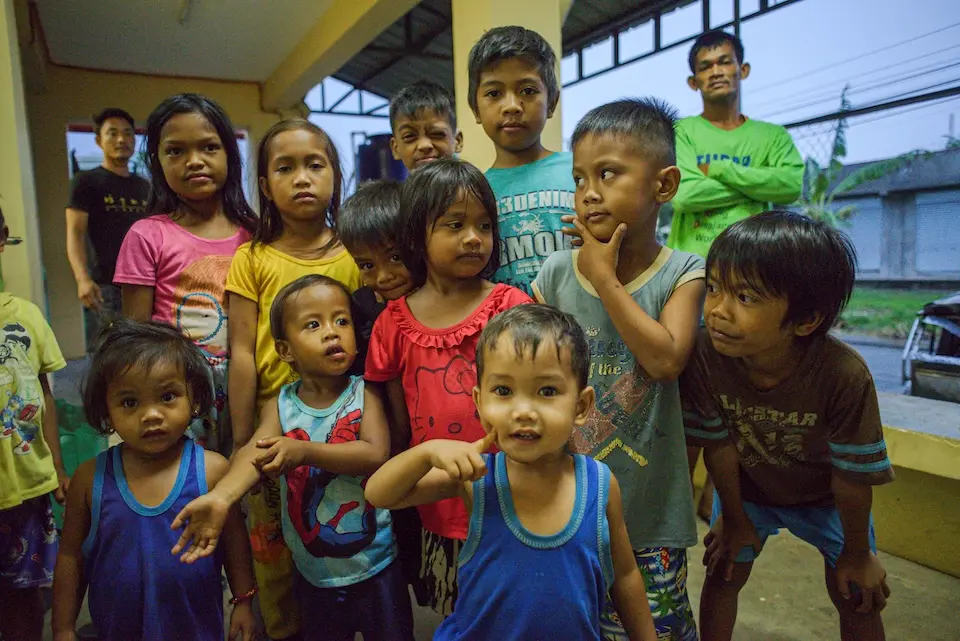
UNICEF Philippines and partners provide emergency support while building resilience
When extreme weather or other disaster hits, UNICEF works alongside other UN agencies and local partners to help meet immediate needs while also working to reduce disaster risks over the longer term.
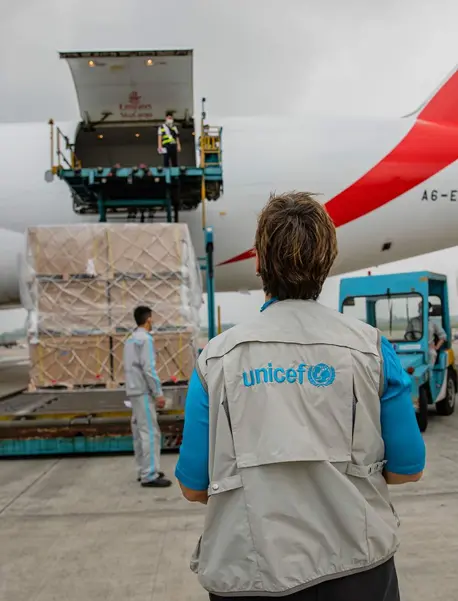
As part of its response, UNICEF helps conduct joint assessments, monitors conditions for children and families, activates communication and coordination at national and sub-national levels and readies the delivery of emergency supplies to affected areas.
UNICEF assistance has already reached tens of thousands of children and their families affected by the recent typhoons and earthquakes. Safe water, hygiene kits, health care, nutrition support and education supplies have reached approximately 75,000 people, including children. UNICEF is also providing technical, data management and coordination support.
UNICEF responds to hundreds of humanitarian emergencies every year while working to reduce disaster risks and otherwise mitigate the impacts of climate change to better protect and support vulnerable children and families.
Right now, the lives of the most vulnerable children hang in the balance as conflicts and crises jeopardize the care and protection that they deserve. Dependable, uninterrupted and effective foreign aid is critical to the well-being of millions of children. Please contact your members of Congress and urge them to support ongoing U.S. investments in foreign assistance.
HOW TO HELP
There are many ways to make a difference
War, famine, poverty, natural disasters — threats to the world's children keep coming. But UNICEF won't stop working to keep children healthy and safe.
UNICEF works in over 190 countries and territories — more places than any other children's organization. UNICEF has the world's largest humanitarian warehouse and, when disaster strikes, can get supplies almost anywhere within 72 hours. Constantly innovating, always advocating for a better world for children, UNICEF works to ensure that every child can grow up healthy, educated, protected and respected.
Would you like to help give all children the opportunity to reach their full potential? There are many ways to get involved.