Play Can't Wait
Water. Shelter. Food. Play. For children in crisis, play is how they heal, connect and feel whole again. That’s why UNICEF delivers it as essential aid.
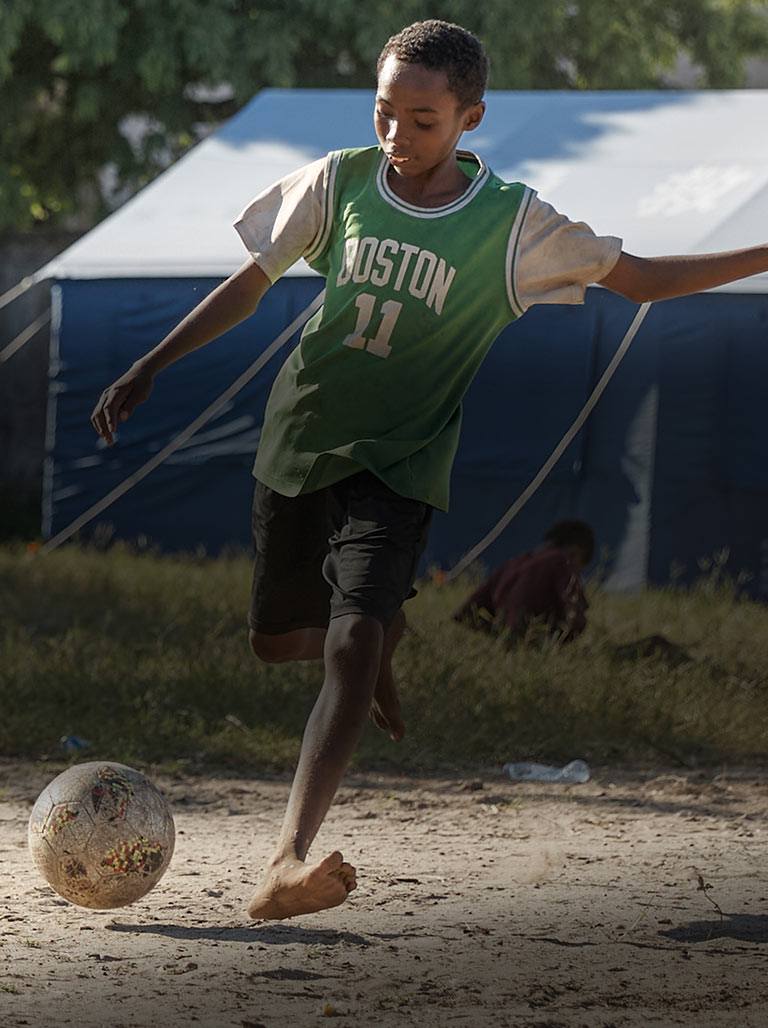
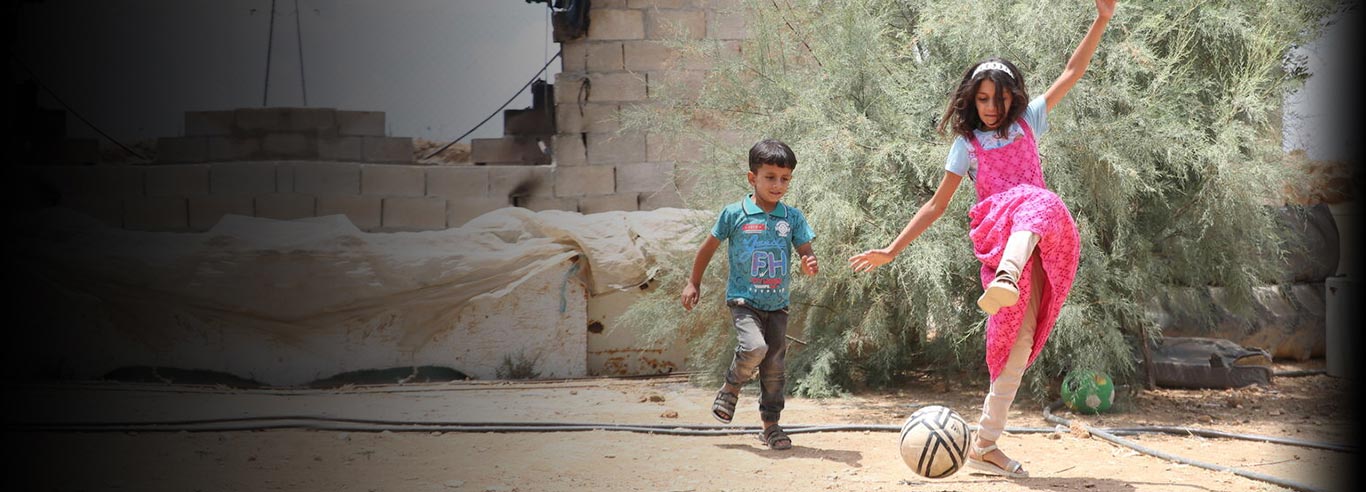
Why Play Matters
When children play, they learn. They build connections. They stay physically and emotionally healthy. Play is so essential to a child’s development that UNICEF provides it with the same urgency we give to safe water, vaccines and other aid. Here’s what play delivers.
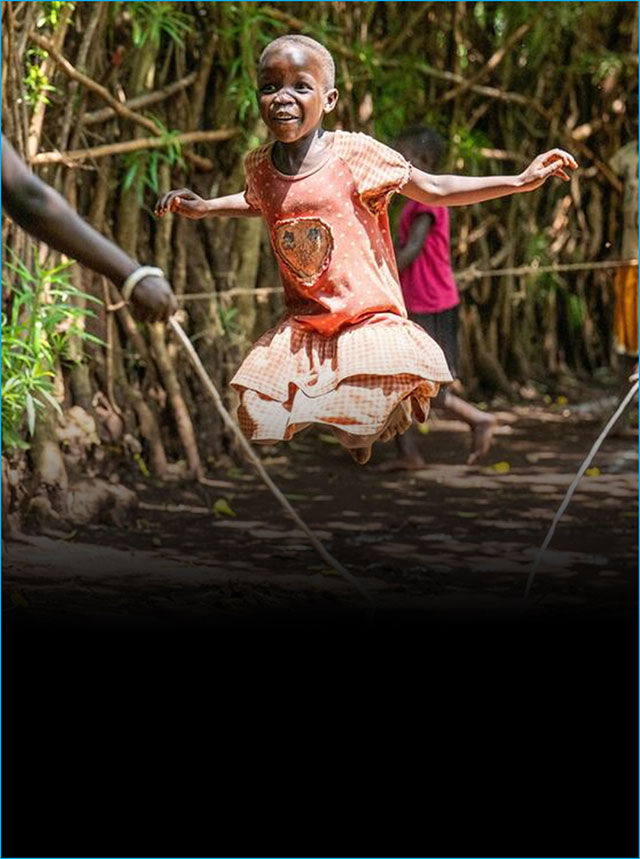
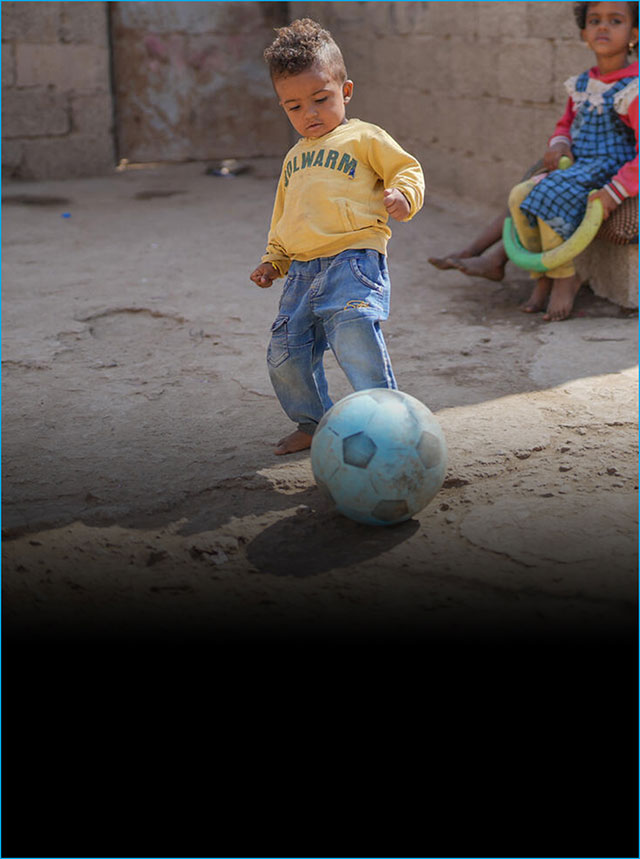
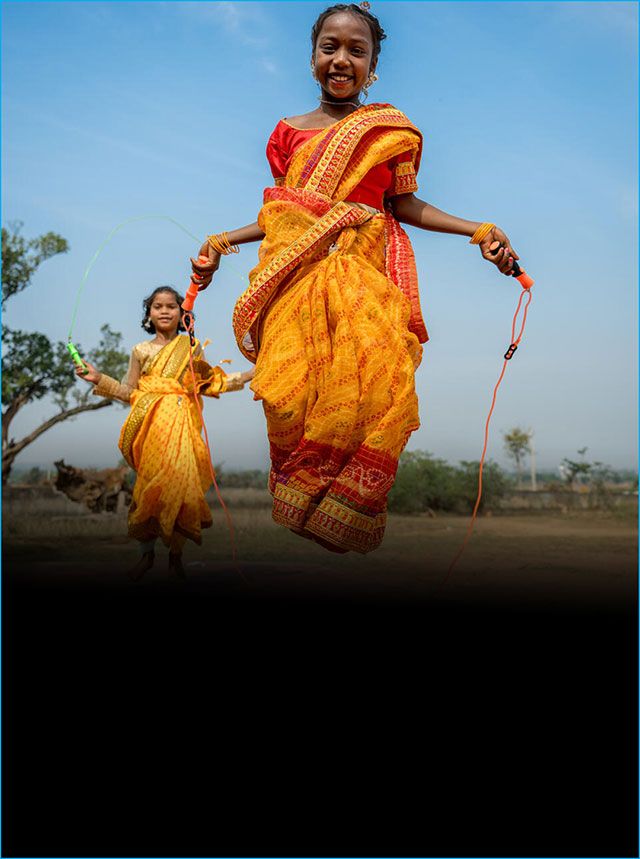
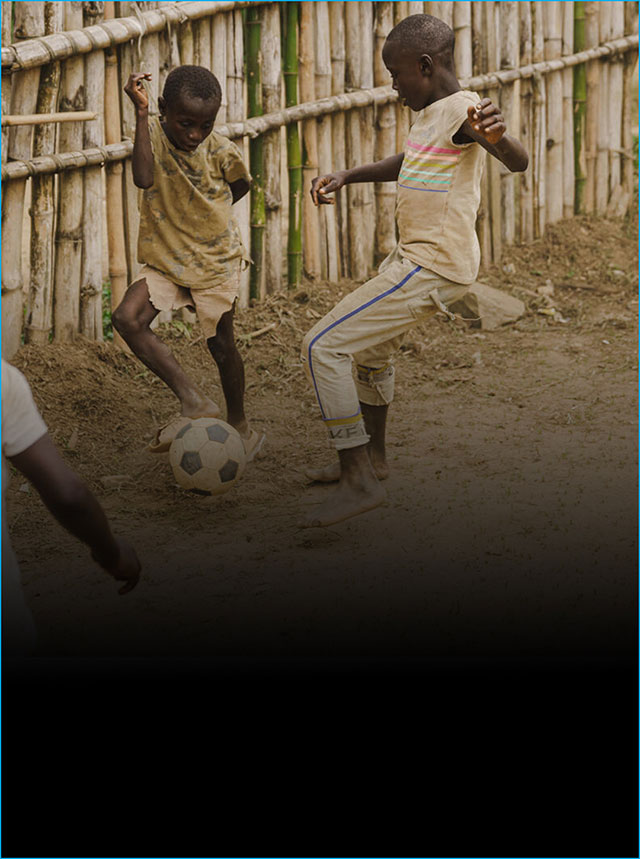
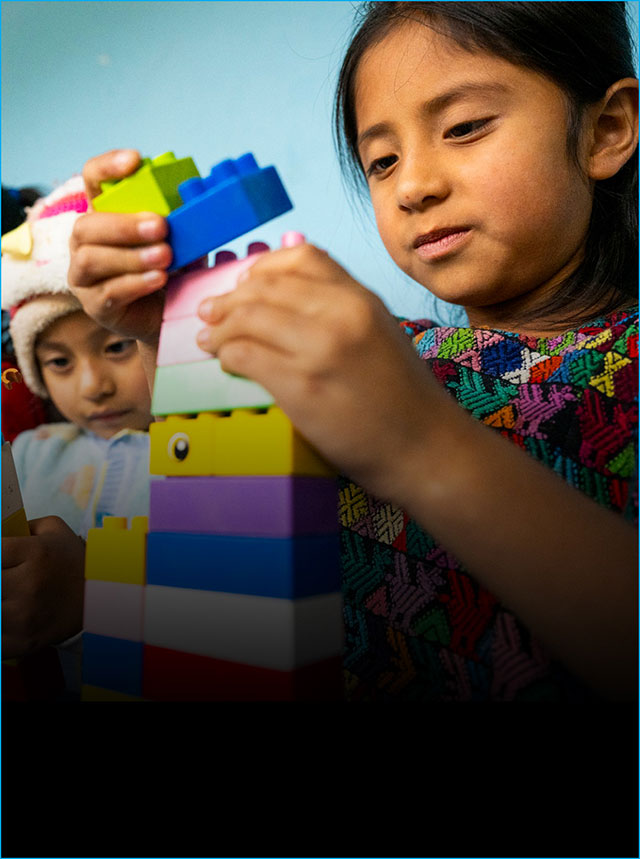
Play Couldn't Wait: Personal Stories
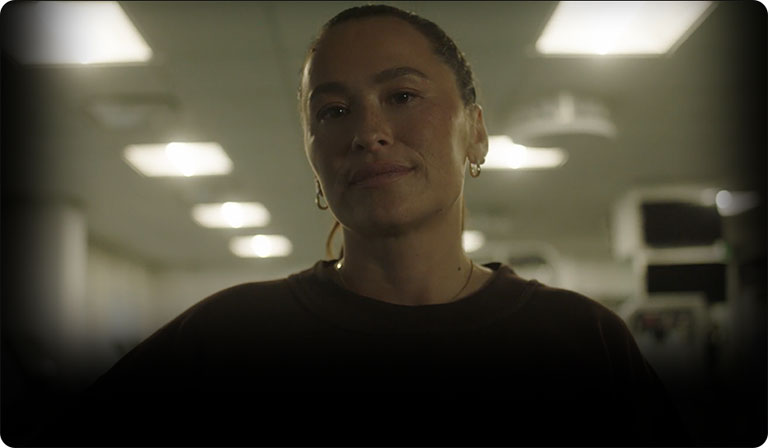
UNICEF supporters and soccer legends share how the power of play shaped their own lives — and why bringing its joy and healing to children across the globe is so close to their hearts
01:00:05:00 to 01:00:06:18:
My dad didn't sound like anyone else
01:00:06:18 to 01:00:08:00:
because he was from New Zealand,
01:00:08:00 to 01:00:09:23:
but my mum didn't look like anyone else
01:00:09:23 to 01:00:11:14:
and being half Chinese,
01:00:11:23 to 01:00:12:22:
I also felt like
01:00:12:22 to 01:00:14:22:
I didn't look like anybody else
01:00:15:10 to 01:00:16:16:
I was shy
01:00:16:16 to 01:00:19:23:
and I had a very small group of friends
01:00:19:23 to 01:00:21:15:
I didn't feel like I fit in.
01:00:22:11 to 01:00:23:20:
I worked hard, I got good grades,
01:00:23:20 to 01:00:26:01:
and I got bullied sometimes for that.
01:00:26:01 to 01:00:28:09:
It was so uncool to be smart.
01:00:28:09 to 01:00:30:04:
But on the field,
01:00:30:04 to 01:00:31:14:
your team loves you,
01:00:31:14 to 01:00:33:06:
If you're good and you're fast
01:00:33:06 to 01:00:34:21:
and you're celebrated
01:00:34:21 to 01:00:36:15:
and it didn't matter what I looked like
01:00:36:15 to 01:00:38:01:
because I could score goals.
01:00:39:07 to 01:00:41:07:
It felt like home.
01:00:45:07 to 01:00:48:02:
I think the first time that I realized
01:00:48:02 to 01:00:50:07:
that I might belong in sport
01:00:50:17 to 01:00:53:03:
was when I watched the 99 World Cup final
01:00:53:03 to 01:00:54:08:
at the Rose Bowl,
01:00:56:06 to 01:00:58:14:
There's 90,000 people there.
01:00:59:21 to 01:01:03:12:
The first time in my life that I saw women
01:01:03:12 to 01:01:04:17:
celebrated,
01:01:04:17 to 01:01:06:04:
who were strong,
01:01:06:04 to 01:01:07:15:
who are powerful.
01:01:07:15 to 01:01:11:06:
and that made a huge impression on me.
01:01:13:05 to 01:01:16:01:
After I played two seasons professionally
01:01:16:01 to 01:01:18:02:
here in the US, the league folded
01:01:18:02 to 01:01:19:19:
and I moved to Sweden
01:01:19:19 to 01:01:21:05:
and that was the first time
01:01:21:05 to 01:01:22:13:
I played somewhere where
01:01:22:13 to 01:01:24:12:
I didn't speak the language and
01:01:24:12 to 01:01:27:03:
I didn't understand a word.
01:01:27:03 to 01:01:29:13:
Some of those years were definitely
01:01:29:13 to 01:01:31:03:
very isolating,
01:01:31:03 to 01:01:33:03:
but getting out to the field,
01:01:33:03 to 01:01:34:09:
it didn't matter
01:01:34:09 to 01:01:37:12:
I knew what I needed to do to help the team
01:01:37:12 to 01:01:40:10:
and that feeling of togetherness
01:01:40:10 to 01:01:43:19:
I think, transcends any language barrier.
01:01:45:08 to 01:01:49:21:
The first time we won as a club team in Sweden
01:01:49:21 to 01:01:52:04:
we're just celebrating together and
01:01:52:04 to 01:01:53:11:
I felt like I belonged
01:01:53:11 to 01:01:55:05:
even though I had been in the country
01:01:55:05 to 01:01:55:20:
for something like four days.
01:01:55:20 to 01:01:57:21:
for something like four days.
01:01:58:18 to 01:02:02:17:
Being on a team,
especially for anyone who has suffered
01:02:02:17 to 01:02:05:20:
loss or is feeling lost and rootless,
01:02:05:20 to 01:02:07:07:
loss or is feeling lost and rootless,
01:02:07:07 to 01:02:09:18:
it can give you hope because
01:02:09:18 to 01:02:12:16:
you get a sense of community.
01:02:13:04 to 01:02:16:19:
It is really about having a support system
01:02:16:19 to 01:02:19:09:
and people who see you and provide a space
01:02:19:09 to 01:02:21:18:
where you can be yourself.
01:02:22:16 to 01:02:24:17:
Play can also be be an escape
01:02:24:17 to 01:02:26:07:
somewhere where you get to
01:02:26:07 to 01:02:27:13:
feel joy.
01:02:29:01 to 01:02:31:22:
the field was the first place
I felt like I belonged.
01:02:31:22 to 01:02:33:15:
If play did that for me.
01:02:33:15 to 01:02:35:19:
Imagine what it can do for a child
in crisis.
01:02:37:00 to 01:02:38:16:
Play. Can't wait.
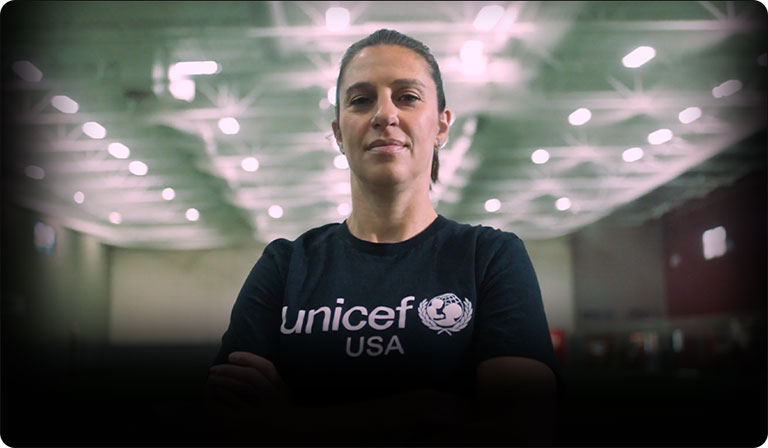
00:00:01:09 to 00:00:05:03
I was always outside playing every sport imaginable
00:00:05:05 to 00:00:23:08:
football, baseball. Basketball, soccer. Wanting to compete and wanting to be the best. Throwing a football and not being able to throw a spiral. You know, I would do it until I'd be able to do it. Or even climbing a tree. And maybe I didn't get to the certain point in that tree that I wanted to.
00:00:23:12 to 00:00:45:03:
I was like, I'm going to figure this out one way or another until I'm able to to do it and be good at it. The self-worth that I felt as a young girl, being able to play this sport was really one of the most important things of my childhood. I had loads of coaches who gave me the freedom to express myself, to be myself.
00:00:45:04 to 00:01:03:22:
Sometimes my 80% was better than most people's 100%, and I got invited to play with the under 21 national team. And when I went in there, the coach, he said, you've got a lot of talent, but I don't think that you are fit enough and nearly as good enough to make the roster. I was devastated, but I also did need some tough love.
00:01:03:22 to 00:01:30:15:
I needed somebody to honestly tell me how it was, and I either had to look myself in the mirror and figure out things that I needed to get better at, or quit the sport, and that meant working harder than anybody else. Training on holidays. Training early mornings. Training late at night. Whatever was asked of me, I had to be ready to do it.
00:01:30:17 to 00:01:54:11:
It feels great to be a world champion. One of my greatest memories is definitely the 2015 World Cup, scoring three goals, a hat trick. It was life changing on and off the field. It just validated everything for me that it's been worth it for me. I know every time I stepped in between those lines, it was just like you in that moment.
00:01:54:12 to 00:02:03:12:
The ball playing, you know, being able to play is so important. Join me in bringing the power of play to every child with Unicef
00:02:03:14 to 00:02:05:01:
play. Can't wait.
Stay Connected
Sign up to hear about developing challenges for children worldwide — and how UNICEF is delivering help and hope.
Our supporters are the backbone of UNICEF’s work in more than 150 countries. Sign up to learn more about developing challenges for children in places like Gaza, Sudan and Ukraine — and how UNICEF is delivering essentials like safe water, education, medicine and play.
FAQ's
What is the International Day of Play?
The International Day of Play is a global moment to celebrate the power of play and protect every child’s right to play. For UNICEF, it is also a chance to show how play-based learning, safe spaces and everyday moments of joy help children grow, heal and thrive.
When is the International Day of Play?
The International Day of Play takes place each year on June 11 and reminds families, communities and supporters that every child deserves safe, inclusive opportunities to learn, connect and simply be a child.
What is the theme of the International Day of Play 2026?
The theme for International Day of Play 2026 is “Protect play, protect childhood.” The theme reinforces a simple idea at the heart of UNICEF’s work: when children have safe places to play, they are better supported in childhood and beyond.
Why is play important for children?
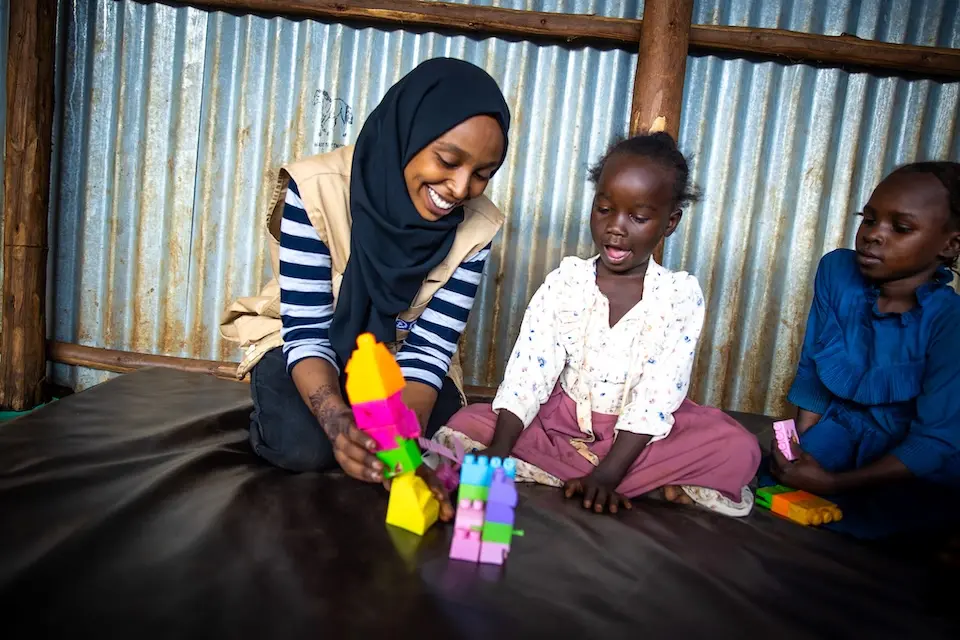
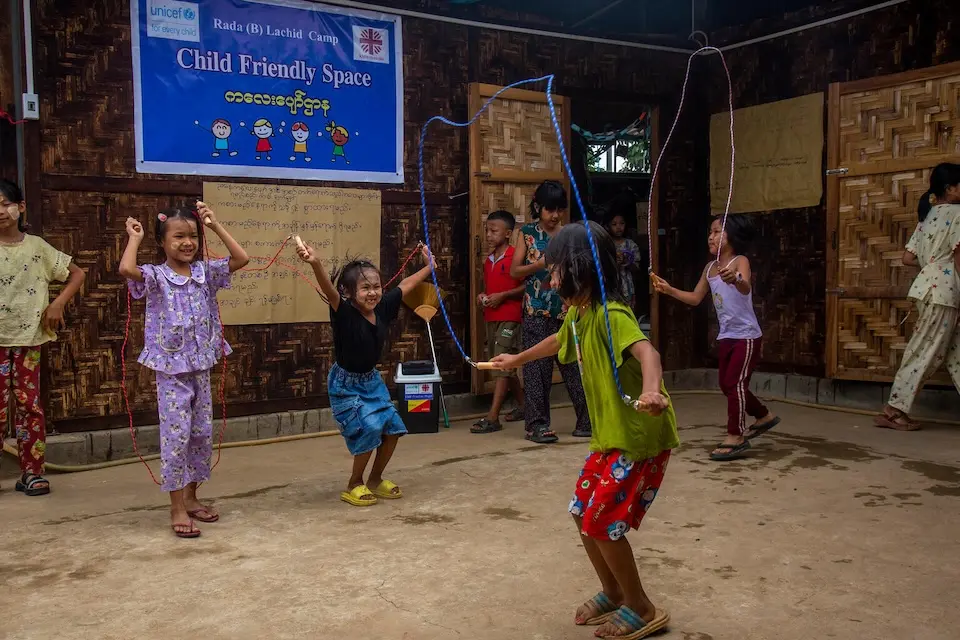
Play is important for children because it supports healthy development, social connection, resilience and problem-solving. During times of crisis, the normalcy and connection to other children that play provides can help restore a sense of safety.
How does play help social development?
Through play, children practice sharing, listening, leading, solving problems and building trust with others. These facets of play in early childhood can help children form healthy relationships and navigate challenges at home, in school or after disruption.
What type of play is best for children?
The best play is safe, inclusive and responsive to a child’s age, abilities and interests. UNICEF supports play and play-based learning through structured lessons as well as through free play, storytelling, music, movement, games and creative expression — all designed to help children build confidence and connection.
What are five types of play in child development?
Five helpful types of play include physical play, creative play, social play, imaginative play and play-based learning. Each supports a different part of childhood development, from movement and communication to emotional expression, problem-solving and cooperation.