UNICEF Delivers Aid to Children in Lebanon: the Ceasefire Must Hold
Highlights
- Escalation of military conflict in Lebanon has sharply increased protection risks for children, including family separation, psychological distress and reduced access to essential services.
- News of a ceasefire offers a critical opportunity to protect children and families.
The intensification of hostilities in Lebanon has taken an inhumane toll on children. With news of a ceasefire, UNICEF and partners continue to deliver humanitarian aid to families devastated by the conflict. More support is urgently needed.
Since March 2, more than 770 children have been killed or injured by attacks in Lebanon
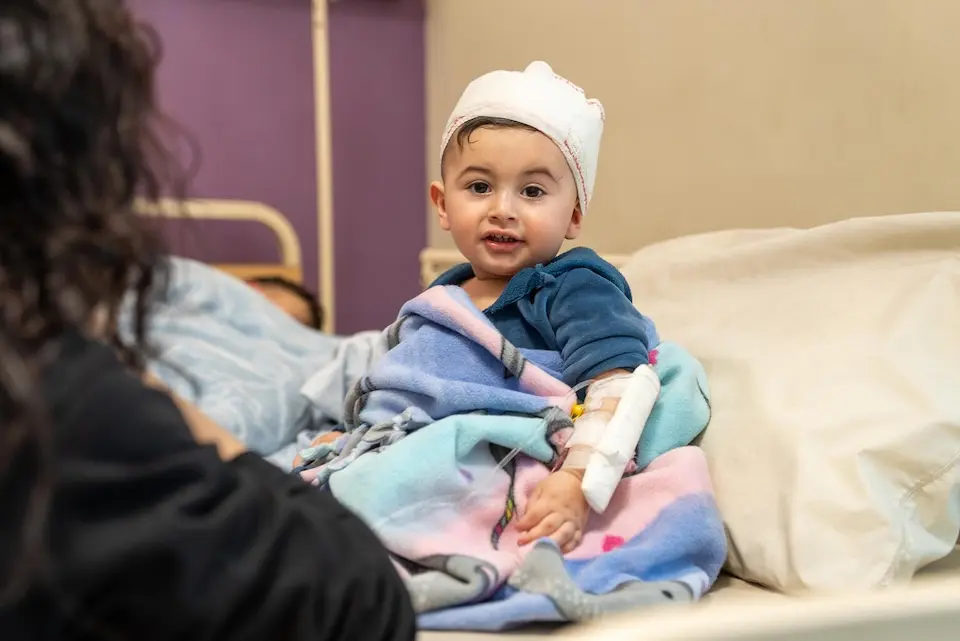
At a Beirut hospital, 10-month-old Ahmad is being treated for injuries he sustained on April 8, 2026, when a barrage of more than 100 air strikes killed hundreds of people in less than 10 minutes, just as news of a regional ceasefire agreement briefly ignited hope across Lebanon.
Ahmad's older brother, 3-year-old Khaled, sits by his side, flinching at every sound, even the opening of a door. The boys' mother does not want to leave the hospital. Nowhere is safe, she says.
Mass displacement is ongoing across Lebanon
The sudden wave of bombardments occurred without warning, giving families no time to seek safety. At least 303 people were reported killed; 33 were children. Over 1,150 people were injured, 153 of them children.
Since the escalation of hostilities on March 2, at least 2,196 people have been killed in Lebanon, including 172 children. More than 600 children have been wounded. Across the country, over 1.1 million people, including almost 400,000 children, have been uprooted, many for the second, third or even fourth time.
Read UNICEF Lebanon's latest Humanitarian Flash Update
Ceasefire offers critical opportunity to protect children and families
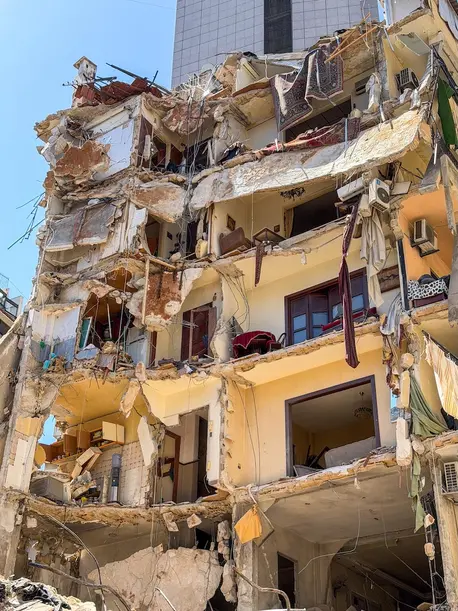
The recent escalation of military activity in Lebanon significantly increased protection risks, particularly for children, including family separation, psychological distress and reduced access to essential services. News of a ceasefire offers a critical opportunity to reach children and families who have endured immense suffering.
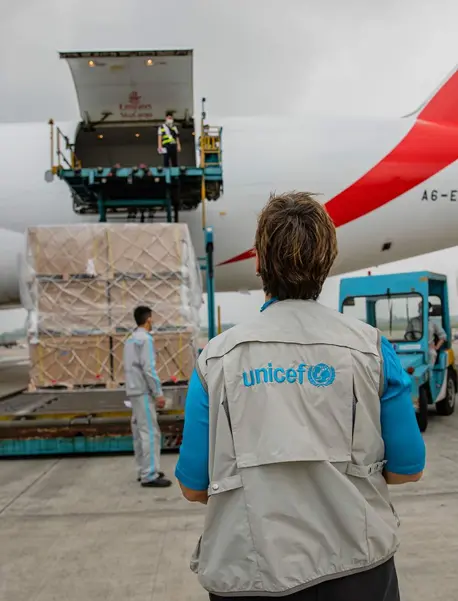
Since March 2, UNICEF has reached approximately 100,000 people in hard-to-reach, high-risk areas of Lebanon, delivering lifesaving support to children and families through joint convoys with the World Food Program (WFP), despite severe access constraints and ongoing hostilities.
Repeated attacks on health care workers and emergency medical services
Attacks on health care and emergency services have been a major concern. Fifty-seven health care workers have been killed and 158 injured since March 2, with 93 attacks on emergency medical services reported.
UNICEF is also providing community-based psychosocial support for children and caregivers and helping to ensure continuity of learning for children affected by the crisis. UNICEF has distributed 975 education kits to 174 shelters, reaching 30,350 children with learning, recreational and play materials.
Learn more about what UNICEF is doing to protect children's health and well-being in Lebanon
Under international law, children must be protected at all times
The intensification of attacks prompted international calls for the protection of civilians and urgent measures to de-escalate tensions.
Speaking with ABC News on April 10, UNICEF Lebanon spokesperson Christophe Boulierac said, "Our job here is to protect children and what we see is that children are not protected. It is a basic of international humanitarian law: Protect civilians, protect civilian infrastructure. Why are so many children killed and injured? Dozens of children killed in a few minutes is not something which is normal and it's not something that can be justified. So the priority now is to support these children."
Learn more about UNICEF's emergency response to military conflict in the Middle East
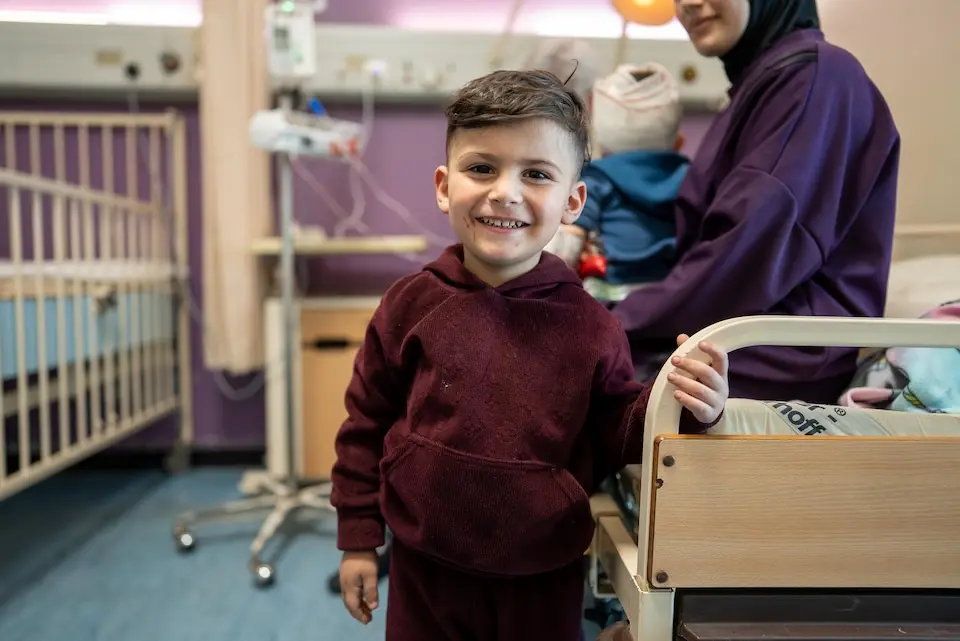
Children in Lebanon need support now
To reach 1 million people in need, UNICEF requires $48.3 million for its three-month response, but faces a 74 percent funding gap with only $12.5 million available. Without urgent additional funding, lifesaving services for children and families will be disrupted.
Help UNICEF rush aid to children in need
UNICEF USA complies with U.S. sanctions restrictions, and, as such, we do not accept funds specifically designated for programs in Iran. We do, however, raise funds for UNICEF programming in the Middle East and North Africa region.
For parents and caregivers: How to Talk to Your Children About Conflict and War
HOW TO HELP
There are many ways to make a difference
War, famine, poverty, natural disasters — threats to the world's children keep coming. But UNICEF won't stop working to keep children healthy and safe.
UNICEF works in over 190 countries and territories — more places than any other children's organization. UNICEF has the world's largest humanitarian warehouse and, when disaster strikes, can get supplies almost anywhere within 72 hours. Constantly innovating, always advocating for a better world for children, UNICEF works to ensure that every child can grow up healthy, educated, protected and respected.
Would you like to help give all children the opportunity to reach their full potential? There are many ways to get involved.