More Than a Million Displaced by Conflict in Lebanon
Highlights
- For the second time in 18 months, children in Lebanon are being forced out of their homes by violence
- UNICEF is providing critical support to protect children's health and well-being
- UNICEF Lebanon faces a 77 percent funding gap; without urgent additional funding, lifesaving services for children and families will be disrupted
Sudden, chaotic mass displacement in Lebanon is endangering children's lives and cutting them off from the systems they rely on. UNICEF is working with partners to meet children's urgent needs.
War has displaced 20 percent of Lebanon's population
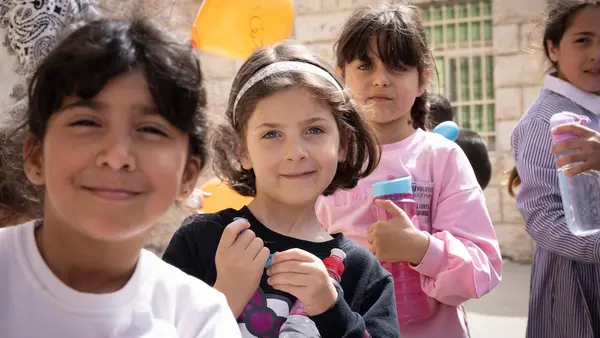
In less than a month, 1.1 million people in Lebanon, including more than 390,000 children, have been forced out of their homes by relentless bombardment, overwhelming support systems and putting lives and futures at risk.
"This is a sudden, chaotic displacement, tearing families apart and hollowing out entire communities, with consequences that will reverberate long after the violence subsides," Marcoluigi Corsi, UNICEF Representative in Lebanon, said in a press briefing on March 27.
As of April 1, at least 1,318 people have been reported killed, including 125 children, and 3,395 injured, including 429 children, according to Lebanon's Ministry of Public Health. Attacks on health care and emergency services remain a major concern: since March 2, 53 health care workers have been killed and 137 injured, alongside 82 reported attacks on emergency medical services.
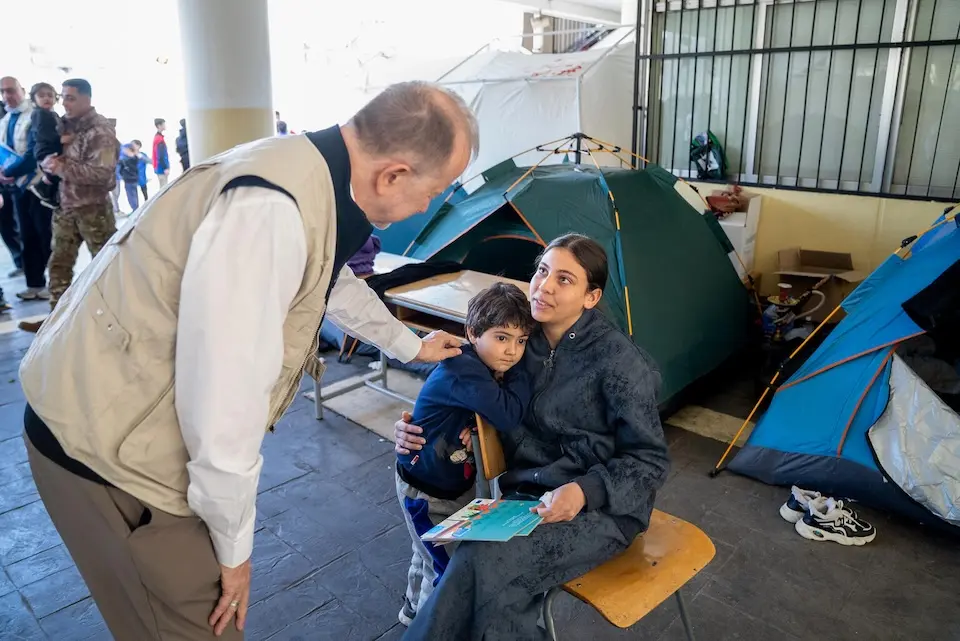
UNICEF is delivering critical aid and support for children in Lebanon
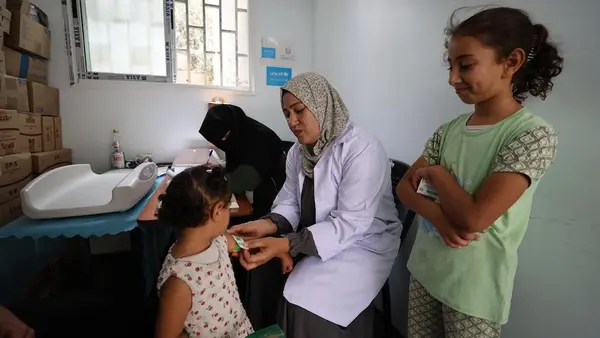
UNICEF has scaled up its emergency response across Lebanon to reach children and families with urgent humanitarian assistance. Together with partners, UNICEF has expanded health services to support displaced families with an integrated response package — including vaccination, neonatal and pediatric intensive care services — in over 290 shelters, and for more than 480,000 people in host communities. In addition, UNICEF has sustained access to safe water and sanitation for over 2.6 million people through the provision of fuel and critical repairs to water and wastewater systems.
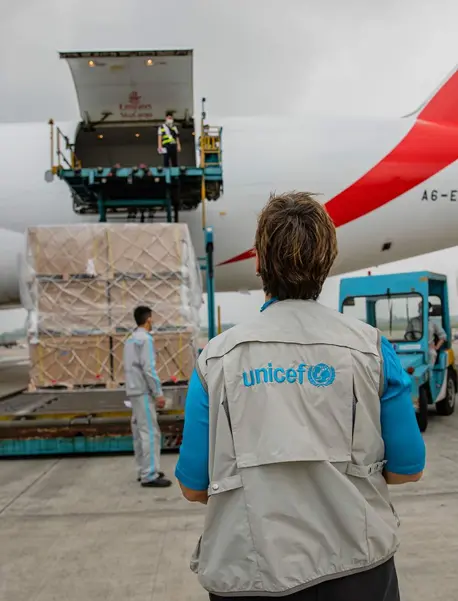
UNICEF’s rapid response mechanism has reached more than 188,000 people in shelters, on the move and in hard-to-reach areas with essential supplies including bottled water, family hygiene kits, baby kits, menstrual supplies and high-energy biscuits for children and pregnant women.
Learn more: UNICEF Lebanon's latest Humanitarian Flash Update April 2, 2026
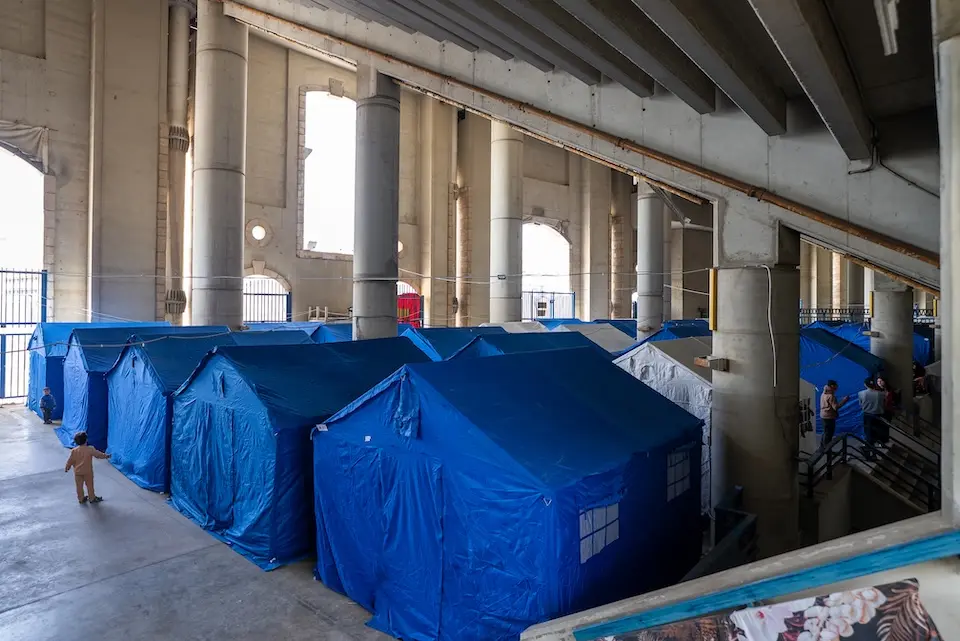
UNICEF is also working with partners across Lebanon to:
- provide child protection and mental health and psychosocial support for children in shelters and affected communities
- identify unaccompanied children and reunite them with family members
- preposition nutrition supplies to prevent wasting among children and pregnant and breastfeeding mothers
- support online learning platforms and distribute educational materials to children in shelters and establish temporary learning spaces
Related: UNICEF Aids Children in Lebanon as Conflict Intensifies
Uprooting children from their homes means uprooting them from their childhood
Lebanon’s economic crisis and weakened infrastructure were already limiting the country’s ability to respond to basic needs; today, that infrastructure is buckling under the pressure. Before having a moment to heal and recover, children are being violently uprooted yet again.
"These children are basically going through the same nightmare they went through just 18 months ago," Corsi told CNN on March 30. "First of all, we need to make sure we give psychological support to the children as much as possible, and to the parents as well. We need to create a sense of normalcy where normalcy is very difficult to create ... we are trying our level best to address the deep psychological trauma that children have."
5 Ways Conflict in the Middle East Impacts Children
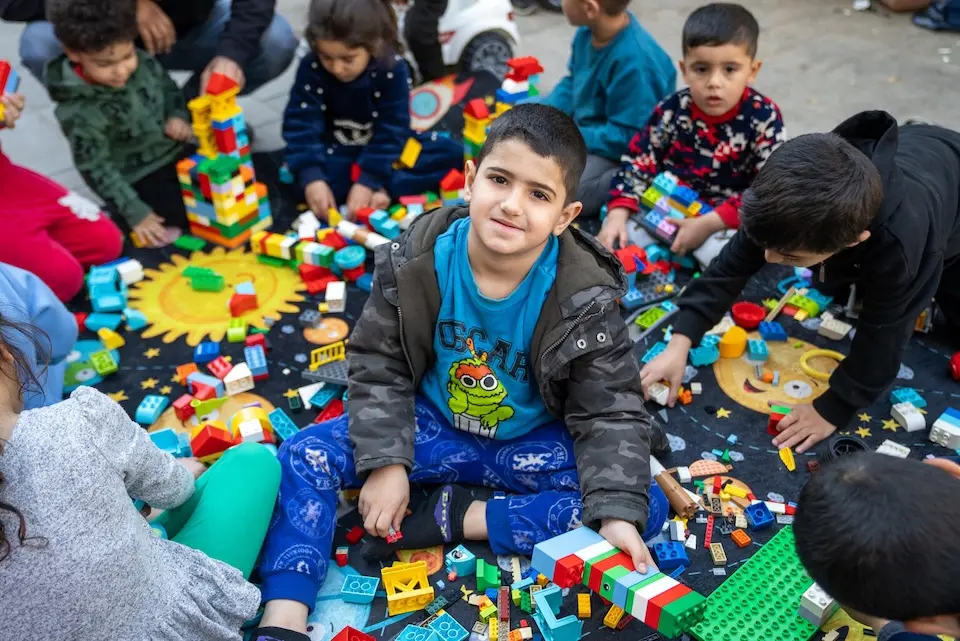
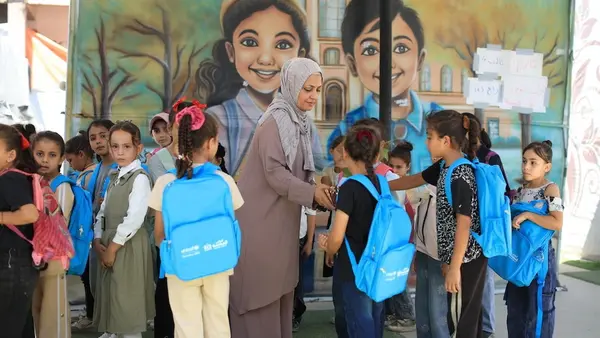
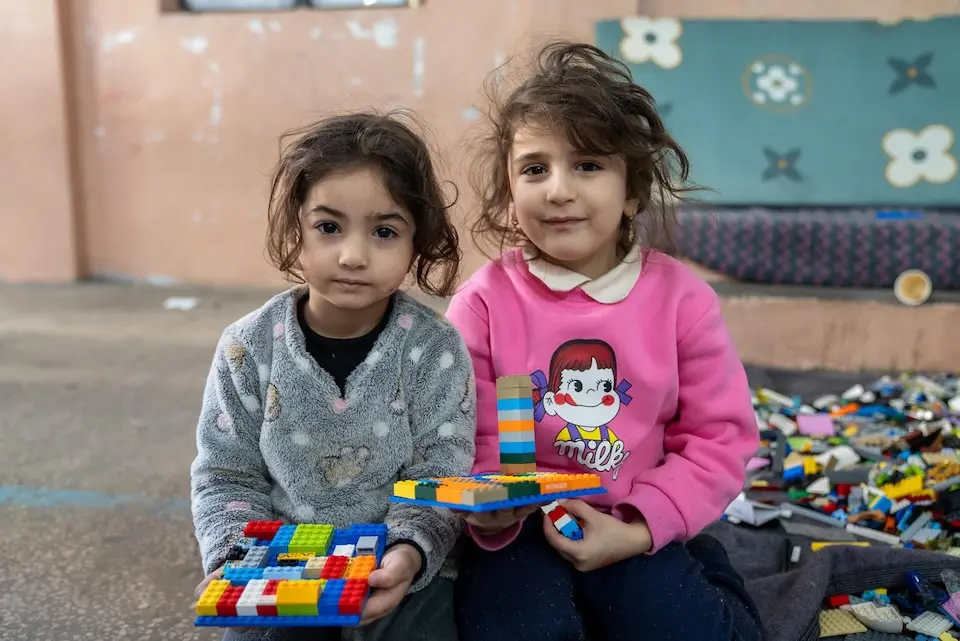
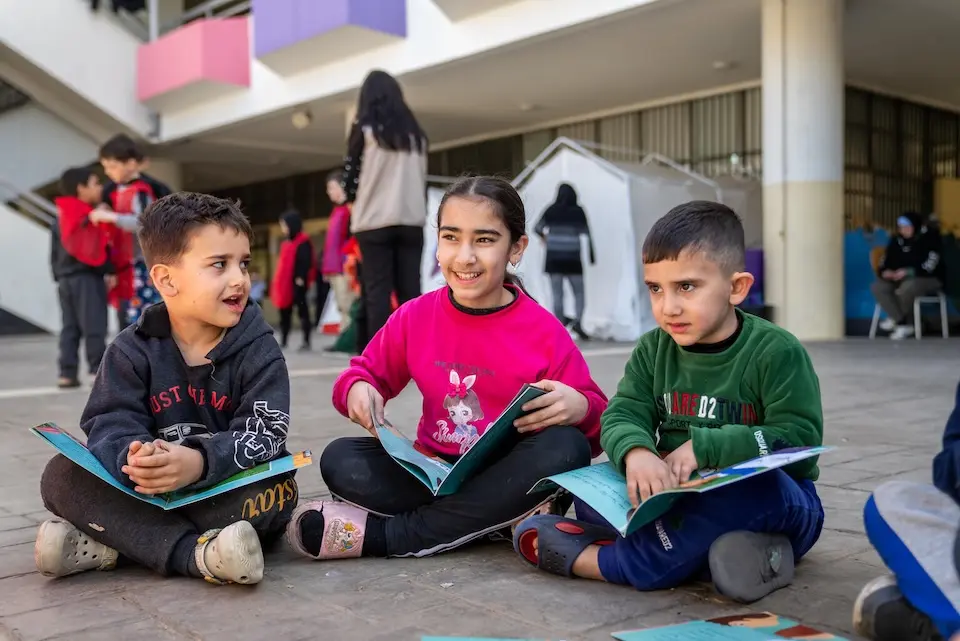
At Omar Faroukh School in Beirut, one of more than 400 schools being used as emergency shelters across the country, children whose lives have been torn apart can join other children to read books, play together and just be kids for a while.
It's a moment of calm in a terrifying time as air strikes intensify. UNICEF continues to call for an end to the violence and the protection of all children across the region.
Learn more about UNICEF's emergency response to conflict in the Middle East
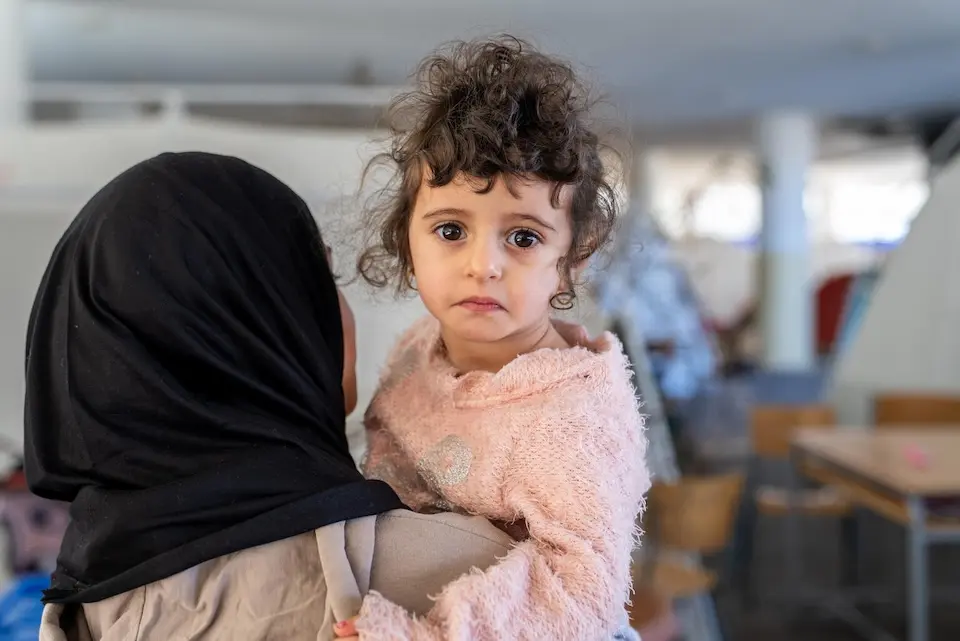
Children caught in crises need our support now
"International law is there and should be respected at all times," UNICEF spokesperson Ricardo Pires said in an interview with ABC News on March 29. "It was created post World War II for a reason, so we wouldn't have to see things like this happening again: children being killed or injured, oftentimes indiscriminately, while there's no accountability. Crimes that go unpunished become crimes that get repeated. That's what we're seeing now: international law is not being respected. It must be enforced."
To reach 1 million people in need in Lebanon over the next three months, UNICEF requires $48.3 million, but faces a 77 percent funding gap with only $10.9 million available. Without urgent additional funding, lifesaving services for children and families will be disrupted.
Help UNICEF rush aid to children now
* UNICEF USA complies with U.S. sanctions restrictions, and, as such, we do not accept funds specifically designated for programs in Iran. We do, however, raise funds for UNICEF programming in the Middle East and North Africa region.
For parents and caregivers: How to Talk to Your Children About Conflict and War
HOW TO HELP
There are many ways to make a difference
War, famine, poverty, natural disasters — threats to the world's children keep coming. But UNICEF won't stop working to keep children healthy and safe.
UNICEF works in over 190 countries and territories — more places than any other children's organization. UNICEF has the world's largest humanitarian warehouse and, when disaster strikes, can get supplies almost anywhere within 72 hours. Constantly innovating, always advocating for a better world for children, UNICEF works to ensure that every child can grow up healthy, educated, protected and respected.
Would you like to help give all children the opportunity to reach their full potential? There are many ways to get involved.