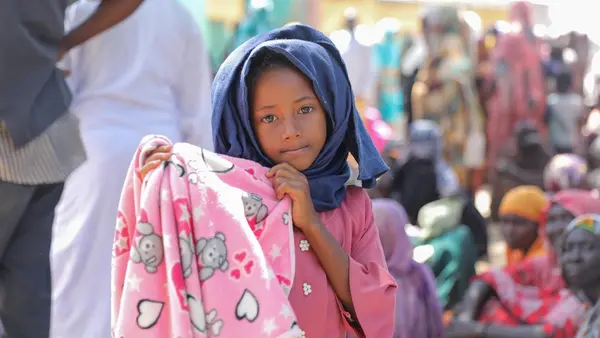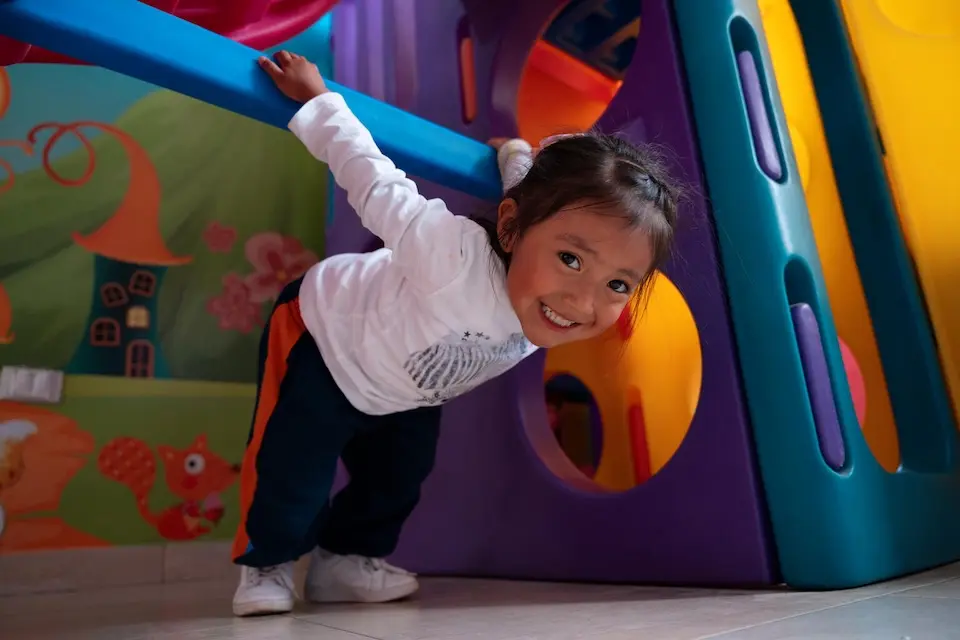
World Children's Day: Reaffirming Children's Rights
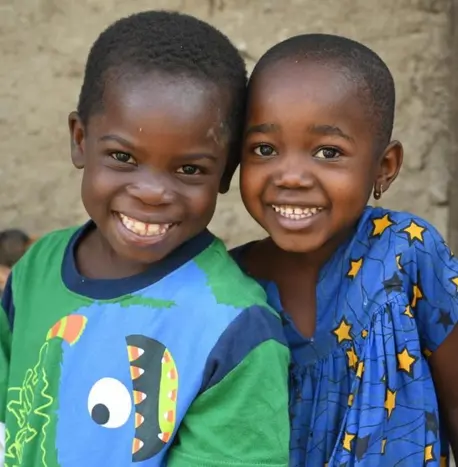
World Children's Day commemorates the adoption of the Convention on the Rights of the Child, a human rights treaty. For UNICEF, the annual observance is also an opportunity to remind the international community to put children first.
A day of action — for children, by children
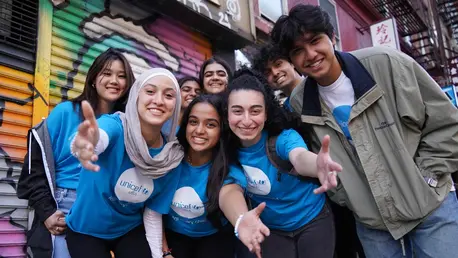
UNICEF's global program and advocacy work is rooted in its commitment to children’s rights. For World Children's Day 2026, UNICEF reaffirms that commitment while urging others to put children first, knowing that the choices being made today — as conflicts, climate shocks and inequality mount — will shape their future. The day is for action: to raise awareness of the issues children face and the importance of standing up for their rights, and to advocate in support of their participation in decisions that affect their lives.
A global imperative: protecting the well-being of children
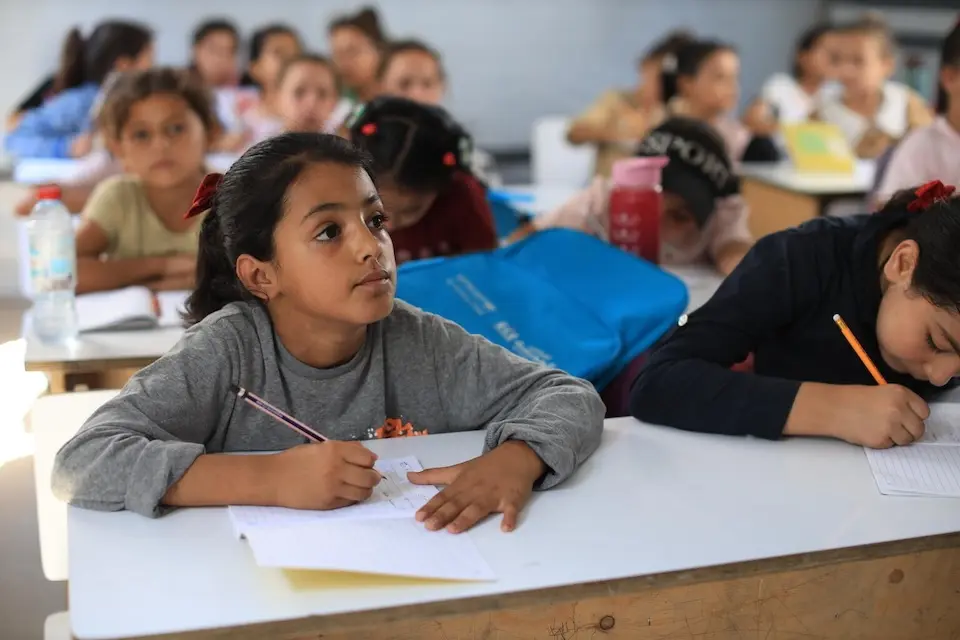
The idea for a World Children's Day started in 1954, when the UN General Assembly adopted a resolution recommending that all countries of the world institute a universal children's day to acknowledge the importance of protecting children's physical, mental and social well-being.
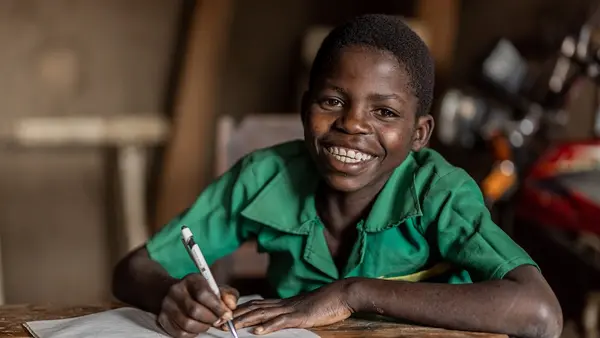
On Nov. 20, 1959, the UN adopted the Declaration of the Rights of the Child. Thirty years later, the UN adopted the Convention on the Rights of the Child (CRC), a widely ratified international human rights treaty that asserts every child's right to health, education and play, protection from violence and discrimination and the right to have their views heard. In 1990, the UN made it official: World Children's Day would be observed annually on Nov. 20.
UNICEF has in some years released its flagship State of the World’s Children report on World Children’s Day, focusing on Child Poverty in 2025 and the Future of Childhood in 2024. Priority topic for World Children's Day 2026: the protection of children's rights in the age of artificial intelligence (AI).
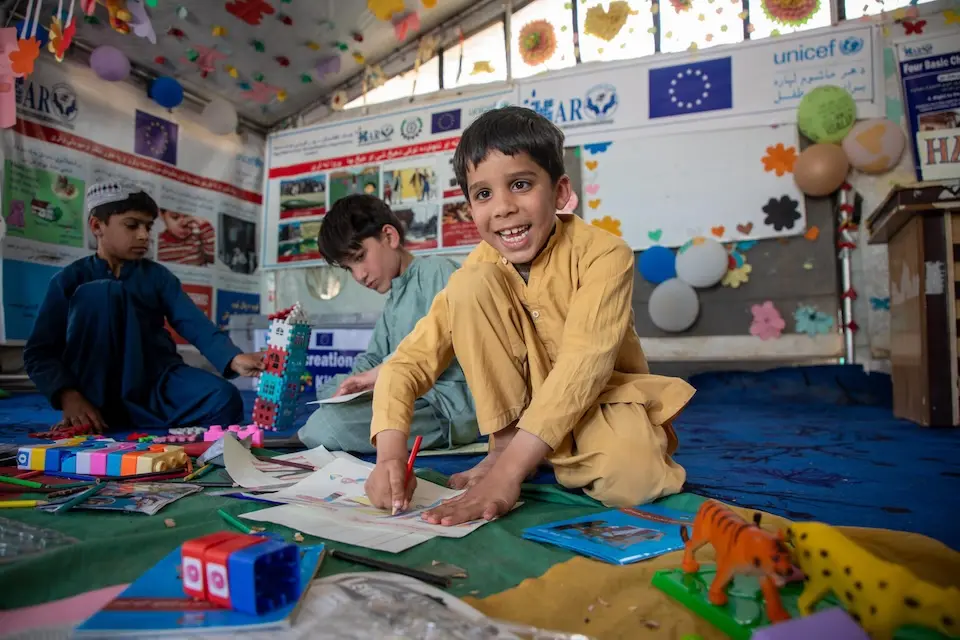
As AI opens new possibilities for tackling global challenges, protecting children's privacy, safety and inclusion should remain paramount, UNICEF argues. Children's views should also factor into decisions about harnessing AI to help solve the world's problems.
To help advance that approach, UNICEF is asking children and young people to share what matters most to them. The responses collected will help in the creation of a Children's Manifesto for Child Rights and AI — a set of priorities UNICEF will present to governments, tech companies and other leaders and decision makers.
Get involved: Learn more about The Children’s Manifesto for Child Rights and AI and take the survey
Read more: Why Children’s Perspectives Belong at the Center of AI Policy and Design
UNICEF's Guidance on AI and Children
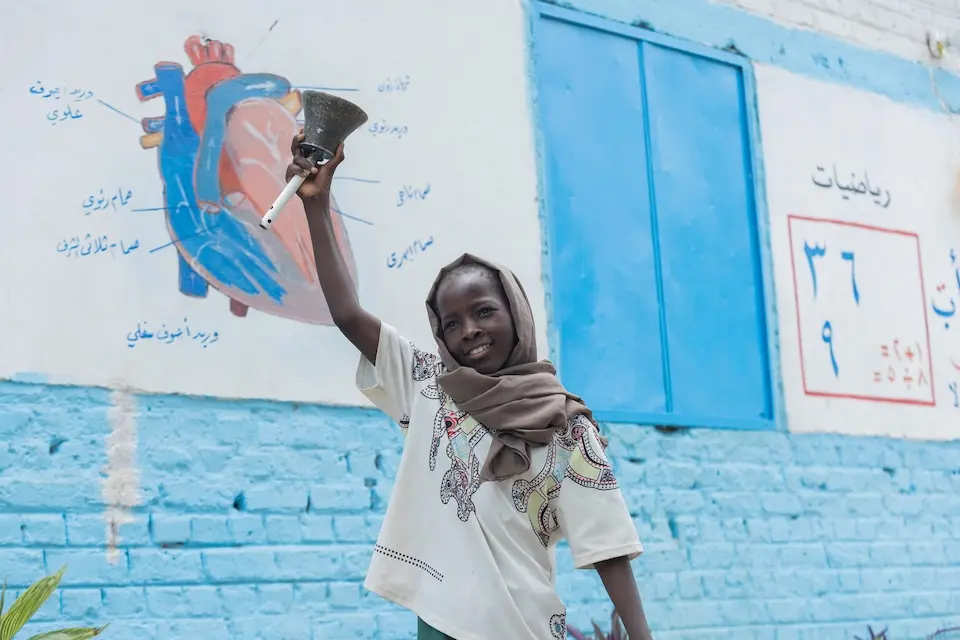
UNICEF at 80
World Children’s Day 2026 also happens to fall three weeks before UNICEF's 80th anniversary.
On Dec. 11, 1946, the United Nations International Child Emergency Fund was established to deliver humanitarian relief to children and mothers impacted by World War II. In 1953, UNICEF became a permanent part of the United Nations system, shortening its name to the United Nations Children's Fund while keeping the original acronym.
Over the many decades since, UNICEF has broadened its mission to encompass a wide range of humanitarian and development work while also expanding its global footprint to include over 190 countries and territories. Together with governments and other partners, UNICEF helped halve child mortality and reach hundreds of millions of children with vaccines, education and opportunity — progress that took political will, collective action and investment.
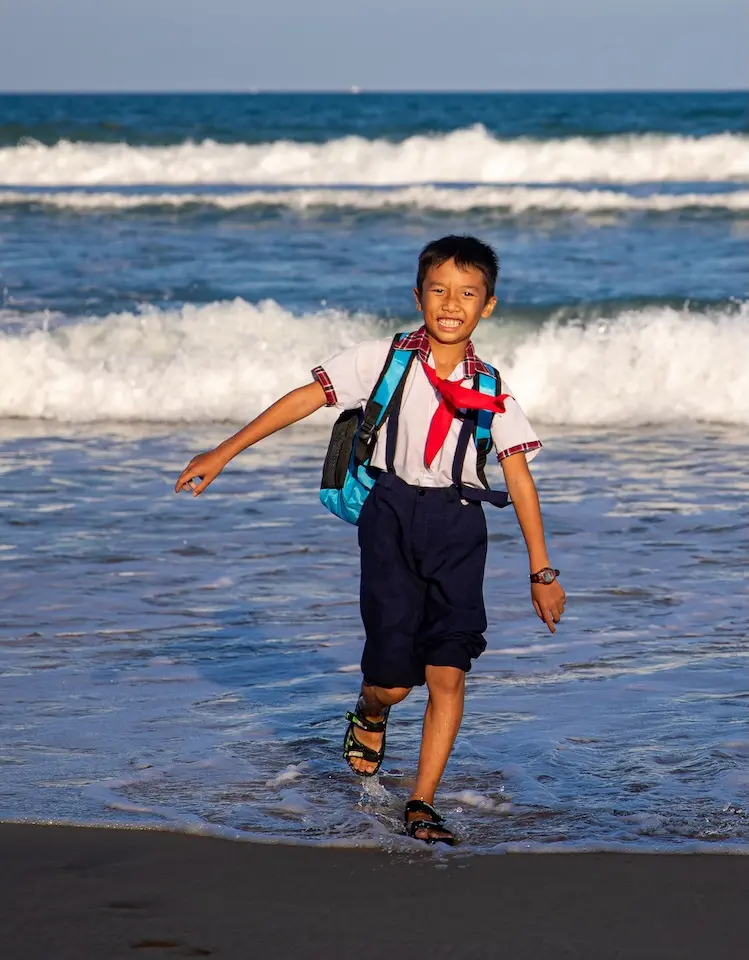
Now these hard-won gains are under threat: 1 in 6 children lives in conflict. Attacks on schools and hospitals are at record highs. More than 45 million children were forcibly displaced by conflict and violence in 2025 – nearly three times the number recorded in 2010.
Progress in child survival has slowed, with nearly 5 million children under 5 still dying each year, mostly from preventable causes. And children in rich and poor countries alike are facing threats the world could not have imagined 80 years ago: AI and algorithms without guardrails, a mental health crisis and climate hazards that strike the youngest hardest.
In the lead-up to its milestone anniversary moment, UNICEF is calling on supporters, partners and the wider international community to rally behind a shared commitment to choose a better future for children. The choice to put children first matters more than ever.
UNICEF's call to action for decision makers is to make visible and accountable choices for children. This includes advancing child-friendly changes in policies, laws and practices, strengthening mechanisms for children and young people to participate meaningfully in public decision-making processes and translating public commitments into concrete policy and investment decisions.
Read about how UNICEF USA's Community Alliance for Child Rights is working to improve the well-being of children in the United States
Parenting advice: Engaging kids on World Children's Day
UNICEF suggests some practical ways for parents and caregivers to engage children around World Children’s Day:
- Listen: Make time and space for family conversations to give children the opportunity to express their ideas without judgment. Ask questions such as, "What kind of future do you want?"
- Reflect: Take time to reflect on what your child is sharing. How can their ideas shape your family, your community or the wider world?
- Support and engage: Help your child pursue their dreams and visions by having supportive conversations or by organizing creative activities.
For more resources, check out UNICEF USA's Parenting Hub
Learn more about what UNICEF does and where UNICEF works
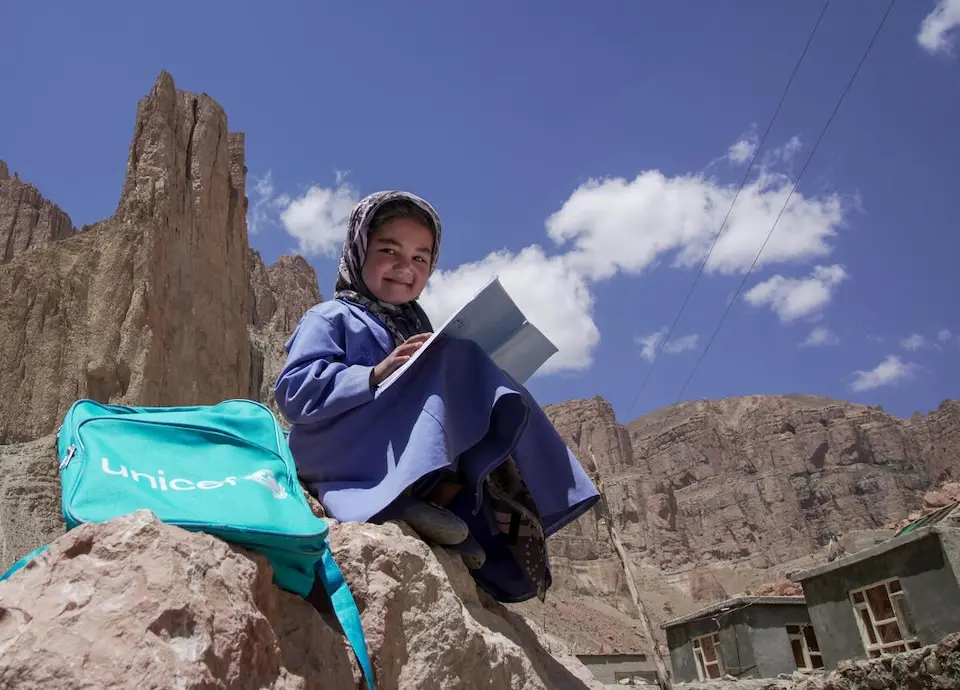
The story doesn't end here. Help change what happens next.
HOW TO HELP
There are many ways to make a difference
War, famine, poverty, natural disasters — threats to the world's children keep coming. But UNICEF won't stop working to keep children healthy and safe.
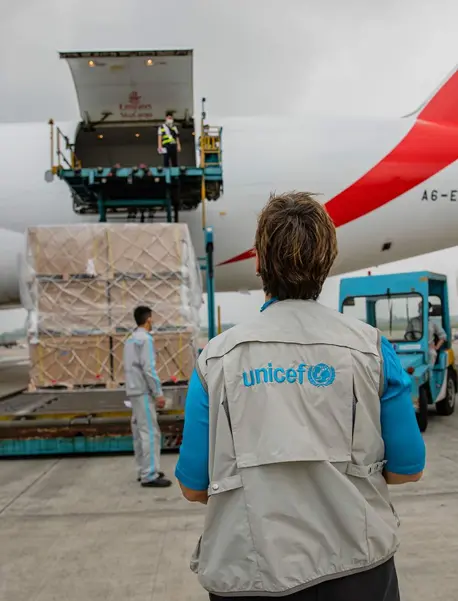
UNICEF works in over 190 countries and territories — more places than any other children's organization. UNICEF has the world's largest humanitarian warehouse and, when disaster strikes, can get supplies almost anywhere within 72 hours. Constantly innovating, always advocating for a better world for children, UNICEF works to ensure that every child can grow up healthy, educated, protected and respected.
Would you like to help give all children the opportunity to reach their full potential? There are many ways to get involved.