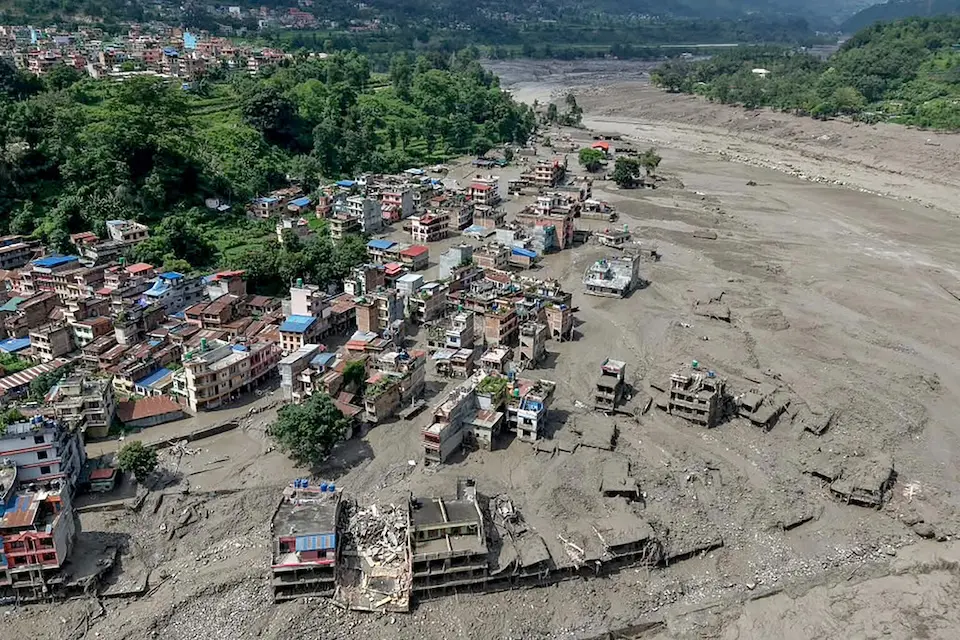
Deadly Flash Flooding Hits Nepal
Hundreds are missing and at least 160 dead after an avalanche triggered catastrophic flash flooding in northern Nepal.
Support UNICEF's lifesaving work for children
Families face devastating loss, displacement and uncertainty
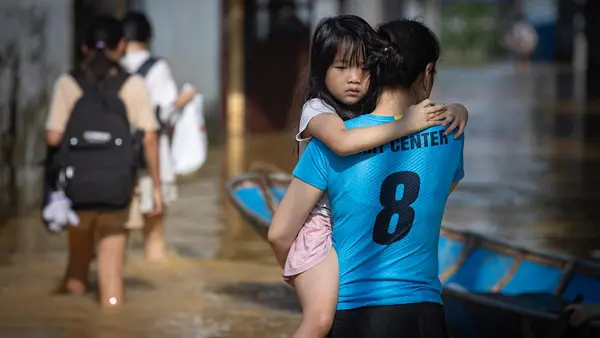
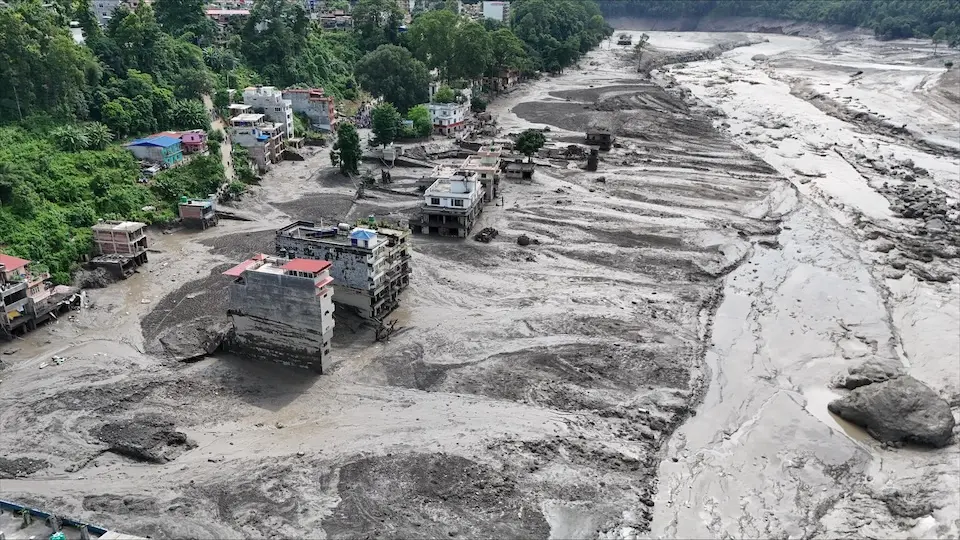
Massive flooding swept through north-central Nepal near the Tibetan border on Aug. 26, 2026, killing at least 160 people and leaving over 400 missing, including hundreds of foreign tourists, according to official reports. The Bhotekoshi River flooded around 9 a.m. local time, causing widespread damage to villages, roads and hydropower projects. Chinese state media reported three dead and more than 250 missing.
The flooding was reportedly triggered by an avalanche. Rasuwa and Nuwakot districts in Bagmati province were among the worst affected; residents in several districts have been warned to stay away from the banks of the Bhotekoshi, Trishuli and Narayani rivers.
"The recent floods in Rasuwa and other parts of Nepal have left families facing devastating loss, displacement and uncertainty," the UNICEF Nepal country office said in a statement posted on social media.
"For children, disasters can have far-reaching impacts — cutting them off from loved ones, familiar surroundings and essential services, leaving them frightened and unsure of what comes next," the statement continued. "Our concern is first and foremost for the children and families affected. UNICEF stands ready to support the Government and partners to ensure children’s safety, health and well-being as the response continues."
Learn more about UNICEF Flood Relief
More than 500 million children live in flood zones worldwide
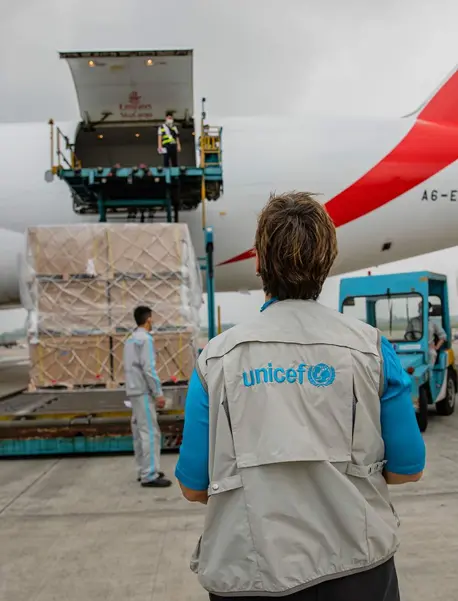
When severe flooding puts children and their families at risk, UNICEF works with partners to meet children's immediate needs, including the provision of safe drinking water, hygiene and sanitation kits, medical care, nutrition and safe spaces. UNICEF's supply and logistics operation, based in Copenhagen, can deliver emergency supplies anywhere in the world within 72 hours.
As a global leader in emergency humanitarian relief, UNICEF responded to 414 emergencies in 101 countries and territories in 2025 alone, working alongside partners across all sectors to protect children and adolescents from harm and safeguard their rights.
Related: What Does Natural Disaster Relief Look Like?
UNICEF has been working in Nepal since 1964, advocating for children's rights and helping to strengthen the systems and services they rely on. Recent UNICEF impact for children in Nepal includes delivery of ready-to-use therapeutic food for the treatment of malnourished children in Karnali province, and the establishment of a breast milk bank for newborns in Kathmandu.
Support UNICEF's lifesaving work for children
HOW TO HELP
There are many ways to make a difference
War, famine, poverty, natural disasters — threats to the world's children keep coming. But UNICEF won't stop working to keep children healthy and safe.
UNICEF works in over 190 countries and territories — more places than any other children's organization. UNICEF has the world's largest humanitarian warehouse and, when disaster strikes, can get supplies almost anywhere within 72 hours. Constantly innovating, always advocating for a better world for children, UNICEF works to ensure that every child can grow up healthy, educated, protected and respected.
Would you like to help give all children the opportunity to reach their full potential? There are many ways to get involved.