Children Are Dying as Famine Conditions Deepen in Gaza
The worst case scenario of famine is playing out in the Gaza Strip, where food and nutrition indicators have reached their most dire levels since the conflict began. Two out of the three famine thresholds have now been breached in parts of the territory.
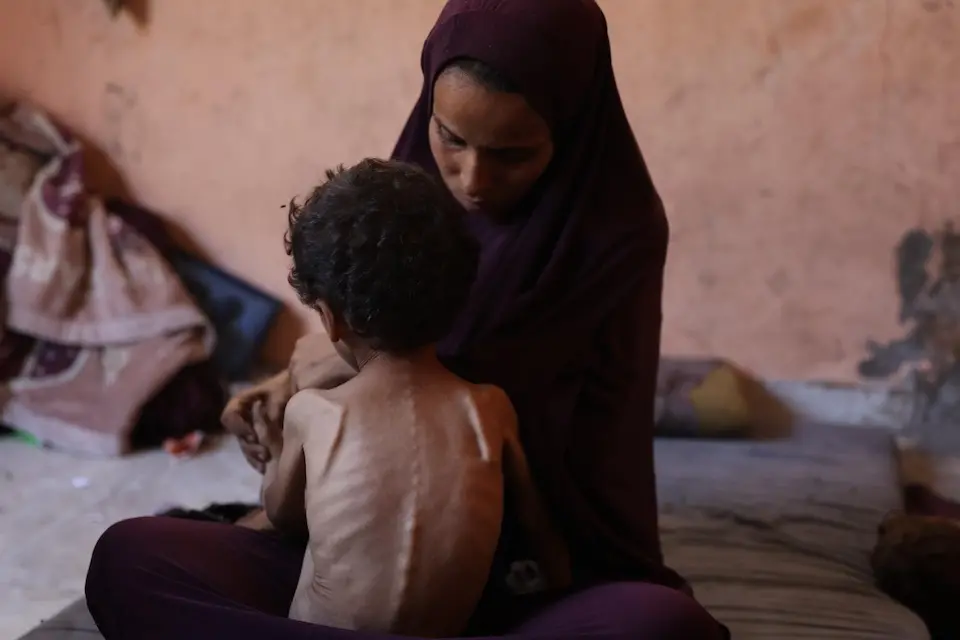
Thousands of children under 5 in Gaza are suffering from the deadliest form of malnutrition
Relentless conflict, the collapse of essential services and severe limitations on the delivery and distribution of humanitarian assistance have led to catastrophic food security conditions for hundreds of thousands of people across Gaza, according to data shared in the latest Integrated Food Security Phase Classification (IPC) Alert.
As of July 2025, more than 320,000 children — Gaza's entire under-5 population — are at risk of acute malnutrition, with thousands suffering from severe acute malnutrition, the deadliest form of undernutrition. Essential nutrition services have collapsed, with infants lacking access to safe water, breastmilk substitutes and therapeutic feeding.
In June, 6,500 children were admitted for treatment for malnutrition, the highest number since the conflict began. July is tracking even higher — 5,000 children were admitted in just the first two weeks. With fewer than 15 percent of essential nutrition treatment services currently functional, the risk of malnutrition-related deaths among infants and young children is higher than ever before.
Emaciated children and babies are dying from malnutrition in Gaza. We need immediate, safe and unhindered humanitarian access across Gaza to scale up the delivery of lifesaving food, nutrition, water and medicine. — UNICEF Executive Director Catherine Russell
Time is running out to mount a full-scale humanitarian response.
“Emaciated children and babies are dying from malnutrition in Gaza,” said UNICEF Executive Director Catherine Russell. “We need immediate, safe and unhindered humanitarian access across Gaza to scale up the delivery of lifesaving food, nutrition, water and medicine. Without that, mothers and fathers will continue to face a parent’s worst nightmare, powerless to save a starving child from a condition we are able to prevent.”
Related: Malnourished Children: How UNICEF Fights Child Hunger
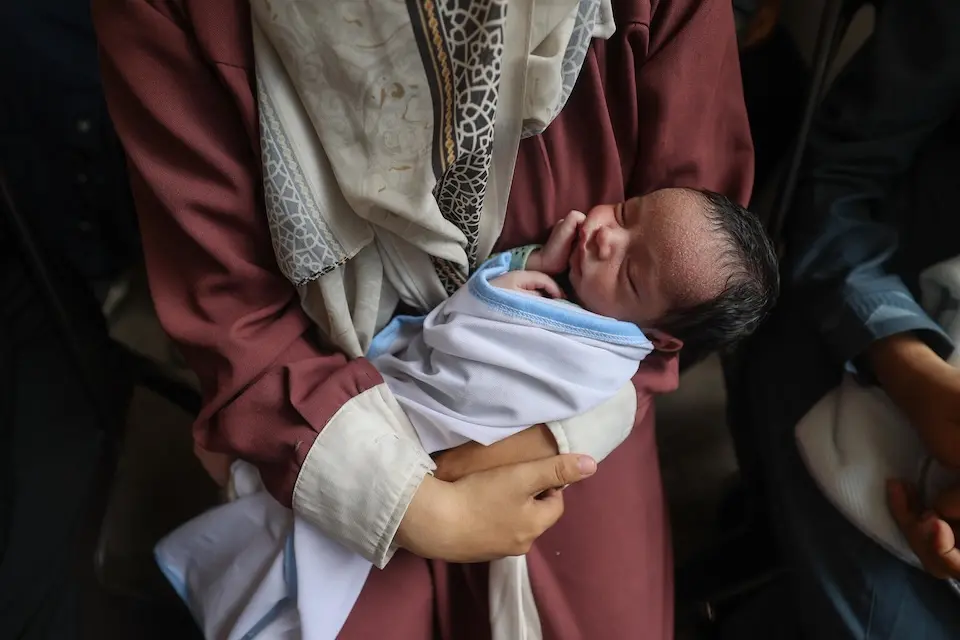
Food in Gaza is extremely scarce and unaffordable
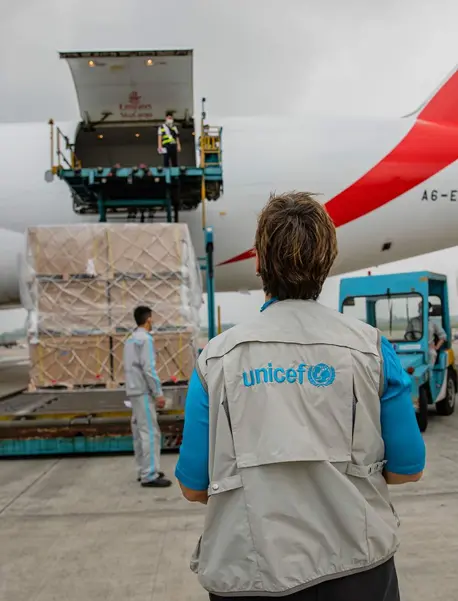
Before the war, approximately 500 supply trucks entered Gaza daily. Between May 19 and July 2, after almost 11 weeks of a complete aid blockade, Israel permitted an average of 30 UN trucks per day to offload aid at designated crossings. Despite a partial reopening of crossings, humanitarian aid presently entering Gaza is only a tiny fraction of what a population of over 2 million people needs.
Just to cover basic humanitarian food and nutrition assistance needs in Gaza, more than 62,000 tons of lifesaving aid is required every month. Restarting commercial food imports is also critical to provide dietary diversity with fresh fruits, vegetables, dairy products and proteins such as meat and fish.
Gaza is now on the brink of a full-scale famine. People are starving not because food is unavailable, but because access is blocked, local agrifood systems have collapsed and families can no longer sustain even the most basic livelihoods. — Qu Dongyu, Director-General, Food and Agricultural Organization of the United Nations
“Gaza is now on the brink of a full-scale famine. People are starving not because food is unavailable, but because access is blocked, local agrifood systems have collapsed and families can no longer sustain even the most basic livelihoods,” said Qu Dongyu, Director-General of the Food and Agricultural Organization of the United Nations (FAO). “We urgently need safe and sustained humanitarian access and immediate support to restore local food production and livelihoods — this is the only way to prevent further loss of life. The right to food is a basic human right.”
Related: Desperate Situation for Gaza's 1 Million Children
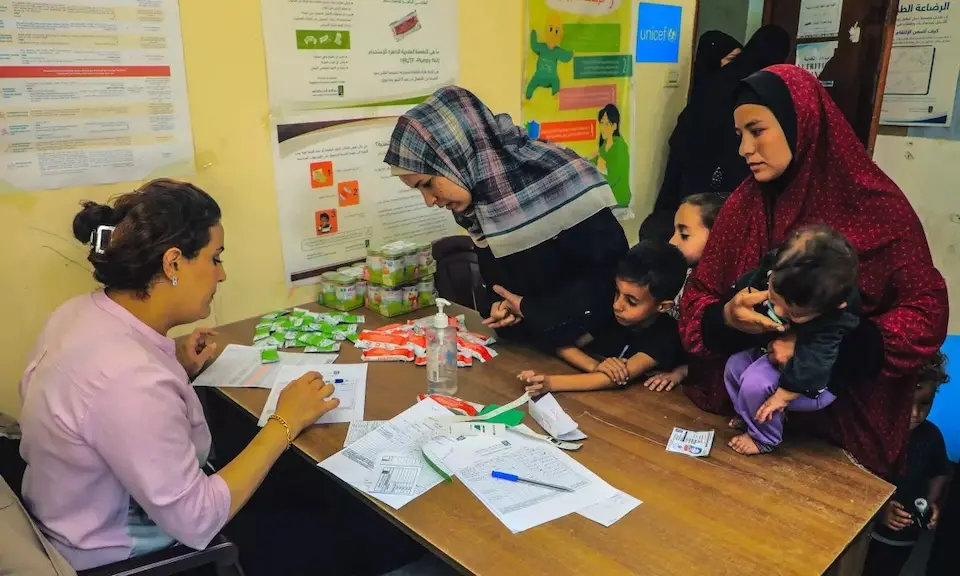
Two out of three core famine indicators have been reached
The latest IPC update shows that food consumption — the first core famine indicator — has plummeted in Gaza since the previous IPC Update in May 2025. Data shows that more than one in three people (39 percent) are now going days at a time without eating. More than 500,000 people — nearly a quarter of Gaza’s population — are enduring famine-like conditions, while the remaining population is facing emergency levels of hunger.
Acute malnutrition — the second core famine indicator — inside Gaza has risen at an unprecedented rate. In Gaza City, malnutrition levels among children under 5 have quadrupled in two months, reaching 16.5 percent. This signals a critical deterioration in nutritional status and a sharp rise in the risk of death from hunger and malnutrition.
Acute malnutrition and reports of starvation-related deaths — the third core famine indicator — are increasingly common but collecting robust data under current circumstances in Gaza remains very difficult as health systems, already decimated by nearly two years of conflict, are collapsing.
Learn more: UNICEF in the State of Palestine Escalation Humanitarian Situation Report No. 40
UNICEF continues to deliver vital nutrition services and supplies but stocks of therapeutic treatment for acute malnutrition are critically low
Evidence has shown that children with poor nutrition are more vulnerable to serious disease like acute diarrhea, while acute and prolonged diarrhea seriously exacerbates poor health and malnutrition in children, putting them at high risk of death. Taken together and left untreated, malnutrition and disease create a deadly cycle. In Gaza, 80 percent of all reported deaths by starvation are children.
With the support of donors like the European Union (ECHO), the Governments of France, the Netherlands and Japan, and flexible humanitarian funding, UNICEF continues to deliver vital nutrition services and supplies but its stocks for preventing malnutrition have run out and supplies for the therapeutic treatment of acute malnutrition are critically low.
Related: Gaza's Malnourished Children Can't Afford to Wait
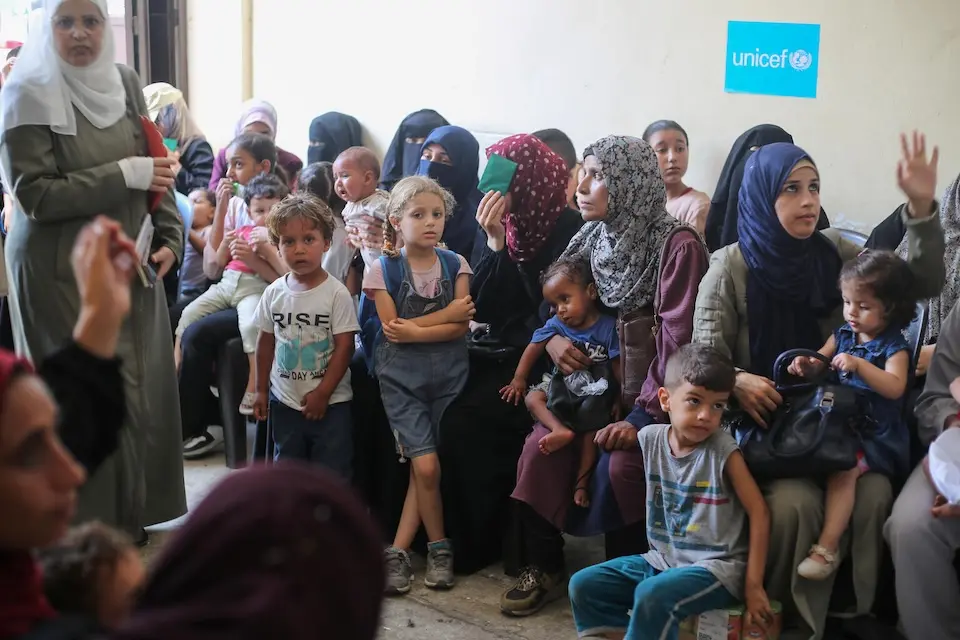
An urgent call for an immediate and sustained ceasefire and safe, unimpeded humanitarian access
UN agencies including UNICEF welcome recent new commitments to improve the operating conditions for humanitarian organizations, including the implementation of humanitarian pauses and designated humanitarian corridors, and hope these measures will allow for a surge in urgently needed food and nutrition assistance to reach hungry people without further delays.
UN agencies continue to call for an immediate and sustained ceasefire to stop the killing, allow for the safe release of hostages and further enable lifesaving humanitarian operations. Sustained, safe and unimpeded humanitarian access is urgently needed for the mass influx of assistance via all available crossings and the delivery of food, nutrition supplies, critical water, fuel and medical assistance to reach families in need wherever they are across Gaza.
UNICEF requires $463.8 million to meet urgent humanitarian needs in Gaza and the West Bank, but is only 35 percent funded, leaving a critical funding gap as conditions deteriorate. Help now.
HOW TO HELP
There are many ways to make a difference
War, famine, poverty, natural disasters — threats to the world's children keep coming. But UNICEF won't stop working to keep children healthy and safe.
UNICEF works in over 190 countries and territories — more places than any other children's organization. UNICEF has the world's largest humanitarian warehouse and, when disaster strikes, can get supplies almost anywhere within 72 hours. Constantly innovating, always advocating for a better world for children, UNICEF works to ensure that every child can grow up healthy, educated, protected and respected.
Would you like to help give all children the opportunity to reach their full potential? There are many ways to get involved.