As Cases Surge, U.S. on Track to Lose Measles-Free Status
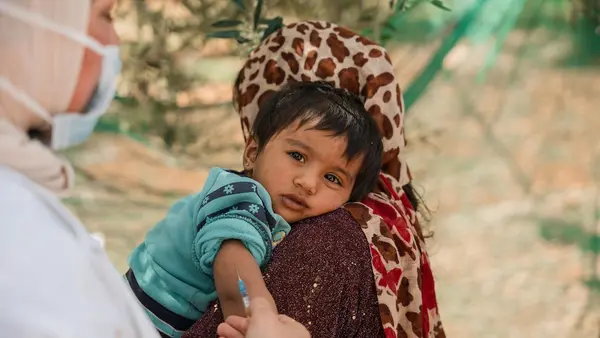
Twenty-six years after measles was officially eliminated in the U.S., sustained outbreaks signal a likely end to the country's measles-free status. Vaccination is the best way to protect children from measles and reduce transmission.
Measles is on the rise across the United States
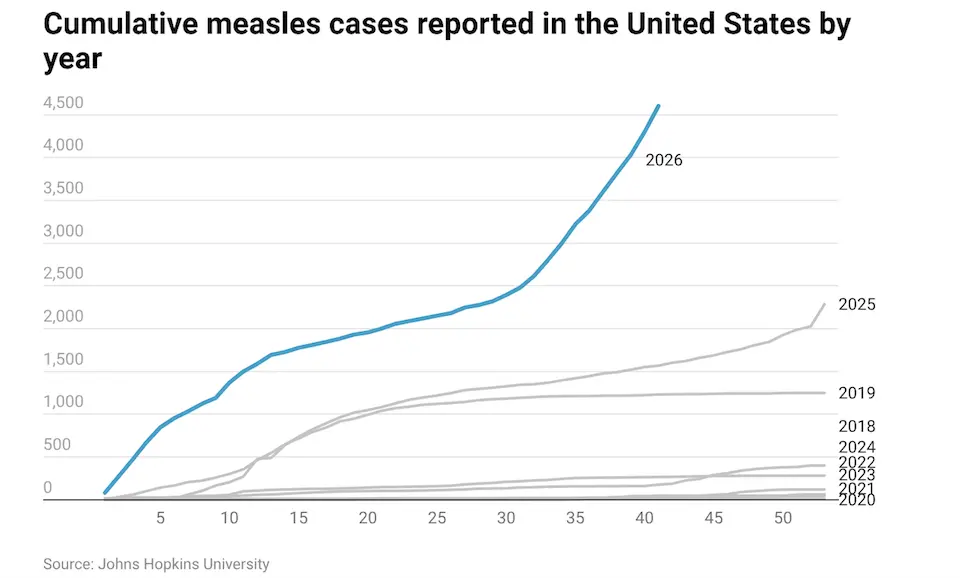
In 2025, there were 2,289 confirmed measles cases in the United States — more than any year since the disease was declared eliminated in this country in 2000. That figure looks modest compared to this year's: as of Oct. 15, 2026, Centers for Disease Control and Prevention (CDC) data shows 4,410 confirmed measles cases in 45 states and the District of Columbia.
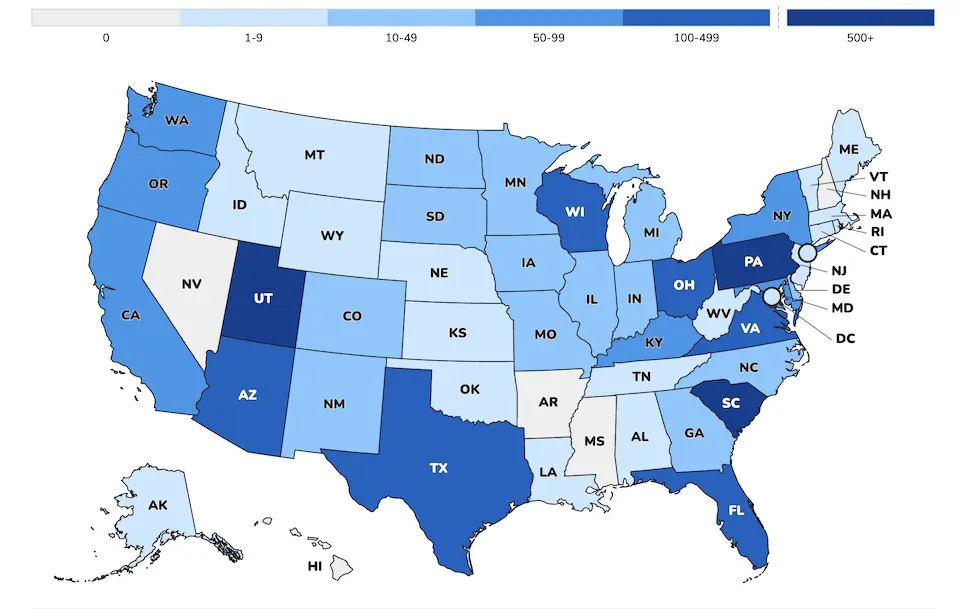
According to Johns Hopkins University's Bloomberg School of Public Health measles tracker, based on data from official state health department websites, U.S. figures for 2026 are trending even higher: 4,603 as of Oct. 16, with large outbreaks seen in Texas and South Carolina, from which other outbreaks have spread. Pennsylvania is experiencing a massive, active measles outbreak; state officials have recorded more than 1,200 cases and over 240 hospitalizations in 42 counties so far this year.
In September, Pennsylvania requested emergency support from the CDC; the state's fifth measles death was confirmed on Sept. 30. Neighboring states are on high alert. In response to the growing number of measles cases in rural New York, Governor Kathy Hochul issued an executive order declaring a State Disaster Emergency on Oct. 5. "No one should get seriously ill or die from a vaccine-preventable disease," Hochul said. "That is why I have taken steps to increase the number of health professionals who can vaccinate and test. These emergency measures will protect New Yorkers and support our community partners as they work tirelessly to address the spread of this disease."
Measles can be deadly; children under 5 are particularly vulnerable
Over the past five years, measles outbreaks have hit more than 100 countries, home to roughly three-quarters of the world's children. The highly contagious measles virus infects the respiratory tract; initial flu-like symptoms include a high fever, cough, runny nose and a rash that typically starts on the face and neck before spreading all over the body. Anyone can be infected but young children are particularly vulnerable. Worldwide, an estimated 95,000 people died from measles in 2024 — mostly children under age 5.
Apart from its direct effect on the body, measles can also weaken the immune system by "deleting" its memory of how to fight infections, making a child more vulnerable to other infectious diseases like pneumonia and diarrhea for weeks and even months after the measles infection itself.
Measles elimination is a public health milestone, a cause for celebration, but it's also reversible. Elimination status is achieved when a country goes 12 months without continuous transmission of the measles virus. In November 2025, the Pan American Health Organization (PAHO), the World Health Organization's (WHO) regional office for the Americas, revoked Canada's official measles-free status following a major outbreak — 25 years after Canada had successfully eliminated the virus.
When PAHO meets again in November 2026, the U.S. and Mexico are widely expected to lose their elimination status as well.
Learn more about measles outbreaks and their impact on children
The measles vaccine is safe and effective. High immunization rates are required to protect children and interrupt transmission
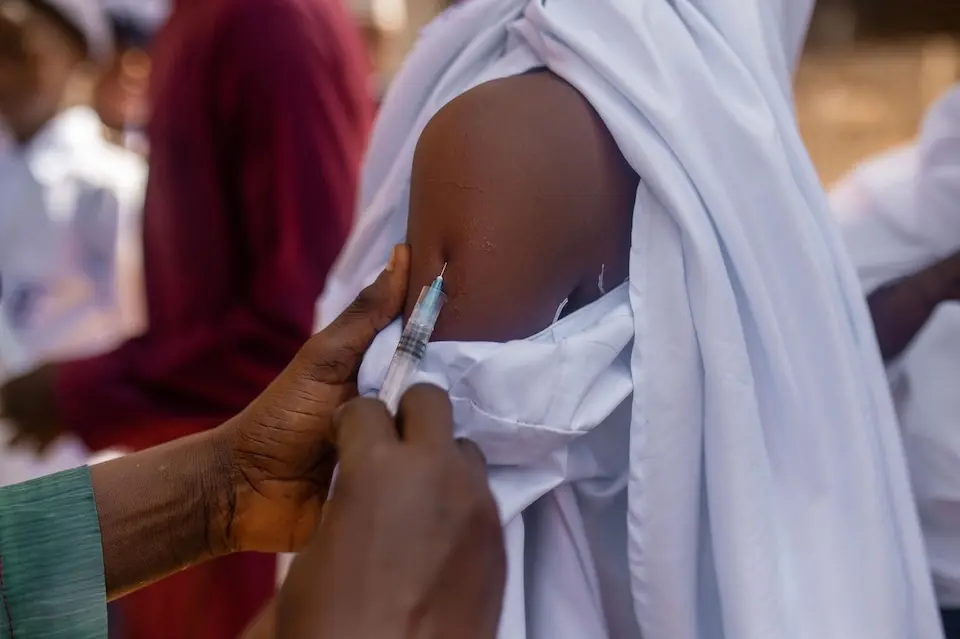
The best way to protect children against measles and stop the spread is through vaccination. Between 2000 and 2024, measles vaccination averted nearly 59 million deaths worldwide. High population immunity is required to interrupt transmission — at least 95 percent vaccination coverage with two doses of measles-containing vaccine (MCV).
A safe and effective measles vaccine has been in use since 1963, but immunization rates have fallen in recent years. During the COVID-19 pandemic, health care services were interrupted and estimated global coverage with the first dose of MCV declined. Vaccine hesitancy, vaccine misinformation, foreign aid funding cuts and the disruption of health systems in countries affected by conflict and crisis have also played a role in declining vaccination rates. In 2025, just 77 percent of the world's children received both doses of the measles vaccine; about 84 percent received one dose by their first birthday.
According to the CDC, the measles, mumps and rubella (MMR) vaccination rate among kindergarteners in the U.S. has decreased from 95.2 percent during the 2019-2020 school year to 92.4 percent during the 2025-2026 school year, leaving approximately 280,000 kindergarteners at risk.
Learn more about Why Vaccines Matter for Children
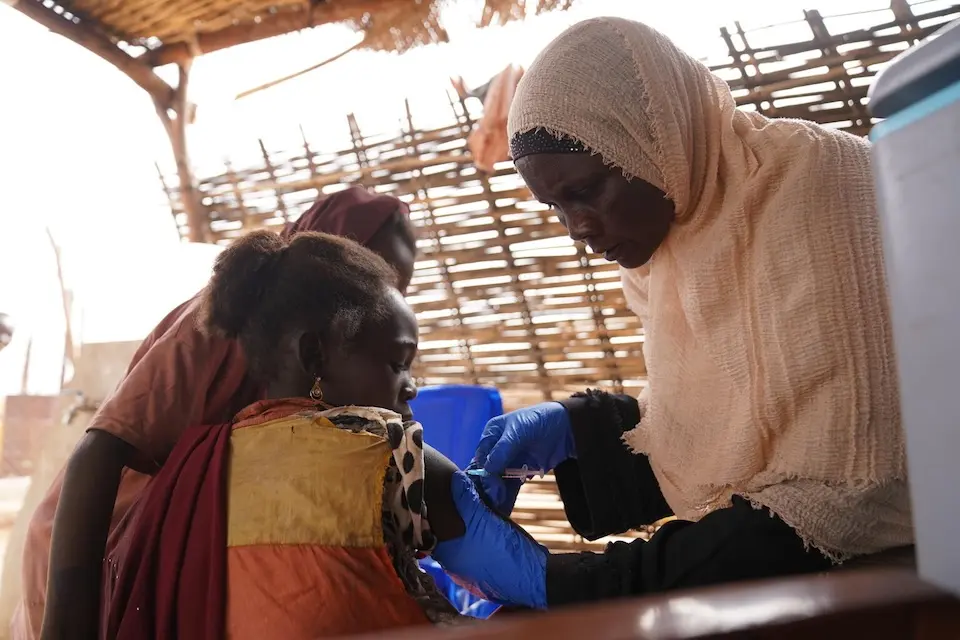
Vaccines save lives. UNICEF leads vaccination efforts on a global scale
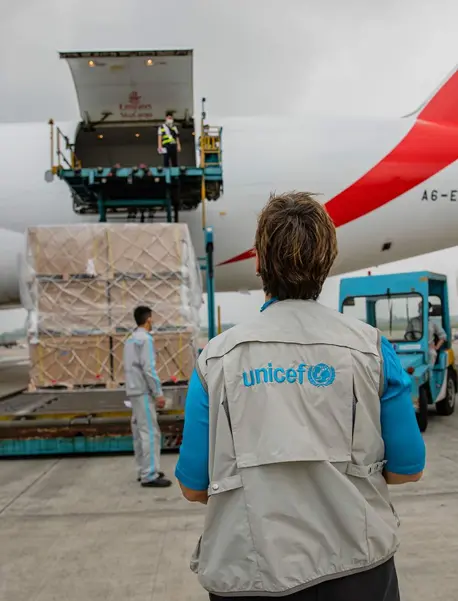
UNICEF knows what it takes to protect children from deadly diseases and to stop outbreaks. As the world's largest single vaccine buyer, UNICEF procures and distributes more than 2 billion doses annually for routine immunization campaigns and outbreak response — enough to vaccinate nearly half of the world's children under 5. UNICEF also works worldwide to educate parents about the importance of vaccines, answering frequently asked questions and countering misinformation and disinformation.
In Sudan, where civil war has raged since 2023, measles vaccine coverage fell to just 46 percent. In collaboration with health authorities and partners, UNICEF facilitated the delivery of millions of doses of measles-rubella vaccine earlier this year, launching an immunization catch-up campaign in the Darfur states targeting 6 million children.
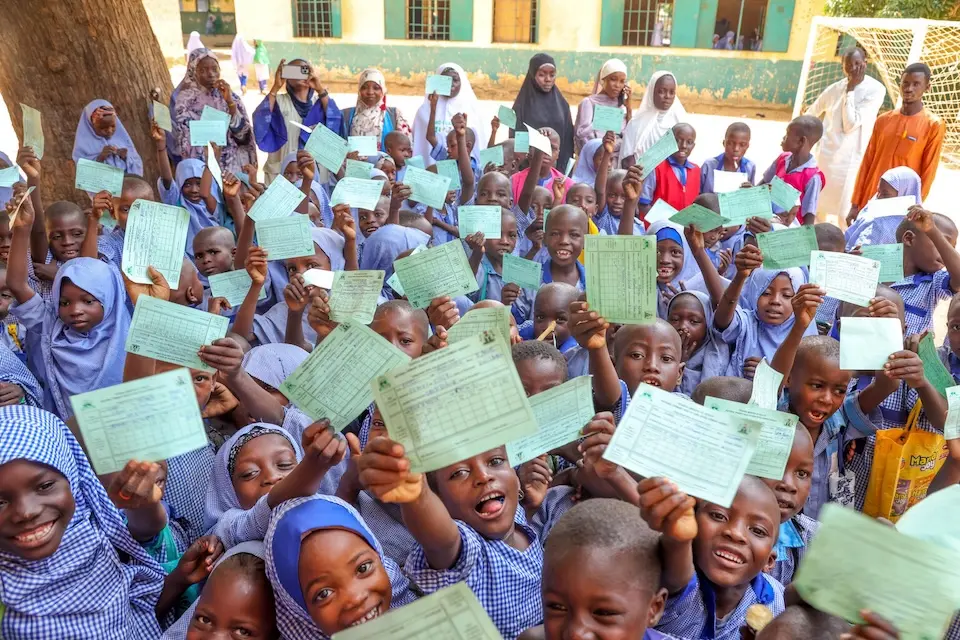
More funding is needed to reach every child with lifesaving vaccines
The Big Catch-Up, a historic multi-year, multi-country effort to address vaccination declines driven largely by the COVID-19 pandemic, has reached an estimated 18.3 million children between the ages of 1 and 5 across 36 countries with more than 100 million doses of lifesaving vaccines, helping to narrow critical immunity gaps. Of the 18.3 million children reached between 2023 and 2025, an estimated 12.3 million were “zero-dose children” who had not yet received a vaccine; 15 million had never received a measles vaccine.
But many infants still miss out on lifesaving vaccines through routine immunization every year. More funding is needed to reach every child.
"Vaccinations save lives,” UNICEF Executive Director Catherine Russell said in April 2026 during World Immunization Week. “This initiative shows what's possible when countries have the resources, tools and political will to reach children with lifesaving vaccines. We've caught up with some of the children who missed routine vaccinations during the pandemic — but many more remain out of reach. The gains made through the Big Catch-Up must be sustained through investment in strong, reliable immunization systems, especially at a time where measles is resurging."
Your contribution to UNICEF is more important than ever.Please Donate
Learn how UNICEF strengthens routine immunization programs worldwide
HOW TO HELP
There are many ways to make a difference
War, famine, poverty, natural disasters — threats to the world's children keep coming. But UNICEF won't stop working to keep children healthy and safe.
UNICEF works in over 190 countries and territories — more places than any other children's organization. UNICEF has the world's largest humanitarian warehouse and, when disaster strikes, can get supplies almost anywhere within 72 hours. Constantly innovating, always advocating for a better world for children, UNICEF works to ensure that every child can grow up healthy, educated, protected and respected.
Would you like to help give all children the opportunity to reach their full potential? There are many ways to get involved.