5 Ways to Help Fight Racism and Social Prejudice
Highlights
Intolerance and hate are on the rise globally. What you can do to combat it:
- celebrate other cultures
- call out hate speech in jokes, news, social media
- teach kids kindness, and discuss differences early
- intervene safely to support victims
- support human rights groups like UNICEF
Intolerance and hate crimes are on the rise in the U.S. and beyond. Here are five ways to fight racism, challenge social prejudice and help stop discrimination. The time to start taking action is now.
Global rise of intolerance and hate
The Pulitzer Prize-winning restaurant critic Jonathan Gold, best known for extolling the virtues of nomadic taco trucks and under-the-radar noodle shops in his native Los Angeles, once said that he wrote "to try to get people less afraid of their neighbors."
As horrifying scenes of the Oct. 7, 2023 attack on Israel and the years of relentless bombing of the Gaza Strip that followed continue to dominate the news, incidents of antisemitism, Islamophobia and anti-Arab racism have surged in the U.S., leaving parents across the country struggling to calm their children's fears and answer their questions — and to remind them that every person, everywhere, has the right to feel safe and respected.
Hate crimes start with hate speech, which often thrives in times of crisis. In the early days of the COVID-19 pandemic, Jonathan Mok, a college student from Singapore, reported being punched and kicked on the street in London. His attackers, he told the BBC, shouted, "We don't want your coronavirus in our country." Mok posted photos of his injured face on social media, writing, "Racism is not stupidity — racism is hate. Racists constantly find excuses to expound their hatred."
Racism is not stupidity — racism is hate. Racists constantly find excuses to expound their hatred.
A special report published in 2022 by the U.S. Department of Justice noted that in 2020, the first year of the pandemic, hate crimes rose to their highest level in 12 years, with a spike in crimes and incidents against Asian American, Native Hawaiian and Pacific Islander (AAPI) communities. In 2021, Black Lives Matter, the global racial justice movement, was nominated for the Nobel Peace Prize for its struggle against racism and racially motivated violence.
"BLM's call for systemic change has spread around the world, forcing other countries to grapple with racism within their own societies," Norwegian MP Petter Eide wrote in his nominating statement. Meanwhile, migrants and refugees — some literally running for their lives — continue to be met with suspicion and hostility.
Gold saw food as one way to bridge the divide between people from different ethnic backgrounds. Learning about other cultures emphasizes the fact that we are all people and sends the message that racism and xenophobia will not be tolerated in a civil society. It is our job, as people, as parents, as citizens of the world, to stop racism and discrimination and combat hate wherever we can.
Here are five ways:
1. Celebrate other cultures
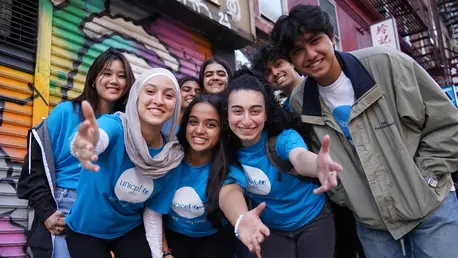
Show your support for diverse ethnic groups in your community by attending, promoting or helping fund events run by local organizations and houses of worship that bring people together: festivals, film series, guest lectures, language classes and celebrations. Bring your children.
Recognize cultural diversity and inclusion by supporting local businesses run by immigrants, including restaurants and grocery stores. Try foods and recipes from a range of culinary traditions. Watch films from other countries with your kids and read them stories that celebrate diversity.
2. Call out bigotry and hate speech
Stigmatization is cruel and unproductive. There has been a disturbing increase in hate speech among Americans and Europeans in recent years, often blaming immigrant and minority groups for the difficulties of their own countries. If you overhear someone tell a racist joke, speak up and let them know stereotyping isn't harmless. Let your children know they should feel free to do the same. There's nothing funny about using "humor" to normalize dangerous ideas and perpetuate ugly stereotypes.
If you see something in news reports or on social media that reflects prejudice, write a letter to the editor or leave a comment to let others know that intolerant remarks are unkind and uncalled for. Speaking up is one mindful way to stop the hate from spreading and help fight racism and discrimination in everyday life.
3. Teach children kindness and how to talk about differences
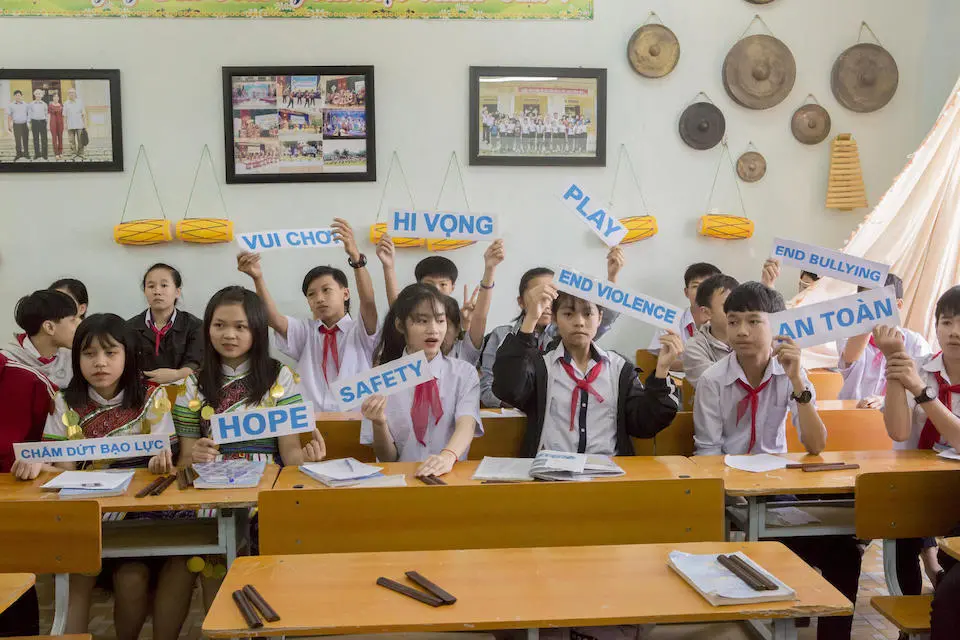
Prejudice and hate are not innate. They are learned behaviors — and they can be unlearned. Children absorb biases from the adults around them, and from the media, books and their peers. So set a good example. The process of countering negatives with positives begins at an early age. Talking about differences does not increase prejudice in children.
Helping children understand racism vs. discrimination, and how to recognize stereotypes can help prevent bias from taking root. Having the space to ask honest questions about discrimination helps children process what they see and experience, while giving adults an opportunity to guide the conversation with care. Adults can also support children by naming racism for what it is, validating their experiences and helping them understand how to stand up for themselves and others.
4. Act in solidarity — and intervene if it's safe to do so
When the public stands in solidarity with immigrants and marginalized groups, bullies lose their power. If you see someone being harassed or physically attacked, it is important to help if you can do so safely. Make your presence as a witness known. Make eye contact with the person being attacked and ask if they want support. Don't escalate the situation.
Verbal and physical abuse is wrong and should not be tolerated. This bystander intervention toolkit offers more do's and don'ts.
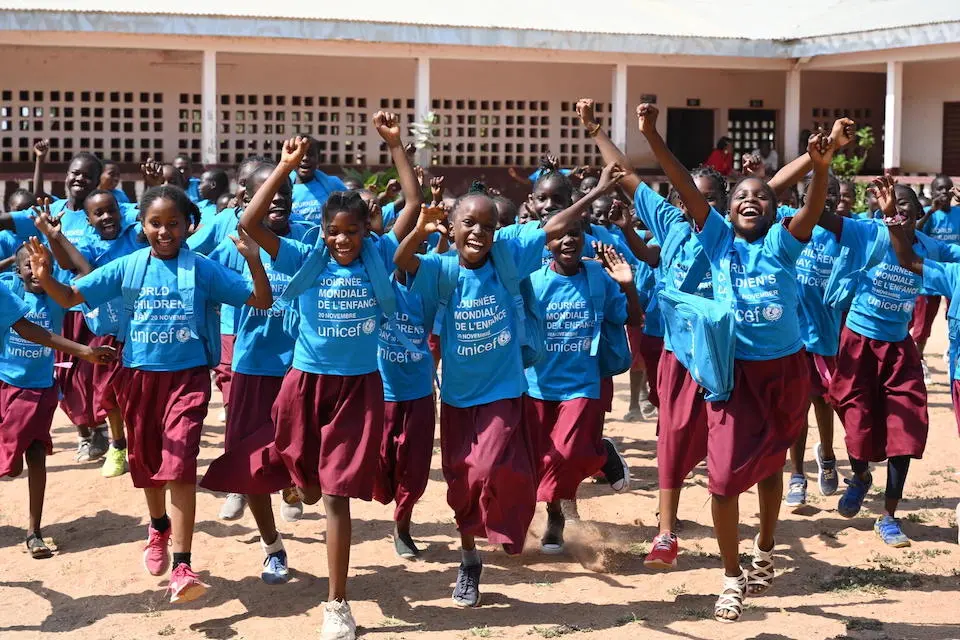
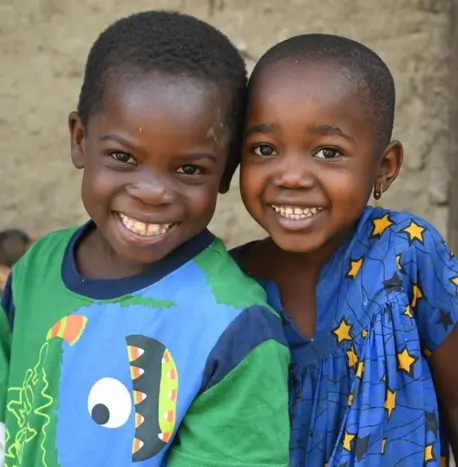
Children celebrate November 20, World Children's Day — UNICEF's annual day of action marking the adoption of the Convention on the Rights of the Child, the most widely ratified human rights treaty in history — at EPI Ecole les Champions in Garoua, in the North Region of Cameroon. © UNICEF/UN0734184/Dejongh
5. Support human rights organizations like UNICEF
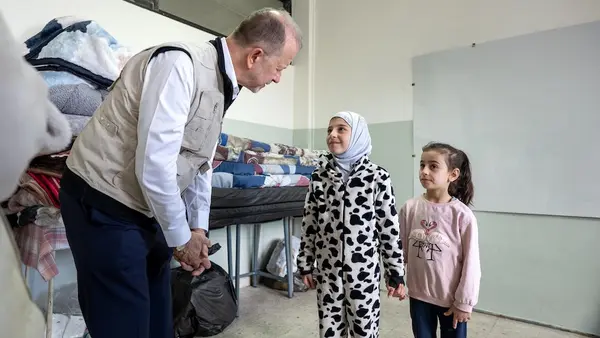
UNICEF has highlighted and advocated tirelessly for children's rights around the globe for more than 75 years and knows that children need to be seen as children, first and foremost. It's more important than ever that we all remain in solidarity with one another. Human rights are a collective promise made by all countries of the world, including those in distress. Children from all ethnic backgrounds — especially children who have been uprooted by violence, war and poverty — need our support, wherever they are. Every child deserves to be treated with humanity, and to grow up in a safe and healthy environment.
There is no single solution to discrimination or racism, but supporting children’s rights, inclusive education and humanitarian action can help create safer communities for every child.
Support UNICEF's work to save and protect children around the world
FAQs about racism and discrimination
What are some ways I can help stop discrimination?
Some ways to help stop discrimination include talking openly about differences, reading stories from diverse perspectives and helping children recognize social prejudice early. Calling out harmful stereotypes can also help create safer, more inclusive communities.
What are solutions to discrimination?
There is no single solution to discrimination. Meaningful change takes education, advocacy, fair policies and community support for people affected by different forms of discrimination, including racism, xenophobia and religious intolerance.
How can communities help end racism?
Communities can help end racism by challenging racist ideas and behavior, supporting inclusive education and standing with people targeted because of their race, ethnicity or identity. Ending racism requires sustained action from individuals, schools, institutions and governments.
What is an effective way to combat stereotypes?
One effective way to combat stereotypes is to build understanding through real stories, relationships and education. Learning about different cultures, listening to people’s experiences and speaking up when stereotypes appear can help reduce prejudice over time.
HOW TO HELP
There are many ways to make a difference
War, famine, poverty, natural disasters — threats to the world's children keep coming. But UNICEF won't stop working to keep children healthy and safe.
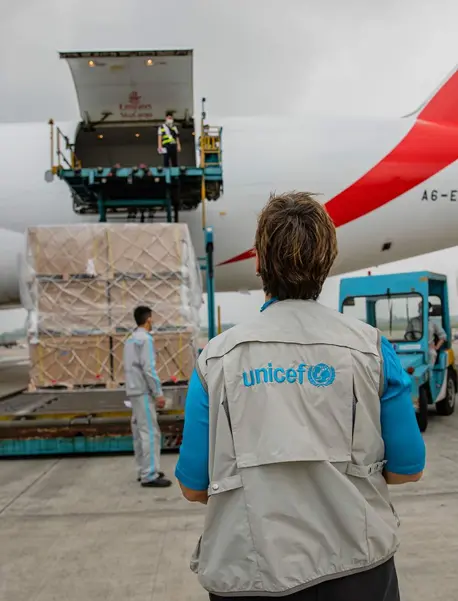
UNICEF works in over 190 countries and territories — more places than any other children's organization. UNICEF has the world's largest humanitarian warehouse and, when disaster strikes, can get supplies almost anywhere within 72 hours. Constantly innovating, always advocating for a better world for children, UNICEF works to ensure that every child can grow up healthy, educated, protected and respected.
Would you like to help give all children the opportunity to reach their full potential? There are many ways to get involved.