More Than 64,000 Children Killed or Injured in Gaza Since October 2023
Highlights
- Violence continues to put children in Gaza at extreme risk despite ceasefire agreements. More than 64,000 children have been reported killed or injured since October 2023, including 300 children reported killed in 300 days after the October 2025 ceasefire was announced.
- Children also face displacement, malnutrition and loss of essential services.
- UNICEF continues to reach families with critical support while also calling for the protection of children and safe humanitarian access.
Children in Gaza have endured relentless violence, displacement, hunger and the collapse of essential services and systems. Despite a nominal ceasefire agreement, children continue to be killed and injured daily. UNICEF is calling for urgent action to protect children in Gaza.
How many children have been killed in Gaza?
Since the war in Gaza began in October 2023, ceasefires have repeatedly been declared — and broken. But one thing has remained constant: attacks on children.
More than 64,000 children were killed or injured in Gaza between Oct. 7, 2023 and Oct. 7, 2025, according to the UN.
A ceasefire was announced on Oct. 10, 2025. But the killing didn't stop. At least 300 children were reportedly killed in Gaza over the following 300 days.
"A ceasefire that leaves an average of one child dead each and every day is failing children," UNICEF Regional Director for the Middle East and North Africa Edouard Beigbeder said on Aug. 6, 2026. "With hundreds more children injured, many severely, children in Gaza are still waiting for the end to the violence they were promised."
Watch the video: Why Are Children Still Dying in Gaza?
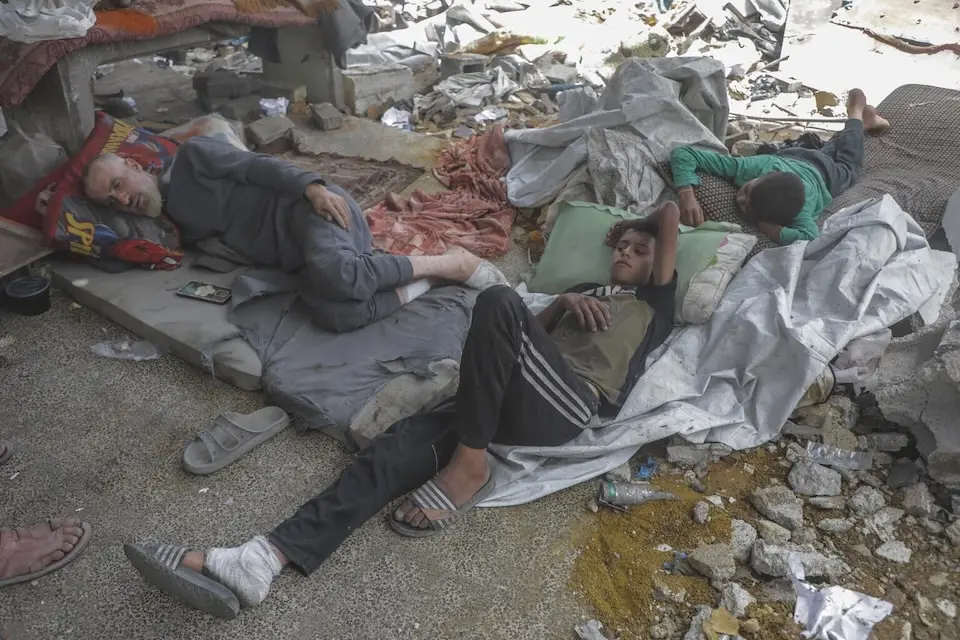
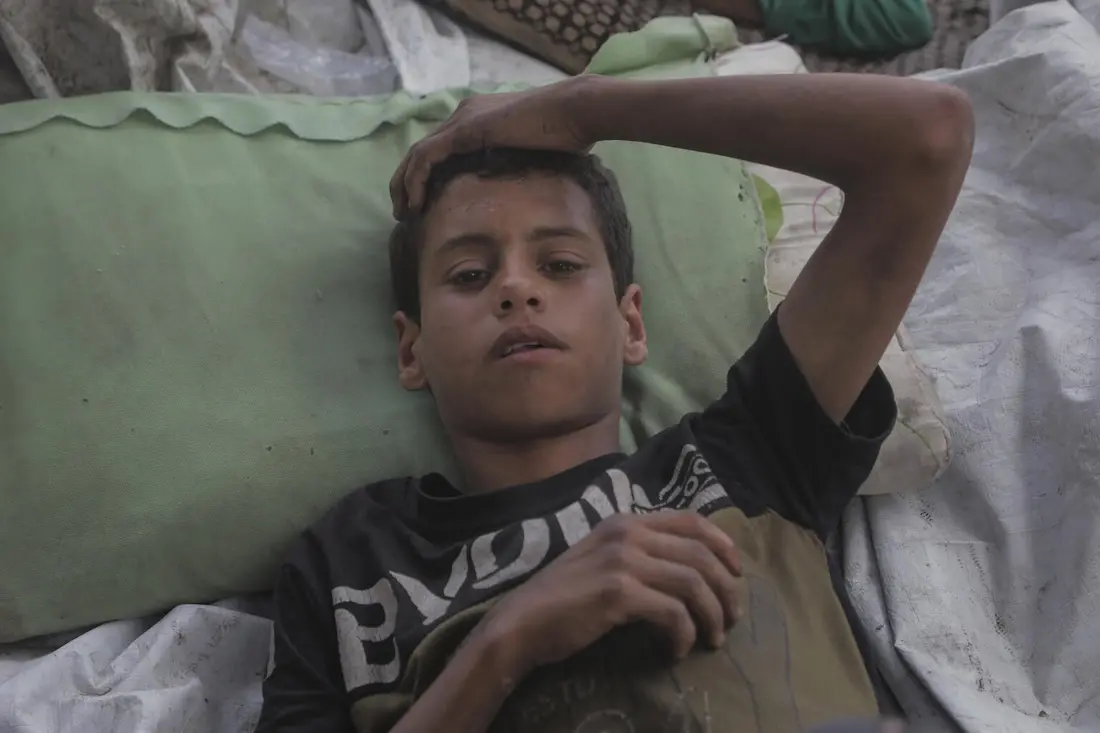
At a hospital in Gaza City in May 2026, UNICEF Communications Coordinator Salim Oweis sat at the bedside of 3-year-old Jamalat as she lay recovering from the loss of her foot after being hit by an air strike that also injured her mother.
"I was talking to the family and the question remains: Why? Why would children still suffer?" Oweis said. "Especially since there is a ceasefire."
No end to attacks
Ceasefires should bring an end to attacks that kill and injure people living in a war zone. But in Gaza that has not been the case.
The first ceasefire lasting more than one week was declared on Jan. 19, 2025, only to end on March 18, 2025. That day, more than 130 children were killed.
By the end of May 2025, less than two months later, the total number of children reportedly killed and injured since October 2023 had climbed to 50,000.
Nearly seven months of fighting followed. But when a ceasefire was again declared on Oct. 10, 2025, families and children dared to hope.
Maisara, 13, who had been forced to flee her home like so many others, allowed herself to imagine peace:
"I felt happy the moment I heard the news about the ceasefire. Finally, I will return to my city in the north, because like all children, we are tired of war. We want to live our childhood again. What makes me even happier is that we will no longer suffer from hunger."
Gaza ceasefire a 'cruel and deadly illusion'
But there has been no end to the violence.
Calling the current ceasefire a "cruel and deadly illusion," UNICEF spokesperson James Elder lamented the deaths of hundreds more children in a June 19, 2026 statement.
"Let us be clear about what this means," Elder said. "These children were not killed in a war zone. They were killed in their homes. In their schools. Playing football. Fishing."
UNICEF stays to deliver for children in Gaza
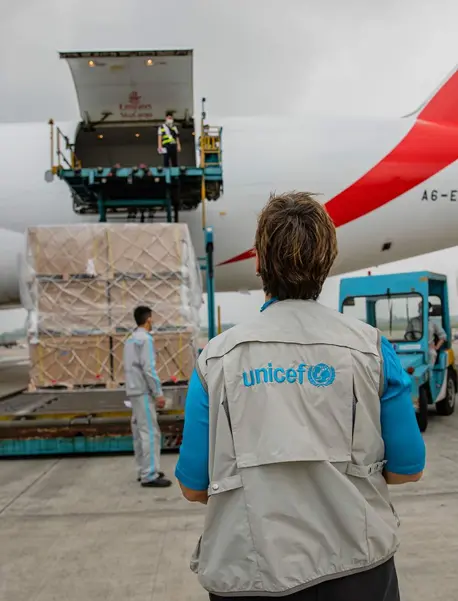
Despite extremely challenging circumstances, UNICEF staff are on the ground in the Gaza Strip, delivering supplies and essential services where they are most needed.
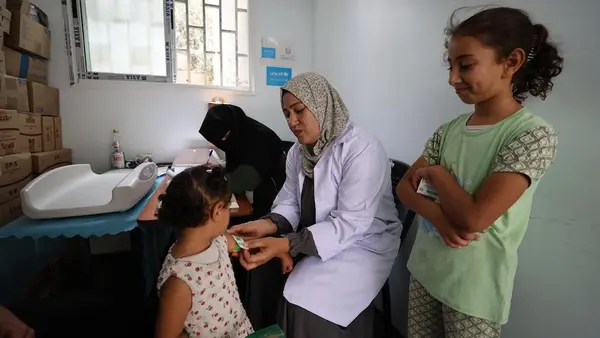
UNICEF's response includes screening and treating children for malnutrition and distributing multipurpose cash assistance to help families purchase food and medicines, when they are available in the market.
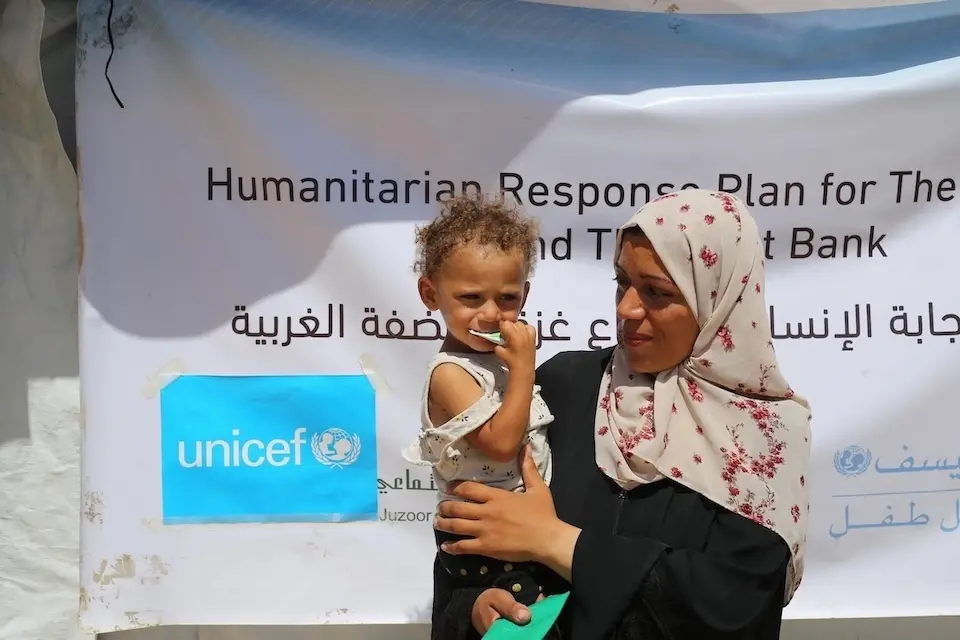
UNICEF is also supporting critical water, sanitation and hygiene services, including the delivery of safe drinking water to 1.5 million people amid high risks of waterborne diseases due to damaged water and sanitation systems and overcrowding in displacement camps. Children are attending UNICEF-supported temporary learning spaces and are being vaccinated against measles, polio and diphtheria.
Nutrition support remains critical for children and families. While food security has improved since famine was confirmed in Gaza in August 2025, the gains are fragile and uneven, conditions remain severe and children continue to face a high risk of malnutrition.
Learn more about UNICEF emergency response in Gaza
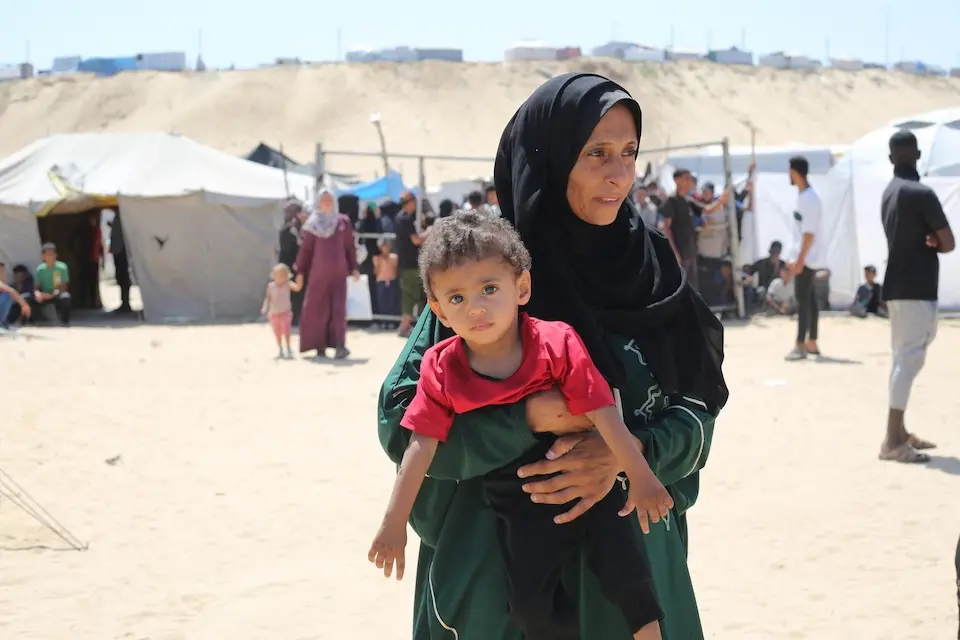
Your contribution will help UNICEF deliver critical aid to Palestinian children
Every child has the right to a safe and healthy childhood. UNICEF calls on all parties to uphold the ceasefire, protect all children and civilians and allow safe and sustained humanitarian access so aid workers can deliver at scale the critical support that children and families in Gaza so desperately need.
Help UNICEF reach more children caught in conflicts around the world. Please Donate
Frequently asked questions about how many children have been injured or killed in Gaza
How many children have died in Gaza?
At least 20,179 children were killed and 44,143 children injured as a direct result of the hostilities in Gaza between Oct. 7, 2023 and Oct. 7, 2025, according to a UN commission report released June 23, 2026. The current total is certainly higher. Thousands of children are feared to be buried under rubble. In the 300 days after the ceasefire was announced 300 more children were killed — one child every day with still hundreds more, injured, according to UNICEF.
Why are children in Gaza at high risk of malnutrition?
Many families cannot consistently access enough nutritious food, while displacement and damaged health, water and sanitation systems make it harder for children to receive the care they need. These conditions leave children at continued risk of acute malnutrition and illness.
How is the crisis affecting children in Gaza beyond deaths and injuries?
Children continue to face displacement, malnutrition, trauma and severely disrupted access to safe water, health care, education and protection services. UNICEF reports that damage to essential infrastructure and overcrowded living conditions continue to expose children to serious health and safety risks.
How is UNICEF supporting children and families in Gaza?
UNICEF continues to screen and treat children in Gaza for malnutrition, provide safe drinking water, support vaccinations and temporary learning spaces and distribute cash assistance to help families purchase food and medicine when available. For additional questions and information visit our hub describing UNICEF's work in the Gaza Strip.
HOW TO HELP
There are many ways to make a difference
War, famine, poverty, natural disasters — threats to the world's children keep coming. But UNICEF won't stop working to keep children healthy and safe.
UNICEF works in over 190 countries and territories — more places than any other children's organization. UNICEF has the world's largest humanitarian warehouse and, when disaster strikes, can get supplies almost anywhere within 72 hours. Constantly innovating, always advocating for a better world for children, UNICEF works to ensure that every child can grow up healthy, educated, protected and respected.
Would you like to help give all children the opportunity to reach their full potential? There are many ways to get involved.