Help Children in Namibia
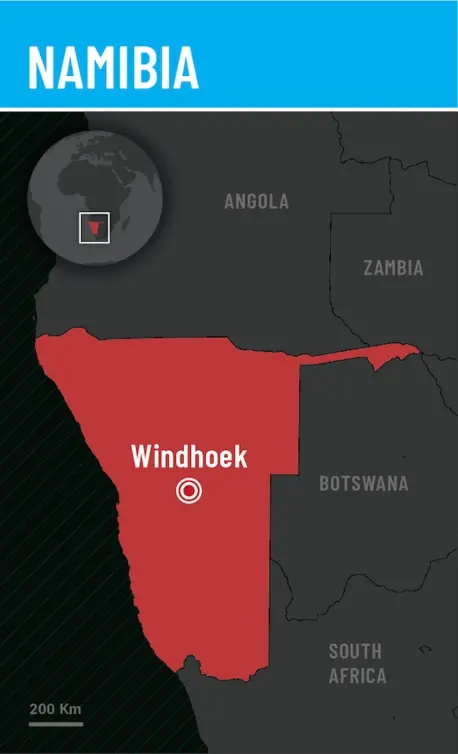
In the second most unequal country in the world, children face a number of dangerous challenges, including malnutrition, a high neonatal death rate, severe drought and an HIV crisis. Learn how UNICEF is supporting children and families in Namibia, and how to help.
Across Eastern and South Africa, economic instability, displacement from regional conflicts, outbreaks of disease, malnutrition and severe droughts or flooding made worse by climate change have endangered millions of children.
Compared to other countries in the region, Namibia has enjoyed a stable, democratic government and an economy that has it classified as an upper middle income country. That wealth, however, registers little impact in the lives of the vast majority of citizens.
Namibia is the second most unequal country in the world, behind South Africa, with over 63 percent of the nation’s children experiencing multidimensional poverty.
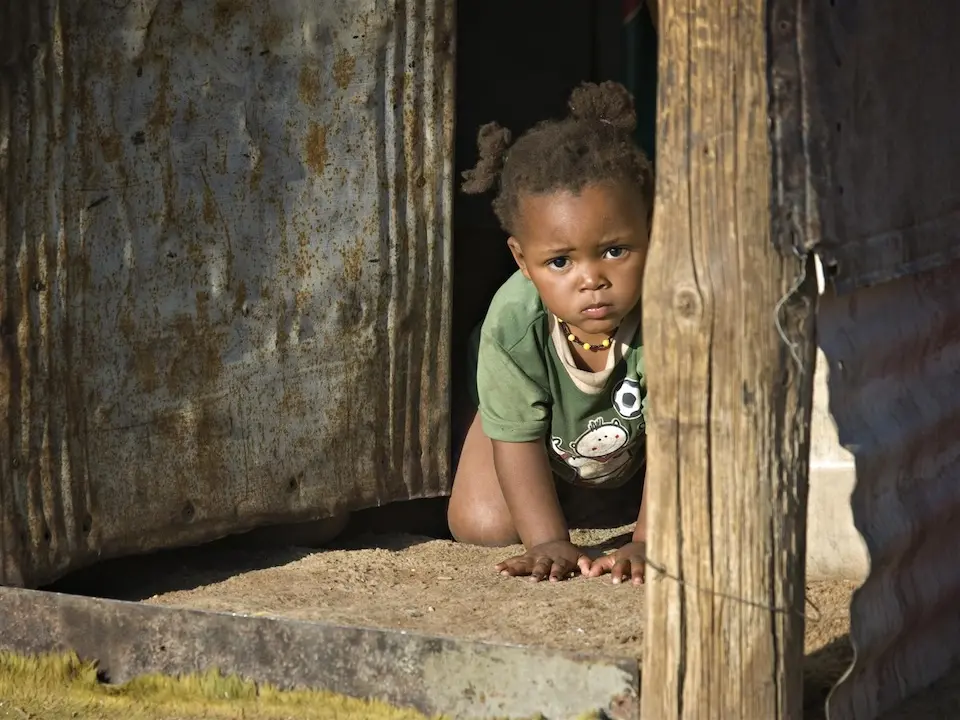
UNICEF Namibia programs help bridge the gap for children facing drought, malnutrition, sanitation infrastructure issues, an HIV crisis and other challenges. Donating to UNICEF helps continue this lifesaving work for children in Namibia and around the world.
Why UNICEF works in Namibia
UNICEF has been on the ground in Namibia since the country’s independence in 1990, working with local partners, NGOs, and government agencies to support children across the nation, focusing on those facing a number of dire challenges made worse by income disparities.
While the government has prioritized boosting social services — more than 95 percent of school age children have access to education — a staggering national debt and resulting budget shortfalls have left critical gaps in coverage.
That leaves much work to be done: high rates of HIV infections, particularly among young girls, plagues the country. Malnutrition, insufficient sanitation access, maternal mortality rates, child protection concerns and inclusivity issues remain problems. Climate shocks, made worse by the El Niño phenomenon, have raised the levels of food insecurity in the north.
Challenges facing children in Namibia
Namibian children face a multitude of challenges, starting from birth and continuing into adulthood. While the neonatal death rate is declining, it’s still high; it averages roughly 20 per 1,000 live births. Malnutrition and poor feeding practices have stunted the growth of 30 percent of children. An estimated 87 percent of infants and young children in Namibia do not receive a minimally acceptable diet.
Related: How UNICEF fights child malnutrition
Improving water, sanitation and hygiene (WASH) services remains a priority. Close to half of all households in Namibia lack working toilets. One-quarter of the population must travel at least 10 kilometers (over 6 miles) to get treatment at the nearest health clinic.
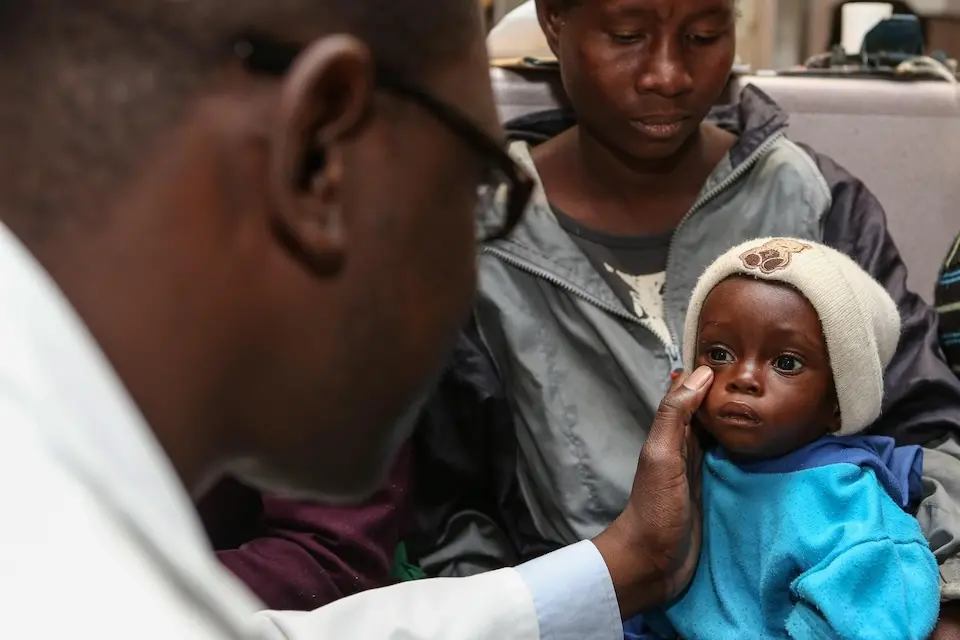
HIV infection rates in Southern Africa are the highest in the world, and while Namibia has made great inroads in prevention and access to lifesaving medicines, the country still faces a health crisis, particularly among young girls.
More than 1 in 5 new HIV infections in the country occur among Namibians under the age of 24, with girls and young women accounting for two-thirds of those infections. The situation has been made worse in the wake of the loss of USAID funding for HIV programs in Namibia.
Climate change and the devastating effects of El Niño have also made conditions more dangerous for children in much of the country. The Namibian government declared a state of emergency in 2024 amid the region’s worst drought in 100 years, leading to surges in food insecurity, water shortages and health threats.
“The climate crisis is a crisis for children in the region," said Etleva Kadili, UNICEF's Regional Director for Eastern and Southern Africa. "Alongside immediate lifesaving aid, sustained and flexible support from donors, including joint investments and innovative financing in climate prevention and preparedness, will be vital in saving lives and strengthening the resilience of children repeatedly hit by climate emergencies."
Related: How UNICEF is responding to the climate crisis
How UNICEF is making a difference in Namibia
Working with national authorities, UN partner agencies, local development partners and community members, UNICEF contributes to essential strategic planning and expanding access to social programs in Namibia. Reforms to health care procurement, for example, created $3 billion in savings and improved the quality of service for children in the country.
Another top priority is improving gaps in birth registration. UNICEF helped implement a digital birth certificate program to better track children that could otherwise lose out on essential social services.
Related: Birth registration essential to the protection of children's rights everywhere
UNICEF Namibia programs also help increase access to education, nutrition, health care and WASH services. Among the success stories: The UNICEF-supported UPSHIFT initiative is providing safe spaces, inclusion for children with disabilities, and training in life skills that improve young peoples’ self-reliance and stoke their creativity.
“We need to harness every creativity, we need to use every resource that’s available for a better future,” said Tangeni, a teenage UPSHIFT beneficiary who used the program supports to build upcycled toys out of trash polluting his community.
UNICEF also uses targeted funding to address crises as they emerge. During the historic droughts of 2024, more than $1.2 million in emergency funding was spent on El Niño preparedness efforts in Angola, Madagascar and Namibia.
Health and nutrition programs
Drought also prompted UNICEF to focus on strengthening HIV programming in Namibia's most-affected communities. A national media campaign was launched to educate Namibians on safer sexual practices to curtail transmission. UNICEF also supports early infant testing for infection during pregnancy and breastfeeding. At Teen Clubs established by UNICEF across the country in partnership with the Ministry of Health and Social Service, HIV-positive teenagers continue to receive medical, educational and peer supports.
“At my school, some people used to say bad things about you if you are living with HIV,” said Olivia, a teenager afflicted with the virus from Oshipumbo Village in northern Namibia. “But when you are with your friends from Teen Club, you don’t have to hide when you have HIV. You can be free.”
To combat the country’s high infant and adolescent malnutrition rates, UNICEF and its partners use a multi-front approach, supporting programs that address food insecurity, improve sanitation and hygiene and promote breastfeeding. Over 450,000 children were screened for malnutrition in 2024 alone, with more than 11,000 children receiving critical treatment.
UNICEF's global nutrition programs
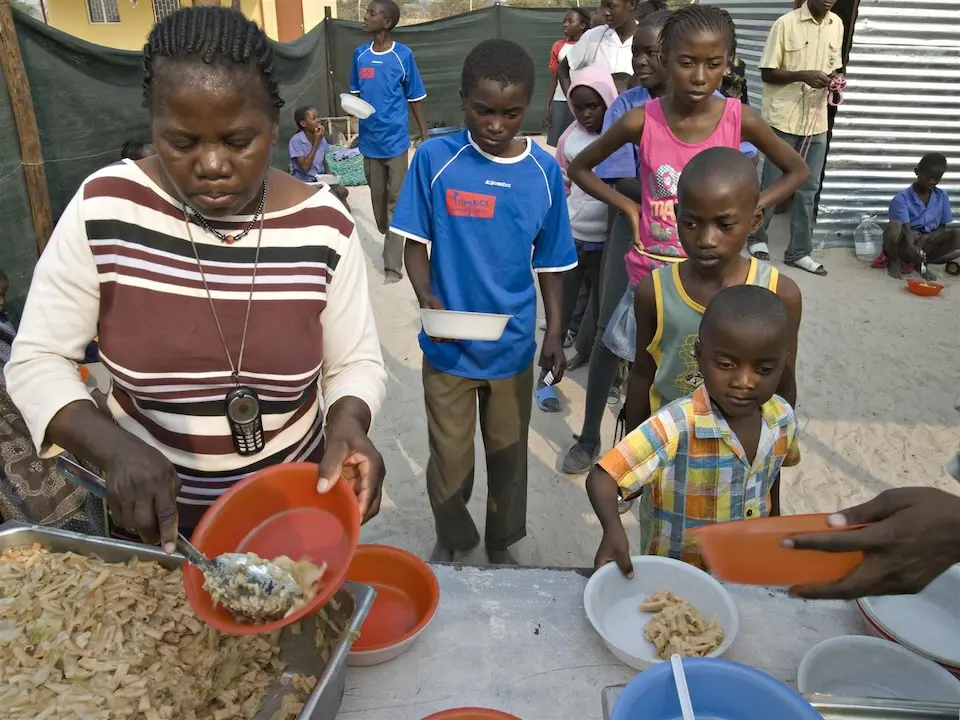
Improving access to education and supporting adolescent development
While the government has made improving education a priority — with an allocation of 23 percent of the national budget for schooling and more than 95 percent enrollment rate for children between the ages of 7 through 18 — there are still major inequities.
Many children with disabilities, members of minority groups and vulnerable youth do not have adequate access. UNICEF provides assessment tools and technical support to the Ministry of Education to better track learning outcomes.
UNICEF also supports a number of programs that focus on improving the standard of education in the country, including:
- Jolly Phonics: a teaching approach in primary schools for literacy lessons using interactive methods and games
- GiGa project: a partnership with the International Telecommunication Union that is expanding internet access to schools across the country
- Learning Passport: an online portal for teaching when remote education is critical
- Skills4Girls: providing safe spaces and skills training to support adolescents who are out-of-school, pregnant, breastfeeding or parenting; 83 percent of participants were found to have improved competencies and 93 percent gained stronger understanding of HIV prevention
- Galz and Goals initiative: fostering empowerment through sports
UNICEF's education programs for every child
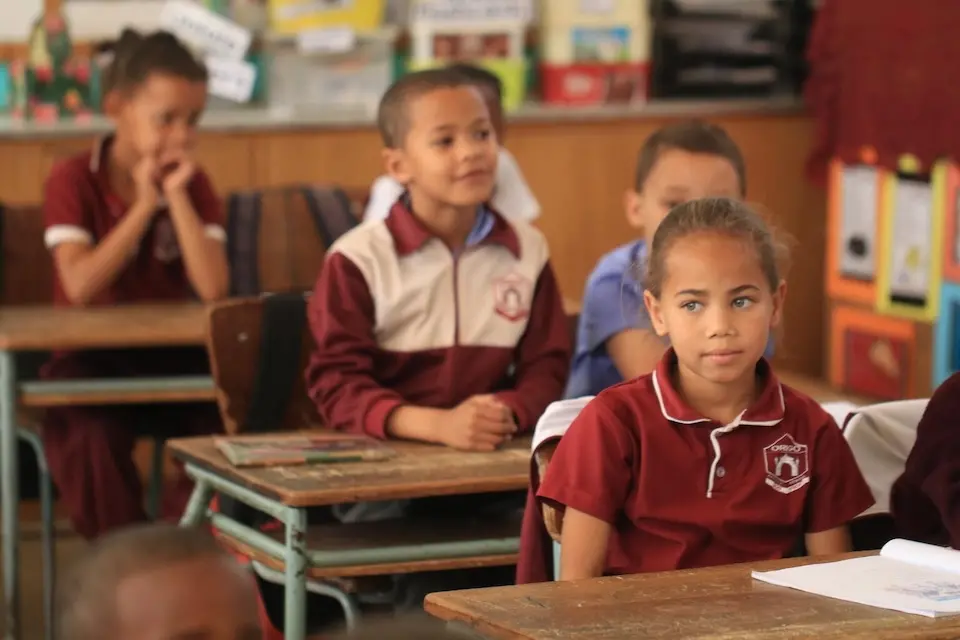
Protecting vulnerable children
To help strengthen protections for the country’s most vulnerable children, UNICEF supported Namibia’s Child Justice Bill and other legislation targeting sexual exploitation and other abuses, and is working with the Namibian government to address domestic violence. Studies show nearly one-third of adolescents aged 13 to 17 experience physical discipline or violence at home.
UNICEF also has been instrumental in reforming Namibia's child grant system and upgrading the birth registration process to improve access for the poorest women and children in the country, a demographic that has historically been underserved. A safe and confidential reporting platform called Lifeline/Childline Namibia has been established to alert authorities to incidents of online child sexual abuse and exploitation.
UNICEF's child protection efforts
Water, sanitation and hygiene (WASH) efforts
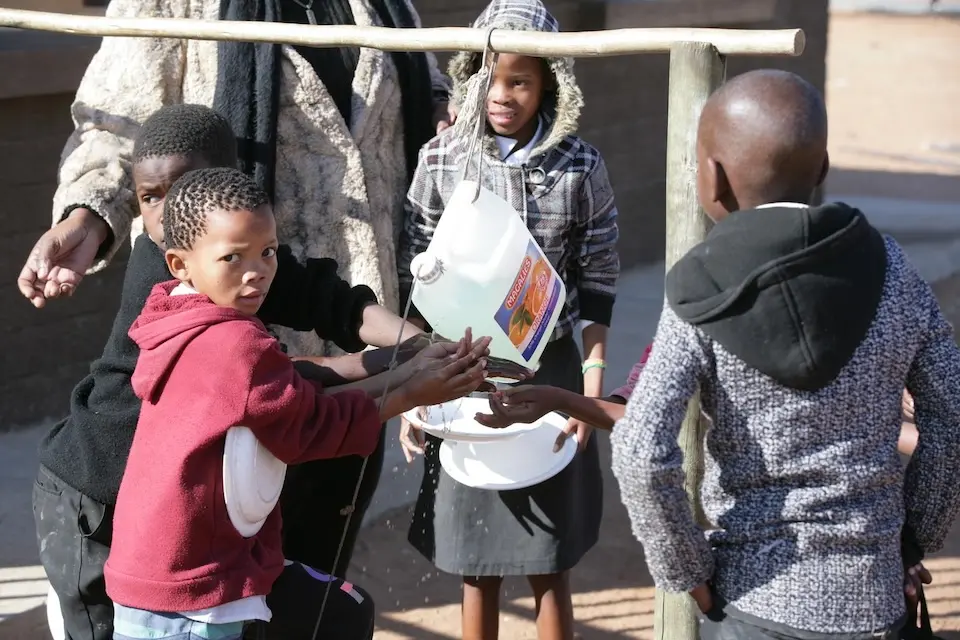
Though Namibia has made great strides in recent years in improving access to safe, clean water in almost all of the country's urban population and nearly 90 percent of rural areas, improvements to the country's sanitation infrastructure has lagged behind.
Open defecation remains prevalent. UNICEF supports print and mass media campaigns to emphasize the importance of eliminating the practice, and disseminates additional WASH messaging via the mobile U-Report platform.
As part of its emergency response to the 2024 drought, UNICEF helped repair and extend a pipe network across three affected regions so residents and their livestock could have drinking water.
UNICEF's water and sanitation programs
How you can help
With adequate funding, UNICEF can continue to do lifesaving work on the ground in Namibia. There are multiples ways to help, whether through a one-time donation or monthly contributions. Donor-advised funds provide a flexible, tax-efficient way to help even further.
Learn more about different ways to donate to UNICEF USA
More ways to support UNICEF’s mission
Help children in Namibia and around the world
Frequently Asked Questions
Why does UNICEF work in Namibia?
As the second most unequal country in the world in terms of wealth, Namibia faces a shortage of resources to address a number of critical issues that impact children across the country. UNICEF’s programs and advocacy address many of those challenges in child protection, nutrition, health, education and WASH services, and support the most vulnerable children.
What challenges do children face in Namibia?
With 63 percent of Namibian children living under multidimensional poverty, everyday life is full of challenges. Droughts, made worse by climate change, have led to a surge in malnutrition and health risks, necessitating humanitarian aid. HIV infection rates are among the highest in the world, particularly among young girls. Improvements are needed in education quality, child protection services and water and sanitation infrastructure.
How can I help support UNICEF's work?
You can donate to support emergency nutrition programs, become a monthly supporter to provide sustained assistance or advocate for children's rights. Visit unicefusa.org/how-help/donate to find out how to take action now.