The Human Cost of U.S. Aid Cuts: What's at Stake for the World's Children
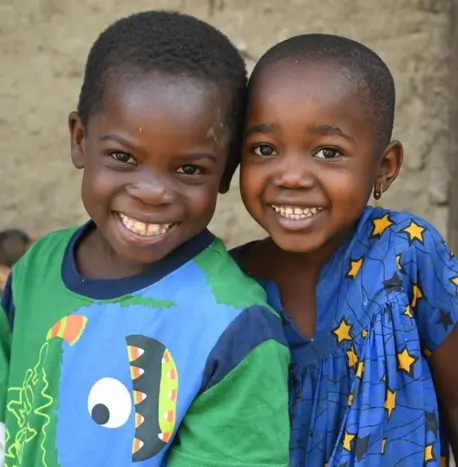
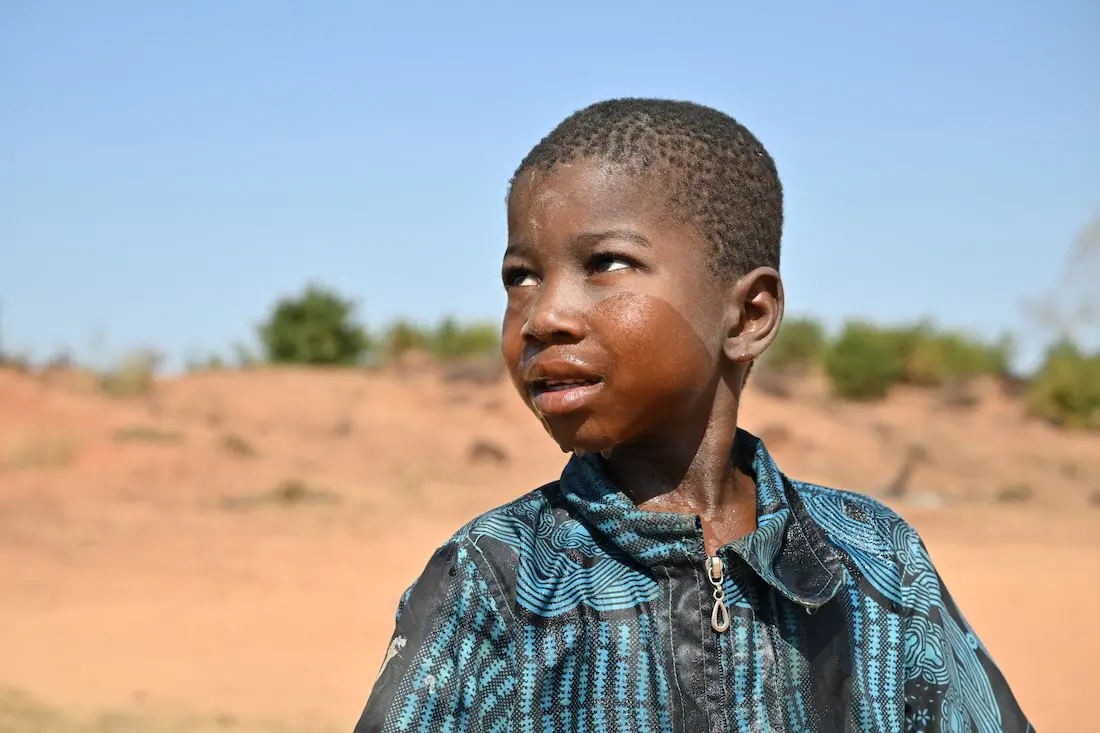
The crisis in Burkina Faso is one of those “hidden emergencies” — hidden from most of us who live elsewhere in the world. It is one of those crises, however, that could get worse for children based on decisions made in places far away from them — places like Washington D.C.
A few questions for you:
- How many children are displaced from their homes, schools and communities due to conflict and drought in northern Burkina Faso?
- Where in the world is Burkina Faso?
- Do we have a role to play to help save the lives of these children and support their futures?
Answers:
- At least 1.2 million children.
- West Africa, between Ghana and Mali.
- I believe we do. They are children, after all, in reality no different than our own.
The crisis in Burkina Faso is one of those “hidden emergencies” — hidden from most of us who live elsewhere in the world. It is a small country in a faraway place (from us) that gets very little attention on the world stage.
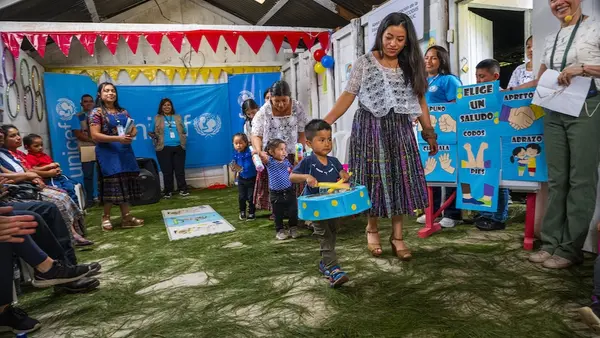
The crisis certainly isn’t hidden from the families who are experiencing it. And it isn’t hidden from the humanitarian aid workers on the ground trying to bring relief to the situation. That includes teams from UNICEF who, in the first few months of this year, reached more than 25,000 children under age five with lifesaving treatment for severe acute malnutrition. My team at UNICEF USA recently wrote about this. You can read more here.
Aid Cuts Put Vulnerable Children at Further Risk in Burkina Faso
It is one of those crises, however, that could get worse for these children based on decisions made in places far away from them — places like Washington D.C.
Last week, the U.S. Senate approved, and President Trump signed, a bill to eliminate $8 billion in funding for humanitarian aid and development assistance around the world. This “rescission” removed resources that had been previously approved by Congress. Included in that amount was $142 million for UNICEF. That amount had been an annual contribution from Congress to UNICEF — supported in bipartisan fashion every year until now. The funds had been provided for the most part as “core resources” — meaning not for specific projects, but rather available to use where needed most.
And where is that? “Hidden” places like Burkina Faso, for one, where few public or private donors direct resources. Most funds UNICEF receives are directed for one project or another in one location or another. That tends to focus resources in places of interest to donors. UNICEF’s ability to respond wherever children are in crisis — whether noted by donors or not — is dependent on funding provided without restrictions.
The Power of Unrestricted Giving
The reduction of this kind of flexible money can have life and death consequences for children. For instance, UNICEF estimates that nearly 13 million children in West and Central Africa risk losing access to health services because of the loss of flexible funding, including the cut last week.
UNICEF has long had many supporters in Congress among both Republicans and Democrats. That’s still true, which is why the cuts last week were both surprising and disappointing. UNICEF’s proven results in protecting children from deadly disease and malnutrition, strengthening health systems and advancing stability in regions critical to global security not only benefit children, but also make America safer, stronger and more prosperous.
5 Ways Global Humanitarian Aid Benefits the U.S.
I worry, too, that cutting these funds weakens the U.S.'s ability to lead with compassion and credibility on the global stage at a time when that leadership is needed most.
We remain hopeful that Congress will restore this annual funding in the Fiscal Year 2026 budget now being developing. You can help by urging your legislators to include UNICEF’s core funding in next year’s budget. You can do that here.
Urge Congress to Support Funding for UNICEF
Meanwhile, we remain grateful for the public support here in the U.S. for UNICEF and its mission to reach the world’s most vulnerable children. For nearly 80 years, UNICEF has partnered with the people of the U.S. to improve outcomes for children everywhere. That work will not stop.
In fact, UNICEF USA’s private donors over the past year have increased the amount of funding provided without restrictions so UNICEF can use it where needed most. We greatly appreciate that trust and ask others to do the same.
I’ve seen the work firsthand and wish I could take all of you there with me. You’d see the truth: these funds deliver tangible results that make the world a better place for children.
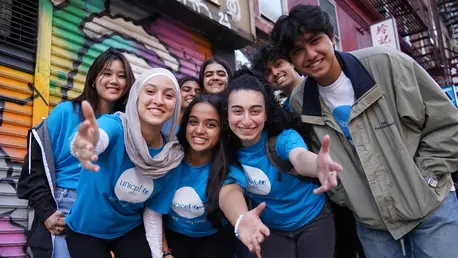
Now more than ever, we need your voice. #ForEveryChild
Michael J. Nyenhuis is President & CEO of UNICEF USA.
HOW TO HELP
There are many ways to make a difference
War, famine, poverty, natural disasters — threats to the world's children keep coming. But UNICEF won't stop working to keep children healthy and safe.
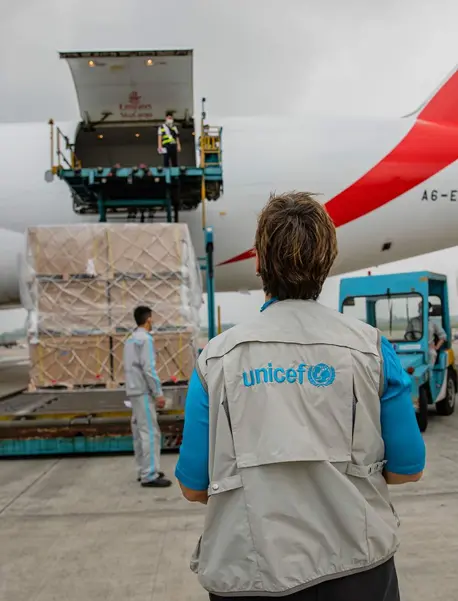
UNICEF works in over 190 countries and territories — more places than any other children's organization. UNICEF has the world's largest humanitarian warehouse and, when disaster strikes, can get supplies almost anywhere within 72 hours. Constantly innovating, always advocating for a better world for children, UNICEF works to ensure that every child can grow up healthy, educated, protected and respected.
Would you like to help give all children the opportunity to reach their full potential? There are many ways to get involved.