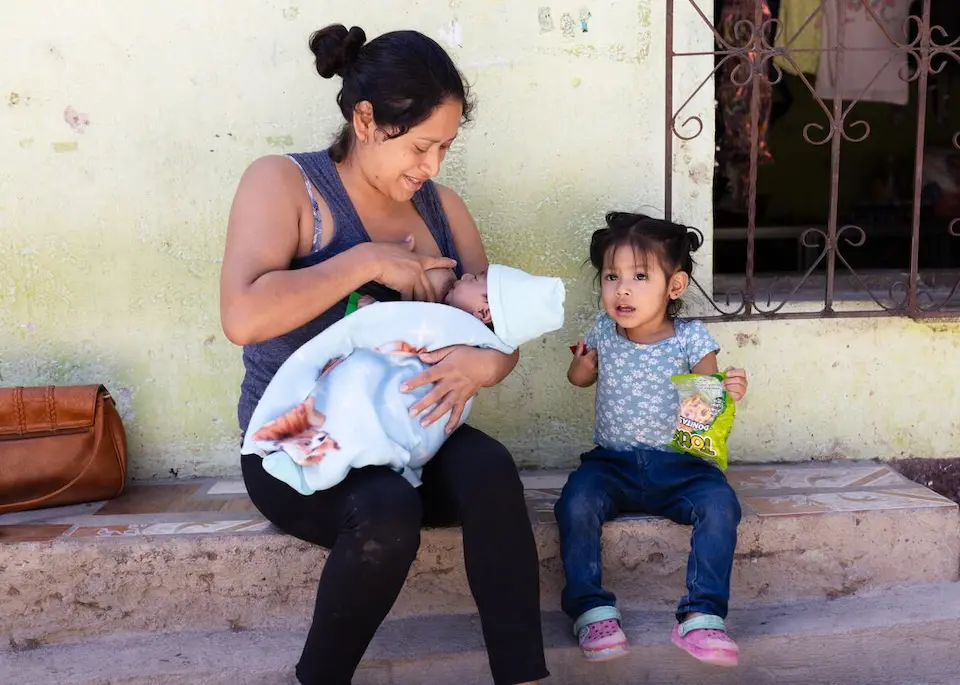
Benefits of Breastfeeding for Babies and Mothers Everywhere
Breast milk is safe, nutritious and accessible — but breastfeeding is not always easy. UNICEF and partners offer nursing mothers around the world the support they need to help their babies thrive. Learn how UNICEF works to protect, promote and support breastfeeding.
Updated July 31, 2026
Helping mothers breastfeed helps ensure their babies get the best start in life
The benefits of breastfeeding can support babies’ health, nutrition and development from the earliest days. And breastfeeding becomes even more crucial in humanitarian crises, when displacement, limited access to clean water, inadequate sanitation and disrupted basic services can put babies at greater risk.
UNICEF works with partners around the world to help raise awareness about the benefits of breastfeeding and to make sure mothers are getting the support they need to be successful.
Less than half of all babies under 6 months old are exclusively breastfed
Encouragingly, breastfeeding rates have been improving worldwide. Exclusive breastfeeding in the first six months has increased from about 37 percent in 2012 to over 47 percent today, while breastfeeding through age 2 has also risen in recent years.
These gains show that sustained investments in policies and programs supporting mothers and families are making a difference. But progress remains uneven, particularly in low-income, fragile and humanitarian settings.
"Breastfeeding is vital," UNICEF Executive Director Catherine Russell said in a joint statement with World Health Organization Director-General Dr. Tedros Adhanom Ghebreyesus ahead of World Breastfeeding Week 2026. "By investing in proven solutions, we can give every child the best possible start in life and ensure every mother gets the care and services she needs."
Read about how breastfeeding keeps babies alive in emergencies
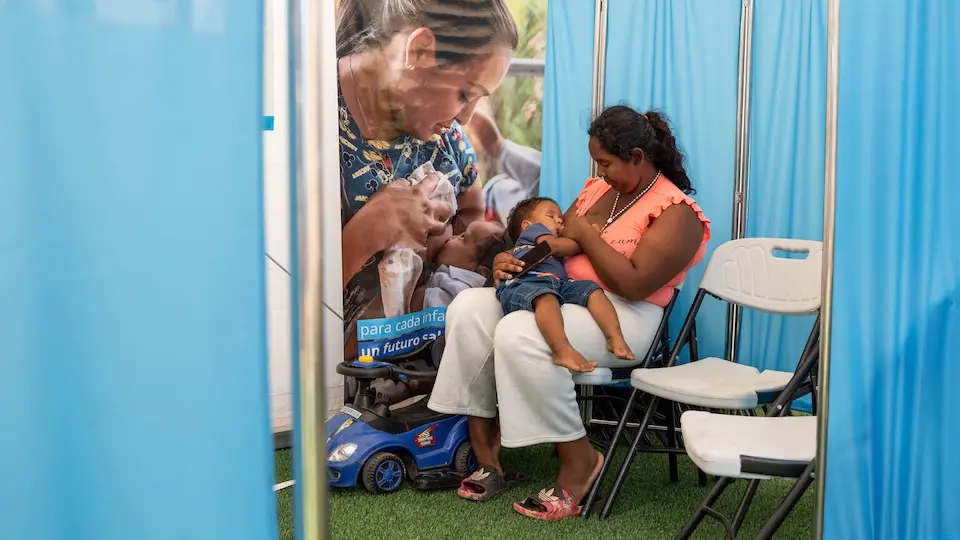
Breastfeeding is a sound investment in baby's future health and well-being — and mom's
Breastfeeding can help newborns fight off infection; often called "baby's first vaccine," breast milk also offers protection from many childhood illnesses and bolsters brain development. Breastfeeding also supports mothers' health by lowering the risk of breast and ovarian cancers and type 2 diabetes.
As mothers breastfeed, they share elements of their immune systems with their babies, leaving them less vulnerable to disease. Infants who breastfeed are less likely to develop allergies. In environments with poor sanitation and unsafe drinking water, breastfeeding also protects children from waterborne illness.
In fact, promoting breastfeeding as a best practice and providing breastfeeding mothers with sustained support is considered crucial for reducing child mortality from preventable and treatable causes like diarrhea and respiratory infections. Babies who are breastfed exclusively for the first six months, without any formula, have fewer ear infections, respiratory illness and bouts of diarrhea. They also have fewer hospitalizations and trips to the doctor.
Breastfeeding also provides emotional benefits. It reduces stress for nursing mothers, and breastfed babies are calmer and cry less overall.
Related: How UNICEF supports maternal health
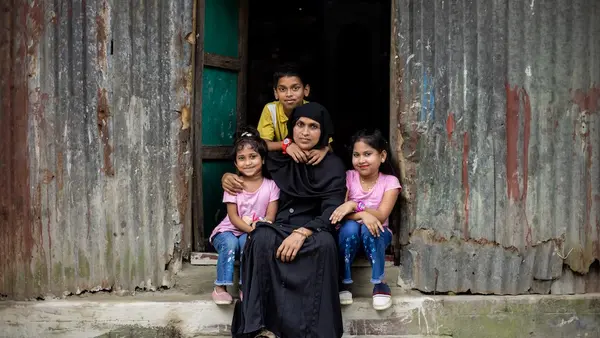
Read about five courageous mothers protecting and caring for their children in difficult circumstances
Breastfeeding statistics show why stronger breastfeeding support is essential for mothers, babies and health systems
Sub-optimal exclusive breastfeeding rates are due to various overlapping challenges for new mothers, health workers and across health systems. Millions of mothers around the world do not receive timely and skilled support in a health care setting when they need it most.
One factor is that only 1 in 5 countries include infant and young child feeding training for doctors and nurses who care for new mothers. This means the majority of the world’s mothers leave hospitals without proper guidance on how to breastfeed their babies and when to introduce complementary feeding.
Scaling up breastfeeding could prevent almost 400,000 child deaths and around 140,000 maternal deaths each year.
The returns are significant. Scaling up breastfeeding could prevent almost 400,000 child deaths and around 140,000 maternal deaths each year, according to the joint UNICEF/WHO statement. Every dollar invested in breastfeeding promotion generates an estimated $59 in economic returns through lower health care costs, improved cognitive development, higher educational attainment and increased lifetime earnings. Yet many country health systems are too often under-resourced, fragmented or poorly equipped to deliver quality, consistent, evidence-based breastfeeding support.
For World Breastfeeding Week 2026, under the theme, “Breastfeeding for a Sustainable Start in Life: Strengthen What Works,” UNICEF and WHO are calling on countries to:
- strengthen health systems to provide quality breastfeeding support for mothers and newborns
- expand community-based counseling and peer programs
- fully implement and enforce the International Code of Marketing of Breast-milk Substitutes
- invest in paid maternity leave and supportive workplace policies
- integrate breastfeeding interventions into antenatal, perinatal and postnatal health care services
- sustain breastfeeding support in humanitarian and fragile contexts
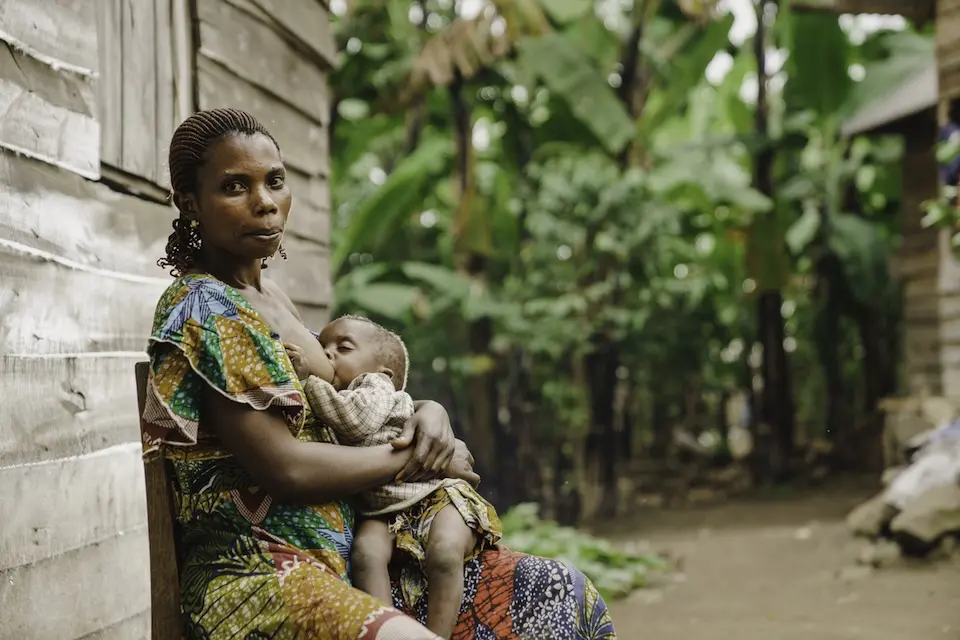
Supporting mothers beyond World Breastfeeding Week
World Breastfeeding Week (Aug. 1–7) is an annual moment to raise awareness about breastfeeding and the need for stronger support systems for mothers, babies and families all year long.
Through efforts such as the Global Breastfeeding Collective, UNICEF works with partners to protect, promote and support breastfeeding worldwide — helping more mothers access trusted guidance and more babies get the healthiest possible start in life.
UNICEF's advocacy campaign around World Breastfeeding Week 2026 is a global call for stronger, sustained support for what works to improve breastfeeding rates.
UNICEF promotes breastfeeding and supports breastfeeding mothers worldwide
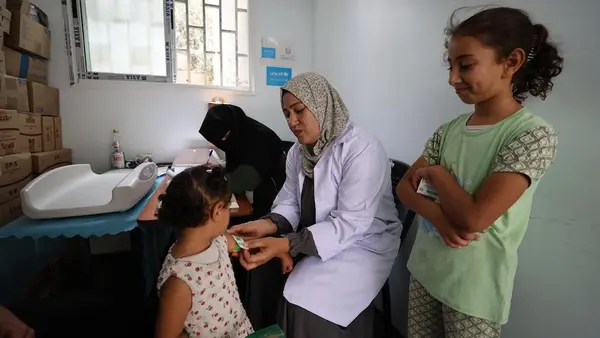
UNICEF has long worked with global, national and local partners to communicate the benefits of breastfeeding and to help connect women to support services. This includes counseling from lactation consultants, nutrition specialists and health care professionals or peer support providers.
While connecting with mothers to discuss the benefits of breastfeeding, UNICEF-trained partners and health care workers can also convey the importance of child immunization and early childhood education.
UNICEF supports parents and caregivers with a number of resources to support healthy growth and development. Explore UNICEF USA's parenting resources to learn more.
Learn more about UNICEF health and nutrition programs for children
Frequently asked questions about breastfeeding
What are the benefits of breastfeeding?
Breastfeeding helps provide babies with a safe, nutritious first food and supports their health, growth and development. It can also help protect babies from illness, especially during the earliest months of life.
Why do mothers need breastfeeding support?
Breastfeeding is natural, but it is not always easy. Timely support from trained health workers, counselors, peer support providers and community health systems encourages new mothers to start and continue breastfeeding.
Why is breastfeeding important during emergencies?
During emergencies, breastfeeding can help keep babies nourished and protected when families may be displaced or have limited access to clean water, adequate sanitation, health care or other basic services. UNICEF works with partners to support mothers and babies during crises.