Celebrating International Day of the Girl
The theme for 2026: end child marriage, invest in girls' rights.
A blueprint for advancing the rights of women and girls
In 1995, 30,000 women and men from nearly 200 countries attended the Fourth World Conference on Women in Beijing. They arrived with the intent to acknowledge the rights of women and girls as human rights.
And they succeeded. The signing of the Beijing Declaration and Platform for Action that year is still considered the most progressive blueprint for advancing the rights of women and girls. It remains powerful to this day.
Despite global progress on many fronts, however, many of the commitments made to girls remain unfulfilled. Too many girls continue to face discrimination, violence, poverty and conflict that deny them their rights, restrict their choices and limit their opportunities.
What is International Day of the Girl?
Oct. 11 marks the International Day of the Girl, an annual observance to call attention to the needs and challenges girls continue to face and to promote girls’ rights and empowerment.
It is a day to reassert the ideal that all girls have the right to a happy, healthy, safe and educated life. An opportunity to remind the world that when girls are safe, educated and empowered, they raise healthier kids, and strengthen communities; that girls who lead healthy, productive lives earn higher incomes, participate in the decisions that most affect them and build better futures for themselves and their families.
It is also a day to look at the facts standing in the way of this vision:
- Globally, 1 in 5 girls are married before age 18. That equates to roughly 650 million women and girls alive today who were married as children.
- Nearly 1 in 4 girls aged 15 to 19 have been victims of physical or sexual violence committed by their husbands or partners.
- Conflict, displacement and other crises continue to increase girls' risks of child marriage, sexual violence and maternal death.
- Girls aged 15 to 19 are twice as likely as boys the same age to not be in education, employment or training.
- In war zones and other fragile settings, girls are nearly 90 percent more likely to miss out on secondary school than girls in stable communities.
Theme for International Day of the Girl 2026: End child marriage, invest in girls' rights
This year’s International Day of the Girl theme — “End child marriage and invest in girls’ rights” — draws attention to the fact that progress is possible but uneven, and that ending the practice requires sustained commitment in the form of resources and political will — not just good intentions.
Child marriage — any formal union before age 18 — is a fundamental violation of human rights. Girls who marry young are far more likely to leave school, face serious health risks from early pregnancy and often experience violence and social isolation. And because these harms compound across a lifetime and often pass to the next generation, child marriage keeps families and communities locked in cycles of poverty and inequality.
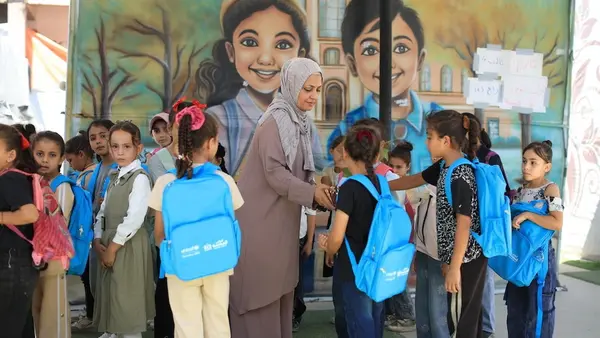
Keeping girls in school — by removing fees, making schools safer or supporting those at risk of dropping out — gives families alternatives to early marriage. Accessible health services and protection systems that girls can turn to when they are at risk help safeguard their well-being.
Just as important, girls need a real voice in decisions that affect their lives, from the household to national policy, since they understand the barriers they face better than anyone. Investing in these solutions protects individual girls and strengthens whole societies.
Related: Life as an Adolescent Girl — Then and Now
How UNICEF supports girls worldwide
UNICEF understands that investing in girls is one of the most effective ways to accelerate progress.
UNICEF works with partners around the world to remove obstacles to girls' education, end child marriage and other harmful practices and strengthen protection systems that keep girls safe from violence and exploitation. UNICEF also works globally to improve girls' access to health services, including nutrition, immunization, maternal and adolescent care.
Other programs focus on amplifying girls' voices and creating opportunities for girls to be advocates, leaders and change makers in their communities.
For International Day of the Girl 2026, UNICEF calls on supporters to join in advocating for laws, policies and investments that prevent child marriage and uphold girls' rights — to stand with girls by championing solutions that keep them safe and in charge of their own futures.
Learn more about how UNICEF is working toward equality for girls
HOW TO HELP
There are many ways to make a difference
War, famine, poverty, natural disasters — threats to the world's children keep coming. But UNICEF won't stop working to keep children healthy and safe.
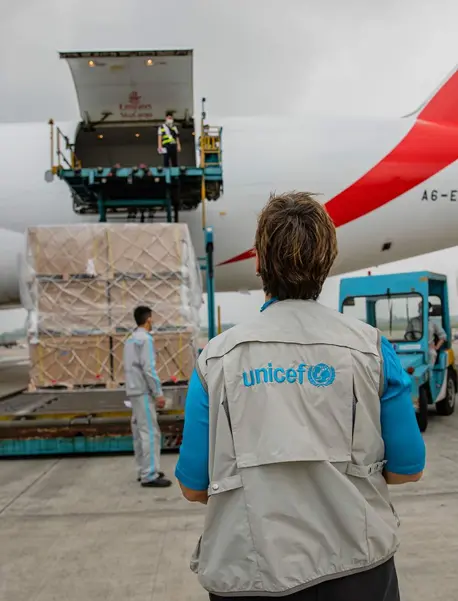
UNICEF works in over 190 countries and territories — more places than any other children's organization. UNICEF has the world's largest humanitarian warehouse and, when disaster strikes, can get supplies almost anywhere within 72 hours. Constantly innovating, always advocating for a better world for children, UNICEF works to ensure that every child can grow up healthy, educated, protected and respected.
Would you like to help give all children the opportunity to reach their full potential? There are many ways to get involved.