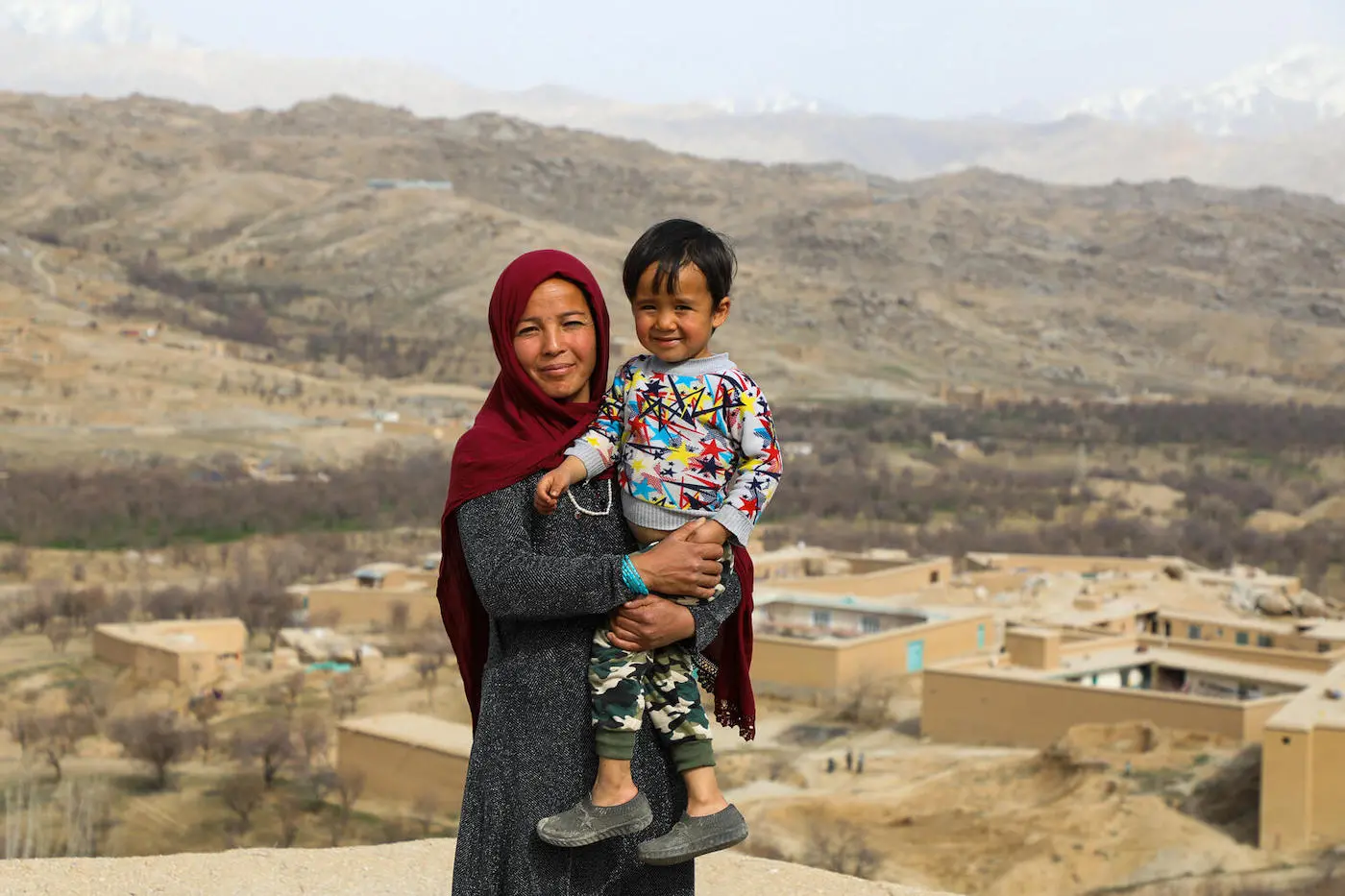
How UNICEF Helps Children with Humanitarian Cash Transfers
Direct payments in the form of physical currency or e-cash are a highly effective way of providing humanitarian assistance to individuals and households in need — allowing beneficiaries to decide for themselves what their children and families need most.
A lifeline for families caught in crisis
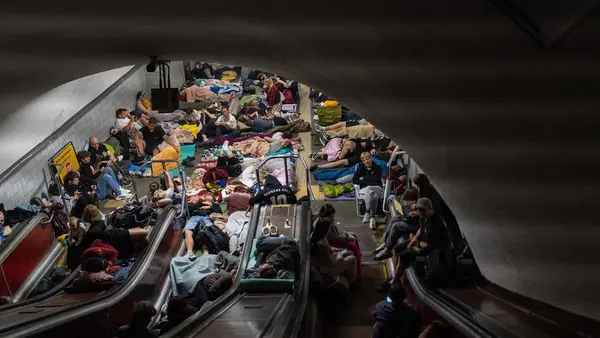
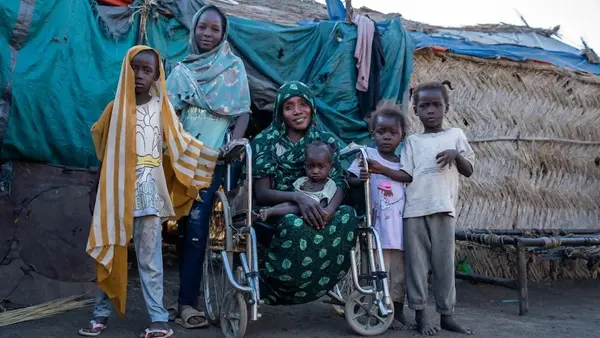
Children living in conflict zones face multiple and overlapping deprivations and vulnerabilities. Climate change impacts are intensifying, increasing the frequency of natural disasters, leading to forced family displacement, poverty and desperation.
UNICEF provides a lifeline to children and families in need through humanitarian cash transfers — a highly effective form of humanitarian assistance provided as physical currency or e-cash that is making a positive difference for families all around the world.
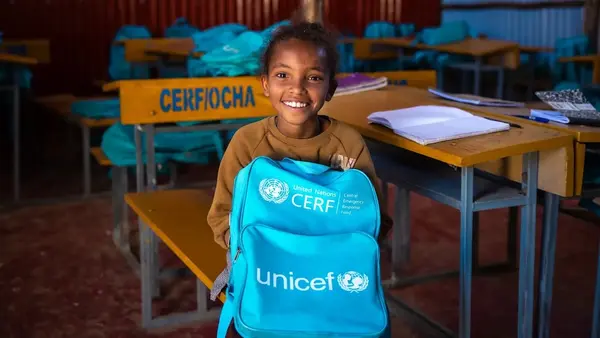
Through this program, families receive a cash stipend or equivalent that they can use to buy food, clothing, school supplies, medicine and other essentials in places where goods are available on the market.
In 2024, UNICEF-supported cash transfers reached 170 million children, helping families meet immediate needs and build long-term resilience.
Learn more about UNICEF emergency response
How do cash transfers work?
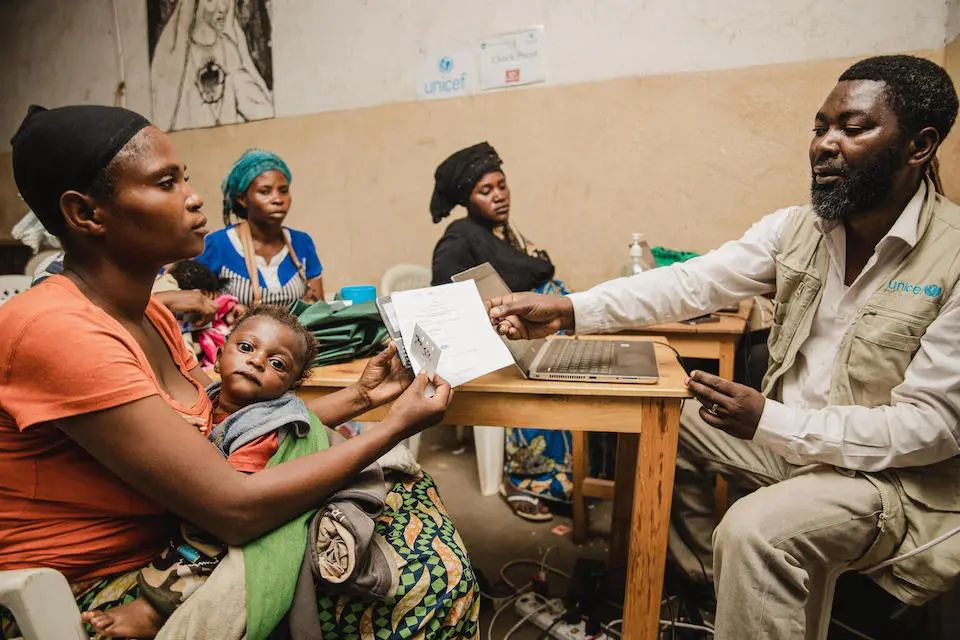
Cash transfers can be provided as a one-off payment or as regular monthly payments. There are many methods UNICEF uses to distribute payments, including via bank accounts, post offices, through the use of mobile phones or simply by hand.
Sometimes payments are given as standalone assistance; however, UNICEF often combines cash transfers with other humanitarian services such as nutrition, education and child protection.
Whenever possible, UNICEF facilitates governments to deliver humanitarian cash transfers through their own systems, providing additional support and interventions to strengthen cash transfer programs, including:
- technical assistance and operations support, including training
- helping local pilot programs grow to a national scale, through advocating for national policy changes and funding resources
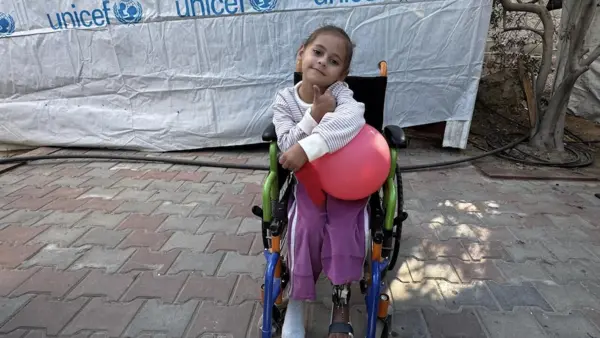
- Improving inclusion of those most vulnerable, with a strong focus on gender and disability
- linking children and families in cash transfer programs to other services and information, and vice versa
- assisting with monitoring, evaluation and research to assess impacts for children and their families and ensure continuous learning for program improvement
Who is eligible for cash transfers?
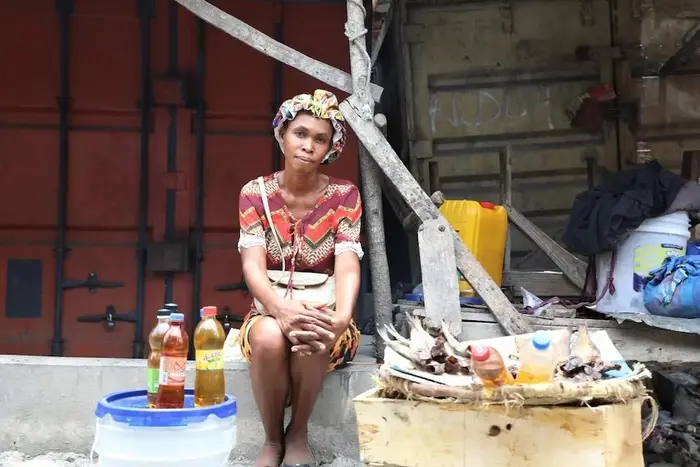
UNICEF utilizes a range of targeting criteria to identify households most in need of support, ensuring that resources reach those who need them most.
The criteria will vary based on the circumstances and context of a specific country or emergency, but typically UNICEF targets families with children, families with a child under age 2, pregnant and lactating mothers and families with children living with disabilities first.
Working to put an end to child poverty
Children make up one-third of the global population but account for half of those living in extreme poverty. Of the around 1.2 billion people living in multidimensional poverty — meaning they experience deprivations beyond monetary poverty, such as poor health, lack of education and inadequate living standards — half are under age 18.
Cash transfers play an important role in UNICEF's global efforts to strengthen social protection systems and end child poverty.
Related: Ending Child Poverty: Solutions that Work
Research shows cash assistance saves lives
A 2023 study of 7 million people in 37 countries published in the journal Nature found that cash grants given to those in poverty resulted in a 20 percent decrease in deaths among women and an 8 percent decrease among children younger than age 5.
The results were found to be the same whether the funds came with conditions, such as school attendance, or not.
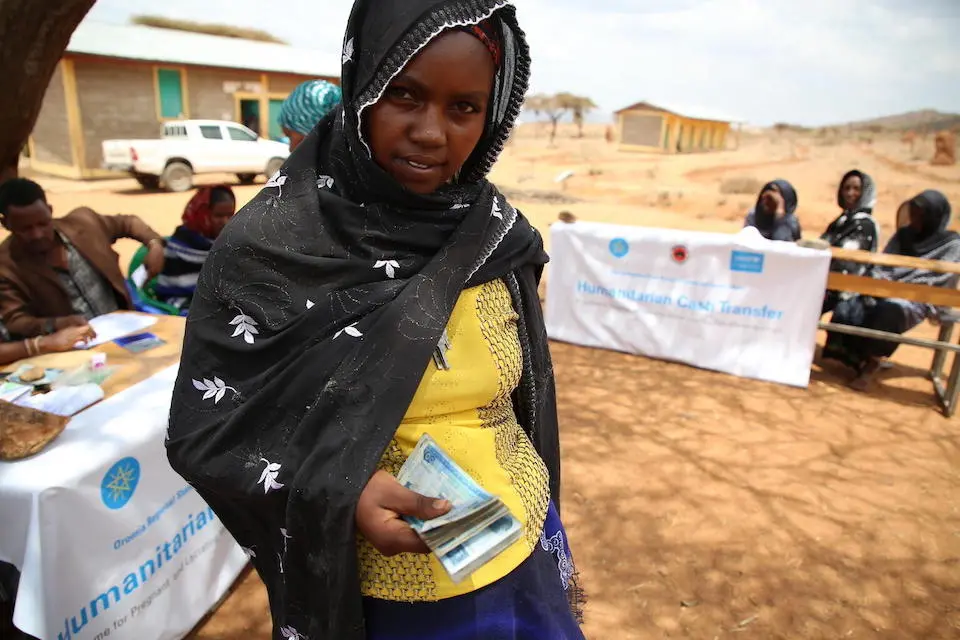
As a complement to UNICEF's delivery of humanitarian supplies, cash transfers help people in need avoid harmful coping strategies such as child labor and child marriage.
By letting recipients buy local goods, cash assistance directly benefits the family and the community and supports the local economy. For migrant families, it can also mean a positive relationship with their host communities.
UNICEF's direct cash transfers have not only helped with basic needs but have also improved school attendance, nutrition and use of health services. Here are some examples of the positive impact cash transfers have had around the world:
- In Yemen, years of conflict and economic strife have led to widespread food insecurity. Cash transfer payments have helped families get food, health care and other essential services.
- In Syria, UNICEF’s winter assistance program included three installments of $60 payments to help vulnerable families pay for heating fuel, gas for cooking, warm clothes and blankets.
- In the Democratic Republic of the Congo, a UNICEF program called Cash for Nutrition gives families with acutely malnourished children a lifeline by helping them afford nutritious food.
- In Afghanistan, the Taliban takeover and economic collapse led some families to sell their girls into marriage. UNICEF’s multipurpose cash transfer program paid $90 a month to more than 36,000 households, helping them out of extreme poverty so they could keep their families together.
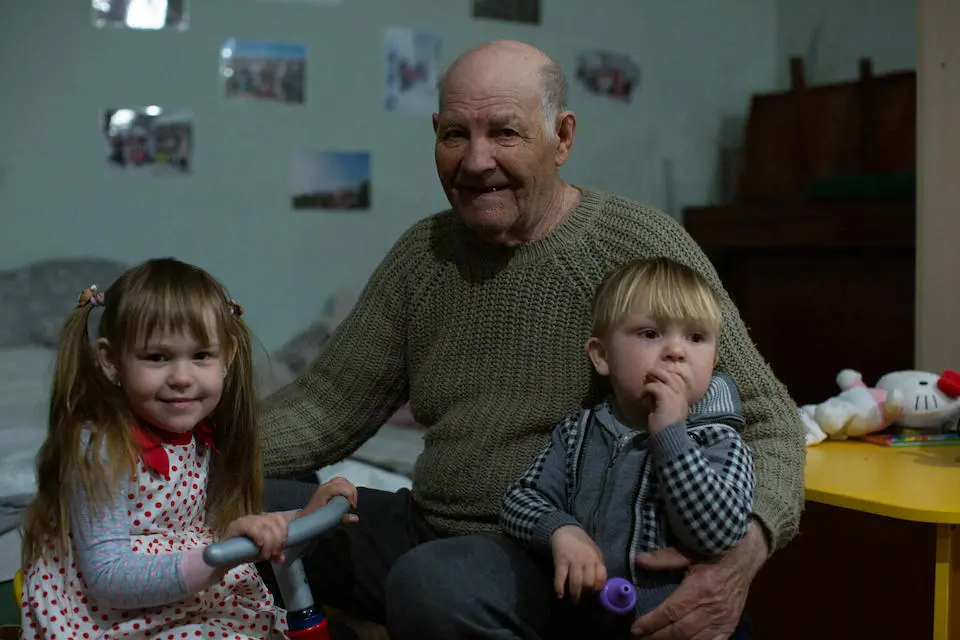
- In war-torn Ukraine, UNICEF's Spilno cash assistance program has distributed $125 million and reached hundreds of thousands of children and families displaced and otherwise impacted by the war.
- In Sri Lanka, where food prices have soared due to an economic crisis, a UNICEF-supported Cash Plus program is helping more than 70,000 families buy staples they could otherwise no longer afford.
- In Sudan, where millions of children suffer from severe wasting due to conflict and severe drought linked to climate change, the Mother and Child Cash Transfer Plus program covers the basic needs of pregnant and lactating mothers and their children.
The amounts distributed are often less than $100 — a seemingly small amount. But for a desperate family it can make all the difference.
The unconditional cash support gives parents the dignity to decide for themselves what they and their families need and what to buy.
"No one is in a better position to decide how to get the most out of this support than a parent or guardian," says Murat Sahin, UNICEF Representative in Ukraine.
Explore where UNICEF works
Anar Gul of Daikundi Province, central Afghanistan, was able to buy healthy food and school supplies and take her kids to a health clinic for checkups. "It is better to receive this assistance as cash," she says, "because if we’re given clothes, we may already have clothes to wear, but we might not have food to eat. Sometimes, we might be given food, but we have no shoes to walk in."
UNICEF's humanitarian cash transfer program is one of many different interventions implemented by UNICEF and partners in countries all around the world. Learn more about what UNICEF does to help vulnerable children and families survive and thrive. Support UNICEF's mission. Donate today.
Cash transfer programs: Frequently asked questions
What does cash support actually mean for a family in crisis?
Cash support means parents do not have to guess what kind of help they will receive. They can decide for themselves what their children and household need most. For one family, that might be food. For another, it could be medicine, school supplies or fuel.
What are money transfer organizations and how does UNICEF work with them?
Money transfer organizations are services that help move funds securely from one place to another. UNICEF works with trusted providers to deliver humanitarian cash support quickly and safely, particularly in emergency settings where speed and reliability matter.
What is the best way to give cash through UNICEF?
The most effective way to support these programs is through a tax-deductible contribution to UNICEF. Donations from supporters help fund UNICEF cash transfer programs and other interventions reaching children and families in need all around the world.