Youth Step Up to Help Displaced Children and Families in Lebanon's Shelters
Highlights
- Since March 2026, air strikes in Lebanon have forced more than 1.1 million people out of their homes
- Through UNICEF's Learning to Earning program, young people are preparing meals, sewing clothes and blankets, and offering haircuts to people sheltering in schools
- The program builds job skills, provides income and brings hope
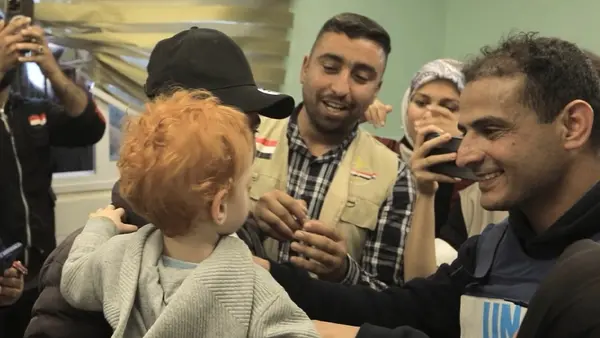
Through UNICEF’s Learning to Earning program, young people in Lebanon are supporting emergency response efforts while building skills, earning income and bringing care to families living in temporary shelters.
Lebanon's young people are pitching in to support children and families forced out of their homes by military attacks
Since March 2, 2026, ongoing violence in Lebanon has displaced over 1.1 million people, including more than 390,000 children, forcing families to seek safety in schools and public spaces now serving as shelters.
Across the country, young people are stepping up to support emergency response efforts while building skills that help them earn an income and navigate an uncertain future in a country that was already affected by an economic crisis.
Through UNICEF’s Learning to Earning program, funded by the German Government through KfW Development Bank, youth are taking on active roles in the response, from preparing meals and producing essential items to creating small but meaningful moments of care inside shelters.
Youth in the kitchen: cooking for displaced families and children
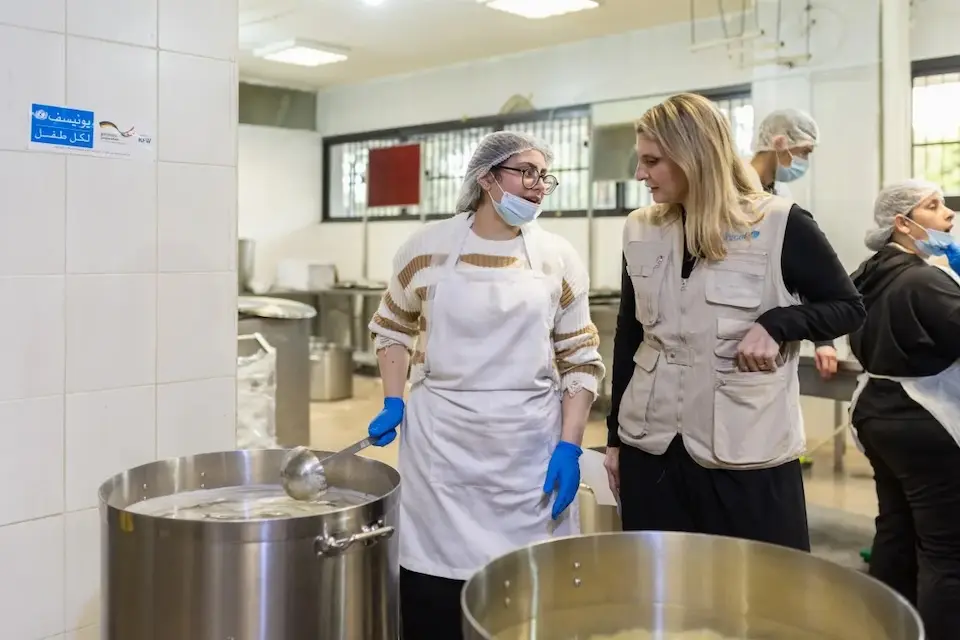
To support families sheltering in technical and vocational schools across Lebanon, UNICEF and the World Food Program have set up kitchens where young program participants support daily meal preparation efforts.
The day starts early. Displaced youth work side by side in the kitchen, chopping, stirring and portioning meals for distribution across the shelter. More than 150 trained youth produce around 2,000 meals daily, helping ensure families and children have access to warm, nourishing food.
Through this work, they build on their training in cooking, kitchen setup, hygiene and safety, while learning how to manage large-scale meal preparation and coordinate tasks in a fast-paced environment.
Learn more: Showing Up to Support Children in Lebanon
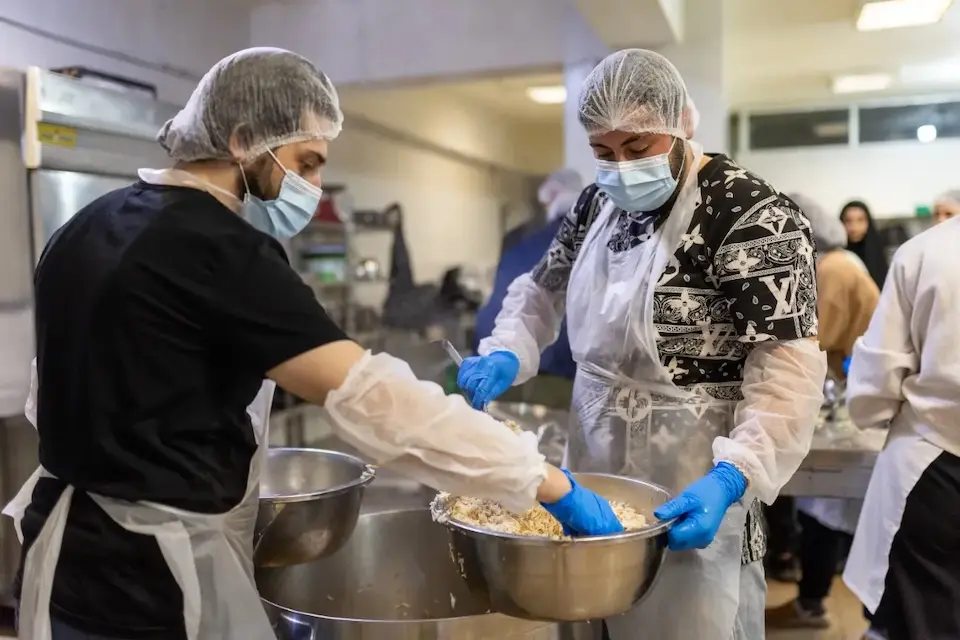
Some of the young people are displaced themselves. Today, they are not only learning and earning but also staying active and supporting others facing similar challenges.
Becoming a member of the kitchen crew has given 17-year-old Abdallah a sense of purpose during a difficult time. "We were living in the Beirut suburbs, and when the war started, we had to leave our home and move to a shelter. I was eager to join the kitchen initiative. It gave me the opportunity to learn cooking skills, earn income and help others," he says.
I was eager to join the kitchen initiative. It gave me the opportunity to learn cooking skills, earn income and help others. — Abdallah, 17
He enjoys the work, and is proud to be putting his training to good use. “Every day, we start at 8:00 a.m. with sessions led by a chef, where we learn about kitchen hygiene and safety," Abdallah says. "Instead of sitting all day, I’m learning, staying active and doing something meaningful.”
Learn more: UNICEF Delivers Aid to Lebanon
Youth in production: stitching clothing items for displaced families
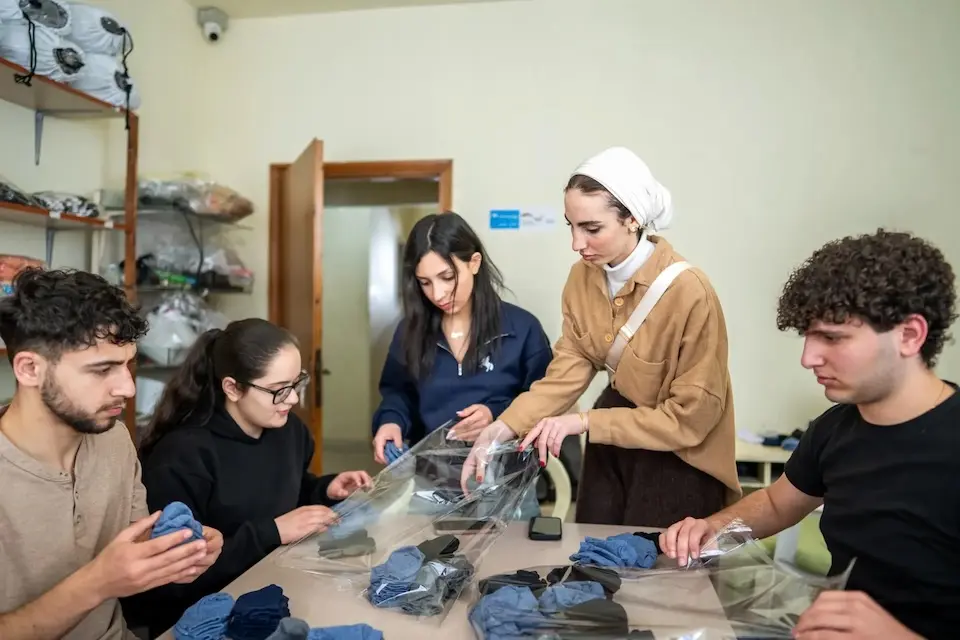
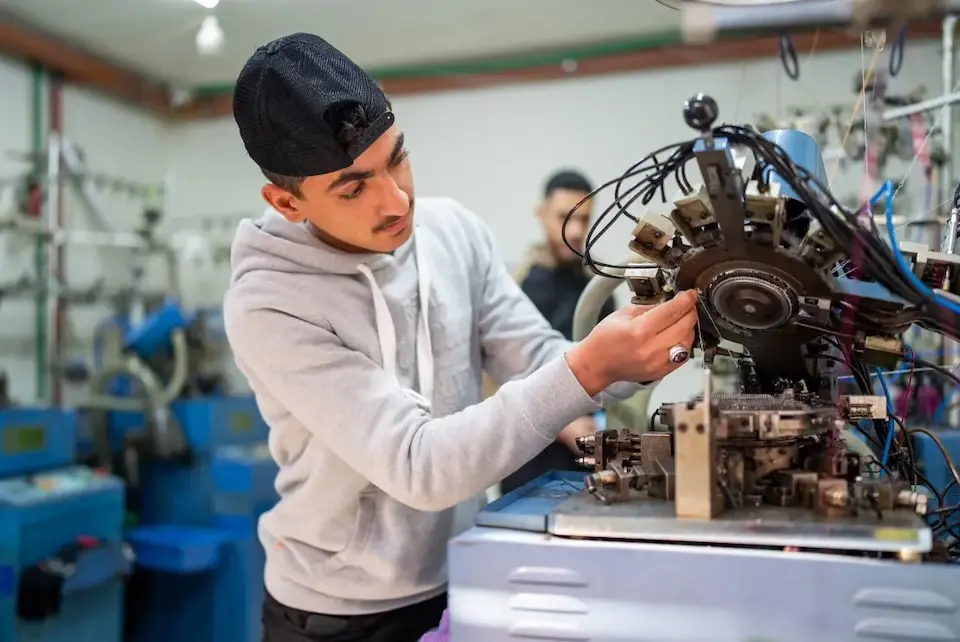
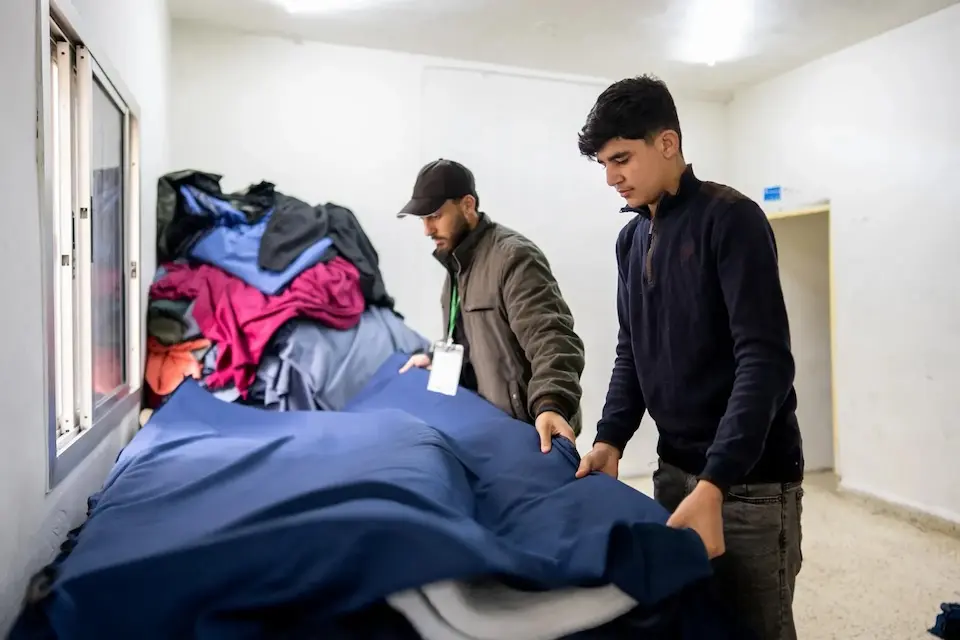
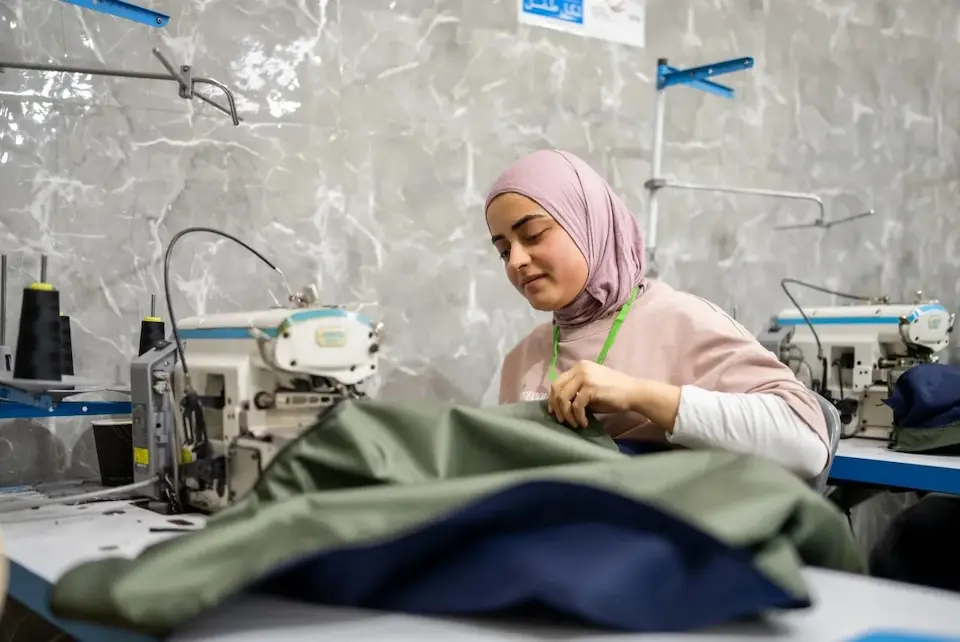
In another space, the sound of sewing machines fills the room as youth produce essential items for families and children living in shelters. They cut, stitch and assemble materials into clothing and sleeping bags.
Here, training becomes tangible. Skills in fabric handling, pattern cutting and machine operation translate directly into items that bring comfort and protection to those in need.
More than 350 youth are involved in the production process, preparing approximatively 10,000 clothing kits and sleeping bags for distribution across affected locations in Lebanon.
Working side by side, supporting one another
For many, this is their first experience applying these skills beyond the classroom, turning learning into something tangible, useful and immediate.
When his family was displaced from the south to the north, 18-year-old Hussein found himself cut off from everything he knew. “We had nothing to do, and we were constantly worried about our families and friends who were still in the south or living in tents,” he says. “We felt down and sad.”
Drawn by the idea of doing something meaningful, Hussein joined the Learning to Earning program. “When I heard about the sewing course, I really wanted to dedicate my time to support families and my people in need and be part of these efforts,” he says. He was welcomed into a space where young people from host communities worked side by side, sharing skills, supporting one another and contributing to something larger than themselves. “When I arrived, I immediately felt at ease," he recalls. "Everyone treated me as part of their community.”
What started as a way to pass time has become something much more. “Being part of this work gave me a sense of purpose. I now wake up each day feeling motivated,” Hussein says.
The best part is working together towards one goal. It reflects unity and hope. — Lynn, 19
Lynn, 19, also finds comfort in the group's shared mission. “We, as young men and women, have the ability to support each other, especially families who had to leave their homes without basic necessities," she says.
"That’s why we joined this initiative. I feel a sense of purpose when I’m able to help others. We are working with our hands to bring even a small sense of comfort to people who have lost so much. The best part is working together towards one goal. It reflects unity and hope.”
Youth in shelters: simple moments of care
In several displacement shelters across Lebanon, a different kind of support is taking place.
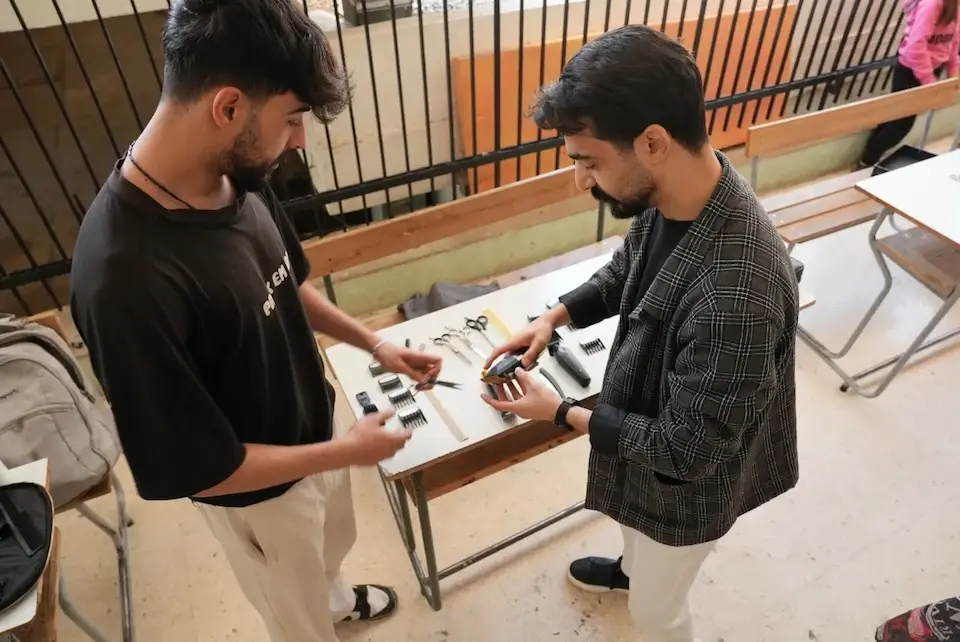
In schools hosting displaced families, displaced youth have set up simple barber stations offering haircuts and beard trims using basic tools and a chair.
Through this initiative, they are putting their grooming skills into practice while creating moments of normalcy for those navigating displacement. Around 94 youth are involved, reaching more than 3,500 individuals across various shelters.
While the service is simple, its impact is immediate. For many, it is a chance to feel seen and cared for, even if only for a moment.
Zeina, 23, says, “Today, I feel better knowing that I was able to contribute and support my country during these difficult times. Seeing displaced families feel more comfortable because of this support made me happy. It showed a real sense of unity. I also made new friends along the way.”
Support UNICEF's lifesaving and life-changing work
UNICEF’s Learning to Earning program is helping young people across Lebanon turn skills into opportunity and action strengthening their livelihoods and expanding access to learning and job opportunities. Even in times of crisis, youth are finding ways to support others, bringing not only practical help but also a renewed sense of hope.
In the first quarter of 2026, UNICEF scaled up its multi-sectoral response in Lebanon. To meet rising humanitarian needs, UNICEF is appealing for $376.8 million. As of March 31, the appeal was 65 percent underfunded.
Support UNICEF's work for children
UNICEF USA complies with U.S. sanctions restrictions, and, as such, we do not accept funds specifically designated for programs in Iran. We do, however, raise funds for UNICEF programming in the Middle East and North Africa region.
For parents and caregivers: How to Talk to Your Children About Conflict and War
This story is based on reporting from UNICEF Lebanon
HOW TO HELP
There are many ways to make a difference
War, famine, poverty, natural disasters — threats to the world's children keep coming. But UNICEF won't stop working to keep children healthy and safe.
UNICEF works in over 190 countries and territories — more places than any other children's organization. UNICEF has the world's largest humanitarian warehouse and, when disaster strikes, can get supplies almost anywhere within 72 hours. Constantly innovating, always advocating for a better world for children, UNICEF works to ensure that every child can grow up healthy, educated, protected and respected.
Would you like to help give all children the opportunity to reach their full potential? There are many ways to get involved.