Young Armed-Group Recruits Find Their Way Back With UNICEF's Help
UNICEF and the Government of Haiti have teamed up to strengthen prevention and response to child recruitment by armed groups — and help victims rebuild their lives.
A partnership to protect children from a grave violation of their rights
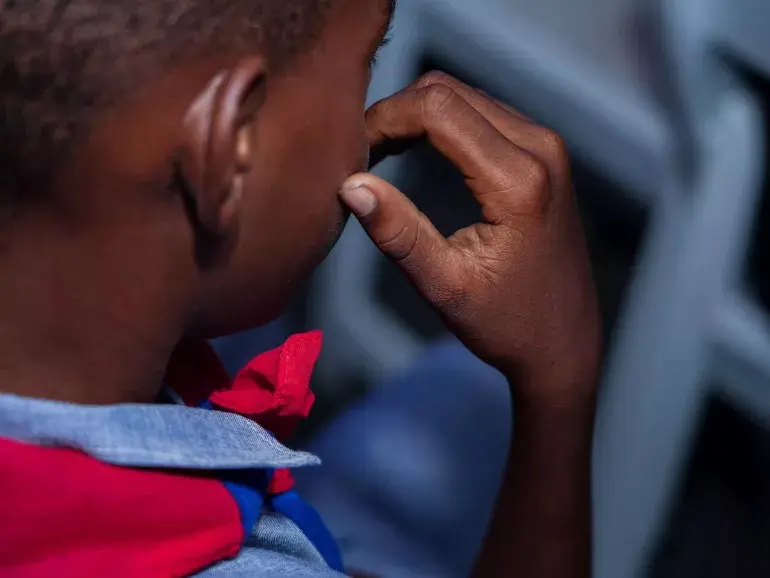
Before violence shattered his life, Ali, now 15, lived with his mother in Haiti. After intense gunfire erupted in his neighborhood, he lost her to the violence and was left alone. Forced onto the streets, he begged for food and slept outside, exposed to abuse and exploitation.
One day, some men approached him and his friends with money. Moments later, guns were placed in the boys' hands. When Ali refused to follow orders, he was threatened.
Today, Ali is receiving psychosocial support, care and protection at a transit center established by UNICEF in partnership with Haiti's Institute of Social Welfare and Research (IBESR*) as part of an initiative called Prevention and Rehabilitation Program Against Children and Youth Recruitment (PREJEUNES**).
The goal: to strengthen prevention and response to child recruitment by armed groups, a grave violation of child rights and an increasingly common practice.
Related: Child Recruitment in Haiti Surges Threefold in Just One Year — UNICEF
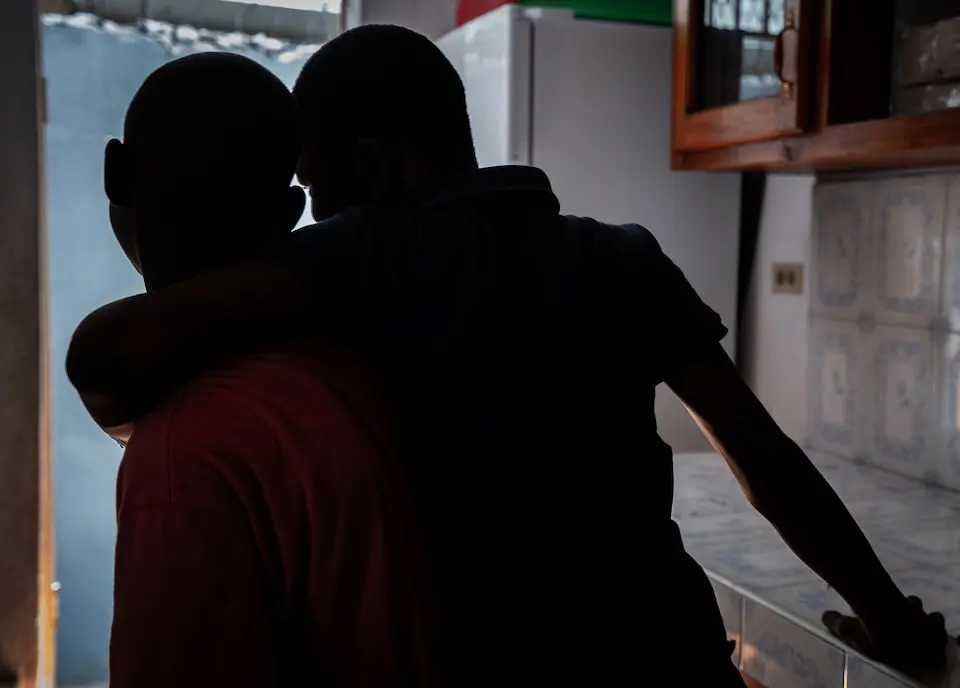
Thanks to PREJEUNES, since 2024, more than 570 children formerly associated with armed groups have received specialized protection and reintegration support.
“I really like this space," Ali said. "Here, I find friends to play with. They take good care of us. One day, I dream of becoming a pilot."
The situation for children in Haiti remains critical. More than 1.4 million people are internally displaced, over half of them children who are facing overlapping crises, including armed violence, natural disasters and extreme poverty. These conditions have fueled the growth of armed groups, increasingly forcing children into recruitment.
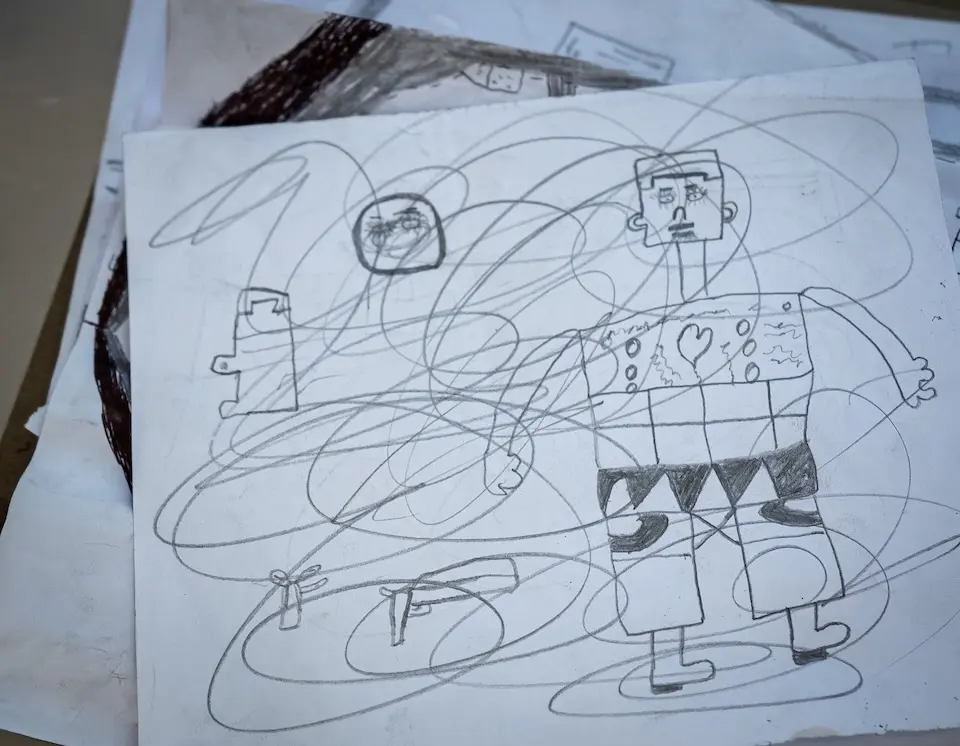
A powerful signal, an act of hope and a collective promise
PREJEUNES is being implemented within the framework of the Protocol for the Handover of Children Allegedly Associated with Armed Gangs — a mechanism for ensuring that the children are not treated as criminals but rather as victims of human rights violations. It aims to protect children from recruitment, exploitation and violence, while also offering them sustainable reintegration solutions and comprehensive support; by working within that protocol framework, the program creates an opportunity to identify and transfer children in need of that protection and support to IBESR within three days.
Two workshops were held to shape the program's development prior to its launch in July 2025. The sessions brought together government, civil society and UN system experts to lay the groundwork for a response tailored to the Haitian context, rooted in local realities and adapted to the specific needs of children — particularly girls exposed to multiple forms of violence.
Gianluca Flamigni, Chief of the Health and Nutrition at UNICEF Haiti, called PREJEUNES "a powerful signal, an act of hope and a collective promise to never again look away from the suffering of children and young people trapped in violence.”
In a broader sense, the assistance is seen as integral to efforts to strengthen the resilience and social cohesion of individual children, families and communities in Haiti through initiatives focused on child protection, education, psychosocial support, livelihoods, vocational training, skills development and life skills acquisition.
PREJEUNES operates with funding from the European Union.
Learn more about how UNICEF continues to support children in Haiti as the country plunges deeper into crisis
*IBESR is short for Institut du Bien-Être Social et de Recherches
**PREJEUNES is short for Programme de Prévention et de Réhabilitation contre le Recrutement des Enfants et des Jeunes
HOW TO HELP
There are many ways to make a difference
War, famine, poverty, natural disasters — threats to the world's children keep coming. But UNICEF won't stop working to keep children healthy and safe.
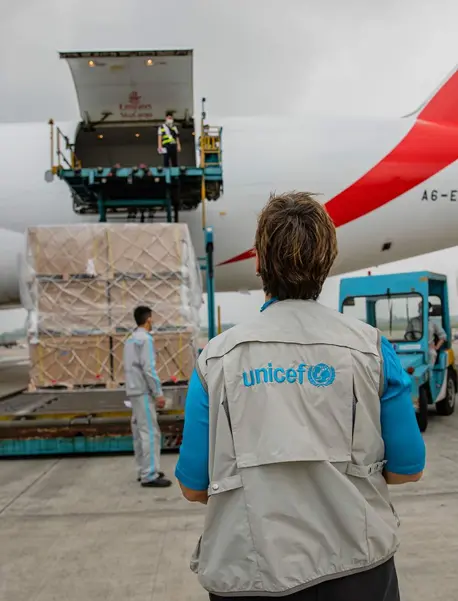
UNICEF works in over 190 countries and territories — more places than any other children's organization. UNICEF has the world's largest humanitarian warehouse and, when disaster strikes, can get supplies almost anywhere within 72 hours. Constantly innovating, always advocating for a better world for children, UNICEF works to ensure that every child can grow up healthy, educated, protected and respected.
Would you like to help give all children the opportunity to reach their full potential? There are many ways to get involved.