World Immunization Week: What It Means for Children With Limited Health Access
Highlights
- Vaccines have safely protected children, families and communities for generations.
- World Immunization Week — the last week of April — is an opportunity to celebrate the lifesaving impact of vaccines and to amplify the need to improve immunization coverage as children worldwide continue to lack access to vaccinations, among other essential health services.
- UNICEF, the largest single vaccine buyer in the world, works with partners globally to strengthen health systems and close immunization gaps to ensure every child is protected from deadly diseases.
Immunization saves millions of lives every year. Yet millions of children globally still lack access to routine vaccination, leaving them vulnerable to preventable diseases. UNICEF works to bridge gaps in childhood immunization to ensure every child has the chance to grow up healthy.
For every generation, vaccines work: World Immunization Week 2026
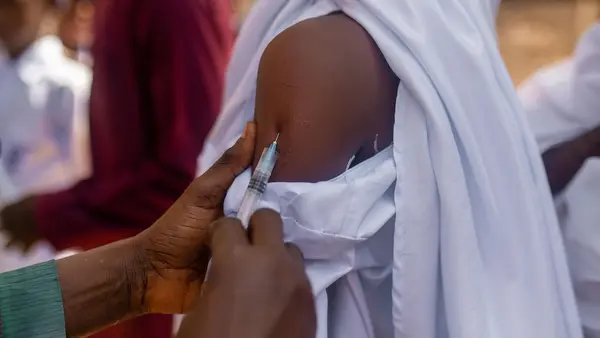
Vaccines are a safe, proven medical treatment that teach the body’s immune system how to recognize and fight off harmful viruses or bacteria without the risk of a full-blown infection.
By triggering a natural immune response, vaccination trains the body to produce antibodies that protect against dangerous diseases — often for a lifetime.
World Immunization Week, coordinated by the World Health Organization (WHO) and supported by UNICEF and partners, is a global public health campaign celebrated each year during the last week of April. Its focus: to promote the lifesaving power of immunization to protect against vaccine-preventable disease.
The theme for 2026 — “For every generation, vaccines work" — is a reminder that vaccines have safely protected people, families and communities for over 200 years; that immunization protects people at every stage of life, from infancy through adulthood; and that childhood immunization provides a sound foundation for lifelong health.
When misinformation, humanitarian crises and funding cuts jeopardize progress against vaccine-preventable diseases, UNICEF works with governments and other partners to fill immunization gaps. That includes helping parents and caregivers understand vaccine safety and reinforcing their trust in vaccines.
World Immunization Week is a chance to celebrate progress and call for accelerated action.
Learn about UNICEF's immunization programs
Vaccines have saved more than 150 million lives in the last 50 years
Vaccines — developed through rigorous scientific research, carefully tested and continuously monitored for safety and efficacy — have long been one of the most powerful tools in public health, saving more than 150 million lives over the past 50 years, the result of ordinary people making the decision to protect themselves, their children and one another.
Families’ decisions to vaccinate their children, together with health workers’ commitment to reaching every child, have contributed to a 40 percent improvement in infant survival over the past 50 years and protected tens of millions of children from lifelong disabilities.
Vaccination has been so successful that many of the diseases that families once feared are now rarely seen in many parts of the world. Because of vaccines, more children now live to see their first birthday — and go to school, work, raise families and grow old — than at any other point in history.
Because of vaccines, more children now live to see their first birthday — and go to school, work, raise families and grow old — than at any other point in history.
Each year, however, nearly 20 million infants miss out on at least one vaccine — including more than 14 million who never receive a single vaccine dose, mostly because they lack access. As a result, millions of children remain unprotected from dangerous diseases that vaccines could prevent.
Read more: Why Vaccines Matter
Disparities in health access a global problem
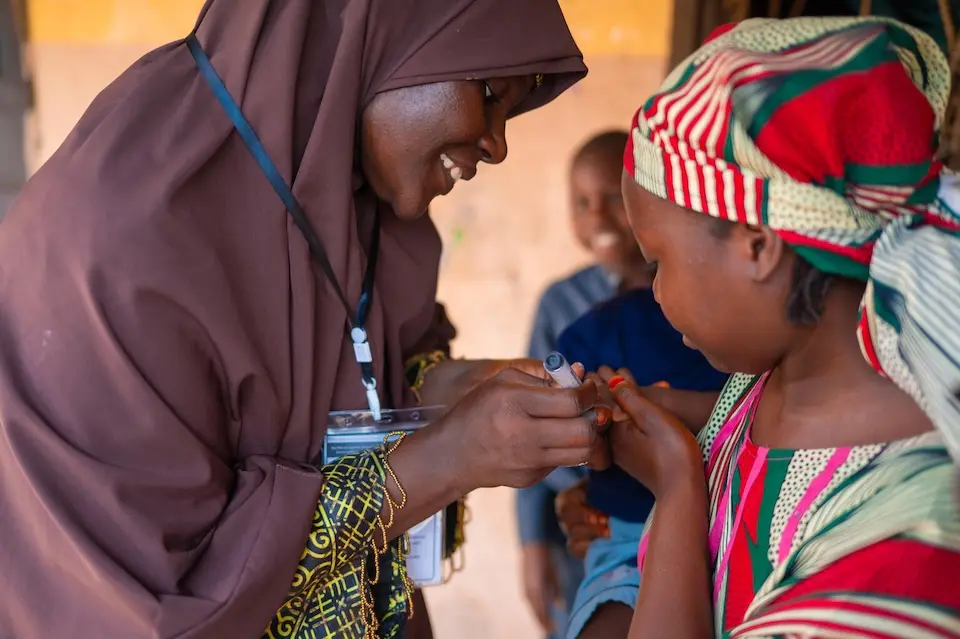
Disparities in access to vaccines persist for children in many areas of the world and for a variety of reasons. Factors like location, gender, race and socioeconomic status can impact whether a child is able to get immunized and access other essential health services.
Related: Outbreaks threaten progress against vaccine-preventable diseases
Children living in areas affected by conflict or instability are often unable to access routine childhood immunization. Health facilities may be damaged, or lack supplies and/or staffing. Reaching them to access vaccination services could be unsafe.
Many rural and remote areas lack health infrastructure altogether.
Poverty is another barrier. Even if the vaccines themselves are free, families may not be able to afford transportation costs. They may be unable to take time off from work to bring children in to get vaccinated.
Gaps in immunization coverage create high-risk environments for everyone — individuals, families and communities.
UNICEF works with partners to improve access to vaccines, with a focus on children most at risk of missing out. That includes children caught in conflicts and other humanitarian crises. There are also millions of children who are "zero dose" — meaning they have never received a single vaccine, often due to systemic barriers to care.
UNICEF works with partners to overcome those barriers and bolster vaccination services at community, local and national levels.
Learn more about how UNICEF works with partners to improve access to immunizations for children globally
Why childhood immunizations must start early
Pediatric immunization needs to start as early as possible to protect infants when they are most vulnerable to severe, life-threatening diseases.
Early infant vaccinations — beginning at birth and focusing on the first six months of life — build natural defenses before exposure, while babies are building their immune systems and maternal antibodies are fading.
For many families, a child’s first vaccine is also their first point of entry into the primary health care system, linking them to nutrition counseling, growth monitoring and more.
Sticking to the recommended vaccination schedule ensures children are protected during their most vulnerable years and creates long-term protection.
Vaccinating your child: guidance for parents and caregivers
Understanding the immunization schedule for children
Recommended immunization schedules for children differ from country to country based on disease prevalence, cost and health infrastructure. The WHO provides global recommendations as a starting point, allowing each country to adjust for its circumstances.
In the United States, the immunization schedule is a scientifically designed, age-based timeline from birth through adulthood, aimed at maximizing protection against infectious diseases when individuals are most vulnerable.
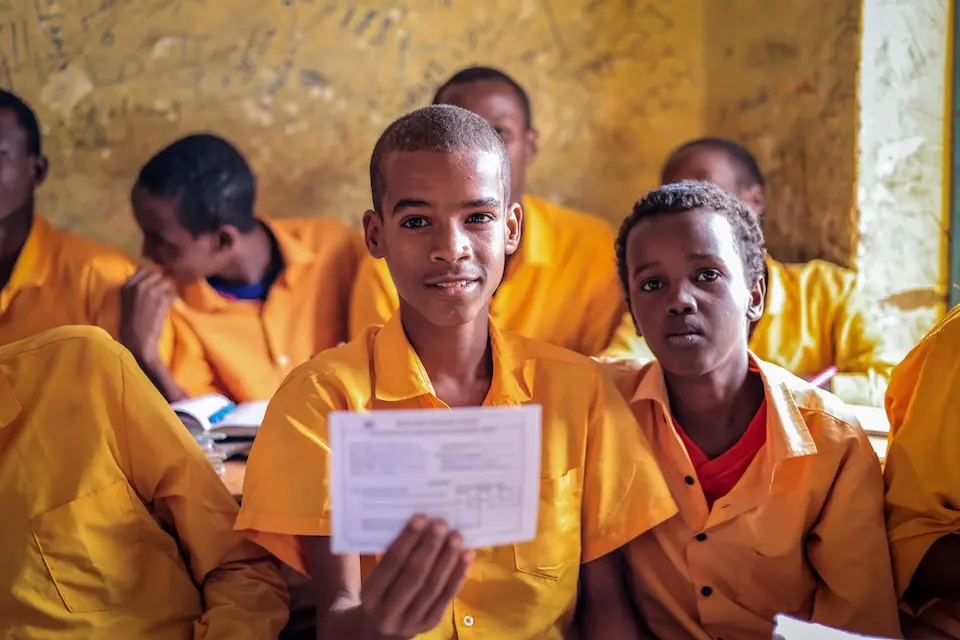
Not only is it important for children to have access to the recommended vaccines at the right time, it’s also essential that documentation is provided and kept safe. This allows for effective continuation of care.
How UNICEF supports expanding access to immunizations
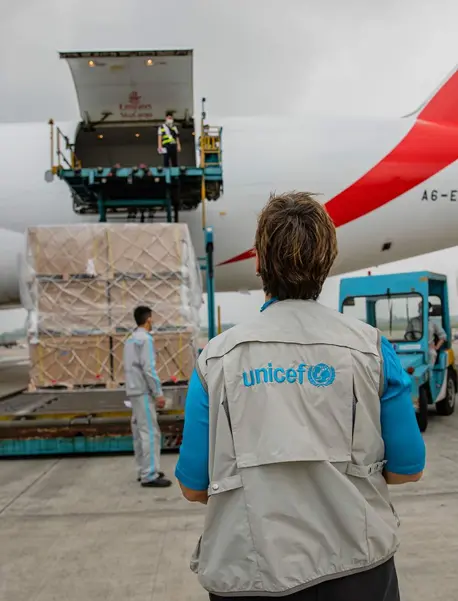
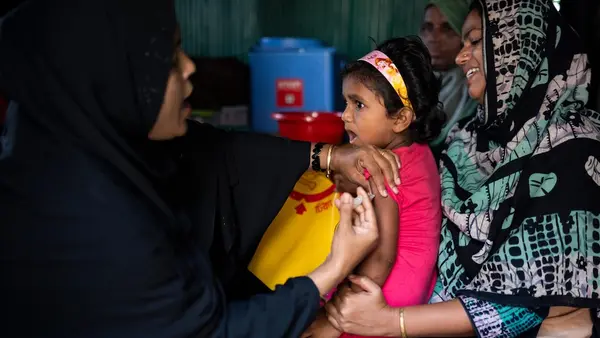
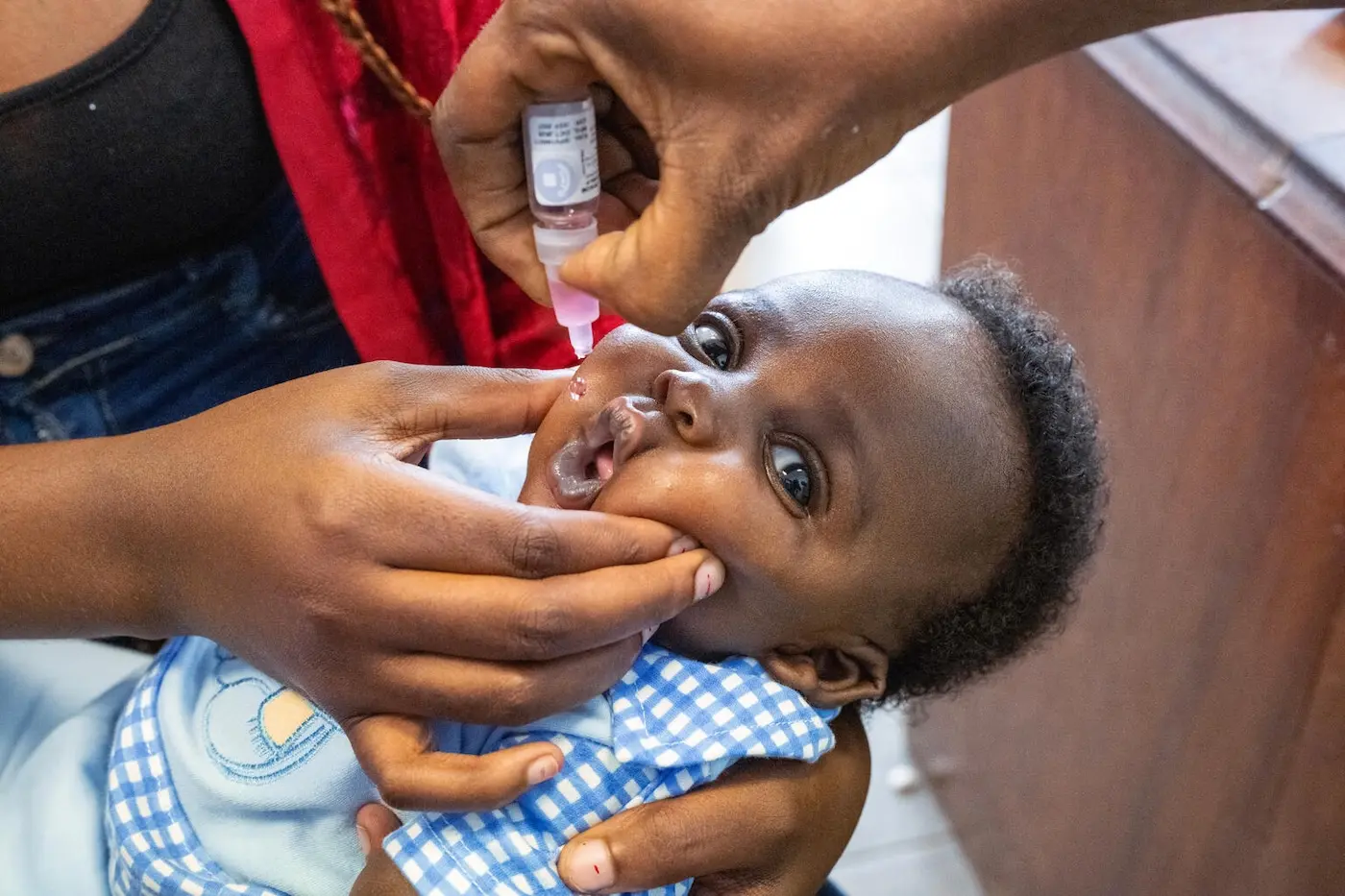
As the world's largest single vaccine buyer, UNICEF secures supplies for both routine and emergency immunization campaigns to fight diseases like measles and polio, with a focus on underserved children, including zero-dose children.
UNICEF support is far-reaching, ranging from supplying refrigeration equipment to safely store vaccines to training community health workers to administer vaccines.
Learn more about how UNICEF supports children's health
Frequently asked questions about immunizations for children
What is immunization?
Immunization is the result of being vaccinated. Vaccines are a safe and proven medical treatment that protect people from serious diseases by helping the body build immunity.
How does immunization work and what is the purpose of administering a vaccine?
Vaccination trains the immune system to recognize and fight infections before they cause illness.
Why is childhood immunization important?
Childhood immunization saves lives. It protects children, families and communities by preventing and reducing the spread of infection and lowering risks of serious illness and death. Gaps in immunization coverage due to a lack of access to vaccines, a breakdown in health services, misinformation that contributes to vaccine hesitancy and other factors increase the risk of disease outbreaks that are a danger to public health.
HOW TO HELP
There are many ways to make a difference
War, famine, poverty, natural disasters — threats to the world's children keep coming. But UNICEF won't stop working to keep children healthy and safe.
UNICEF works in over 190 countries and territories — more places than any other children's organization. UNICEF has the world's largest humanitarian warehouse and, when disaster strikes, can get supplies almost anywhere within 72 hours. Constantly innovating, always advocating for a better world for children, UNICEF works to ensure that every child can grow up healthy, educated, protected and respected.
Would you like to help give all children the opportunity to reach their full potential? There are many ways to get involved.