Why Girls' Education Is Important From the Start
Highlights
- Girls worldwide face barriers to education, from poverty and discriminatory cultural norms to conflict and displacement.
- Early childhood education builds literacy, confidence and school readiness, and sets girls on a path to higher earnings and stronger communities.
- UNICEF works with partners to improve girls' access to education and to keep them in school.
- Supporters can help by making monthly donations to UNICEF.
Learn about the immense value of education for girls, and how UNICEF works to ensure all girls have the chance to learn and thrive.
Every girl should have the opportunity to learn, develop skills and move through childhood with consistent access to a quality education. Yet for many girls around the world, that’s not the case. Barriers like poverty, cultural norms, family responsibilities and more can affect a girl's ability to get a strong start in school, attend class consistently and progress into secondary education.
The impact of education for girls starts early
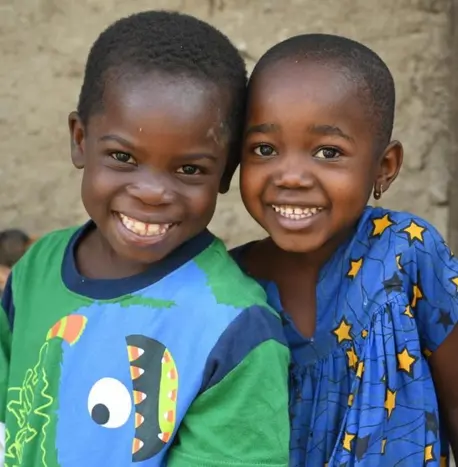
Having the opportunity to start school at a young age and start building foundational skills made an enormous difference for 3-year-old Sheraia of Suriname. Upon accessing early childhood education, the quiet toddler transformed into a lively, observant, talkative little girl.
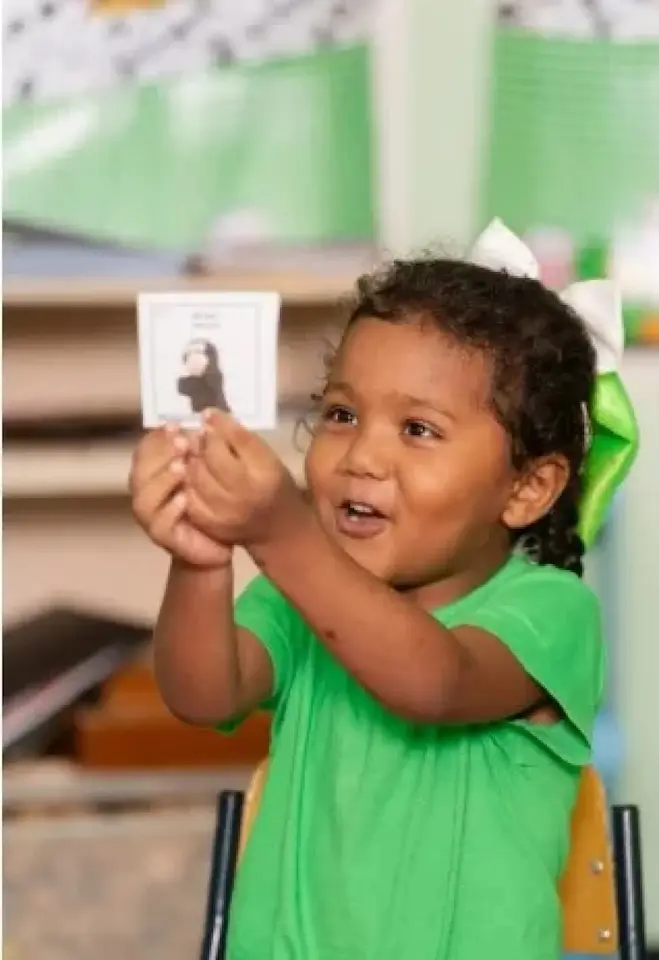
With support through UNICEF's Play, Discover & Learn program, Sheraia began developing language, curiosity, confidence and independence through play-based learning. Her family noticed the significant change. “She’s not the same child she was a year ago,” Sheraia’s mother said. “She’s brighter, more expressive and even more independent.”
Access to quality education helps build foundational literacy and numeracy, builds confidence and school readiness and lays a strong foundation for a child to continue learning throughout their lives. Girls who go on to complete secondary school education earn more, invest in their communities and contribute more to their local economies. Early learning puts them on that path and sets them up for a brighter future.
UNICEF works with partners to remove barriers to education and eliminate gender disparities as part of its mandate to protect and promote every child's right to a quality education.
What can interrupt a girl's education as she grows
Girls’ education can be disrupted at virtually every stage of learning by any number of challenges.
For families in poverty, the cost of school materials can sometimes force a difficult decision between sending the son or daughter. In remote areas, it can be unsafe for young girls to travel to school.
Once a girl is enrolled in school, attending consistently and moving on from primary to secondary schooling can represent a different challenge. In many parts of the world, girls are expected to take on more household chores than boys — like fetching water — leaving little or no time for learning.
As girls approach adolescence, inadequate sanitation and hygiene facilities in schools can affect girls’ attendance during their menstrual periods. Those living in poverty or conflict face higher risks of being out of school and in child labor or a child marriage, two negative coping mechanisms for desperate families.
Conflict forced young Adiam's family to flee their home in northern Ethiopia, and her father's mental health suffered. As the family moved from place to place seeking treatment, Adiam’s schooling seemed to have become an impossible dream.
But then a UNICEF-supported accelerated learning program helped her return the classroom. She received school supplies and other assistance, and was soon making strong academic progress and looking toward the future. “Education is vital because it helps us live a good life,” Adiam said. “I want to become a doctor… to treat sick people… to treat my father.”
Learn more about how UNICEF works with partners to educate girls and protect learning as a fundamental right for all children
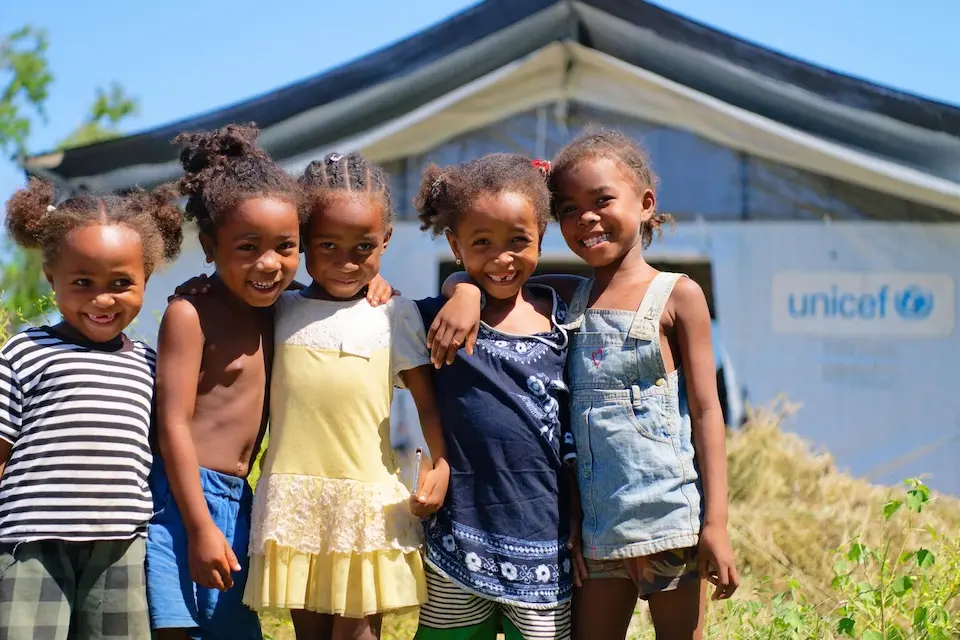
How UNICEF helps girls keep learning
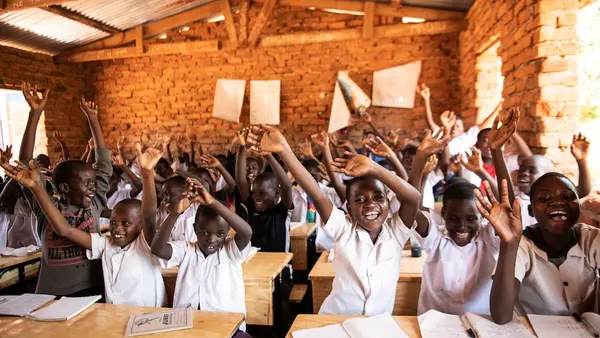
UNICEF works in a number of ways with governments and other partners and in communities to ensure girls can enter school, stay in school and keep learning in structured environments, starting from their earliest years through adolescence, helping to protect their right to grow, develop, participate and reach their full potential.
Leveraging programs across early learning, primary education and secondary education helps ensure girls are supported throughout childhood. UNICEF efforts to support girls' education include:
- ensuring schools are equipped with safe water and sanitation to improve the learning environment
- making girls’ education more affordable for families by providing learning materials and humanitarian cash transfers
- training teachers in gender-responsive approaches to help eliminate gaps in girls' learning
- supporting alternative or community-based learning programs
- advocating for girls to be considered in national education plans
Learn more about how UNICEF works to keep children learning
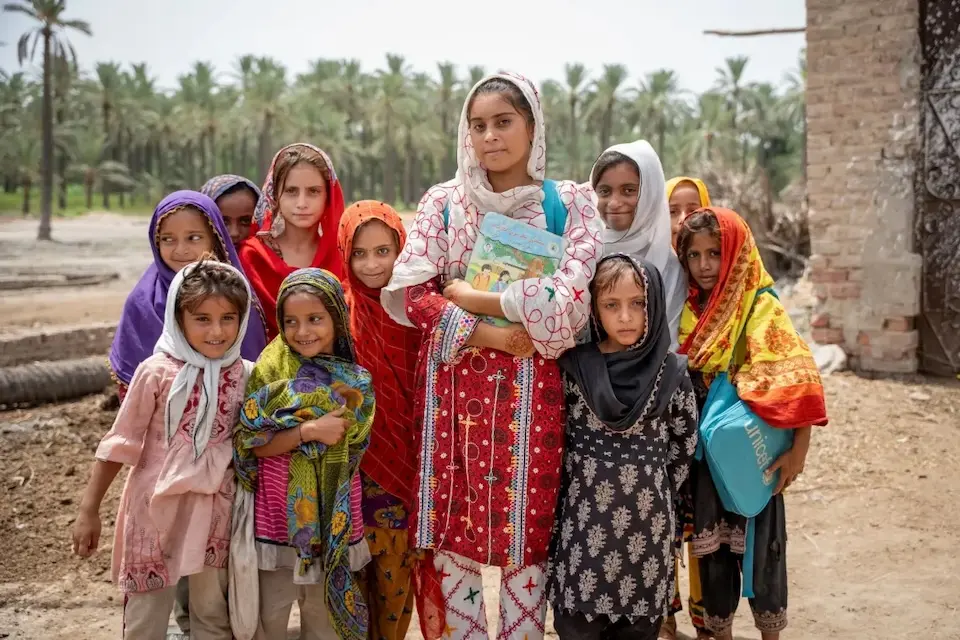
Inspiring change: student becomes the teacher
And UNICEF-supported education programs focused on girls can inspire change that trickles down through generations.
Sadia grew up in a small village in Pakistan where most children don’t have access to schools and cultural norms discourage any learning for girls. After losing her mother at the age of 6, a friend helped Sadia enroll in a UNICEF-supported non-formal education program, where she completed grades 1 through 8 before going on to public school.
As a young adult, Sadia was so inspired by her teacher that she opened a small classroom to teach other children in her village free of charge. She asked her teacher for a blackboard, and her uncle built her a small hut to serve as a small classroom. “I tell parents to let their daughters study, but I know poverty makes it hard,” Sadia said.
Call to action for supporters: Help more girls learn and thrive
UNICEF USA mobilizes support from U.S. donors and advocates to help UNICEF scale and sustain ongoing work with partners around the world — including program efforts supporting girls’ education to protect each girl’s right to develop, participate in society and reach her potential.
There are many ways to help support UNICEF's global work for children. Every dollar, every action can make a difference. You can:
- donate monthly — the best way to support
- host a fundraiser of your own
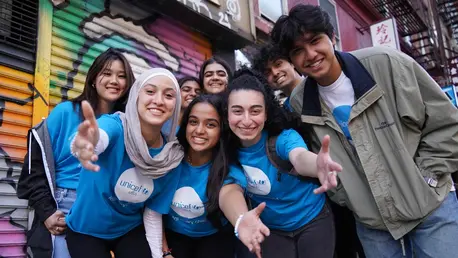
- start a UNICEF Club at your school
- take advocacy action
Learn more about how you can join UNICEF USA in supporting UNICEF’s work to ensure every child can grow up healthy, educated, protected and respected
Frequently asked questions about girls' education
Why is girls' education important from a young age?
Girls' education is important starting at a young age because it provides the foundation for learning and excelling for the rest of their lives. Access to early childhood education helps close gender gaps and puts girls on a solid path toward building critical skills.
Why do girls have less access to education?
There are many barriers that impact girls’ access to education. Poverty, household responsibilities, safety concerns, discriminatory expectations and cultural norms, lack of access to safe water in schools and other factors can keep girls out of school. Child marriage also disrupts education. Ending the practice helps keep girls in school, just as keeping girls in school helps end the practice of child marriage.
How does UNICEF help girls get an education?
UNICEF works to strengthen education systems and remove practical barriers that can prevent girls from starting their education at the same time as other children, and completing at least secondary school. Some UNICEF-supported programs and partnerships help lift burdens and barriers that keep girls out of school. Some help ensure girls can stay in school. And some programs focus on improving the quality of the education girls receive.
How can I support girls' education?
You can support girls’ education by advocating for equal access to learning for girls everywhere. You can leverage your voice and your platforms to bring attention to the barriers many girls face in accessing education. And you can donate to organizations like UNICEF to help support programs that help ensure girls get educated.
What should I look for when supporting girls' education charities?
When searching for girls' education charities to support, focus on evidence-based programs, transparency and accountability. Check whether an organization is achieving impact by looking up reported results. Learn more: Best Charities to Donate to for Children
HOW TO HELP
There are many ways to make a difference
War, famine, poverty, natural disasters — threats to the world's children keep coming. But UNICEF won't stop working to keep children healthy and safe.
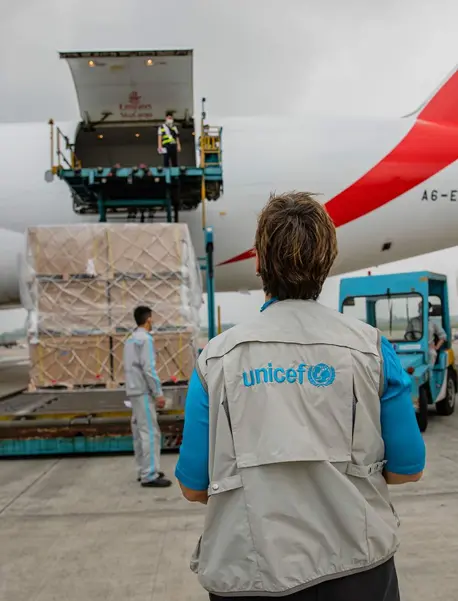
UNICEF works in over 190 countries and territories — more places than any other children's organization. UNICEF has the world's largest humanitarian warehouse and, when disaster strikes, can get supplies almost anywhere within 72 hours. Constantly innovating, always advocating for a better world for children, UNICEF works to ensure that every child can grow up healthy, educated, protected and respected.
Would you like to help give all children the opportunity to reach their full potential? There are many ways to get involved.