Water Emergency in Gaza Endangers Children's Lives
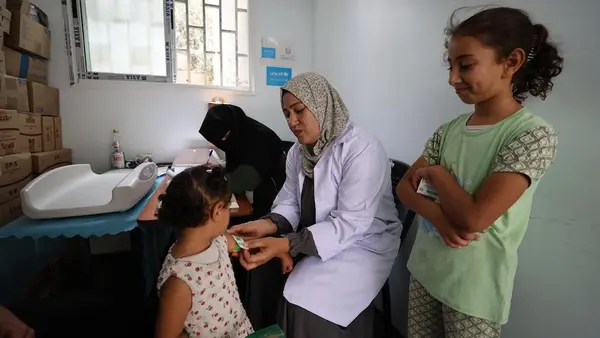
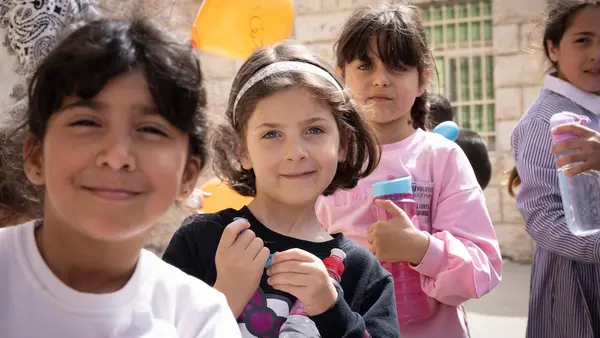
Almost every household in Gaza — 96 percent — lacks access to adequate quantities of safe, clean water. UNICEF and partners are doing what they can to provide water to approximately 1.5 million people, including 600,000 children, through water trucking, repairs to damaged water systems and support for desalination plants. More help is needed.
Water production capacity has plummeted
Children in Gaza face ongoing air strikes and bombardment, repeated displacements and a man-made famine.
Add to all that the daily struggle to find sufficient quantities of safe, drinkable water. Since the start of the war, 80 percent of Gaza's water, sanitation and hygiene (WASH) infrastructure has been crippled by military operations. Remaining water pumping, desalination and wastewater treatment facilities are all operating at significantly reduced capacity because of a lack of fuel.
Related: Famine Confirmed in Gaza
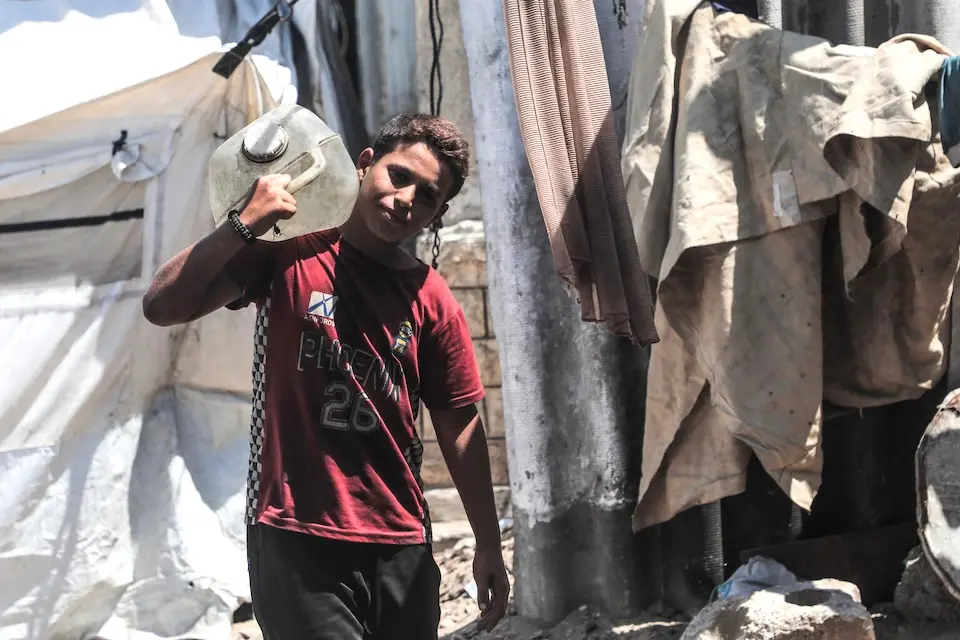
UNICEF works with partners to reach people in Gaza with safe water
Over the past 22 months, UNICEF has helped repair water facilities, distributed water treatment chemicals and delivered millions of liters of fuel for wells, desalination plants and generators. Many challenges remain.
Related: Pressing for More Access, UNICEF Delivers Urgently Needed Supplies to Gaza
Watch the video:
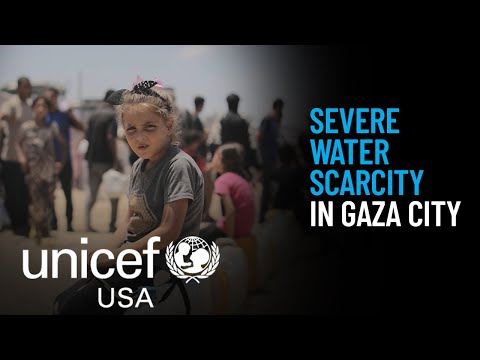
A never-ending search for water, food and firewood
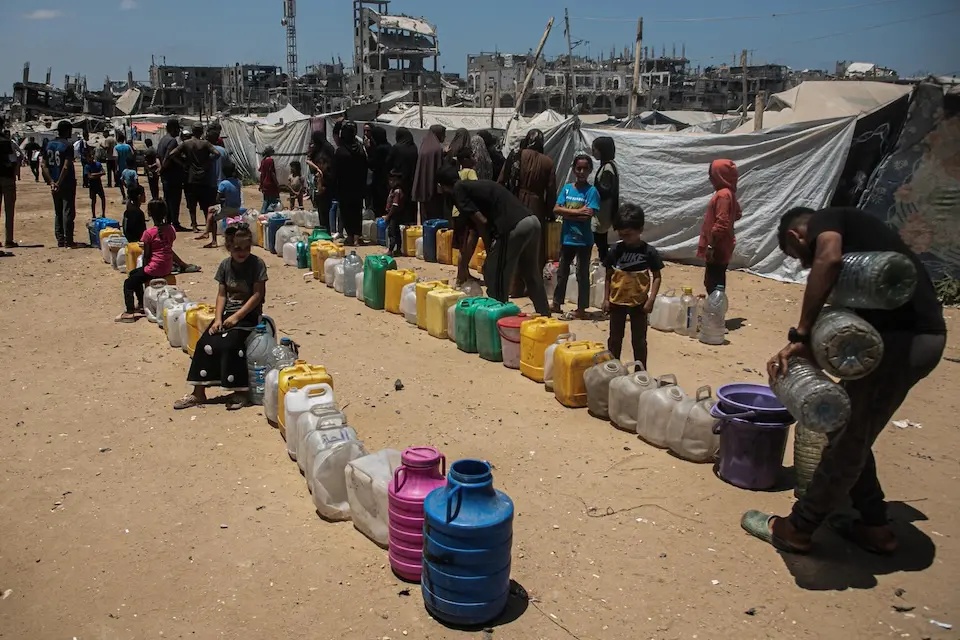
Often, the daily job of finding and collecting water falls to children — sometimes with horrific consequences. In July, seven children were killed as they waited in line for drinking water at a distribution site in central Gaza.
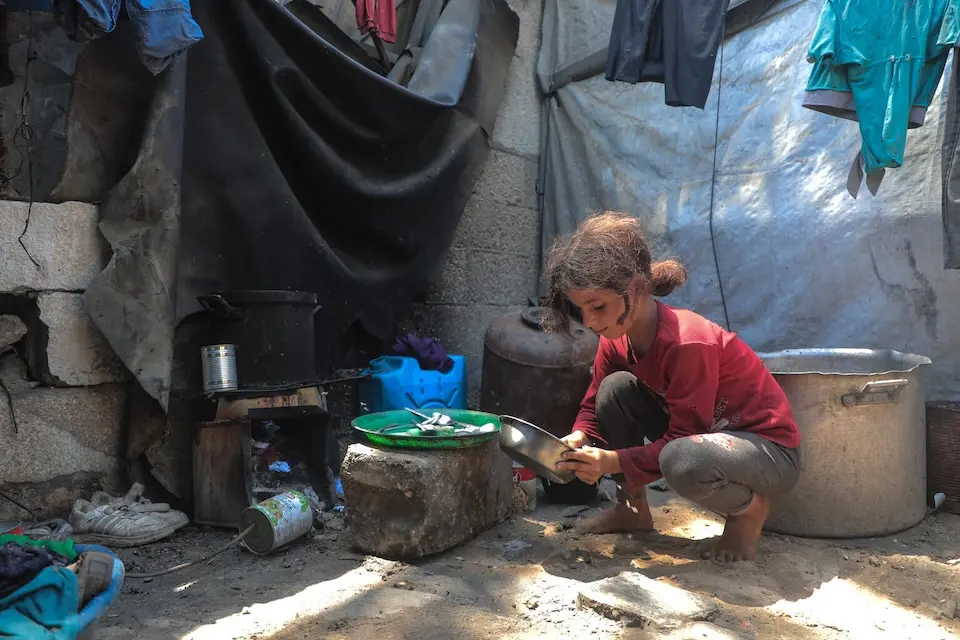
"I wake up in the morning and have to search for water and things to burn, to cook food," said Rafif, 11. "In the past, I used to wake up and go to school. I was very happy then. My father used to buy me pretty clothes for Eid.”
I wake up in the morning and have to search for water and things to burn, to cook food. In the past, I used to wake up and go to school. I was very happy then. — Rafif, 11
"Before the war, we were happy in our life," added 10-year-old Tala. "We used to go to the sea during vacations, and we went to the amusement park. Our life was between school, home and playing. But now, we wash our faces in the morning and then go search for firewood and water.”
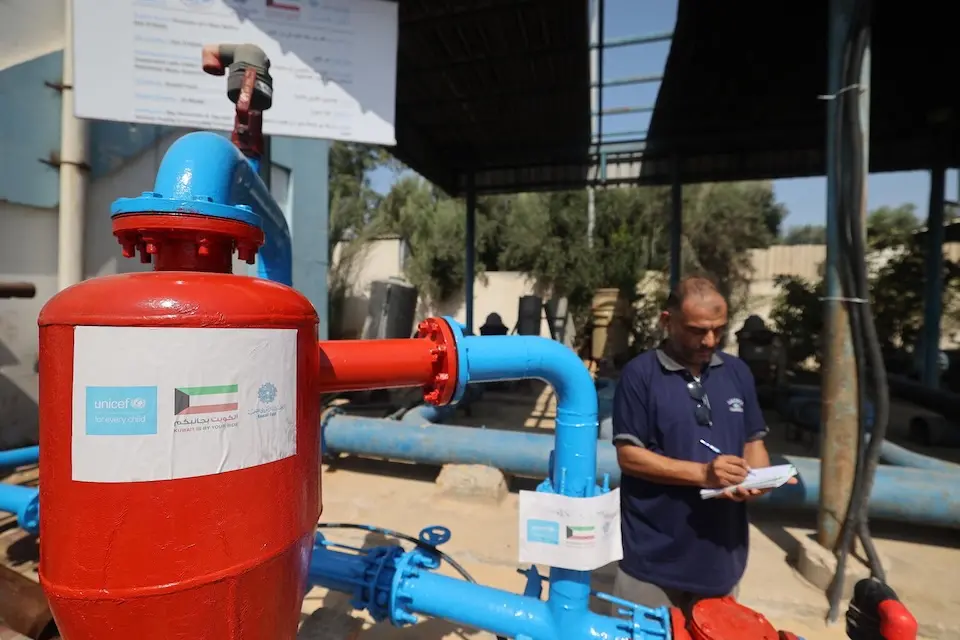
UNICEF is rehabilitating water wells and supporting desalination plants
In July, UNICEF's work to improve reliable access to basic WASH services in Gaza included:
- starting the rehabilitation of 17 groundwater wells, out of 80 that have been destroyed
- supporting service providers (including large desalination plants and wells) and partners with chlorine and chemicals to ensure the provision of safe water and sustainable operation of the desalination plants
- sustaining sanitation and hygiene services by repairing wastewater pumping facilities and networks, constructing mobile latrines and providing solid waste disposal services
- distributing 30,000 bars of soap, five water tanks (with a capacity of 5,000 liters each) to hospitals, and cleaning materials for people in camps, benefiting around 16,000 of the most vulnerable people, of whom 40 percent are children and 30 percent are women
Read the latest UNICEF State of Palestine situation report for more details
Waterborne diseases on the rise
Families struggling to conserve what little water they have for drinking and cooking are going days without bathing or washing clothes. Skin diseases, including scabies, lice and impetigo, are widespread.
With safe, clean water increasingly difficult to access, children have little choice but to drink contaminated water. This increases the risk of disease outbreaks, with waterborne illnesses now making up 44 percent of all health care consultations.
Unsafe water and sanitation can also lead to malnutrition or make it worse. Unsafe water can cause diarrhea, which can prevent children from getting the nutrients they need to survive. Malnourished children are also more vulnerable to waterborne diseases like cholera.
Related: 4 Things You Should Know About Water and Famine
Every child has the human right to safe drinking water
UNICEF provides emergency WASH services in over 60 countries, including those affected by armed conflict, migration crises, natural disasters and diseases like cholera and Ebola. In 2024, with UNICEF's support, more than 33 million people globally gained access to safe water, over 18 million to basic sanitation services, and more than 21 million to basic hygiene services.
Your contribution to UNICEF is more important than ever. Help now.
HOW TO HELP
There are many ways to make a difference
War, famine, poverty, natural disasters — threats to the world's children keep coming. But UNICEF won't stop working to keep children healthy and safe.
UNICEF works in over 190 countries and territories — more places than any other children's organization. UNICEF has the world's largest humanitarian warehouse and, when disaster strikes, can get supplies almost anywhere within 72 hours. Constantly innovating, always advocating for a better world for children, UNICEF works to ensure that every child can grow up healthy, educated, protected and respected.
Would you like to help give all children the opportunity to reach their full potential? There are many ways to get involved.