Thousands of Injured Children in Gaza Need Urgent Medical Evacuation
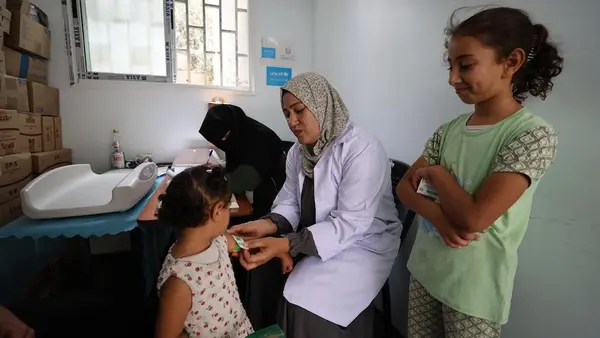
With most of Gaza's hospitals in ruins, thousands of children critically injured in the conflict are waiting for permission to be medically evacuated. UNICEF is calling on the international community to do everything in their power to allow Palestinian children to travel so they can access the emergency lifesaving care they need to survive.
Palestinian children critically injured in Gaza's deadly confict need urgent medical care
Over almost two years of war, at least 19,000 children have reportedly been killed and 42,000 injured in the Gaza Strip. Thousands have suffered life-threatening injuries — head trauma, amputations, burns — that Gaza's badly damaged health system can't address. There are now more child amputees per capita in Gaza than anywhere else in the world.
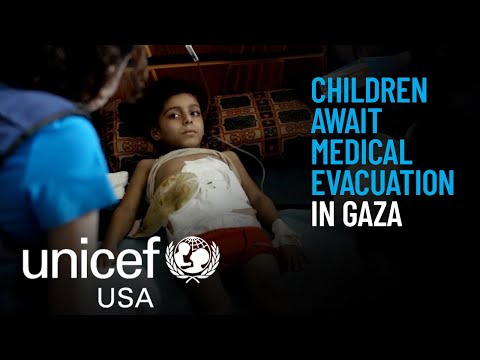
Eight-year-old Retal was severely injured when her home in Gaza City's al Zeitoun neighborhood was hit by shelling on July 5, 2025, killing her brother Karam, 12, and sister Judy, 10. Retal has undergone nine abdominal surgeries since then, but they haven't relieved her suffering.
For two months now, Retal has been waiting for Israeli authorities to allow her to be medically evacuated so she can receive the treatment she needs.
Watch the video:
Content warning: this video depicts the devastating consequences of the war in Gaza
After 778 attacks on health facilities, Gaza's remaining hospitals cannot provide the lifesaving medical care injured children desperately need
At least 778 attacks on health facilities in Gaza were recorded between October 2023 and August 2025. Gaza's remaining hospitals are operating under unimaginable strain; the decimated health system can't provide the lifesaving medical care injured children like Retal urgently need.
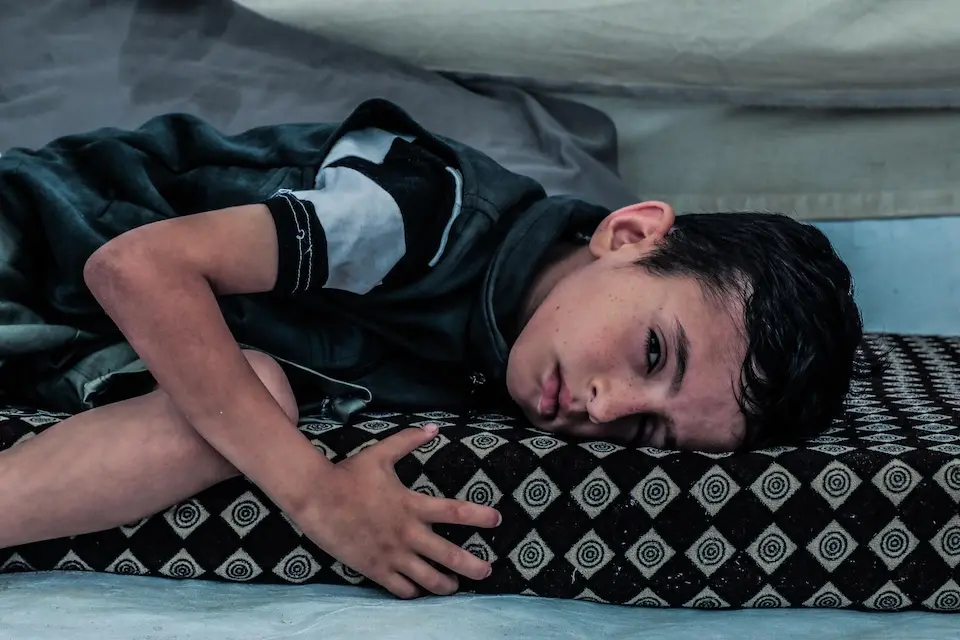
Lying motionless on the floor of the apartment in Gaza City she and her mother share with other families, Retal stares solemnly at visitors from UNICEF. Her torso is covered in bandages, her eyes full of pain.
Retal is dying a slow death, and her condition is getting worse by the day. — Nama, mother of 8-year-old Retal, critically injured by a July air strike that killed her sister and brother in Gaza City
"Retal is dying a slow death, and her condition is getting worse day by day," her mother, Nama, said through her tears. "She is my only surviving daughter. I hope she can travel and continue her treatment. Retal is the only one I have left in this life."
Children are dying as they wait for medevac permission
IIn the first four months of 2024, an average of 296 children were medically evacuated from Gaza each month. By late 2024, that number had fallen to a rate of fewer than one child medically evacuated per day.
“As a result, children in Gaza are dying, not just from the bombs, bullets and shells that strike them, but because, even when ‘miracles happen,' even when the bombs go off and the homes collapse and the casualties mount, but the children survive, they are then prevented from leaving Gaza to receive the urgent care that would save their lives," a UNICEF spokesperson said in October 2024.
At that time, UNICEF warned that if the lethally slow pace of medevac permissions continued, it would take more than seven years to evacuate the 2,500 children needing urgent medical care.
UNICEF has the ability to safely transport badly injured children out of Gaza
As the bombardment of Gaza City intensifies, the lives of 450,000 children — including the desperately ill, like Retal — lie in the balance. Until Gaza's health care system can handle all needs, UNICEF is calling for medical evacuations at speed and at scale, with the guarantee that all evacuated patients can return to Gaza.
"We are urging the international community to do everything in their power to open their borders and open their hearts for children like Retal," said UNICEF spokesperson Tess Ingram.
Learn more about what UNICEF is doing to help children and families in Gaza
HOW TO HELP
There are many ways to make a difference
War, famine, poverty, natural disasters — threats to the world's children keep coming. But UNICEF won't stop working to keep children healthy and safe.
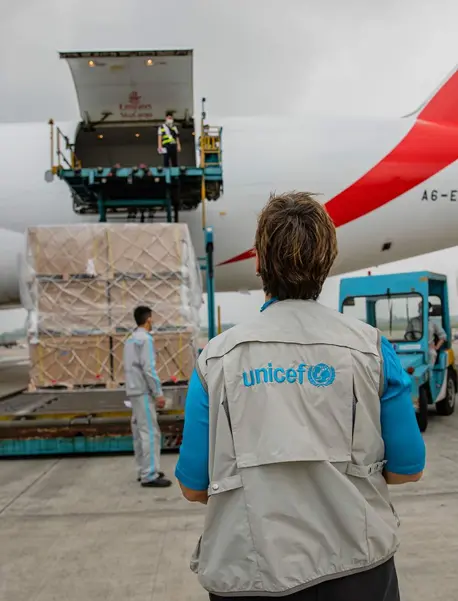
UNICEF works in over 190 countries and territories — more places than any other children's organization. UNICEF has the world's largest humanitarian warehouse and, when disaster strikes, can get supplies almost anywhere within 72 hours. Constantly innovating, always advocating for a better world for children, UNICEF works to ensure that every child can grow up healthy, educated, protected and respected.
Would you like to help give all children the opportunity to reach their full potential? There are many ways to get involved.