From Risk to Resilience: Putting Children at the Heart of Climate Action
UNICEF's message at COP30: Bold and accelerated action must be taken now to prevent children from experiencing the worst effects of the climate crisis.
Securing a better future for children means mitigating climate impacts
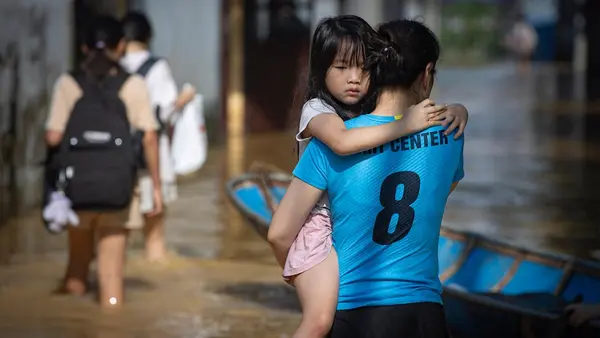
From the devastating floods in South Sudan to the frequent cyclones in Mozambique to the record-breaking hurricane that hit Jamaica, the changing weather cannot be ignored.
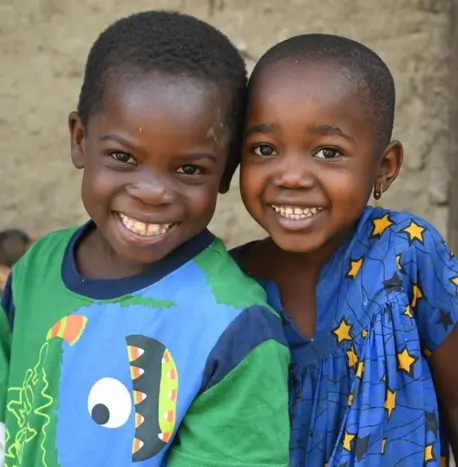
The world's children are the least responsible for these increasingly intense climate change impacts, yet they are the most affected by their consequences. Families are being displaced. Education, interrupted. Record-breaking heat is harming children’s health. Droughts are fueling food and nutritional insecurity, stunting children’s growth.
Roughly 1 billion children are facing extreme climate risks right now.
UNICEF continues to call on governments and businesses to do more to mitigate these risks. The message to those gathered for the 30th United Nations Climate Change Conference (COP30) in Belém, Brazil this week and next: Bold and accelerated action must be taken now to prevent children from experiencing the worst effects of the climate crisis.
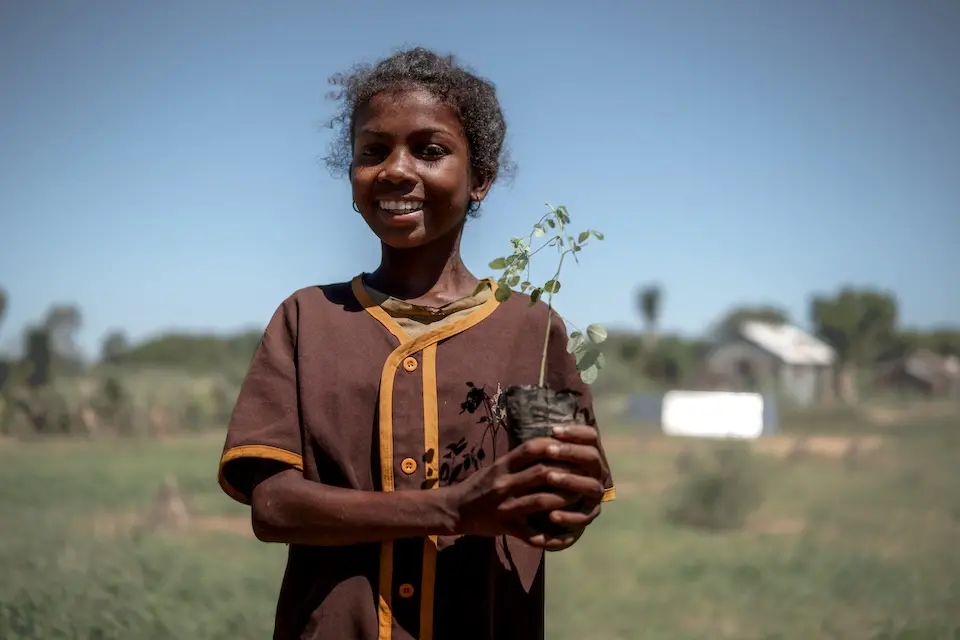
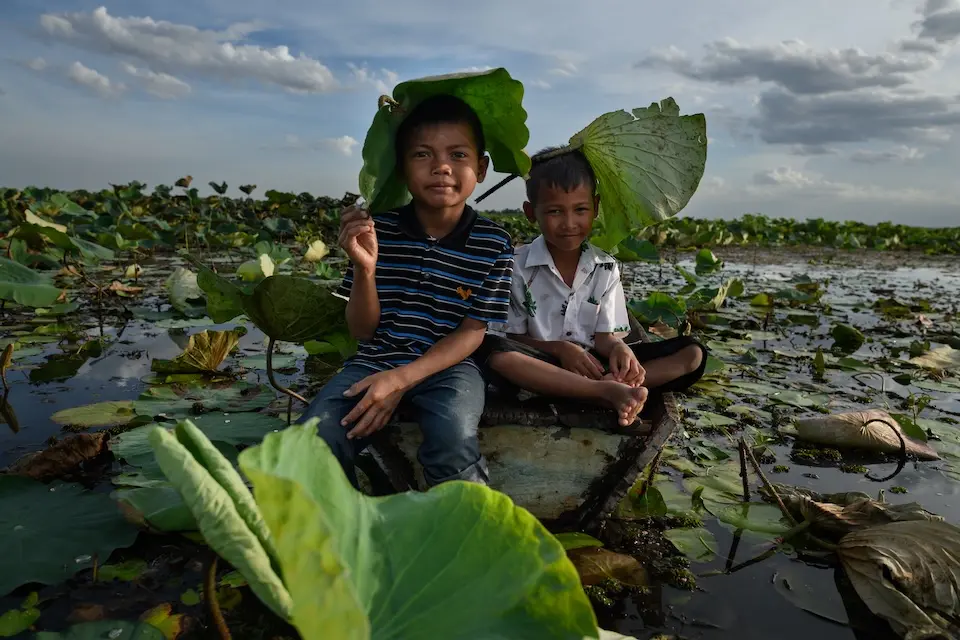
Protecting the environment with children, for children
As a long-time advocate for child-sensitive climate policies, UNICEF works with country governments to ensure that children's needs are considered and integrated into national climate plans and commitments, so that children's rights to good health, education, safe water and safety stay protected.
UNICEF also urges businesses to do more to support climate resilience building — arguing that climate adaptation measures that are good for children and communities are also good for business. UNICEF partner BSR (Business for Social Responsibility) recently reported that since 2000, climate-related disasters have caused over $3.6 trillion in global economic losses.
While mitigation works to reduce the causes of climate change, adaptation ensures that children, communities and businesses can continue to thrive despite its effects. Investing in climate adaptation helps protect lives and livelihoods today and builds more resilient communities, stronger markets and better opportunities for tomorrow.
For more information and resources, check out UNICEF's Business Adaptation Toolkit
Children need and deserve a cleaner, safer planet. The question for all of us is, will we meet the challenge? — Catherine Russell, UNICEF Executive Director
At COP30, UNICEF continues its call for significant increases in climate financing, accelerated efforts toward dramatically reducing emissions to slow global warming, and implementing and revising national plans to ensure they are child-sensitive and account for the disproportionate impacts of climate change on children.
In her remarks at the COP30 Leaders Summit, UNICEF Executive Director Catherine Russell noted that 70 percent of the Nationally Determined Contributions (NCDs) include child-sensitive commitments and that 70 governments have signed the Declaration on Children, Youth and Climate Action — a pledge by champion governments to uphold priorities identified by children and youth across the world. (As one of the custodians of the declaration, UNICEF works with governments to support its implementation.)
“UNICEF welcomes the growing recognition of children’s needs in national plans and in the COP process," Russell said. "We commend your leadership and reaffirm UNICEF’s readiness to support your efforts.
“Children need and deserve a cleaner, safer planet. The question for all of us is, will we meet the challenge?"
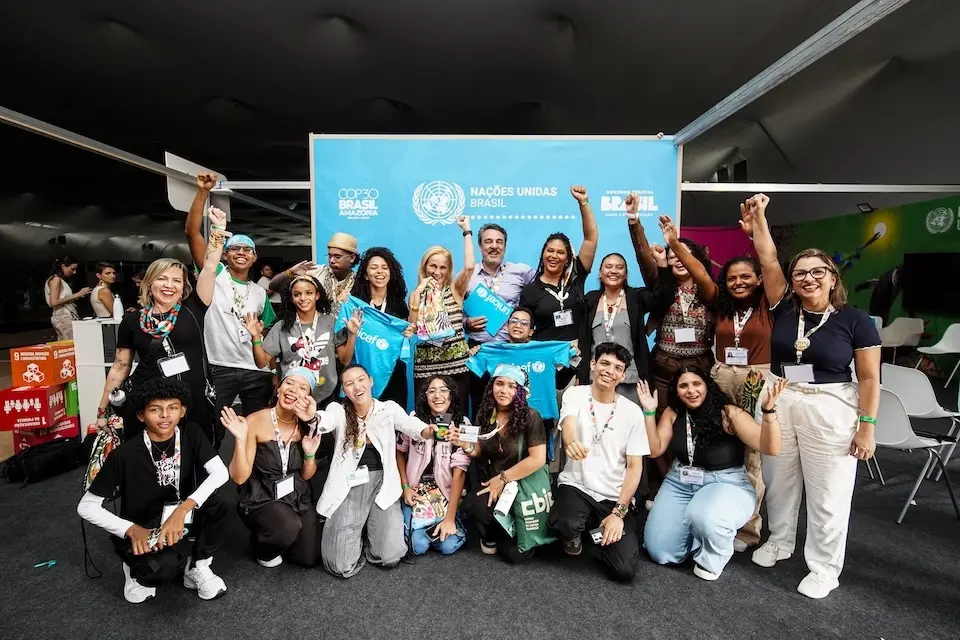
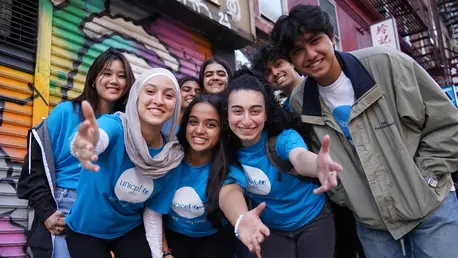
As in past years, UNICEF also continues to advocate for meaningful youth participation in climate decision-making. This means including children and young people as observers and negotiators in country delegations and negotiating teams at COP convenings.
Learn more about how UNICEF is supporting youth-led action to protect the environment and build climate resilience in their communities
Right now, the lives of the most vulnerable children hang in the balance as conflicts and crises jeopardize the care and protection that they deserve. Dependable, uninterrupted and effective foreign aid is critical to the well-being of millions of children. Please contact your members of Congress and urge them to support ongoing U.S. investments in foreign assistance.
HOW TO HELP
There are many ways to make a difference
War, famine, poverty, natural disasters — threats to the world's children keep coming. But UNICEF won't stop working to keep children healthy and safe.
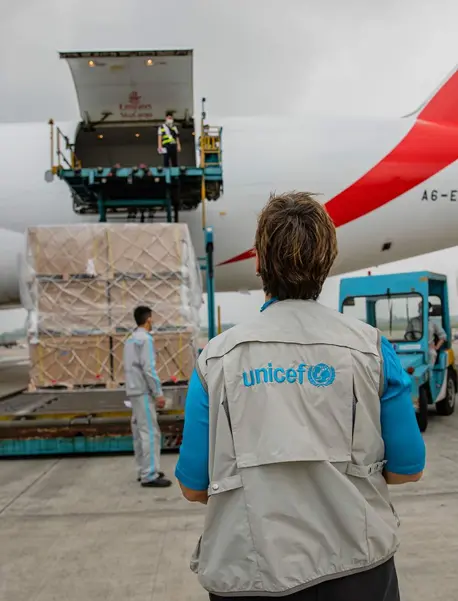
UNICEF works in over 190 countries and territories — more places than any other children's organization. UNICEF has the world's largest humanitarian warehouse and, when disaster strikes, can get supplies almost anywhere within 72 hours. Constantly innovating, always advocating for a better world for children, UNICEF works to ensure that every child can grow up healthy, educated, protected and respected.
Would you like to help give all children the opportunity to reach their full potential? There are many ways to get involved.