Reaching Children Wherever They Are: UNICEF in Mongolia
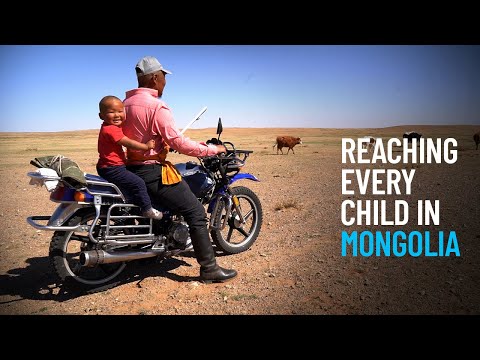
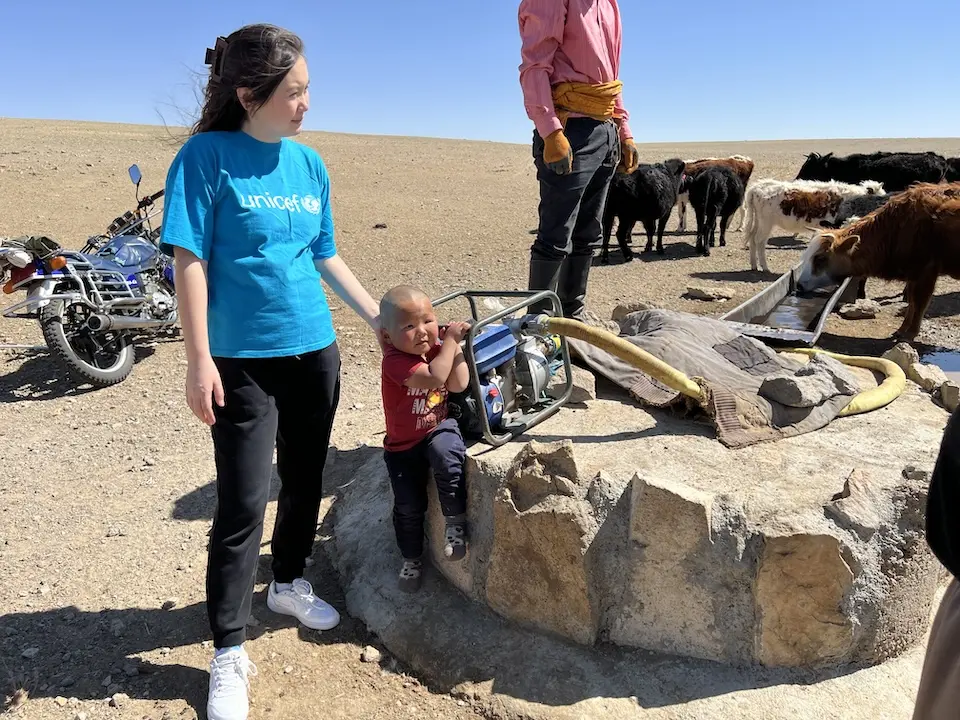
Dundgobi Province, Mongolia: Och Erdene, 51, tips well water into a trough for his cattle to drink. He lowers the bucket back down by its rope for a refill, pulls it back up, tips it again. Once the animals have had enough, he mounts his motorcycle to nudge the cows home. He drives slowly and steers carefully to redirect the dawdlers and stragglers, his 3-year-old son, Ochir-erdene, in a tight hold on the seat in front of him.
This is modern-day herding in Mongolia, where over 1 million people still live as nomadic herders, a lifestyle that dates back millennia. For UNICEF, helping children like Ochir-erdene access health care, education and other essential services when they live in such remote places is a top priority.
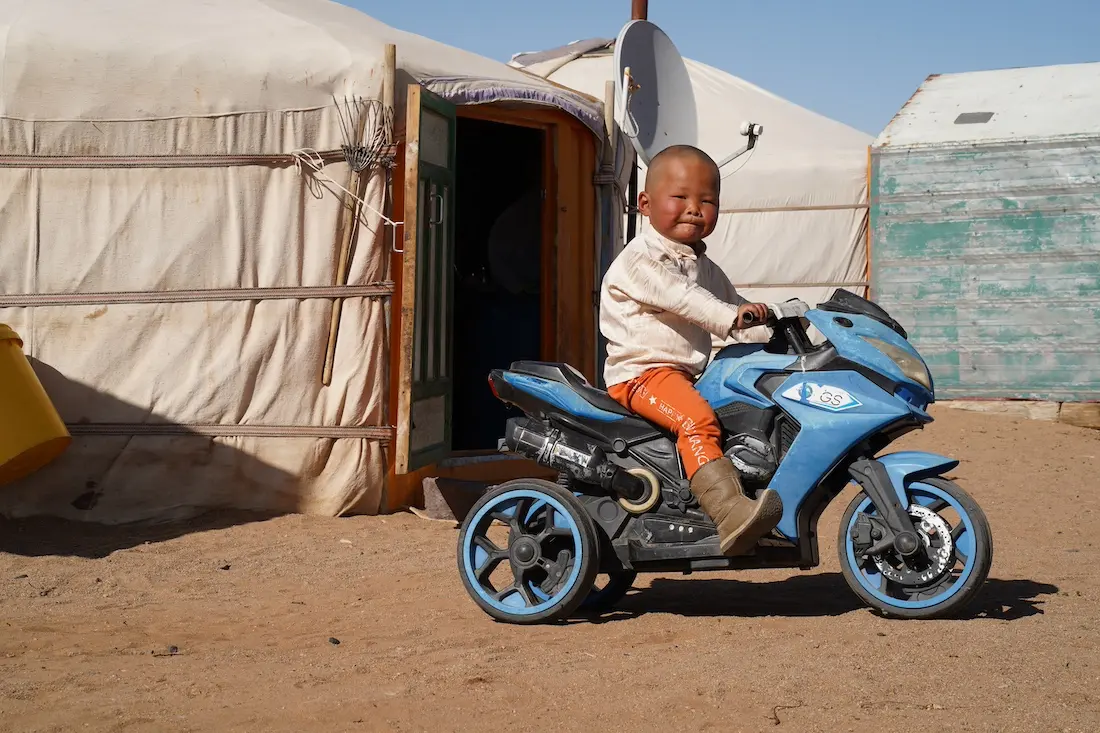
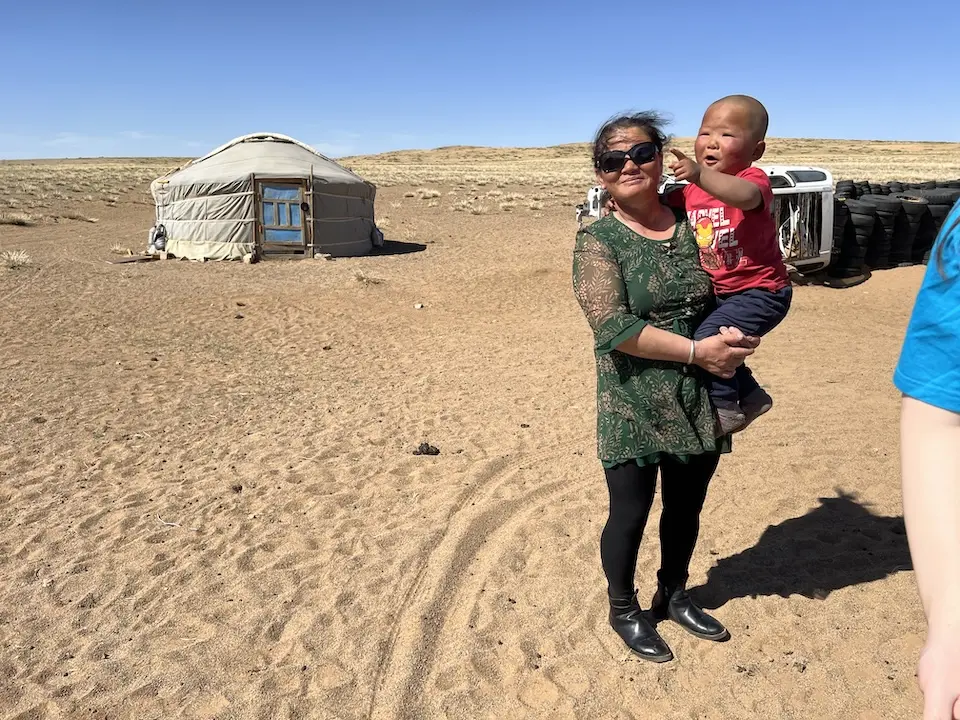
Through the winter, Och Erdene, his wife G. Munkhnasan and their son stayed in place, setting up camp about a hour’s drive from the nearest soum, or town, over mostly unpaved roads, eating and sleeping in their ger, a circular wood-framed tent that is insulated with yak felt and wrapped in canvas. There's an opening in the center of the roof for the stove's exhaust pipe. Solar panels power the refrigerator, flat-screen TV and other appliances inside, but the only water is carried, not piped in, the only toilet a pit latrine enclosed in a nearby shed.
Winter is over the day a group of staffers from UNICEF Mongolia and UNICEF USA pay a visit to the family's "winter palace," which they will soon leave for greener pastureland. It feels warm in the sun, and pale green grass if pushing up through what had been frozen, barren ground.
The 2023-2024 winter was particularly harsh, turning into a national emergency known as dzud — a prolonged period of extreme cold and heavy snow, when large numbers of livestock typically starve or freeze to death, obliterating a major if not sole source of household income for herder families.
Och Erdene and his family were lucky; all their animals survived.
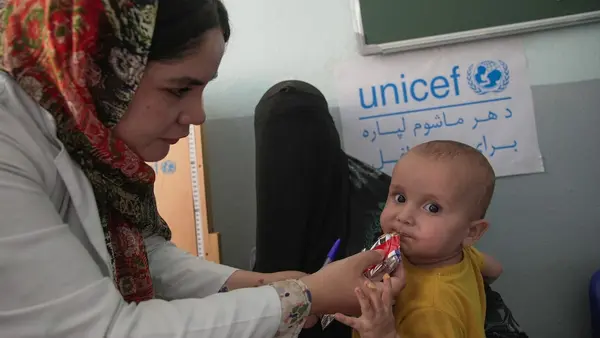
A doctor has come to see how Ochir-Erdene is doing, to remind his parents about when his next vaccinations are due, to check his teeth, screen him for malnutrition, and drop off a hygiene kit. She made the trip by van, traveling from the primary health center in the nearby soum, part of a government-backed mobile health service supported with UNICEF funding.
Ochir-erdene's 7-year-old brother goes to school in town, staying at the school dormitory, which is customary for many children of herder families. To support early learning for preschool-aged children, UNICEF partnered with the Ministry of Education and Science to develop a series of audio lessons that play on a low-tech handheld device.
"Since herder families live in remote places, without access to basic services, UNICEF works to bring those services to them, to support health centers to have mobile doctors, providing alternative methods of education to kindergarten-age children, providing support in terms of nutrition, and trying to decrease the impact of the dzud for these families," Digital Communication Officer for UNICEF Mongolia Nominzul Tumurjav explains. "UNICEF is trying to reach every child, no matter where they are, or where they live."
Learn more about how UNICEF is supporting children in Mongolia
HOW TO HELP
There are many ways to make a difference
War, famine, poverty, natural disasters — threats to the world's children keep coming. But UNICEF won't stop working to keep children healthy and safe.
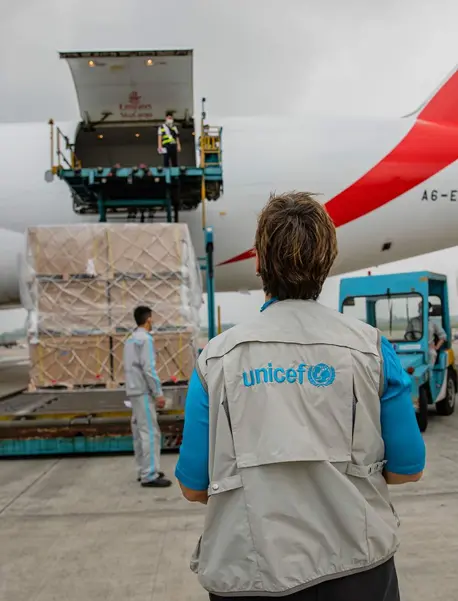
UNICEF works in over 190 countries and territories — more places than any other children's organization. UNICEF has the world's largest humanitarian warehouse and, when disaster strikes, can get supplies almost anywhere within 72 hours. Constantly innovating, always advocating for a better world for children, UNICEF works to ensure that every child can grow up healthy, educated, protected and respected.
Would you like to help give all children the opportunity to reach their full potential? There are many ways to get involved.