This Pride Month, Help Build a Safer World for LGBTQ+ Children
Research — including reports from UNICEF — consistently shows that LGBTQ+ children and youth are significantly more vulnerable to threats to their safety, mental health and overall well-being compared to their peers. Every child has a right to grow up free from discrimination. This principle fuels UNICEF’s work, not just during Pride Month, but all year long. Learn more about what Pride Month is, why it matters for children worldwide and how you can help.
When is Pride Month and why it matters for children
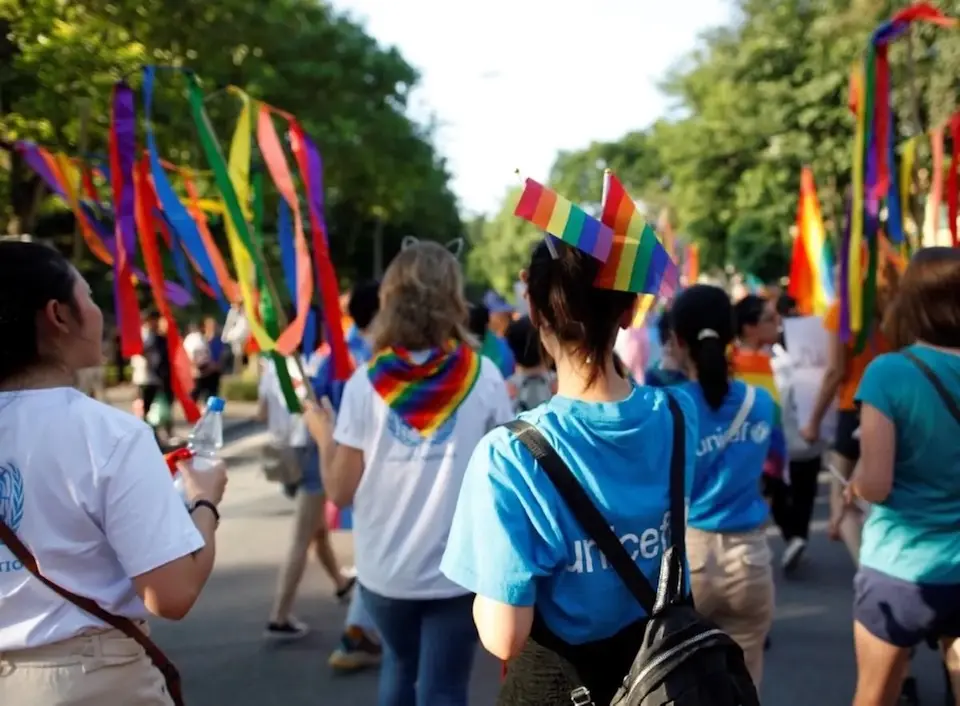
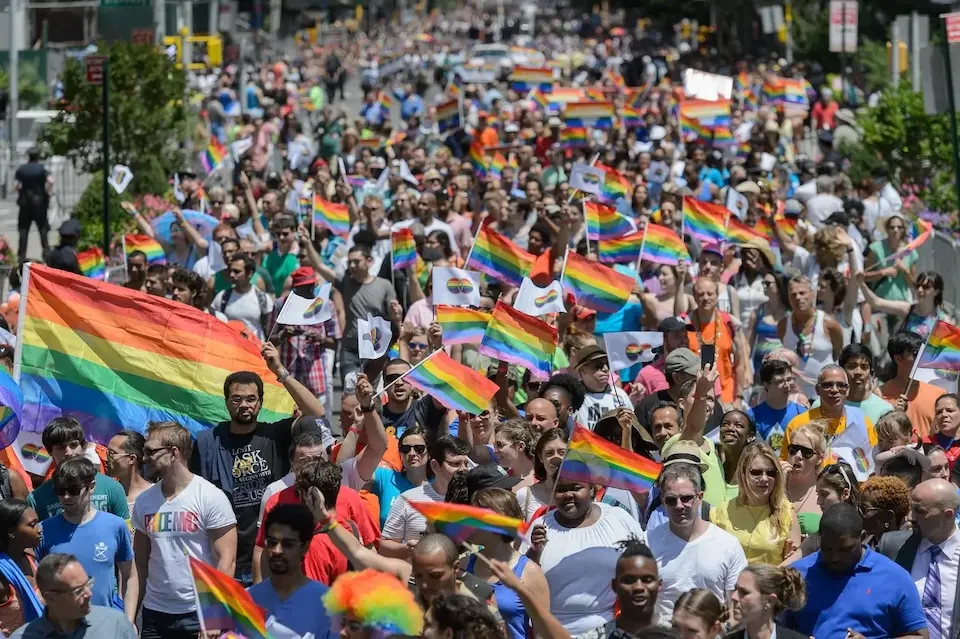
Pride Month — observed in June — traces its roots to the Stonewall uprising in New York City in June 1969, a pivotal moment in the movement for LGBTQ+ rights. It is a time to celebrate LGBTQ+ history, identity and continued activism.
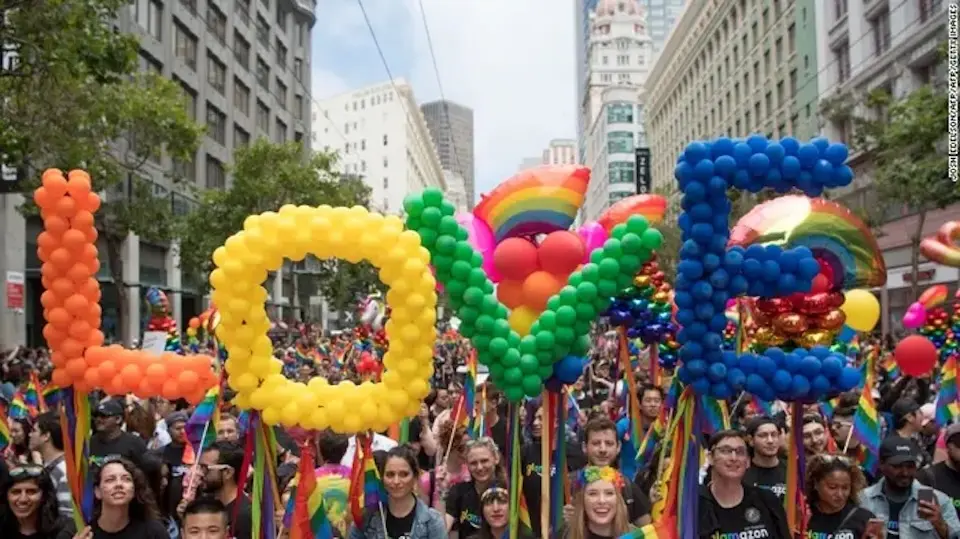
Today, Pride Month recognizes the contributions of LGBTQ+ people on society, while raising awareness of issues that continue to affect LGBTQ+ individuals and communities. For LGBTQ+ children and young people who may feel unsupported or isolated, Pride Month can be an opportunity to feel seen, affirmed and connected to a broader community.
Pride Month also creates opportunities to discuss issues affecting LGBTQ+ children and youth, including mental health, bullying, homelessness and access to supportive services. Children who feel supported and safe being themselves are more likely to stay in school and thrive as adults. Acceptance is critical for their mental health and long-term well-being.
UNICEF is committed to protecting LGBTQ+ children and youth from discrimination, violence and neglect, and advocates for their rights under the Convention on the Rights of the Child — because every child deserves to be healthy, educated, protected and respected.
What it really costs a child to grow up without acceptance
For many LGBTQ+ children, simply being themselves can cost them so much. Rejection can come in many forms — from their parents, family, friends, school or community members.
No child should have to choose between being themselves and finding acceptance, yet that’s the reality for many LGBTQ+ children, even today. Rejection from family can lead to low self-worth, anxiety and profound feelings of isolation. Research shows that rejection, discrimination and lack of support can have lasting impacts across four critical areas of a child's life:
- Education: LGBTQ+ students who experience bullying, discrimination or exclusion at school may be more likely to miss classes, feel unsafe in learning environments or leave school altogether. Hostile school climates can also negatively affect academic performance and well-being.
- Mental health: Rejection, stigma and lack of support can significantly increase risks of depression, anxiety, self-harm and suicidal behavior among LGBTQ+ young people, while family acceptance can be a powerful protective factor.
- Access to care: In some settings, children and adolescents who are perceived as LGBTQ+ may face discrimination when seeking health, protection or social services, creating barriers to the care and support they need.
- Housing: Family rejection and lack of community support can increase the risk of housing instability, homelessness and social isolation among LGBTQ+ young people.
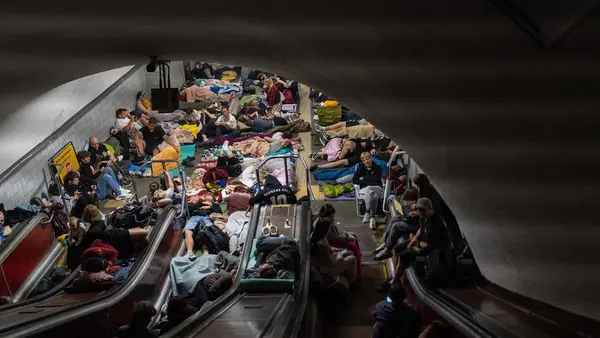
For LGBTQ+ children already living through poverty or displacement, these vulnerabilities multiply. In humanitarian crises and displacement settings, children who are perceived as different may face heightened risks of exclusion, violence and barriers to essential services.
UNICEF works to help ensure that all children — including LGBTQ+ children and youth — can access protection, education, health care and psychosocial support. UNICEF also supports inclusive environments, and advocates for laws and policies that protect children from discrimination based on sexual orientation or gender identity.
LGBTQ+ children and young people are not defined by the challenges they face. Around the world, they are leaders, advocates, students, artists and community members whose perspectives strengthen families, schools and communities.
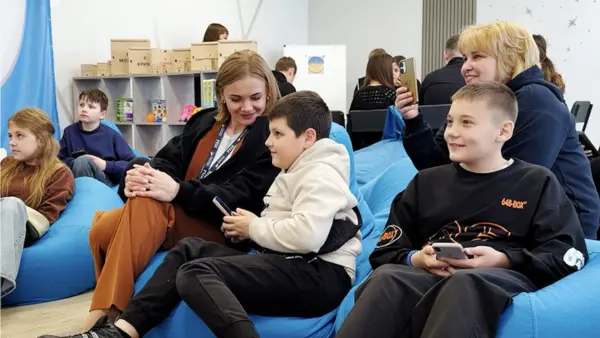
All young people have the right to express their views and feelings and to influence decisions and policies that concern them. They are experts in their own experiences. Creating opportunities for LGBTQ+ children and youth to share their perspectives helps ensure that schools, communities and policies better reflect their needs and rights. When young people are included in decisions that affect them, they are more likely to feel valued, connected and empowered.
Learn about how UNICEF USA is supporting child-centered governance
How to talk about Pride Month with your kids
UNICEF USA is a trusted source of parenting guidance for many topics, including how to support your LGBTQ+ child.
Here are a few talking points to kick off your Pride Month conversations:
- Everyone deserves to feel safe and valued, and to be treated with respect and understanding.
- It's good to learn about people whose lives may look different from ours.
- Being kind to others makes the world a better place for everyone.
When adults speak openly and with kindness around kids, every child feels a bit safer to be themselves.
How you can help children who need it most
Helping kids cultivate a sense of pride can have an immeasurable effect on their mental health and future well-being. Here are a few simple actions that you can take to help LGBTQ+ children who need the most support:
- At home: Talk openly with your kids about LGBTQ+ issues.
- In your community: Support inclusive schools and accessible mental health services for all.
- Globally: Your donation helps UNICEF reach children with no other safety net, enabling UNICEF to deliver education, mental health and psychosocial support, child protection services and emergency assistance to vulnerable children worldwide.
Support every child, every month
While Pride Month in June brings awareness to the challenges LGBTQ+ children around the world are facing, the work doesn’t end when the calendar switches to July. UNICEF continues to fight for all children to feel valued, included and safe, being exactly who they are.
Give today to help children who need it most. Visit unicefusa.org.
Frequently asked questions about Pride Month for children
When is Pride Month?
Pride Month is observed every June. It grew from the 1969 Stonewall uprising into a global moment of visibility and advocacy for LGBTQ+ people of all ages.
How can I explain Pride Month to a child?
Pride Month is about making sure every person feels safe, accepted and valued for who they are. Kids understand fairness. Starting there is enough.
How does acceptance affect a child's development?
Children who feel accepted have better mental health, stronger educational outcomes and greater resilience. For LGBTQ+ youth especially, family acceptance is one of the most significant protective factors there is.
What does UNICEF do for LGBTQ+ children?
UNICEF works in more than 190 countries and territories to help every child access health care, education and protection — without discrimination. This includes supporting efforts to protect children and young people from violence, exclusion and harmful stigma.
How does my support help?
Your donation helps UNICEF reach children in crisis with health care, safe water, nutrition and protection. UNICEF USA rallies the American public to act for children who need it most, wherever they are.
What can I do to support children beyond Pride Month?
Meaningful support doesn't stop in June. Donating to UNICEF USA helps fund UNICEF's programs year-round, and the conversations you have at home make a real difference, too.
HOW TO HELP
There are many ways to make a difference
War, famine, poverty, natural disasters — threats to the world's children keep coming. But UNICEF won't stop working to keep children healthy and safe.
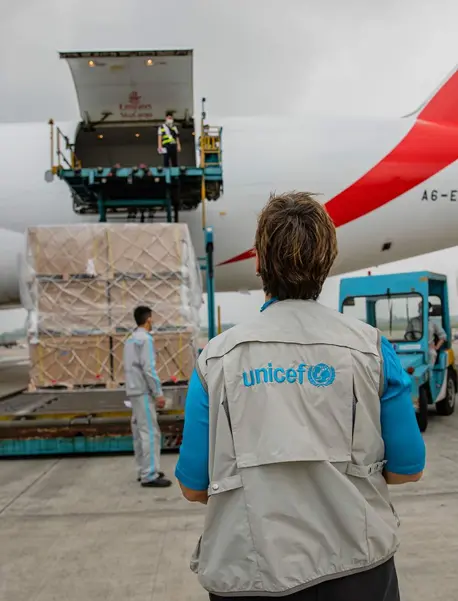
UNICEF works in over 190 countries and territories — more places than any other children's organization. UNICEF has the world's largest humanitarian warehouse and, when disaster strikes, can get supplies almost anywhere within 72 hours. Constantly innovating, always advocating for a better world for children, UNICEF works to ensure that every child can grow up healthy, educated, protected and respected.
Would you like to help give all children the opportunity to reach their full potential? There are many ways to get involved.