Pressing for More Access, UNICEF Delivers Urgently Needed Supplies to Gaza
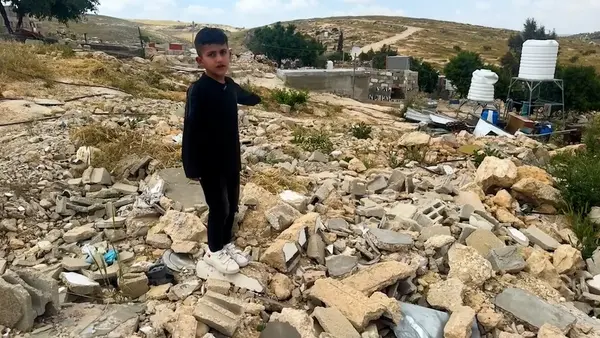
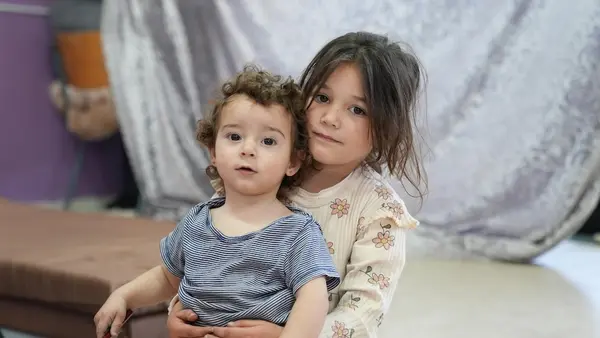
Children in Gaza are suffering and dying at an unprecedented rate as the threat of famine looms. "We are at a crossroads. The choices made now will determine whether tens of thousands of children live or die," says UNICEF Deputy Executive Director Ted Chaiban. "We know what must be done and what can be done."
updated Sept. 2, 2025
After almost two years of displacement and deprivation, children cannot wait
One in three people in the Gaza Strip are going days without anything to eat. More than 320,000 young children are at risk of acute malnutrition. There is no time to waste.
"UNICEF is doing everything we can to address the situation: supporting breastfeeding, providing infant formula and treating children with severe acute malnutrition," said UNICEF Deputy Executive Director Ted Chaiban, who recently returned from a five-day mission to Israel, Gaza and the West Bank. "But the needs are enormous after 22 months of war, two months of a blockade, which has now been eased, but is still having an impact. The aid is not getting in fast enough or at the required scale as of yet."
Learn more: Children Are Dying as Famine Conditions Deepen in Gaza
UNICEF is delivering safe water, vaccines and other lifesaving supplies
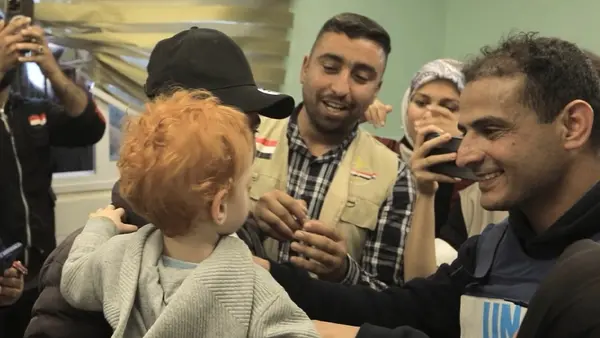
UNICEF staff in Gaza, most of whom have suffered devastating personal losses, continue to work day and night.
UNICEF is delivering 2.4 million liters of safe water daily in northern Gaza, reaching 600,000 children. "That’s an average of 5 to 6 liters of water per day per person — better than it was, but still far below survival thresholds," said Chaiban.
UNICEF has rebuilt the cold chain for vaccines and continues to vaccinate children after an ambitious polio vaccination campaign. UNICEF is also providing psychosocial care to help children recover from the trauma they've experienced. "We’re keeping newborns alive, helping reunite separated families, both within the Strip and in some cases internationally, and delivering infant formula to the most vulnerable babies but much more needs to be done," Chaiban said.
Related: Polio Vaccines Protect Children in Gaza Strip
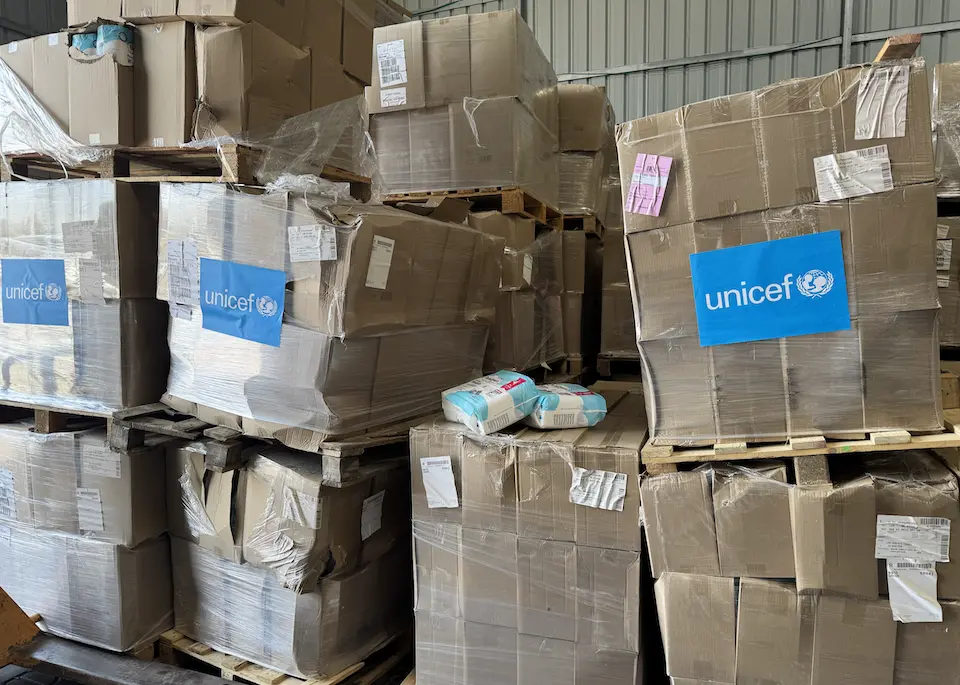
UNICEF trucks laden with supplies stand at the ready
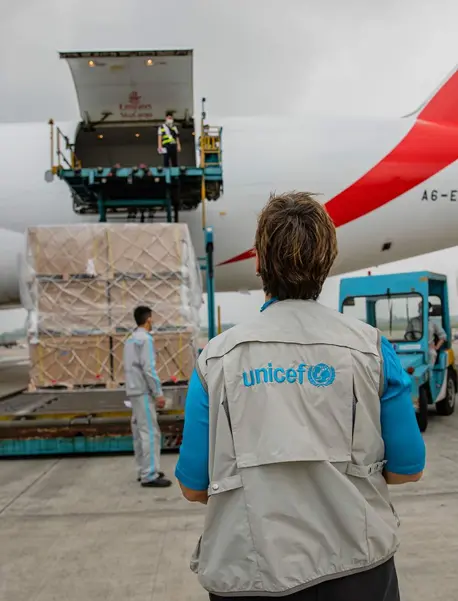
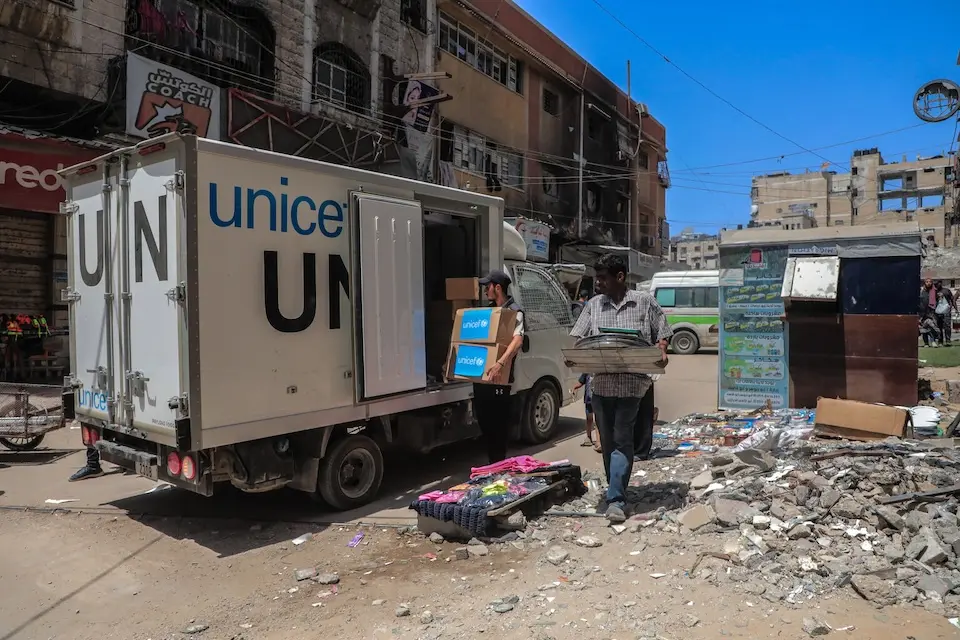
By early August, more than 1,500 UNICEF trucks filled with supplies stood at the ready in Egypt, Jordan, Turkey and Ashdod, Israel, waiting for permission to enter the Gaza Strip. "Some have begun to move, and we have delivered in the last couple of days 33 trucks of lifesaving infant formula, high-energy biscuits and hygiene kits," Chaiban said on Aug. 1. "But this is still a fraction of what is needed, and so a big part of the mission has been our advocacy and engagement with the Israeli authorities in Jerusalem and Tel Aviv."
UNICEF continues to call for more humanitarian aid and commercial traffic to come in — moving closer to 500 truckloads per day, the minimum number that entered daily before the war — to stabilize the situation and reduce the desperation that leads to looting.
"In order to address that, we need to flood the strip with supplies using all channels and all gates," said Chaiban. "This is not going to be achieved through humanitarian aid alone, and so we also pushed for commercial goods to get into the strip — eggs, milk and other essential supplies that complement what the humanitarian community is bringing in."
Learn more: Desperate Situation for Gaza's 1 Million Children
Watch the video: 'The children haven't eaten bread in nearly a month'
Mothers struggle to feed their children
"The children I met are not victims of a natural disaster. They are being starved, bombed and displaced," said Chaiban. "At a stabilization center in Gaza City, I met acutely malnourished infants whose bodies were little more than skin and bone. Their mothers sat nearby, desperate and exhausted. One mother told me she no longer produces breastmilk — she herself is too hungry."
The children I met are not victims of a natural disaster. They are being starved, bombed and displaced. — Ted Chaiban, UNICEF Deputy Executive Director
Haneen, a 34-year-old mother from Beit Lahia, described picking up grains of rice and dried lentils she found spilled on the ground one day. She painstakingly sorted them into two small piles to cook for her four children. Other days, she has nothing to give them but water and salt.
Watch the video:
UNICEF and partners know how to save children's lives
UNICEF continues to advocate for the protection of children and civilians, so that humanitarian pauses do not lead to further displacement, pushing the population into an ever smaller area.
"We are at a crossroads," Chaiban said. "The choices made now will determine whether tens of thousands of children live or die. We know what must be done and what can be done. The UN and NGOs that form the humanitarian community can address this, along with commercial traffic, if the measures are in place to allow access and eventually have enough goods in the Strip that some of the issues that are there with law and order abate."
Learn more: UNICEF in the State of Palestine Escalation Humanitarian Situation Report No. 40
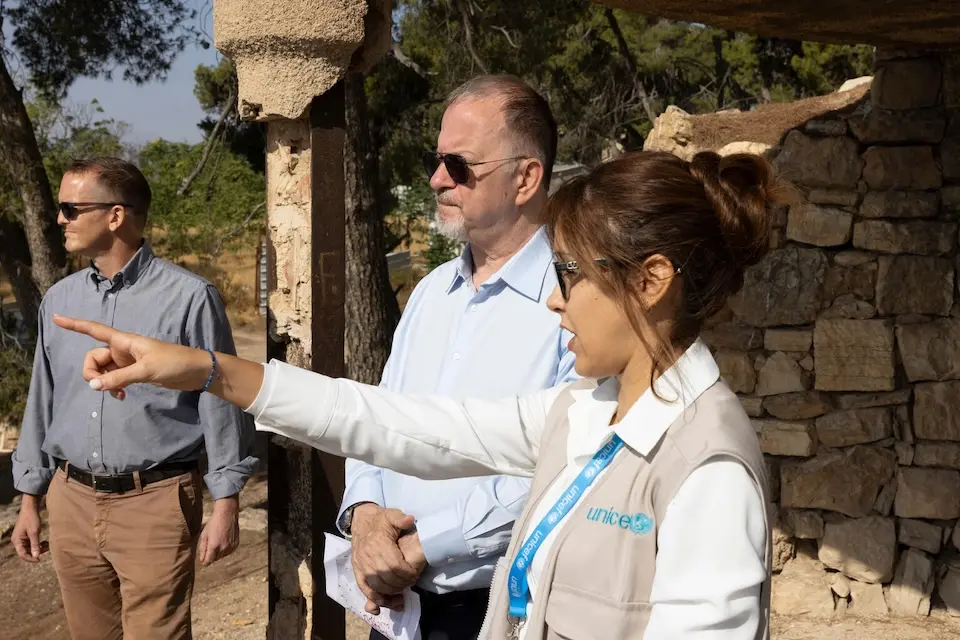
Children need a sustained ceasefire and a political way forward
"We need to remember that humanitarian pauses are not a ceasefire," Chaiban said. "We hope that the parties can agree on a ceasefire and the return of all remaining hostages by Hamas and other armed groups. This has gone on for far too long — 22 months. I honestly never expected that we would be here 22 months into this war. What is happening on the ground is inhumane. What children need — children from all communities — is a sustained ceasefire and a political way forward."
UNICEF’s appeal for Gaza is critically underfunded — only 30 percent of health and nutrition needs are covered. Help now.
HOW TO HELP
There are many ways to make a difference
War, famine, poverty, natural disasters — threats to the world's children keep coming. But UNICEF won't stop working to keep children healthy and safe.
UNICEF works in over 190 countries and territories — more places than any other children's organization. UNICEF has the world's largest humanitarian warehouse and, when disaster strikes, can get supplies almost anywhere within 72 hours. Constantly innovating, always advocating for a better world for children, UNICEF works to ensure that every child can grow up healthy, educated, protected and respected.
Would you like to help give all children the opportunity to reach their full potential? There are many ways to get involved.