Evacuated as Infants, Toddlers Are Reunited With Family in Gaza
Highlights
- Families have been torn apart by the war in Gaza.
- UNICEF child protection teams are working to bring loved ones together.
- Eleven toddlers evacuated as infants from a hospital under fire in Gaza City were recently reunited with their families.
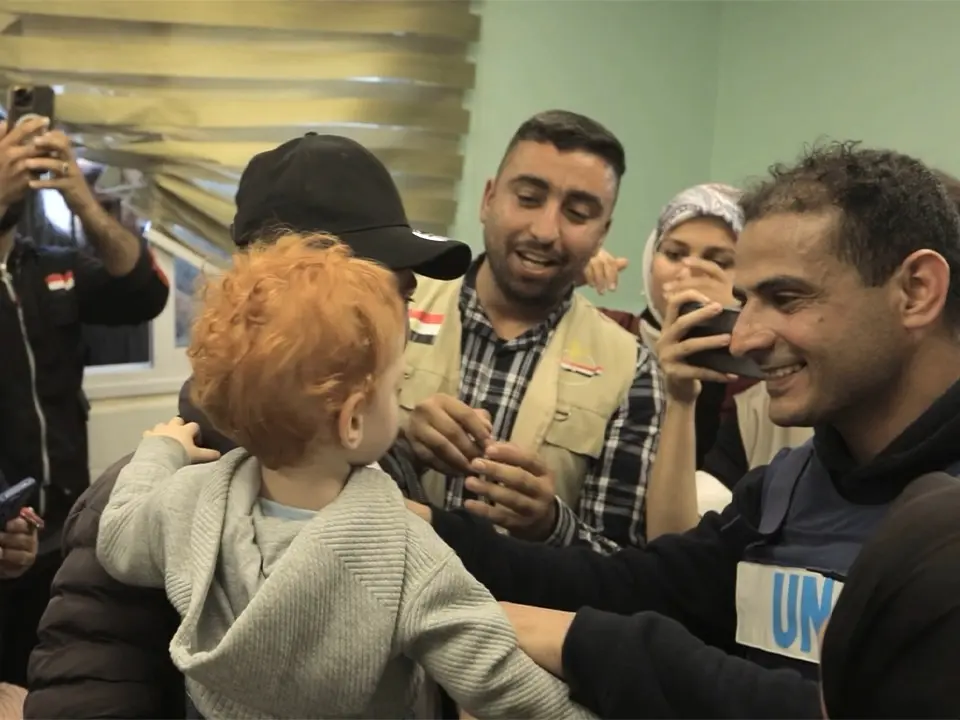
In November 2023, babies evacuated from a Gaza City hospital under siege were sent to Egypt for lifesaving medical care — many without their parents. Earlier this month, 11 of those children, now toddlers, were reunited with their families in Khan Younis. For some, it was the first time they had been held by their parents since birth.
Since the start of the war in Gaza, UNICEF has reunited more than 1,000 separated children with their parents and caregivers
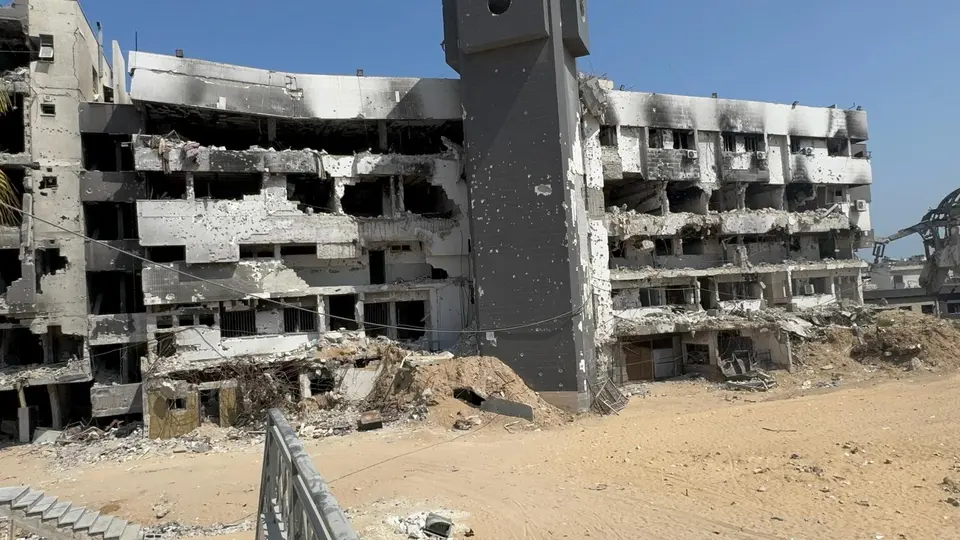
In November 2023, amid daily bombings and ground operations, 31 tiny babies were evacuated from the neonatal intensive care unit at Al-Shifa Hospital in Gaza City to Rafah in the south. Twenty-eight of the infants were later medically evacuated out of the Strip to Egypt — many without their parents.
"When my daughter was born, she needed to stay in the hospital because she was underweight,” Rawan told UNICEF. “Soon after, the hospital came under siege and I was no longer able to reach her. I was also injured when the house where I was staying was hit. After that, I had to evacuate to the south and I lost contact with anyone caring for my daughter.”
Rawan’s young daughter was one of 11 children reunited with parents and loved ones in Khan Younis in early April. Six of the children had not been held by a parent since birth.
“I am very happy and thankful that she is with me now,” Rawan said. “But I wish I could bring her back to a safer place and a better life.”
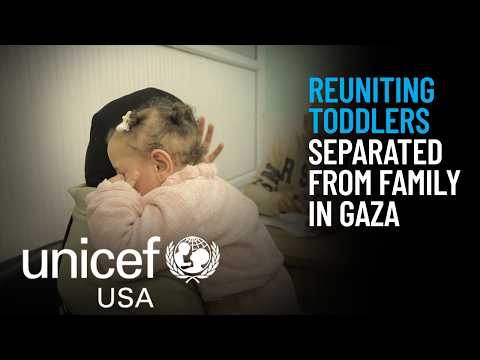
UNICEF helped facilitate the safe transfer of the infants — many born prematurely and clinging to life — from Gaza City to Rafah in 2023, in concert with the Palestinian Red Crescent Society and sister UN agencies.
The babies were moved in temperature-controlled incubators under the supervision of medical staff from Al-Shifa Hospital to the neonatal intensive care unit of Emirati Hospital in Rafah, and then evacuated to Egypt, where they received lifesaving care.
“My wife gave birth to our son, Ibrahim, in the hospital and he had to stay in an incubator,” said Jaber. “Then the hospital came under attack and I couldn't get there. The uncertainty was devastating. My wife’s health deteriorated deeply under the pressure and grief. She passed away before she could reunite with him ... I am grateful he is with me now, in my arms, but I wish I could raise him in a safer and more dignified environment.”
I am grateful he is with me now, in my arms, but I wish I could raise him in a safer and more dignified environment. — Jaber, father of 2-year-old Ibrahim
As 11 of the children arrived back in the Gaza Strip earlier this month, UNICEF child protection teams were onsite to ensure their rightful reunification with parents and caregivers at Al Nasser Hospital.
The toddlers were delivered safely into the hands of family, in the presence of official representatives, following UNICEF’s full verification of documentation and procedures to ensure their protected reunification.
“Every parent, everywhere in the world, knows the joy of embracing a child after time apart,” said Micaela Pasini, Chief of Child Protection for UNICEF in the State of Palestine. “Few know the agony of a two-year separation. UNICEF is honored to play a small role in reuniting loved ones, and is committed to continue reaching children across the Gaza Strip with the care and support they so urgently need and deserve.”
Related: Building a Child-Centered Recovery in Gaza
Every child deserves to grow up safely, among the people who love them the most
By January 2025, UNICEF estimated that 17,000 children in Gaza were unaccompanied or had become separated from their parents.
Children of all ages suffer indescribable stress when pulled from loved ones — stress that can harm the development of their young bodies and brains, with potentially lifelong consequences.
While initial health assessments confirm the 11 toddlers are in stable condition, UNICEF is now referring them for follow-up and specialized services, and will provide families with cash assistance to support each child’s immediate care needs.
“It broke my heart that my first daughter had to grow up away from me, and that she returned to such difficult living conditions,” said Samer, father of 2-year-old Kenda. “Still, I am grateful that she came back safe and healthy. I only wish for the war to end so I can give her the life and care she deserves."
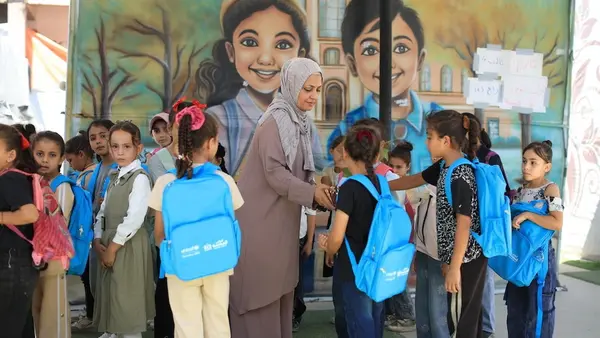
UNICEF staff remain on the ground in Gaza, working with partners to provide critical support for Palestinian children — child protection, health care, education, nutrition assistance, emergency supplies — and to support Gaza's recovery.
For parents and caregivers: How to Talk to Your Children About Conflict and War
This story was adapted from unicef.org
HOW TO HELP
There are many ways to make a difference
War, famine, poverty, natural disasters — threats to the world's children keep coming. But UNICEF won't stop working to keep children healthy and safe.
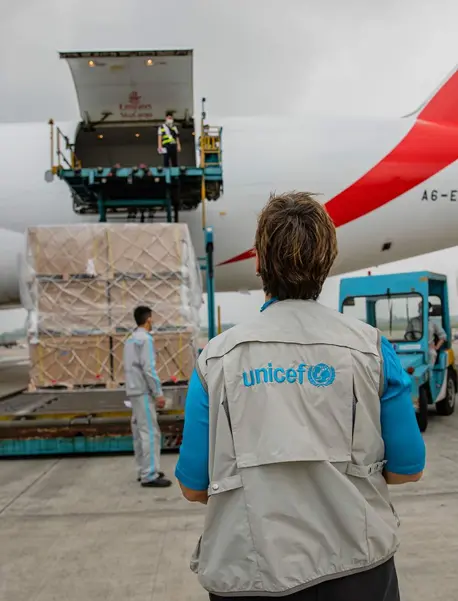
UNICEF works in over 190 countries and territories — more places than any other children's organization. UNICEF has the world's largest humanitarian warehouse and, when disaster strikes, can get supplies almost anywhere within 72 hours. Constantly innovating, always advocating for a better world for children, UNICEF works to ensure that every child can grow up healthy, educated, protected and respected.
Would you like to help give all children the opportunity to reach their full potential? There are many ways to get involved.