How Lawrence O'Donnell and UNICEF USA Created The K.I.N.D. Fund
Highlights
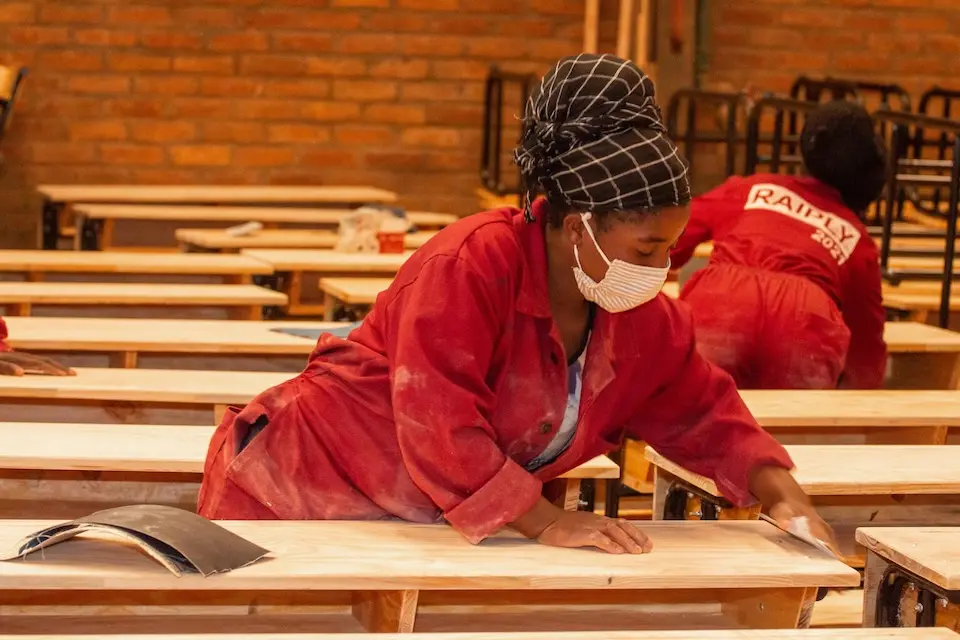
- A 2010 visit to a Malawian school with no desks led Lawrence O’Donnell to start The K.I.N.D. Fund, beginning with 30 desks for one classroom.
- In partnership with UNICEF USA, The K.I.N.D. Fund has delivered 420,000+ desks to date, reaching 1.6 million learners.
- The program expanded in 2012 to fund scholarships for girls to help cover their school expenses that are prohibitively expensive, leaving many girls at risk of early drop out and child marriage. Over 52,000 scholarships have been awarded so far.
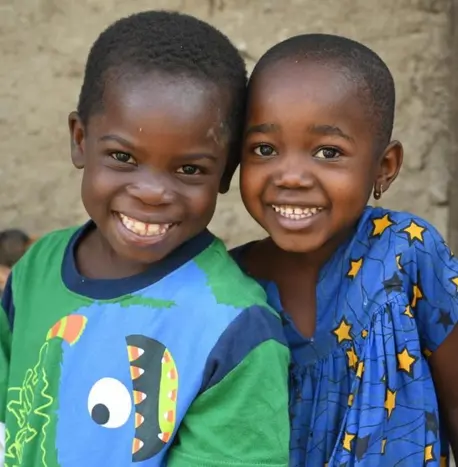
A 2010 visit to Malawi inspired the MS NOW television journalist to partner with UNICEF USA to find a way to provide desks and scholarships for girls. The K.I.N.D. (Kids in Need of Desks) Fund has since changed the lives of hundreds of thousands of school children in the African nation.
Through The K.I.N.D. Fund, veteran newscaster Lawrence O’Donnell and UNICEF USA have delivered a powerful lesson in how a simple, practical solution can transform educational opportunities for children across Malawi.
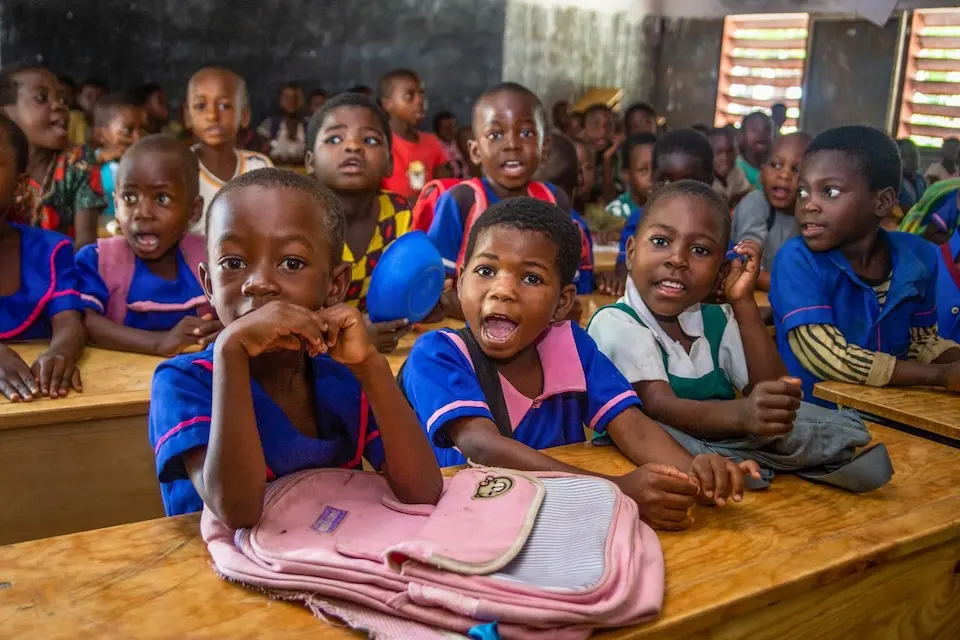
During his first visit to the African nation, O’Donnell witnessed the urgent need for desks at a school firsthand in the capital city of Lilongwe, where students were forced to sit on the floor, making it difficult to concentrate and learn. Determined to help, O’Donnell partnered with a local woodworker to build desks for students. He later connected with a UNICEF Malawi officer, who helped formulate a way forward.
What began as a simple idea to improve classroom conditions grew into The K.I.N.D. Fund, an award-winning partnership between UNICEF USA and MS NOW dedicated to expanding educational opportunities for children across Malawi.
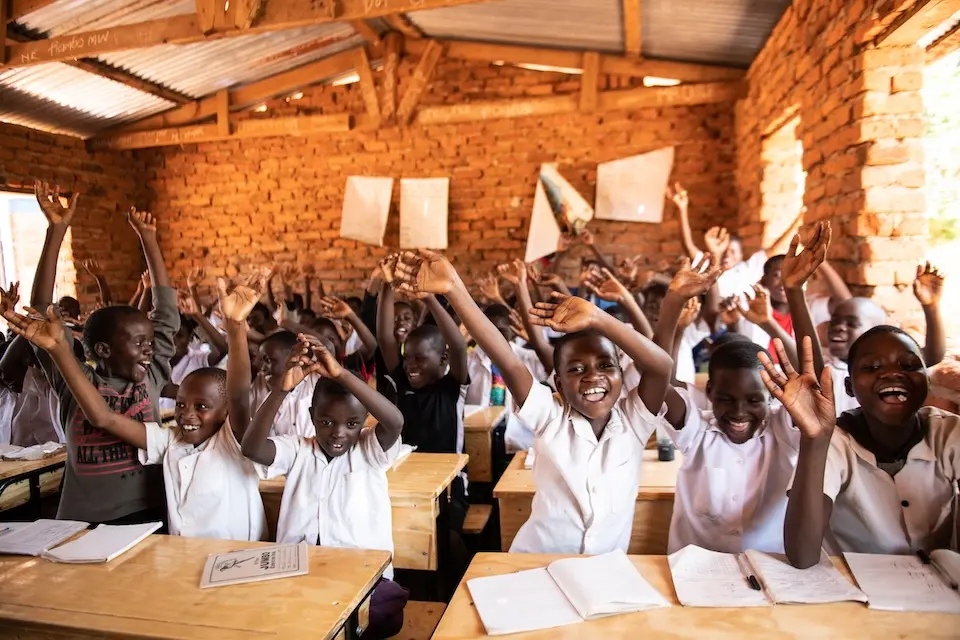
As of 2026, the program has delivered more than 420,000 school desks, reaching 1.6 million learners — contributing to improved student attendance, retention and participation in class, particularly among girls. The initiative expanded in 2012 to also provide scholarships to help girls complete their secondary school educations. More than 52,000 scholarships have been awarded to date.
Today, The K.I.N.D. Fund is the largest scholarship provider in Malawi, supporting children across all 34 education districts. With support from "The Last Word" viewers and UNICEF supporters, the campaign has raised more than $55 million to help expand access to quality education and create brighter futures for children across the country.
How the Lawrence O'Donnell K.I.N.D. Fund began
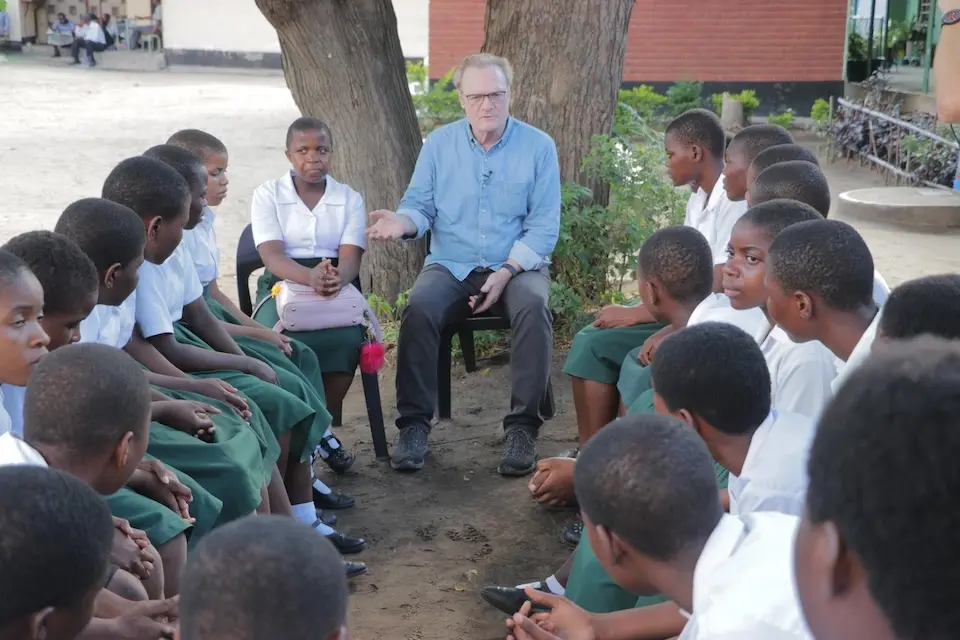
It all started with O'Donnell's fateful trip to Malawi, where he and a teacher friend of his witnessed students sitting on the floor, struggling to get comfortable and balance their books to read and write, the discomfort a perpetual distraction and impediment to their learning. Girls had the added worry about keeping their skirts down when they stood up to answer a teacher's question, or the potential embarrassment of menstrual stains if female hygiene products were beyond their means.
O'Donnell left the school he was visiting determined to help, but unsure of how to do that in a country with no furniture stores that he could readily find. “The biggest selling piece of woodworking by the side of the road in those days was coffins, when the A.I.D.S. epidemic was still running high in Malawi,” O’Donnell recalled in an MS NOW segment broadcast in December 2025.
In search of an answer, the veteran television journalist met with UNICEF Malawi’s then-chief of communications Victor Chinyam. The two visited a hardware store, and with O’Donnell’s money, paid for 30 desks to be delivered by the end of the week. The shop owner enlisted several unemployed carpenters, painters and metal workers to meet the deadline. The result was one classroom that would now have desks.
What began with 30 locally-made desks soon grew into something far greater. Within months O'Donnell and MS NOW (formerly MSNBC) had partnered with UNICEF USA to establish The K.I.N.D. Fund, scaling the solution nationwide. More than 15 years later, that same spirit of collaboration continues to help children across Malawi learn, thrive and pursue brighter futures.
The K.I.N.D. Fund Celebrates 15 Years of Impact for Children in Malawi
How the K.I.N.D. Fund evolved beyond desks
While primary and secondary school are both free in Malawi, there are associated costs to attend that are beyond the ability of many families to cover. Girls who are not in school are more likely to marry early, limiting their future prospects.
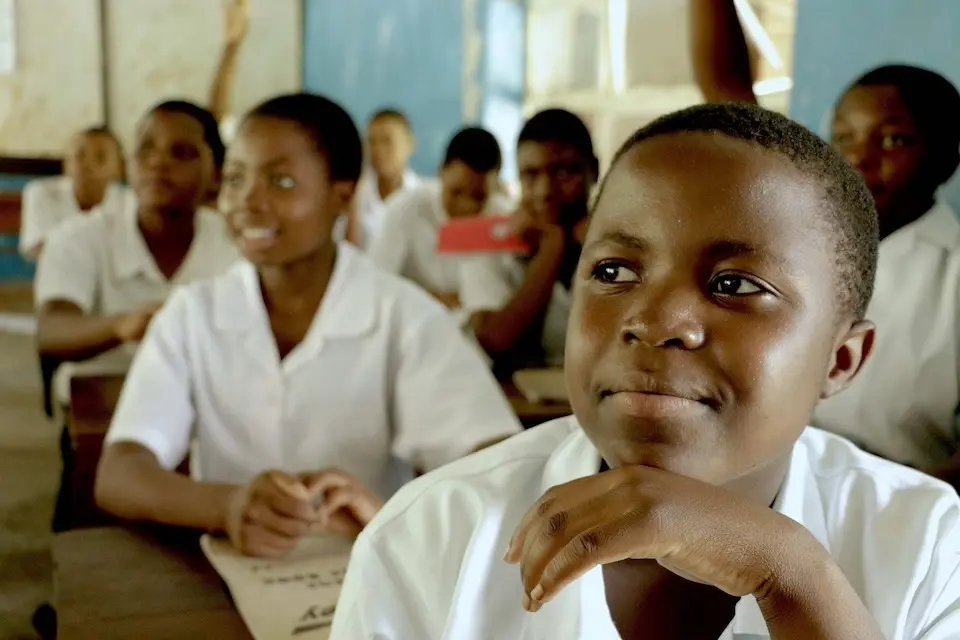
Recognizing these financial barriers, The K.I.N.D Fund expanded its mission to include providing secondary school scholarships for girls, helping them remain in school and complete their education. The scholarships cover expenses such as transportation, uniforms, textbooks and other school supplies as well as menstrual hygiene products. Boarding is another core covered cost. If mentoring or psychosocial support is needed, the scholarship can cover that too.
“I was happy on that day [I was selected for a K.I.N.D. Fund scholarship] because it was not easy for me and there was no hope in my life…,” said Esther, a student at Nsalura Community Secondary School for whom the cost of supplies was prohibitively expensive. “The scholarship provides me with everything I need to continue my education.”
Read about how K.I.N.D. Fund scholarships help girls in Malawi pursue their dreams
Learn more about the K.I.N.D. Fund
As successful as the K.I.N.D. Fund has been to date, there remains major gaps in access to education in Malawi. In a country where roughly 60 percent of the population lives in multidimensional poverty.
Malawi remains dependent on subsistence agriculture made harder by being a land-locked country that is vulnerable to climate change and weather events such as the Tropical Cyclone Freddy disaster in March 2023.
By donating to the K.I.N.D. Fund, you can make a difference in the lives of Malawian school children through gifts by providing desks or scholarships for girls. A $158 donation, for example, can provide one desk, giving two to three students a more supportive environment in which to learn.
For more information on how to help, visit UNICEF USA’s K.I.N.D. Fund hub
Learn more about UNICEF's education and learning programs
Frequently asked questions about the K.I.N.D. Fund
Who started the K.I.N.D. Fund?
MS NOW news anchor Lawrence O’Donnell began the initiative that, through a partnership with UNICEF USA, grew to become The K.I.N.D. Fund. To date, The K.I.N.D. Fund has delivered more than 420,000 desks for Malawian students and awarded more than 52,000 secondary school scholarships to girls in the African nation.
Why did Lawrence O'Donnell start the K.I.N.D. Fund?
Witnessing the conditions in which Malawian students were struggling to learn in classrooms at inspired O’Donnell to search for a way to provide desks. A meeting with a local UNICEF official, who in turn introduced the television journalist to a hardware store owner who could build desks, became the start of what would evolve into The K.I.N.D. Fund. Partnering with MS NOW, UNICEF USA has helped scale up the program.
Why does the K.I.N.D. Fund focus on Malawi?
As a land-locked nation dependent on subsistence agriculture, Malawi has entrenched poverty. Education is an essential means of improving both the long-term economic development of the country and helping children improve their own future opportunities. By supporting that education, The K.I.N.D. Fund serves an important function.
How has the K.I.N.D. Fund changed since it started?
What started out as a program that paid for the construction and distribution of student desks to schools in Malawi has grown to also provide scholarships to girls, many of whom would be unable to complete their education without the support to cover costs such as textbooks, uniforms, transportation and room and board.
HOW TO HELP
There are many ways to make a difference
War, famine, poverty, natural disasters — threats to the world's children keep coming. But UNICEF won't stop working to keep children healthy and safe.
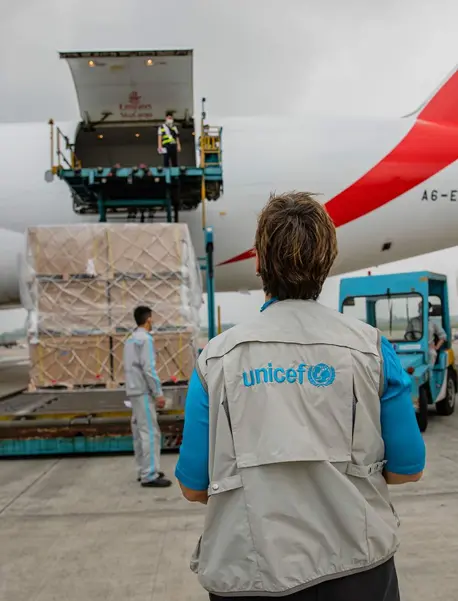
UNICEF works in over 190 countries and territories — more places than any other children's organization. UNICEF has the world's largest humanitarian warehouse and, when disaster strikes, can get supplies almost anywhere within 72 hours. Constantly innovating, always advocating for a better world for children, UNICEF works to ensure that every child can grow up healthy, educated, protected and respected.
Would you like to help give all children the opportunity to reach their full potential? There are many ways to get involved.