Inside Look: How UNICEF USA Is Advancing Child-Centered Governance in the U.S. — and Why It Matters
Highlights
- UNICEF USA’s child-centered governance (CCG) initiative aims to support meaningful youth participation in government decision-making.
- The Child Impact Statement Toolkit, co-created with youth, helps young people analyze policies, recommend solutions and advocate for community change.
- UNICEF USA is expanding CCG through youth councils, community partnerships, UNICEF Clubs, research and practical resources.
- There is growing interest in scaling the approach nationally, with communities and youth already putting these ideas into practice across several states.
UNICEF USA’s Chief Program Officer Darla Silva discusses the critical role of youth voices in shaping local policies in cities and municipalities across America.
As Chief Program Officer for UNICEF USA, you wear many hats. Please describe your role in the organization.
DARLA SILVA: I oversee a team that keeps close tabs on UNICEF’s program work in over 150 countries and territories — an important resource for our UNICEF USA colleagues who work directly with major donors and partners and who manage our marketing and communications and other efforts that are all part of how we support UNICEF’s work globally.
I also oversee the team that manages our domestic initiative called Community Alliance for Child Rights, where we work with partners to improve the well-being of children here in the United States. We do this by supporting efforts by U.S. cities and communities to advance child and family-centered policies and to engage youth in decisions that affect them. We call this child-centered governance (CCG).
The goal of this work is to help ensure that youth have a say in policies that shape their lives. We know that public resources are limited, so we want our leaders to use them most effectively, and we want them to take into account what children need from the start, and to hear about it directly from them.
At the root of all this is a simple yet transformative idea: If we want better outcomes for children, we must improve how decisions affecting them are made.
At the root of all this is a simple yet transformative idea: If we want better outcomes for children, we must improve how decisions affecting them are made. Rather than engage in one-off policy battles, we strengthen the governance systems that shape policy, starting at the local level where services for children are delivered and reform is most achievable. And we believe UNICEF USA is very well positioned to lead this work.
Learn more: Child-Centered Governance: Putting Children at the Heart of Local Decision-Making
How does UNICEF USA help make that happen?
DARLA SILVA: Our team has created tools for effective youth participation and dialogue. We support platforms and processes that enable leaders to connect with youth representatives and youth advocates. The goal is to elevate and amplify their voices in ways that lead to action.
The goal is to elevate and amplify their voices in ways that lead to action.
One of our tools is the youth-friendly Child Impact Statement Toolkit, co-created with Kids Impact Initiative and designed with youth and for youth to analyze policy, make recommendations and advocate for community change. Users select the issues they care about, do some research and then map out a plan for how to advocate to their local governments to enact child-friendly policies. It’s a way to evaluate existing policies and programs and share actionable recommendations with decision-makers. It’s part of a broader effort to make youth input the norm — to strengthen child-centered governance through youth leadership, to put child-centered governance into practice.
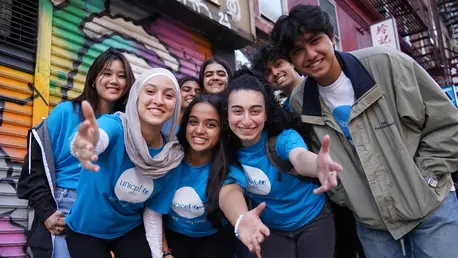
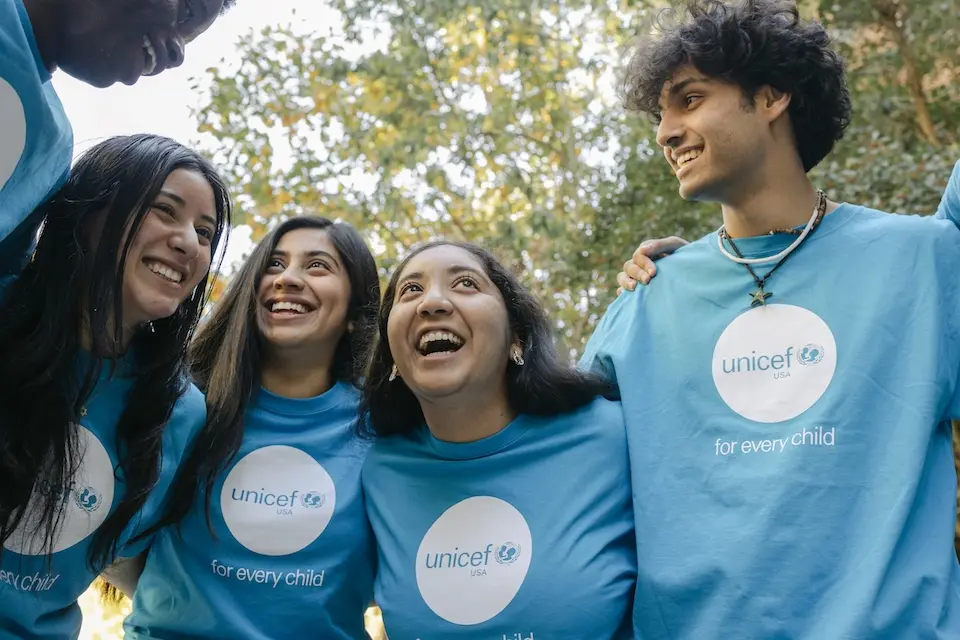
We’ve started sharing the toolkit with all our UNICEF Youth Clubs across the U.S. We have over 850 UNICEF Clubs across the country in 43 states. Our project group here in New York City launched a “Tuesday Toolkit Tips” campaign to encourage their peers to try it out.
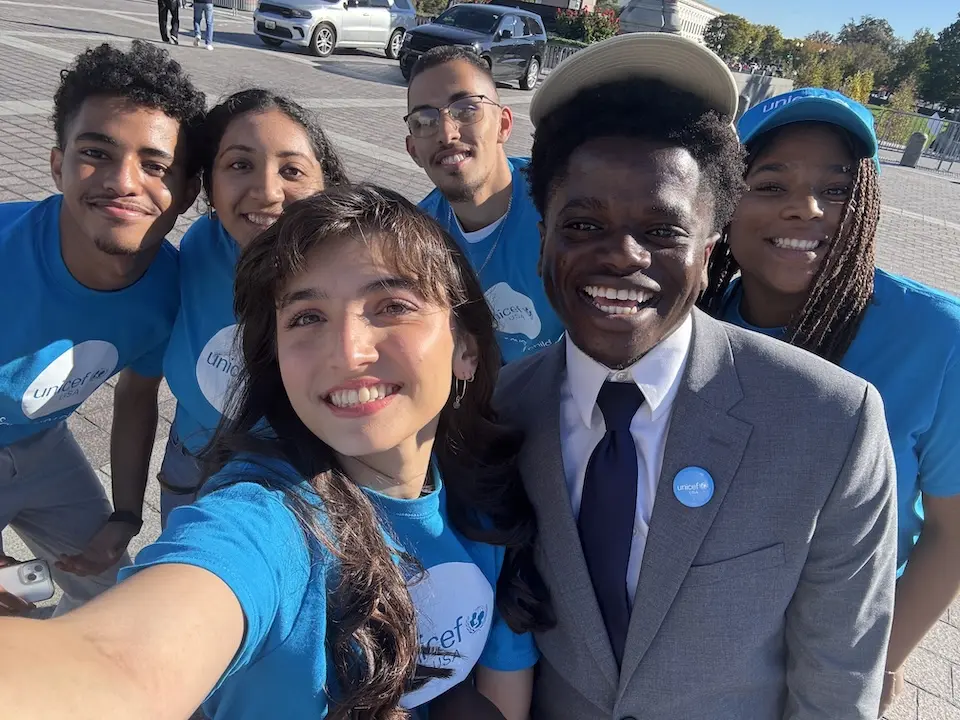
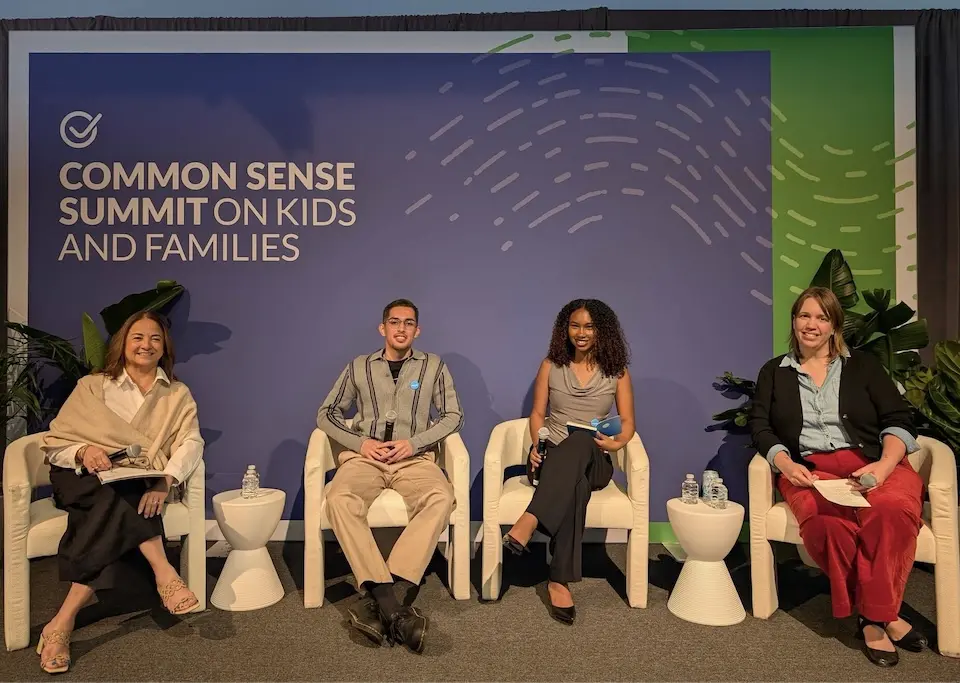
We’ve also been sharing the toolkit at conferences, like the Common Sense Media Summit on Kids and Families that I attended in San Francisco in March 2026, along with two of our National Youth Council members, Xavier and Heldana, and Leah Defenbaugh, Director of Youth Development Projects for the Youth Coordinating Board in the city of Minneapolis.
This event was a great opportunity to talk about meaningful youth participation in community decision-making — what it looks like, and how important it is to ensure youth voices are not just heard but meaningfully considered in how policies are designed and implemented.
It’s clear that young people are not just asking to be heard. They are ready to help shape better decisions by their governments.
Leah spoke about how cities are using real input from young people to inform real decisions at the city level. The conversation really homed in on the point of all this work — to encourage stronger civic engagement of young people, greater government accountability and a whole-of-society approach to improving child well-being.
I was especially inspired by what Xavier and Heldana had to say. It’s clear that young people are not just asking to be heard. They are ready to help shape better decisions by their governments.
What’s next for the team?
DARLA SILVA: We will soon be releasing the results of our UNICEF USA/Harris Poll survey of a nationally representative sample of over 3,000 American youth between the ages of 14 and 22. The results show how they see the state of the world, government and their own civic power. The findings reinforce why our youth voice and child-centered governance work matters.
We’re also developing a public dashboard with data visualization of a nationwide survey conducted with the National League of Cities to map cities’ CCG practices. We plan to roll it out in October 2026.
And we have many multi-year research projects going on. One is a pilot study in New Orleans, looking at ways to integrate youth voice into emergency planning, focusing on climate-related disasters. As we’ve learned from other disasters in Puerto Rico and Houston in recent years, there is much we can do to plan proactively and better support children's well-being.
What are some other ways you are helping to guide state and local governments as they shift toward a child-centered governance approach?
DARLA SILVA: We just published a series of issue briefs that explain the benefits of specific actionable strategies, such as creating children's budgets to identify under-resourced areas, and establishing youth councils, children’s cabinets and youth ombuds offices.
We are also participating in conferences on state and local strategies for centering children’s voices in policy – so stay tuned for more!
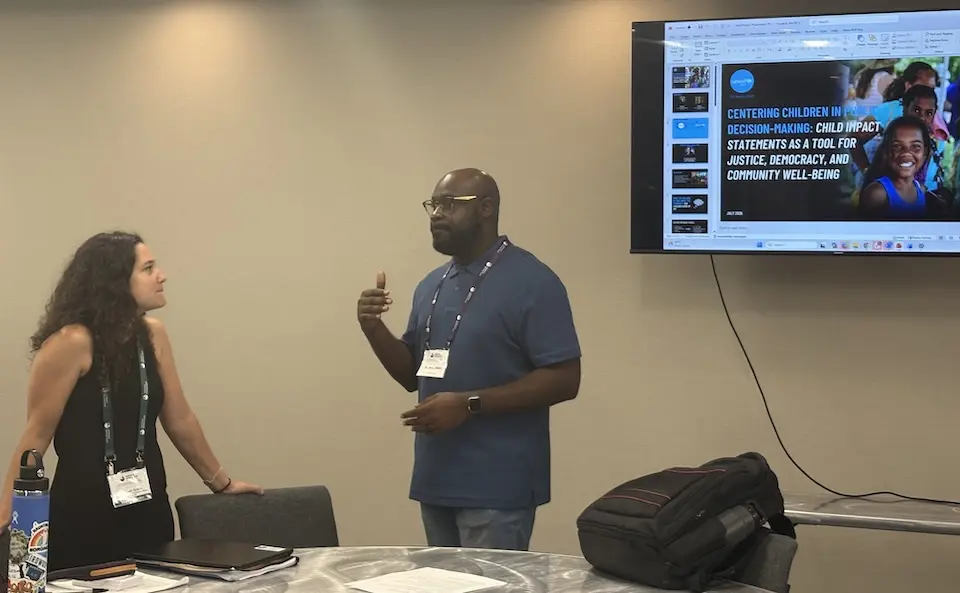
In a recent op-ed, UNICEF USA’s President & CEO Michael J. Nyenhuis called the child impact statement the “policy tool America is missing.”
DARLA SILVA: Yes! We don’t have anything like it here in the United States, at least at the federal level. We co-created the child impact statement toolkit with youth to show how communities can use it to understand the impact of a policy or decision before it is finalized.
More and more, state and local government leaders from districts all across the U.S. are showing real interest. Leaders want to meet with us, they want to meet with youth, they want to explore this idea of bringing a child lens to their decision-making. There’s a real opportunity here to scale this approach nationally and help change the way public decisions are made for the benefit of children and youth in the U.S.
How is UNICEF USA planning to help build on this momentum?
DARLA SILVA: We’re ready to partner with communities that want to try out this approach, monitoring their progress and capturing best practices so we can share with others.
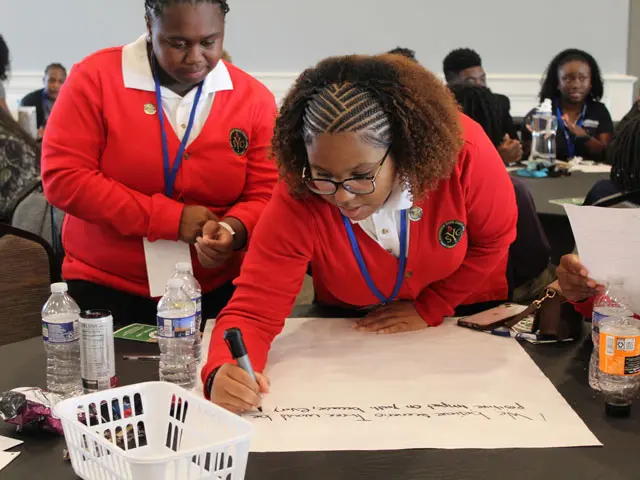
In June we supported a child impact statement workshop at the San Diego Youth Summit, organized by the San Diego Office of Child and Youth Success. Young people came together to participate in interactive workshops and other activities focused on youth leadership and civic engagement.
Leaders want to meet with us, they want to meet with youth, they want to explore this idea of bringing a child lens to their decision-making. There’s a real opportunity here to scale this approach nationally and help change the way public decisions are made for the benefit of children and youth in the U.S.
Things are happening in other states as well. Denver’s Mayor appointed the first youth member to the Women’s Commission, with plans to expand youth representation across additional boards. In El Paso, the Youth Advisory Board participated in strategic planning for the first time, identifying gaps and making recommendations to the City Council.
Earlier this year, youth advocates from the UNICEF Club at Montgomery Blair High School in Maryland met with state senators, delegates and staffers at the Annapolis State House and attended some committee hearings. They gained practical experience advocating directly with state and local policymakers on issues related to education funding, child health and nutrition, AI regulation and student voice in policymaking.
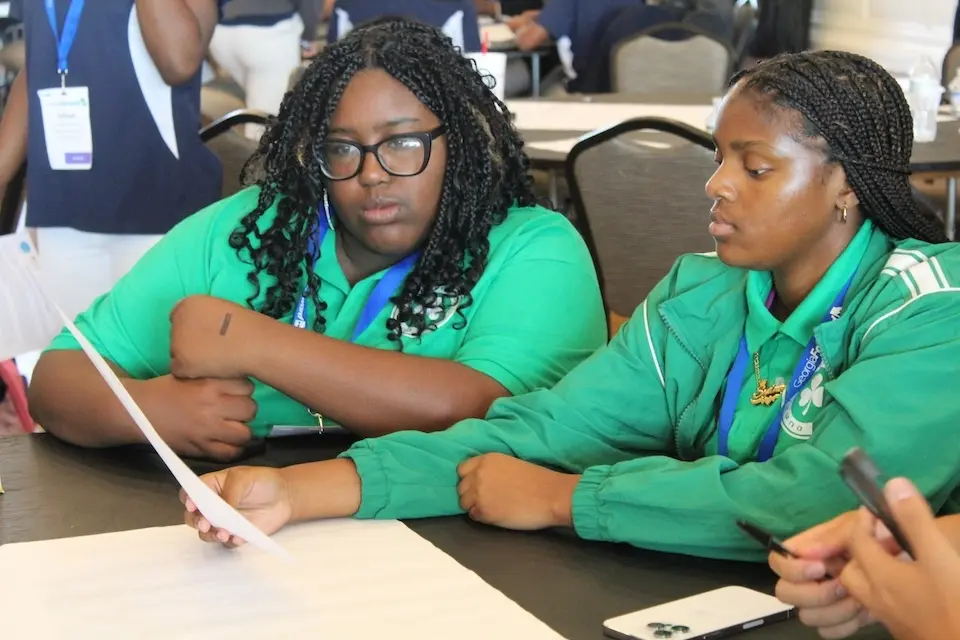
UNICEF USA also took part in the Georgia Municipal Association’s Annual Convention in Savannah, where we had the opportunity to introduce representatives from over 500 municipalities to our resources and practical approaches, including ways to engage with their newly established statewide youth council, and create conditions for meaningful youth participation in local governance. Mayors, council members and municipal staff from across the state were introduced to our CCG resources and CIS Toolkit. UNICEF USA will be directly supporting the GMA in establishing and strengthening youth councils across the state.
This is one major way we will scale CCG: by working through statewide municipal associations to help build the capacity of local leaders, equip youth with practical tools for advocacy, and create pathways for more communities to make decisions with children, not just for them. We are continuously growing our partner network. It has all the makings of a national movement — with encouragement rather than criticism.
Another way we'll advance CCG is by launching a local and state advocacy program through UNICEF Clubs. We have introduced a pledge for UNICEF Club members who wish to express their dedication to advocating for CCG strategies in their communities. We plan to mobilize our Club network to drive change and put children at the center of decision-making. We will focus on a mixture of states and cities across the U.S. – drawing on places where we have engaged high school and college clubs.
Locate UNICEF Clubs all across the U.S.
Which issues are top of mind for you and the team right now? What are some of the most pressing problems that child-centered governance could help solve?
DARLA SILVA: One issue that we’ve taken a close look at is the impact of SNAP cuts on children and families. We researched food insecurity among children in the United States, and how cuts to SNAP would harm child health and well-being. Our report makes a good case for preserving and strengthening the SNAP program to protect America's most vulnerable kids.
Developing child impact statements when legislative changes are being considered can help decision-makers understand how children will be affected and inform their decisions before they are finalized.
Another issue area is capturing youth views on tech policy. We can start by understanding what social media and technology platform design features youth engage with and why. Involving youth in conversations about how they use technology will inform policies and practices that make them safer.
Related: Nourished From the Start: The Role of SNAP in Promoting Healthy Childhoods
What can our readers do in their own cities and communities to advocate for and otherwise help advance child-centered governance, and why is this important for us all, and for society at large?
DARLA SILVA: No. 1: Create space for youth participation — establish youth councils so young people have a meaningful role in shaping policies that affect them.
No. 2: Speak up in local decision-making spaces — city councils, school boards, youth councils — where your perspective can directly influence outcomes.
No. 3: Use child impact statements to analyze an issue you care about — identify how policies affect young people and propose real solutions.
No. 4: Join collaborative learning networks (such as UNICEF USA’s National Learning Community) to share best practices and scale faster.
Governance that works for children works better for everyone — producing better policies, smarter investments, and stronger, more resilient communities.
Learn more about UNICEF USA's Community Alliance for Child Rights
Join the Community Alliance for Child Rights: Bridging Research and Policy LinkedIn Group
Support children globally with UNICEF
HOW TO HELP
There are many ways to make a difference
War, famine, poverty, natural disasters — threats to the world's children keep coming. But UNICEF won't stop working to keep children healthy and safe.
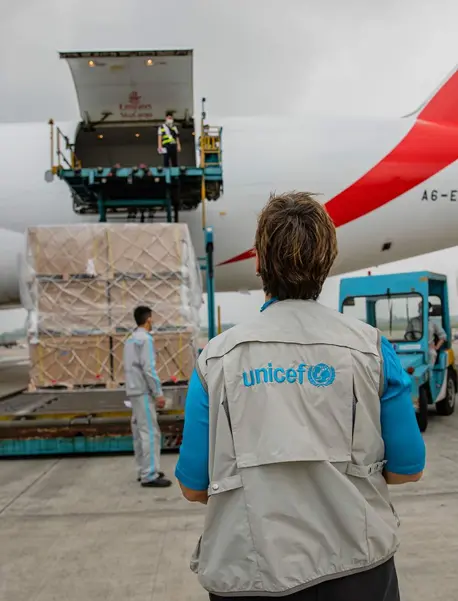
UNICEF works in over 190 countries and territories — more places than any other children's organization. UNICEF has the world's largest humanitarian warehouse and, when disaster strikes, can get supplies almost anywhere within 72 hours. Constantly innovating, always advocating for a better world for children, UNICEF works to ensure that every child can grow up healthy, educated, protected and respected.
Would you like to help give all children the opportunity to reach their full potential? There are many ways to get involved.