7 Eco-Friendly Tips for Sustainable Living
Want to make the world a better place for children today and future generations? Understanding sustainable living is a powerful place to start. Here are seven ways to go green.
Do you want to make the world a better place? Reduce poverty, clean up the environment, combat climate change, support fair wages and help children survive and thrive? Living a more sustainable lifestyle contributes to all of these things.
International laws and sound environmental policies are needed to protect the planet. Systemic change is essential, as is ction by governments and institutions, financing and international cooperation. But individuals have a vital role to play, too.
Nearly every decision — how we go to work, where we shop, what we consume, which products we use to keep our home and everything in it clean — is an opportunity to make a choice that is healthier for the planet. Even children can take steps to help preserve the environment and make the future a little brighter.
What is sustainable development?
In the past, economic development was driven by a limited range of objectives with little consideration for the future. Consequently, more than 1 billion people in the world live in some form of poverty, while many others experience inequality, unfair treatment and discrimination.
Despite significant improvements in children's lives, millions of children still die before age 5, suffer from chronic malnutrition or go without schooling.
The concept of sustainable development — defined in the 1987 Brundtland report, "Our Common Future" — started gaining traction in the 1990s as way to address these inequities, safeguard the environment and preserve resources for the future. In 2000, the Millennium Development Goals established a global framework for achieving these objectives while improving critical areas of human development, including child survival, education and safe water.
For 15 years, the MDGs guided development efforts and measured results. But they failed to address some crucial issues, including violence, exploitation and abuse. Too many of the poorest and most vulnerable people were left out.
In 2015, UN launched the Sustainable Development Goals (SDGs), an ambitious set of targets around preventing child and maternal deaths, ending extreme poverty and child marriage and ensuring that all children, even the poorest and most disadvantaged, could get the education they needed to secure prosperous futures. The SDGs also call for preserving the planet for children and future generations by addressing climate change, energy use and land and water management and consumption.
Environmental degradation is especially hard on children. Droughts, floods and extreme weather can deplete or destroy food supplies, threatening children's health and development. Children are also more vulnerable to diseases caused by unclean water and poor air quality. To protect them from the severe environmental problems the world faces today, UNICEF insisted that ending preventable child deaths be made one of the SDGs and has helped keep the focus on equity and children ever since.
What does a sustainable world look like? It is a place where there is no poverty or hunger, and where everyone has equal access to clean and safe water, education, health care and the opportunity to pursue satisfying work with fair compensation; a world where energy is clean, communities husband their resources carefully and consumption is responsible; a world where conservation dictates both land and water use, and everyone is committed to fighting climate change.
It might sound like an unrealistically rosy picture, but we can all take immediate steps to move in the right direction.
7 ways to live a sustainable lifestyle
Commitment at the highest levels of government is key to achieving sustainable development. But each of us has a role to play too. Here are some simple adjustments we can all make to leave the world a better place for future generations.
1. Get educated
Understanding the latest news on the most pressing environmental issues is a great place to start. Find out how your actions and habits feed into the problems we face, then see where your elected officials stand on the issues. Armed with this knowledge, you can make informed decisions about who to support and how to take action to create a more sustainable world.
2. Limit waste
Reducing the waste we generate, especially non-biodegradable waste, is one of the most important things we can do for the environment. So many of the things we throw away end up in landfills or get dumped into the ocean, where they pollute the water and pose a threat to sea life. You and your family can live an eco-friendly lifestyle by reducing the waste you generate to the bare minimum.
Begin by replacing single-use plastic items in your home with reusable versions. Dispense with disposable dining ware and cutlery, straws, plastic bags (of all kinds), to-go cups, take-out containers and water bottles. All of these products now come in reusable alternatives made from stainless steel, bamboo, cotton and other more eco-friendly materials.
Reducing packaging is another way to live a sustainable lifestyle. Anything you order and have shipped to you is likely to come with far more packaging than needed; when possible, support companies that keep packaging to a minimum and shop in person whenever you can. At the grocery store, opt for unwrapped produce and items in bulk and make sure to bring a tote along, so you don't have to ask for a plastic bag or box to get it all home.
3. Limit atmospheric emissions
Being mindful of what's released into the atmosphere is just as important. That's why taking steps to limit carbon emissions is another cornerstone of sustainable living.
Airplanes are one of the most significant emissions sources; even short trips have a massive impact on the environment. Limiting flights and choosing to travel by land (or sea) can reduce your carbon footprint and save money, too. But when that’s not possible, choose the most direct route, ideally a nonstop flight. For land travel, take public transportation where it’s available, carpool with friends or co-workers, walk or cycle.
Shopping locally will also cut down on emissions, save you shipping costs and support the businesses in your community. Eating foods grown nearby instead of those shipped from far away reduces transport emissions — plus you'll get fresher options.
If what you're looking for isn't available at your neighborhood shops or accessible via public transportation, consider shopping at an online fair trade market. When you shop fair trade, you support companies that are committed to a sustainable means of production and safe working environments and fair compensation for their workers.
You can support the movement and help children at the same time by shopping at UNICEF Market, an online collection of beautifully crafted items for the home along with jewelry, clothing and an eclectic line of eco-friendly products. UNICEF Market is committed to improving conditions for vulnerable producers around the world and helping makers build vital businesses that support their families and communities. Plus, a percentage of each UNICEF Market purchase goes toward supporting UNICEF's lifesaving work for children.
Shop sustainably at UNICEF Market
4. Conserve water and energy
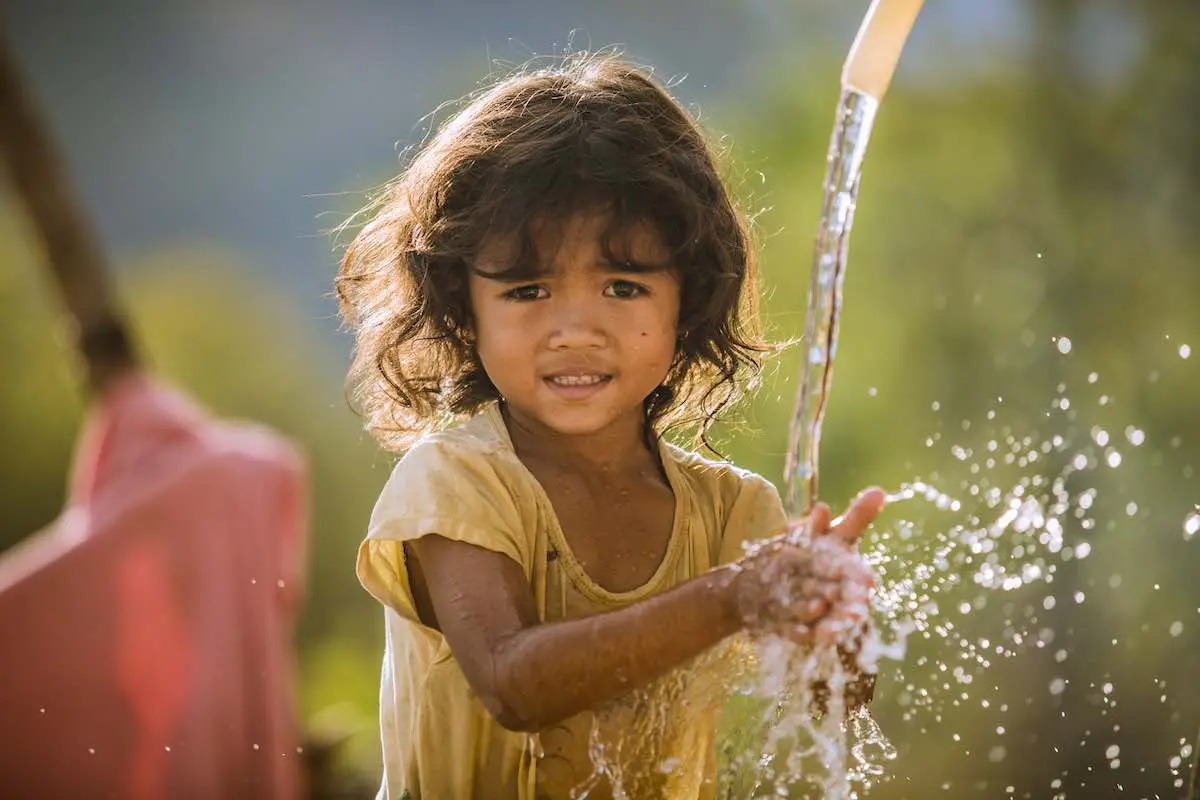
There are many easy-to-implement eco-friendly lifestyle changes that conserve water and energy. Turn the water off while washing your hands and brushing your teeth. Take shorter showers. Only run the washing machine and dishwasher when they’re full. Replace standard faucets and showerheads with low-flow models.
If your toilets, washing machine or dishwasher are older, chances are they consume a lot of water. If you can afford it, spring for newer models that are more efficient to cut down on water and power use. You will save money too.
Similarly, efforts to limit energy use quickly add up to big savings. Turn off lights when you leave the room, unplug appliances that aren’t in use and know what you're looking for before you open the refrigerator door. Skip the drying cycle in the dishwasher and consider line-drying your clothes if you have space. Use air-conditioning and heating judiciously and adjust the thermostat when you’re not at home.
5. Avoid toxic chemicals
Harmful chemicals lurk in everything, from toiletries to cleaning products. Before you buy new products, look at the list of ingredients. Toxic offenders include oxybenzone, sodium lauryl sulfate, formaldehyde, triclosan, parabens, and chlorine bleach. Switch out your standard products for alternatives from eco-friendly brands. Though more eco-friendly options can be pricier, they don't come with the health risks posed by harsh chemicals. Have the time to get creative? Many home-cleaning products can be replaced with simple DIY solutions.
6. Travel responsibly
Whether you're on the move for work or pleasure, travel takes a toll on the environment, and it isn't just the carbon emissions doing the damage. Many eco-friendly habits we've worked hard to establish fall by the wayside when we're away from home. But with a little planning, you can go green on the road.
Choose the most sustainable transportation options you can, don’t forget to pack reusable items and remember to conserve water and energy. Beyond that, refuse the daily towel changes in hotels, and leave the miniature toiletries — which use conspicuous amounts of plastic — undisturbed. When traveling for leisure, avoid cruises and all-inclusive resorts, which are prone to waste, and opt for destinations off the beaten path. You'll avoid the crowds and have fun discovering hidden gems.
7. Advocate for change
We’re all responsible for our own choices, but promoting a sustainable lifestyle across your personal and professional networks can make a real difference. Pushing your workplace to adopt more eco-friendly policies, getting involved in sustainable programs at your child’s school or campaigning for ballot initiatives that protect the environment are ways to build community and create a better world.
Learn more: Green Living Tips for a Safer Environment
Frequently asked questions about sustainability
What does sustainable mean?
“Sustainable” refers to the ability to maintain or support a process over the long term. In environmental terms, it means using natural resources responsibly so they are not depleted or permanently damaged.
What is a sustainable practice?
A sustainable practice is a habit or method that helps reduce strain on the environment over time. This can include choosing renewable materials, minimizing resource use in production or supporting systems that promote long-term environmental stability. All of the above tips are pieces to a healthy eco-friendly lifestyle and positive impact on the environment.
Why is sustainability important?
Sustainability is important because it helps protect the resources children need to survive and thrive. By addressing challenges like climate change, environmental damage and unequal access to essentials such as clean water, food and education, sustainability supports a safer and healthier future for every child.
HOW TO HELP
There are many ways to make a difference
War, famine, poverty, natural disasters — threats to the world's children keep coming. But UNICEF won't stop working to keep children healthy and safe.
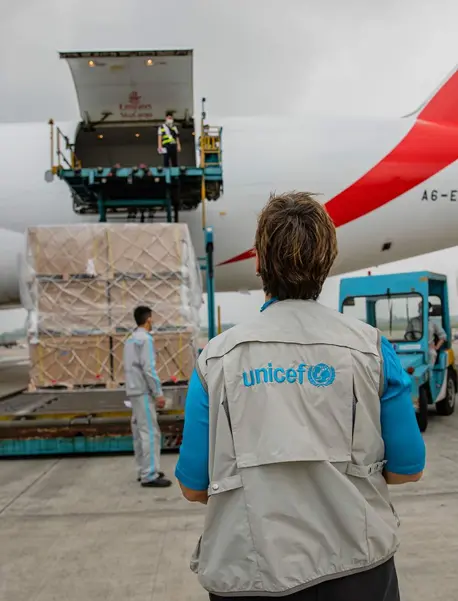
UNICEF works in over 190 countries and territories — more places than any other children's organization. UNICEF has the world's largest humanitarian warehouse and, when disaster strikes, can get supplies almost anywhere within 72 hours. Constantly innovating, always advocating for a better world for children, UNICEF works to ensure that every child can grow up healthy, educated, protected and respected.
Would you like to help give all children the opportunity to reach their full potential? There are many ways to get involved.