Desperate Situation for Gaza's 1 Million Children
Children in Gaza are enduring catastrophic living conditions, including severe food insecurity, malnutrition and starvation. UNICEF, ready to deliver urgently needed supplies, is calling for safe and unrestricted access. Here's how you can help starving children in Gaza.
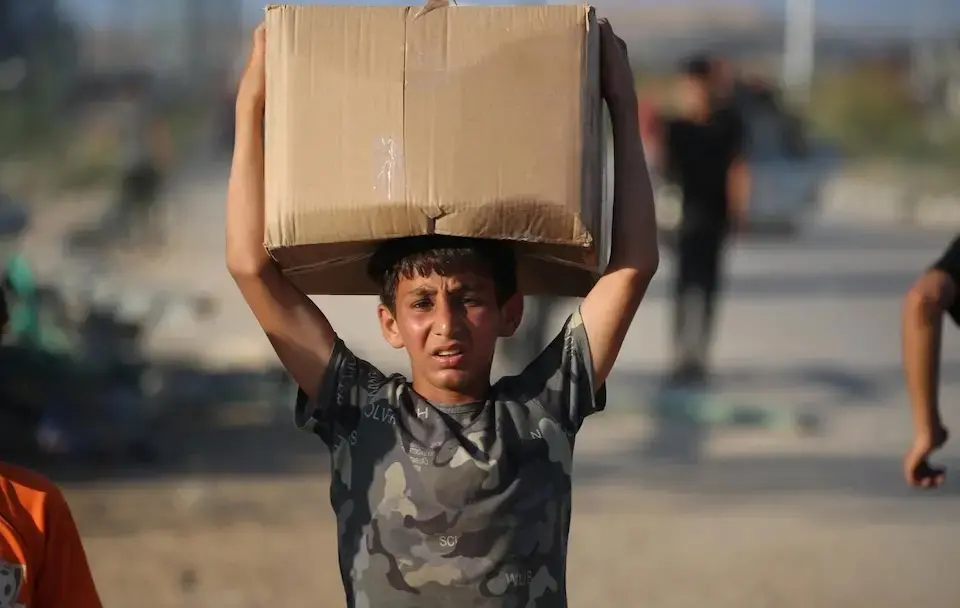
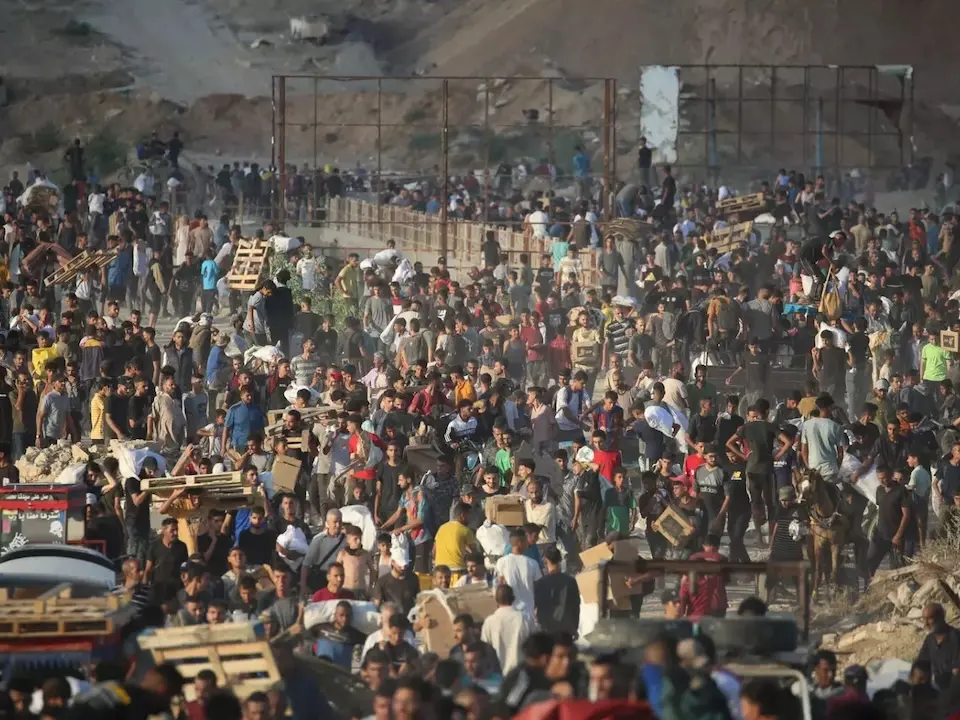
Every day, across the Gaza Strip, families are facing unimaginable challenges and choices. With almost no aid allowed in and food prices soaring, parents and children are risking their lives to get even small amounts of food or safe water. Many are walking for hours, waiting in crowds and dodging dangerous air strikes and gunfire — only to return empty-handed.
Some don’t return at all.
Between May 27 and July 7, 2025, the UN Human Rights Office recorded the killings of 798 Palestinian civilians — including children — desperate to find food, at or near distribution sites and humanitarian convoys.
These children are not combatants. They are being killed and maimed as they line up for lifesaving food and medicine. — Catherine Russell, UNICEF Executive Director
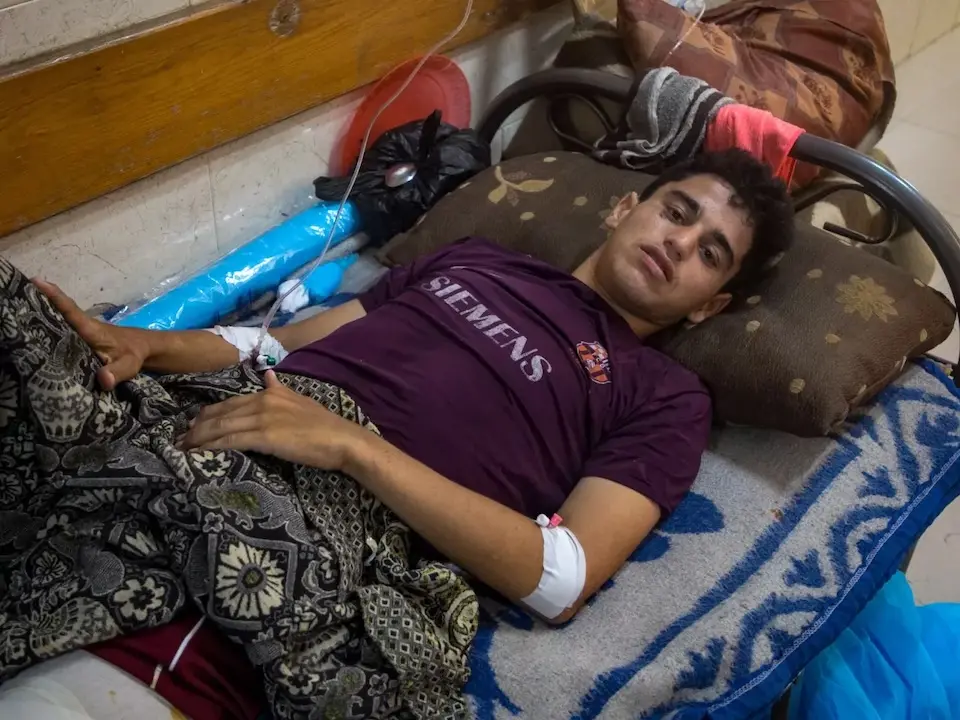
In the 21 months since war began on Oct. 7, 2023, more than 17,000 children have reportedly been killed and 33,000 injured. An average of 28 children have been killed each day — the equivalent of an entire classroom.
"Consider that for a moment. A whole classroom of children killed, every day for nearly two years," UNICEF Executive Director Catherine Russell said during a UN Security Council briefing on July 16. "These children are not combatants. They are being killed and maimed as they line up for lifesaving food and medicine."
UNICEF is ready to ramp up delivery of emergency supplies for children
After almost 11 weeks of a complete aid blockade, authorities allowed only a slow drip of UN supplies into the Gaza Strip between May 19 and July 2, 2025, during which time an average of 30 UN trucks were permitted per day to offload aid at designated crossings.
It was nowhere near enough. Before the war, 500 supply trucks entered Gaza daily.
We know what works. We just need to be allowed to save lives. — James Elder, UNICEF Spokesperson
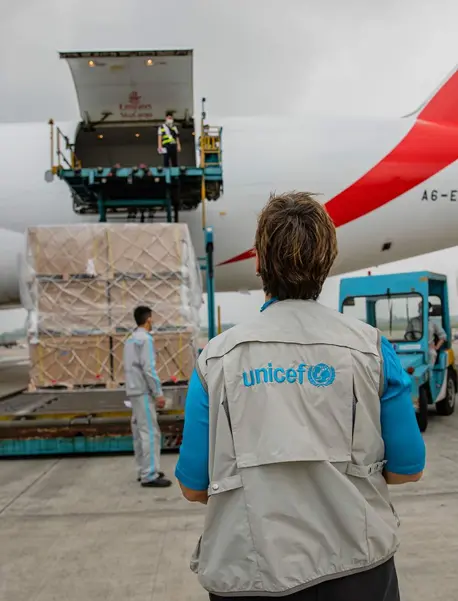
UNICEF continues to call for safe and unrestricted humanitarian access throughout Gaza to deliver thousands of truckloads of essential, lifesaving supplies already prepositioned in warehouses — including nutrition products, water treatment supplies and vaccines. More entry points and multiple routes are needed to ensure safe delivery of aid.
"We have what works," said UNICEF Spokesperson James Elder. "We have what worked throughout the ceasefire. We saw things change. The United Nations and partners on the ground, having done this in Gaza, having done it in Sudan, Ukraine, Afghanistan — pick a war over 50 years, we know what works. We just need to be allowed to save lives."
Babies and children in Gaza can't wait
In northern Gaza, Waad and her husband, Masoud, watched helplessly as severe acute malnutrition claimed the lives of their newborn twins. Determined to keep their surviving children alive, Masoud walked 15 miles to reach a distribution point in Rafah, at the other end of Gaza, hoping to obtain food.
"We lost our twin babies after birth because of malnutrition. I can’t lose [my sons] Ibrahim and Mohammed too," he said.
I thought anyone who got one can of beans was lucky. — Masoud, father of two
"For over fifty days, nothing entered our tent," Masoud said. "We lived on soup kitchens, but they stopped working. I worked day and night to buy just one kilo of flour. That’s why I went to Rafah when I heard about food distribution."
At the distribution point, "crowds were everywhere. I thought anyone who got one can of beans was lucky. If you survived the gunfire, you might still get attacked on the way out."
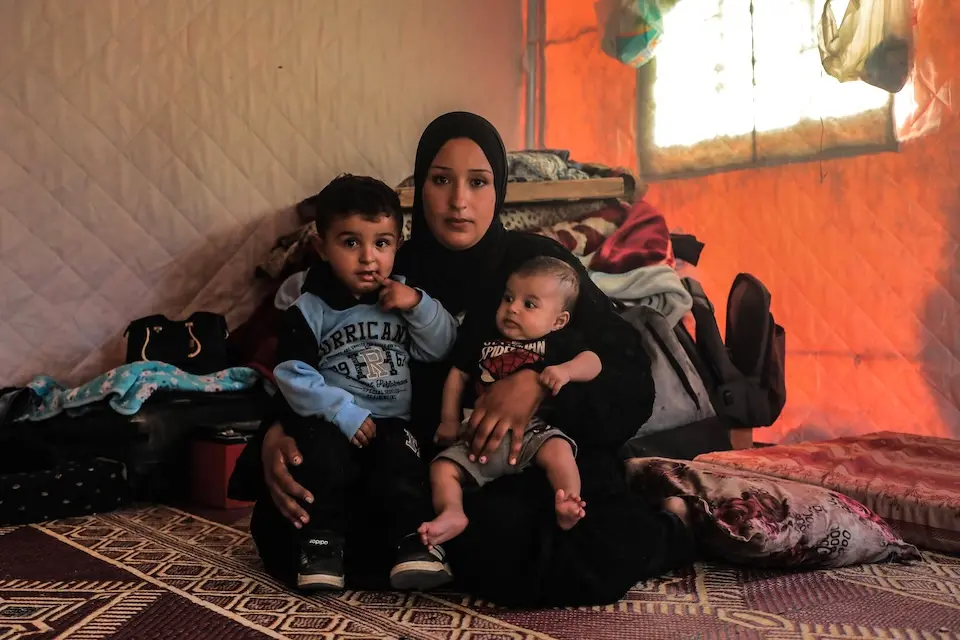
Masoud waited in the growing crowd. "At 3 a.m., a shell hit near us," he said. "I threw myself to the ground. Everyone was injured. My leg was hit. I tied it with a cloth and crawled back. I hid there until the next day, hoping for another chance at the distribution point." By then, his leg was badly infected.
"I stayed because I hoped to get something by the next day," Masoud continued. "I had no money for transport. I thought if I got aid, I could sell some to pay for a cart. I didn’t get anything. People helped me get home. I went to Al-Shifa Hospital. Doctors said my leg has early-stage gangrene. All this suffering, and my tent is still empty."
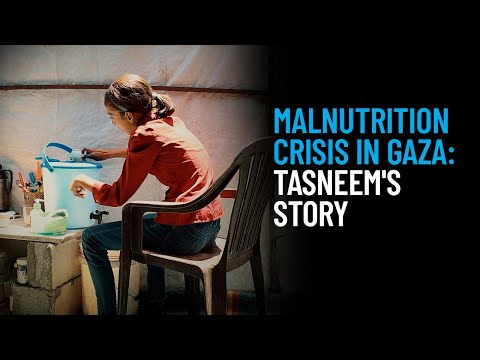
Watch the video: Tasneem's story
A staggering increase in acute malnutrition among children
Of the more than 113,000 children screened for malnutrition in June 2025, nearly 6,000 were found to be acutely malnourished — a staggering 180 percent increase in acute malnutrition cases compared to February.
"I feel weak and dizzy, my stomach hurts and my bones are beginning to show," said 12-year-old Tasneem, who is living in a tent in Al Yarmouk camp for the internally displaced.
The happy, healthy young girl seen in old photos bears little resemblance to Tasneem today. "My face used to be bright," she said. "At home we always had fruits and vegetables. Now, things are very hard."
Learn more: UNICEF in the State of Palestine Escalation Humanitarian Situation Report No. 40
Starving children in Gaza need help now
“Children in the Gaza Strip are starving to death. Severe malnutrition is spreading among children faster than aid can reach them, and the world is watching it happen," Edouard Beigbeder, UNICEF Regional Director for the Middle East and North Africa, said in a statement on July 24, 2025.
Children in the Gaza Strip are starving to death. Severe malnutrition is spreading among children faster than aid can reach them, and the world is watching it happen. — Edouard Beigbeder, UNICEF Regional Director for the Middle East and North Africa
“In total, more than 100 people have died from malnutrition during this war, and 80 percent of them are children," Beigbeder continued. "These deaths are unconscionable — and could have been prevented. The UN-led humanitarian response must be allowed to function fully through unfettered aid access to children in need."
UNICEF's emergency response plan for Gaza and the West Bank faces a critical funding gap as conditions deteriorate. Help now.
FAQs about starving children in Gaza
How many children are in Gaza?
More than 1 million children live in the Gaza Strip, accounting for roughly half of the territory's total population. For more information, read UNICEF's 2026 humanitarian action appeal for the State of Palestine
Why were children starving in Gaza?
Children in the Gaza Strip faced starvation for a time because of restricted humanitarian access, widespread displacement, destroyed food infrastructure and sharply rising prices. With aid convoys limited and distribution points dangerous to reach, families were left without enough food, clean water or nutrition support for months. These conditions sent acute malnutrition rates skyrocketing, particularly among young children.
What is UNICEF doing for children facing malnutrition in Gaza?
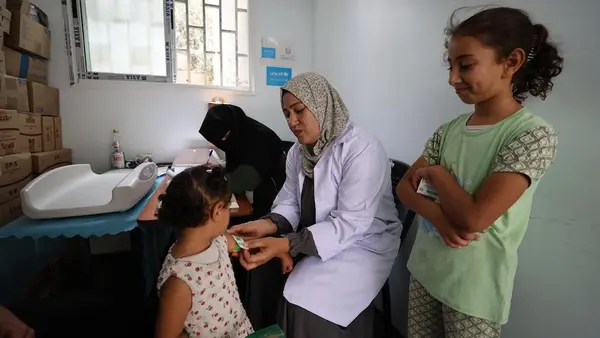
UNICEF prepositioned nutrition supplies, therapeutic food, safe water and medical equipment at the border and throughout the region in order to scale up delivery as soon as consistent, safe access was guaranteed. Ongoing support includes treatment for severe acute malnutrition, support for health facilities and protection services for children and families.
Is it safe to make a UNICEF Gaza donation?
Yes, UNICEF USA is a trusted, highly-rated nonprofit. Your tax-deductible donation goes directly toward UNICEF’s humanitarian programs for children, including emergency nutrition, safe water, medical care and protection services.
HOW TO HELP
There are many ways to make a difference
War, famine, poverty, natural disasters — threats to the world's children keep coming. But UNICEF won't stop working to keep children healthy and safe.
UNICEF works in over 190 countries and territories — more places than any other children's organization. UNICEF has the world's largest humanitarian warehouse and, when disaster strikes, can get supplies almost anywhere within 72 hours. Constantly innovating, always advocating for a better world for children, UNICEF works to ensure that every child can grow up healthy, educated, protected and respected.
Would you like to help give all children the opportunity to reach their full potential? There are many ways to get involved.