The Class: Looking Back on 4 Years of Full-Scale War in Ukraine
The war in Ukraine is taking a heavy toll on the lives, friendships and education of the nation's children. A student and teacher in eastern Ukraine describe the indelible impacts of a brutal conflict — and what it's taught them about resilience and the power of community.
Wartime childhoods marked by shock, displacement and loss
Four years ago, the lives of children across Ukraine changed overnight. The full-scale invasion that began on the morning of Feb. 24, 2022 brought shock and displacement. In the east, where the conflict started 12 years ago, many were forced to relocate yet again, bringing still more upheaval.
In Zlatopil, a small agricultural town in eastern Ukraine about 62 miles from Kharkiv, the students at Lyceum No. 6 were among many whose lives were turned upside-down as they scattered in search of safety.
It felt like my life was put on pause. There were so many questions and no answers. Even breathing felt hard. — Veronika, 16, eastern Ukraine
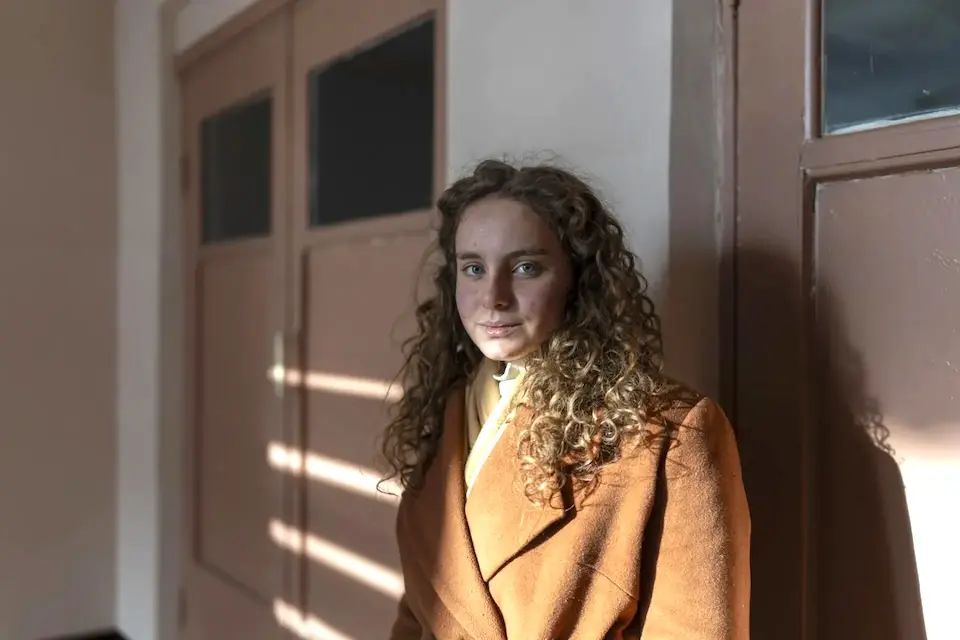
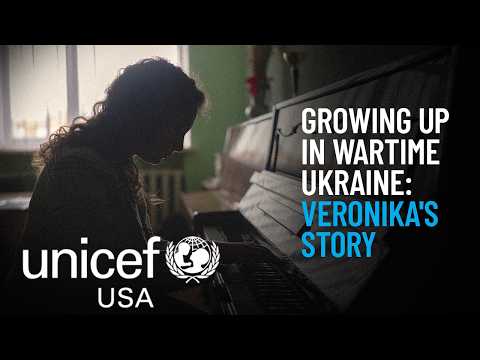
Veronika, a talented musician who is now 16, and her mother left Zlatopil to live with relatives in western Ukraine, leaving behind the familiar rhythms of daily life — and Veronika's father, a paramedic. Some of her classmates fled to other countries, becoming refugees.
"It felt like my life was put on pause," Veronika says. "There were so many questions and no answers. Even breathing felt hard."
Video: Grief and a father's legacy
A war on children's physical and mental well-being
With the full-scale war underway, Zlatopil Lyceum No. 6 shifted to online learning. Veronika and her classmates were cut off from in-person contact with their peers, but even as they were separated physically, they never lost their connections to one another.
Their math teacher, Liubov Mykhailivna, remained a steady, comforting presence in their lives. The students shared a history and fond memories, like their class trip to the Kharkiv Zoo before the conflict escalated. "It was freezing, but we were happy," the teacher remembers.
Video: Resilience and the power of community
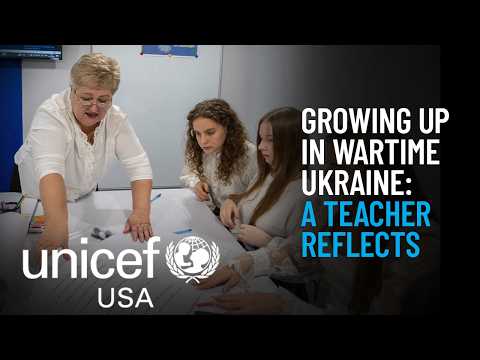
Over time, Veronika and some of her classmates returned to Kharkiv. In the autumn of 2025, classes shifted to a blended model, part online and part in-person — just in time for their final, graduating year.
What began as a group of 36 children has shrunk to 25. Many students fled abroad to countries ranging from Poland to Australia, while new children joined the class after being displaced from frontline areas.
Liubov Mykhailivna, who has known the students since they were fifth graders, noticed something had changed — the war had marked her young students in unexpected ways. “As strange as it sounds, everything they went through made them more open,” she says.
"A lot of the children missed Ukraine," Liubov Mykhailivna reflects. "You'd think it would be the other way around, that missing home would shut them down. But no, they opened up. And what really changed was their compassion. They think about others more. Before, it was mostly about themselves. But now they're grown up. They reach out to help."
Learn more: How One Class in Kharkiv Region Was Changed by War
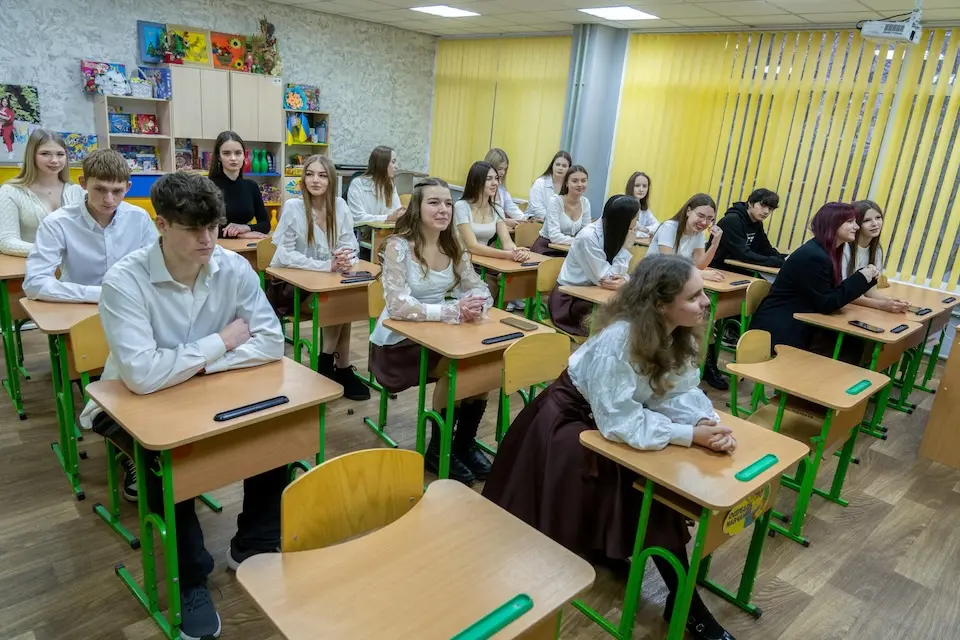
UNICEF is working with partners to support children in Ukraine
Since Feb. 2022, more than 3,200 children have been killed or injured in Ukraine. The constant fear of attacks, endless sheltering in basements, and isolation at home with limited social connections have left adolescents struggling.
A recent UNICEF poll found that one in four adolescents are losing hope of realizing their full potential in Ukraine. A further 40 percent are unsure, underlining the urgent need to prioritize and invest today in Ukraine’s children and young people for their futures and that of the country.
“Millions of children and families have fled their homes in search of safety, with 1 in 3 children remaining displaced four years into this relentless war," says UNICEF Regional Director for Europe and Central Asia Regina De Dominicis. "For children in Ukraine, safety is increasingly hard to come by as attacks on civilian areas continue across the country. In many ways, the war is following these children.”
For children in Ukraine, safety is increasingly hard to come by as attacks on civilian areas continue across the country. In many ways, the war is following these children. — Regina De Dominicis, UNICEF Regional Director for Europe and Central Asia
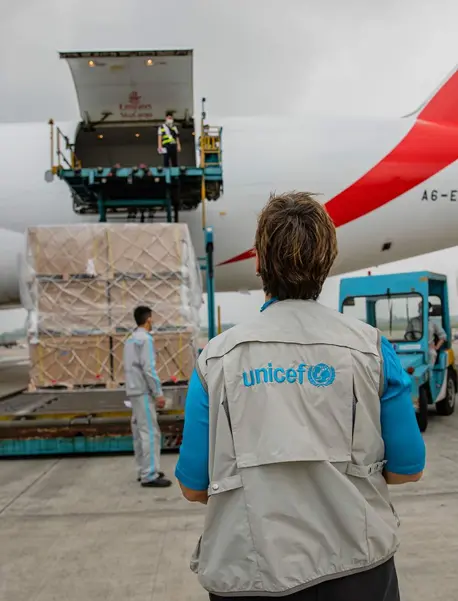
Since the start of the conflict, UNICEF has been working across Ukraine and in neighboring host countries to support children affected by displacement and ongoing violence, delivering lifesaving assistance and essential services. In 2025, 7 million people, including 2.5 million children affected by the war in Ukraine received humanitarian support from UNICEF working with local partners and the Ukraine government.
UNICEF provides access to safe water, health care, nutrition, education, child protection and mental health and psychosocial support, while also helping repair and rehabilitate critical infrastructure such as schools, health facilities and water systems damaged by attacks.
Learn more about UNICEF 's work in Ukraine
More support is needed to protect Ukraine's children and their futures
To continue this work in 2026, UNICEF is appealing for $387.9 million ($350 million for the response inside Ukraine and $37.9 million for the refugee response) — to ensure protection, sustain services, strengthen systems and maintain readiness to meet new or escalating needs.
“The war took so much from my family,” says Veronika, who is planning on following in her father's footsteps and becoming a medical professional. “My plans, our sense of safety, our home as it used to be — all of that stayed in the past. But I don’t let darkness take over. My creativity, music and my friends help me resist it. And my dream keeps me going — to help people and make life a little easier in these difficult times.”
HOW TO HELP
There are many ways to make a difference
War, famine, poverty, natural disasters — threats to the world's children keep coming. But UNICEF won't stop working to keep children healthy and safe.
UNICEF works in over 190 countries and territories — more places than any other children's organization. UNICEF has the world's largest humanitarian warehouse and, when disaster strikes, can get supplies almost anywhere within 72 hours. Constantly innovating, always advocating for a better world for children, UNICEF works to ensure that every child can grow up healthy, educated, protected and respected.
Would you like to help give all children the opportunity to reach their full potential? There are many ways to get involved.