Children in Conflict Need Urgent Protection
Highlights
- Children bore the brunt as conflict escalated in the Gaza Strip following the Oct. 7, 2023 attacks on Israel, facing injury, displacement, trauma and severe humanitarian needs.
- From the start UNICEF called for an immediate ceasefire while working alongside partners to deliver lifesaving assistance. Even with the October 2025 ceasefire in place, child deaths and widespread suffering continue.
- UNICEF advocates for the protection of all children affected by conflict.
No child should have to grow up surrounded by violence. Children in conflict face heightened risks of injury, displacement and trauma, making protection and humanitarian access critical. Compassion — and international law — must prevail. Learn about how UNICEF responded to urgent needs in Gaza as hostilities escalated in October 2023.
Following the brutal attacks on Israel on Oct. 7, 2023, and the subsequent declaration of war, more than 1 million children suffered as a humanitarian crisis unfolded, fueling urgent needs for protection and assistance.
In a press briefing on Oct. 13, 2023, UNICEF spokesperson James Elder described the situation in Gaza: “The images and stories are clear: children with horrendous burns, mortar wounds and lost limbs. And hospitals are utterly overwhelmed to treat them. Yet the numbers keep rising."
Elder continued: "Israeli children being held hostage in Gaza must be safely and immediately reunited with their families and loved ones. The humanitarian situation has reached lethal lows, and yet all reports point to further attacks. Compassion — and international law — must prevail."
UNICEF called for an immediate ceasefire as 1.1 million people — nearly half of them children — were warned to move out of the way ahead of what turned into a ground assault in Gaza, one of the most densely populated places on the planet, "with nowhere safe for civilians to go."
UNICEF responds in emergencies to protect the rights of vulnerable children
Every child has the right to a safe and healthy childhood.
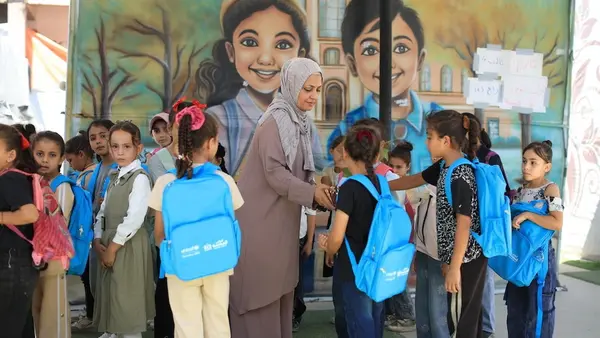
UNICEF has been working in Gaza since the 1980's. It is one of 13 United Nations agencies implementing and scaling up humanitarian interventions in response to the immediate needs of children and families caught in the conflict, including children exposed to violence and displacement.
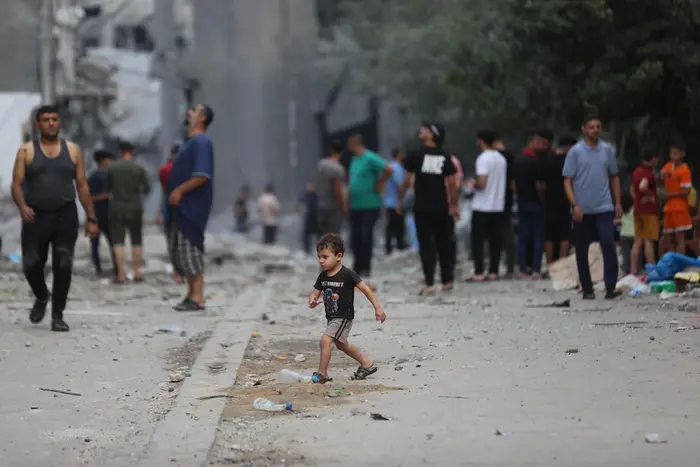
In his Oct. 13, 2023 statement, Elder noted that children and families in Gaza had "practically run out of food, water, electricity, medicine and safe access to hospitals, following days of air strikes and cuts to all supply routes." Gaza’s sole power plant had run out of fuel, he added, shutting down electricity, water and wastewater treatment.
"Most residents can no longer get drinking water from service providers or household water through pipelines," Elder said, adding that at least six water wells, three water pumping stations, one water reservoir and one desalination plant serving more than 1 million people had been damaged by air strikes.
In every war, children suffer most
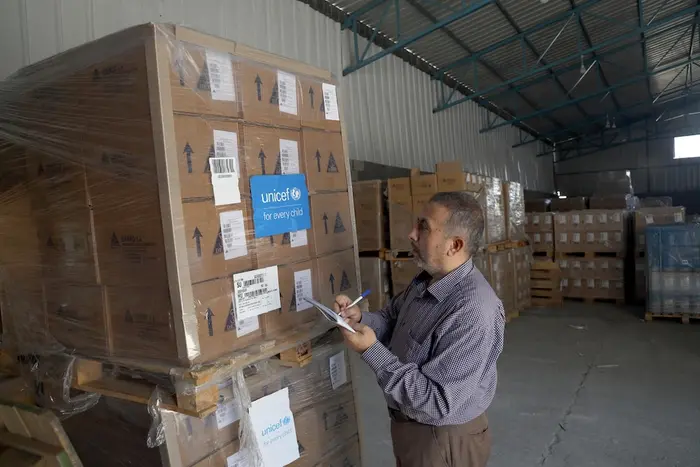
To respond to the urgent need for safe drinking water in Gaza, UNICEF provided water treatment reagent to sustain the UNICEF-supported desalination plant. UNICEF also released medicines and medical supplies that had been prepositioned in the Gaza Strip to hospitals and delivered essential mental health and psychosocial support.
“Humanitarians must be able to safely access children and their families with lifesaving services and supplies — wherever they may be," Elder said. “In every war, the ones who suffer the most are children. This is tragically true today.”
Continued failure to meet children's basic needs in Gaza is trapping them in an endless cycle of suffering. More than two years of food insecurity, poor housing, limited water, terrible sanitary conditions and regular disease outbreaks has left the population extremely vulnerable.
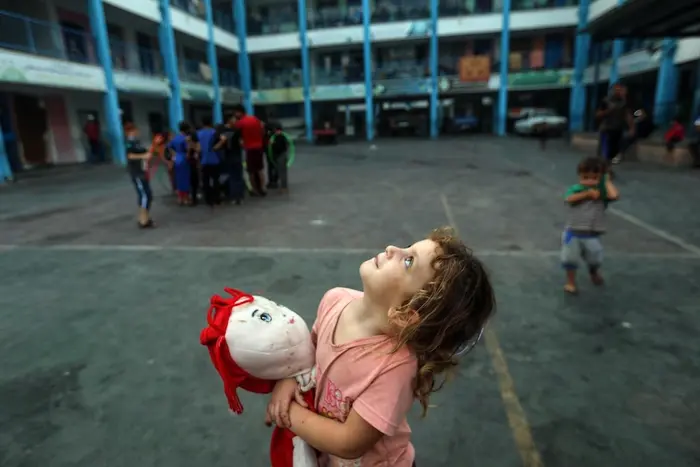
Children in conflict need protection now
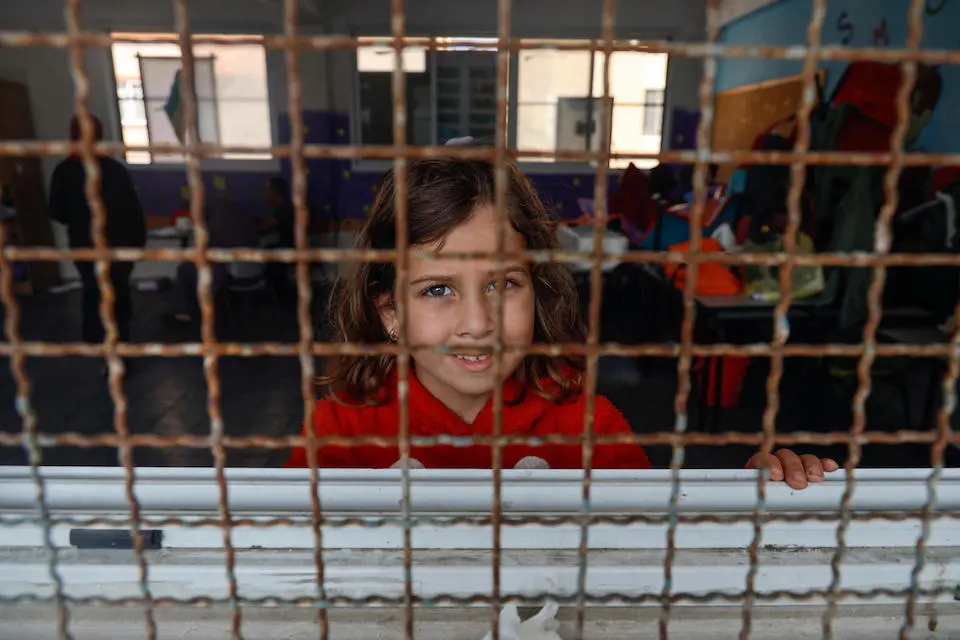
Children in conflict are among the most vulnerable children in the world. As violence escalates, children face growing risks to their safety, health and well-being. Many are displaced from their homes, separated from loved ones and exposed to traumatic events. All of this can have lasting consequences.
Learn more about UNICEF's work in child protection
Protecting children from violence and ensuring access to humanitarian assistance remain urgent priorities. UNICEF and partners work to support children at risk, advocate for their rights and deliver lifesaving support in some of the world's most challenging environments.
Learn more about efforts to end violence against children
UNICEF's response will continue to focus on responding to the needs of children currently facing an urgent and pressing need for protection and humanitarian assistance. Your contribution can make a difference. Please donate
FAQs about children in conflict
How are children affected by conflict?
Children in conflict can face violence, injury, displacement, family separation and disruptions to health care, education, clean water and other essential services. Learn more about how UNICEF supports children in war zones and conflict-affected areas
What can I do to help children affected by conflict?
Supporting humanitarian organizations, staying informed and speaking up for children's rights can make a difference. You can donate to help UNICEF provide lifesaving support and advocate for policies that protect children affected by conflict and violence.
Why does UNICEF continue to call attention to children in conflict?
Children often face the greatest risks during humanitarian crises. UNICEF raises awareness to help ensure children receive protection, humanitarian assistance and access to essential services. For additional context regarding the Israel/Gaza conflict read our stories: More than 50,000 Children Killed or Injured in Gaza, Why Are Children Still Suffering in Gaza? and Nowhere in Gaza Is Safe for Children
HOW TO HELP
There are many ways to make a difference
War, famine, poverty, natural disasters — threats to the world's children keep coming. But UNICEF won't stop working to keep children healthy and safe.
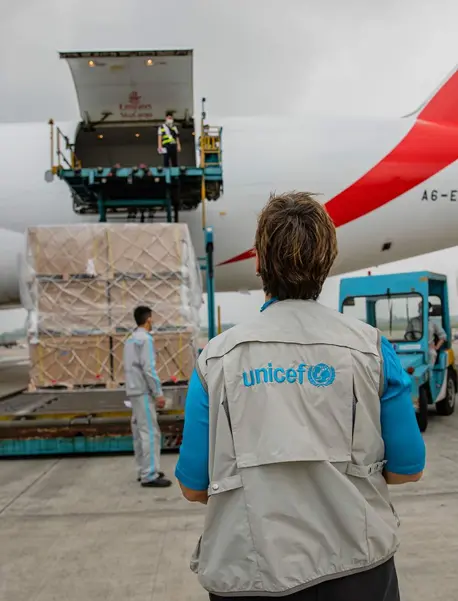
UNICEF works in over 190 countries and territories — more places than any other children's organization. UNICEF has the world's largest humanitarian warehouse and, when disaster strikes, can get supplies almost anywhere within 72 hours. Constantly innovating, always advocating for a better world for children, UNICEF works to ensure that every child can grow up healthy, educated, protected and respected.
Would you like to help give all children the opportunity to reach their full potential? There are many ways to get involved.