Child Impact Statements Are the Policy Tool America Is Missing
Governments around the world employ practical tools that help policymakers evaluate how policies, legislation and programs may affect children and families. It's time the United States government did the same.
Child impact statements make children more visible in policymaking
When a city council votes on a new housing development, transportation plan, curfew ordinance or policing policy, one question is almost never formally asked in the United States: What will this do to children?
What will it mean for taxpayers? Check. Impact on businesses? Sure. How will voters react? Of course. But children? No, the question is rarely considered.
Children have no vote, no lobbyists and little formal power in rooms where decisions are made, yet they are profoundly affected by public policy decisions. A rezoning can determine whether kids can safely walk to school. A budget cut can eliminate critical after-school programs. A municipal court policy can shape how a teenager enters adulthood.
Across much of the world, governments have developed tools to force that question into policymaking. Child impact statements — sometimes called child impact assessments — are now used in countries including Scotland, Wales, New Zealand and the Netherlands to evaluate how laws and policies affect children’s well-being, safety, rights and long-term outcomes.
At the federal level, the United States has no national equivalent.
The government does have tools to study, for instance, the fiscal or environmental impacts of policy decisions. Children certainly deserve the same consideration.
At their core, impact statements are not bureaucratic exercises. They are practical tools that help policymakers pause and assess how policies, legislation or programs may affect children and families before decisions are finalized.
The evidence behind these tools is growing. International case studies suggest that child impact statements help make children more visible in policymaking while guiding more effective and equitable public investments. Research also indicates they are most effective when integrated early in the policymaking process and paired with meaningful youth and community engagement.
Decisions about young people should include young people
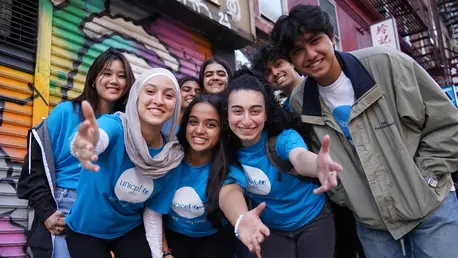
Young people are not waiting for adults to lead this conversation. One of the most encouraging developments is how youth themselves are using child impact statements to influence local decisions. UNICEF USA and Kids Impact Initiative recently developed a youth-friendly child impact statement toolkit created by young people, for young people. The toolkit helps youth analyze policies affecting their communities and build evidence-based advocacy campaigns around them.
The message behind the toolkit is powerful: decisions made about young people should include young people.
Colorado offers one compelling example of governance centering children that has already succeeded. In 2022, the Rocky Mountain Partnership used a youth impact assessment to help support a ballot measure for an underfunded school district outside Denver. The district had failed seven previous attempts over 22 years to secure additional funding from voters. This time was different.
Organizers centered their messages on the lived experiences of students and families. Youth participated directly in shaping the impact assessment questions, conducted focus groups and interviews, and helped communicate findings to the public. The assessment highlighted how underfunding affected mental health services, transportation, extracurricular activities, academic opportunities and teacher retention.
The result? The measure passed with more than 57 percent of the vote and now raises approximately $17.7 million annually for schools.
Equally important was what happened afterward. Youth leaders who helped drive the effort were invited into ongoing oversight and accountability roles, ensuring their voices remained part of implementation.
Critics sometimes argue that adding another review process slows the government down. But the experience of countries and communities using child impact assessments suggests the opposite. These tools often help leaders identify unintended consequences before harms become entrenched and expensive to reverse.
Local examples like the one in Colorado can be the start of national reform. Cities and counties become laboratories where new ideas are tested, refined and normalized before broader adoption. Participatory budgeting spread that way across many communities. Numerous public health, housing and criminal justice innovations have, as well. Child impact statements can follow that same trajectory.
Imagine if every major municipal decision in America included a publicly available analysis of how children would be affected. Imagine if city councils routinely heard directly from youth before approving major developments. Imagine if local governments tracked not just economic growth, but whether policies improved childhood well-being, safety, mental health, educational opportunity and long-term mobility.
That would produce better outcomes for children and better communities.
Stay connected with the Community Alliance for Child Rights
Sign up for UNICEF USA's quarterly Communities for Every Child newsletter to receive timely updates on research, advocacy and opportunities for local government leaders, researchers, policy experts and advocates to help shape communities that support the well-being of all children.
Learn more about the five Child-Centered Governance strategies, including child impact statements, that help governments center children’s best interests in decision-making via our Child-Centered Governance Briefs.
Michael J. Nyenhuis is the President & CEO of UNICEF USA
HOW TO HELP
There are many ways to make a difference
War, famine, poverty, natural disasters — threats to the world's children keep coming. But UNICEF won't stop working to keep children healthy and safe.
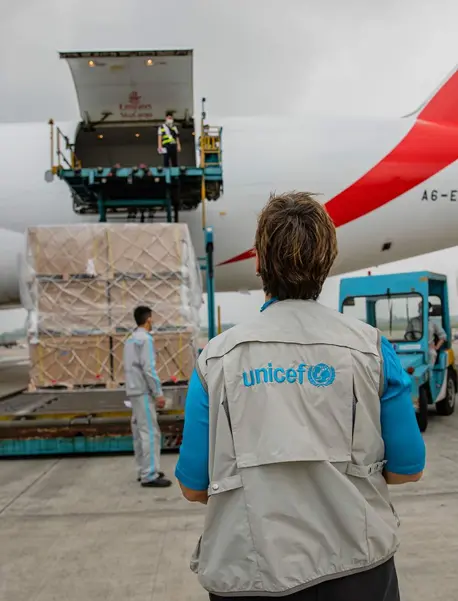
UNICEF works in over 190 countries and territories — more places than any other children's organization. UNICEF has the world's largest humanitarian warehouse and, when disaster strikes, can get supplies almost anywhere within 72 hours. Constantly innovating, always advocating for a better world for children, UNICEF works to ensure that every child can grow up healthy, educated, protected and respected.
Would you like to help give all children the opportunity to reach their full potential? There are many ways to get involved.