Best Way to Provide Direct Relief in Emergencies
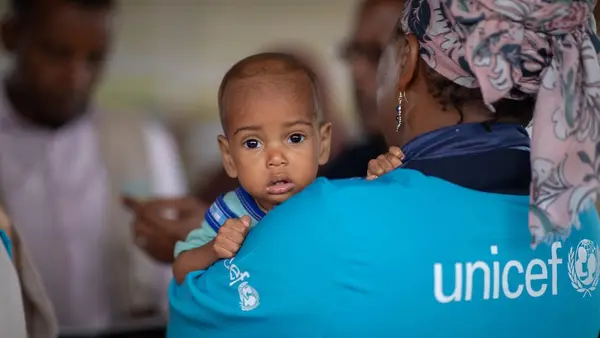
Each year, children and families around the world are hit with conflict, climate disasters and other emergencies. UNICEF is there, delivering lifesaving direct relief and protection, and safeguarding children’s rights while building resilience to future crises.
Help UNICEF deliver lifesaving direct relief to children in crisis all over the world.
Since its establishment in 1946, UNICEF has been a trusted organization delivering direct relief worldwide to those who need it most.
What is direct relief, and how does UNICEF deliver it so effectively?
Read on to learn more, including how to help support these efforts.
What is direct relief help?
Direct relief is immediate, practical assistance provided to individuals, families and communities affected by crises. The focus of direct relief is on tangible, essential items like food, water, shelter and medical care.
Direct relief is a short-term, immediate emergency response with targeted delivery to get directly to those affected as quickly as possible.
Learn more: UNICEF: Global Leader in Emergency Response
How to provide effective relief in emergencies
When an emergency occurs somewhere in the world, news coverage often comes next, followed by an influx of well-meaning individuals looking for how they can best help those in need.
In these moments, donations should go to reputable humanitarian causes like UNICEF — an organization that can quickly mobilize those resources using systems already in place to ensure help is given immediately to those who need it most.
Effective direct relief is best delivered by experienced organizations like UNICEF. With decades of experience, UNICEF can coordinate logistics, prevent mismatched donations and reach vulnerable children and families quickly.
Learn more: How to Help UNICEF reach more children in need
UNICEF’s approach to direct relief
UNICEF delivers rapid, child-focused aid worldwide, reaching vulnerable communities within 72 hours. Leveraging its vast network of program offices, regional offices, global headquarters and partners, UNICEF can mobilize a rapid and efficient response when disaster strikes, reaching even the hardest-to-reach children and families.
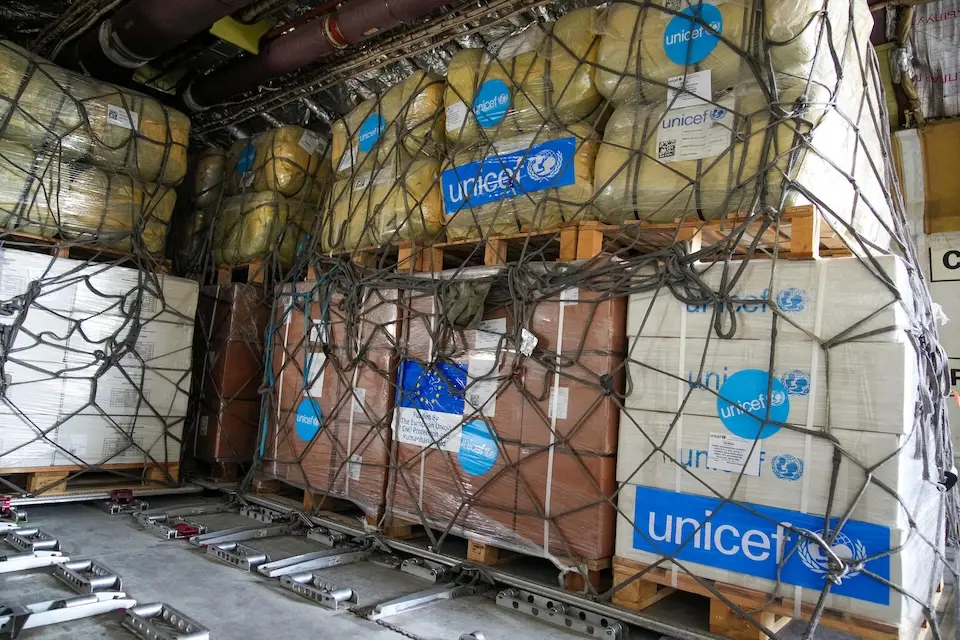
With a powerhouse supply operation that has hubs all around the world, anchored by the world’s largest humanitarian supply warehouse in Copenhagen, UNICEF already has pre-positioned essential supplies ready to be deployed from strategic locations at any moment — bringing timely relief in an emergency anywhere in the world.
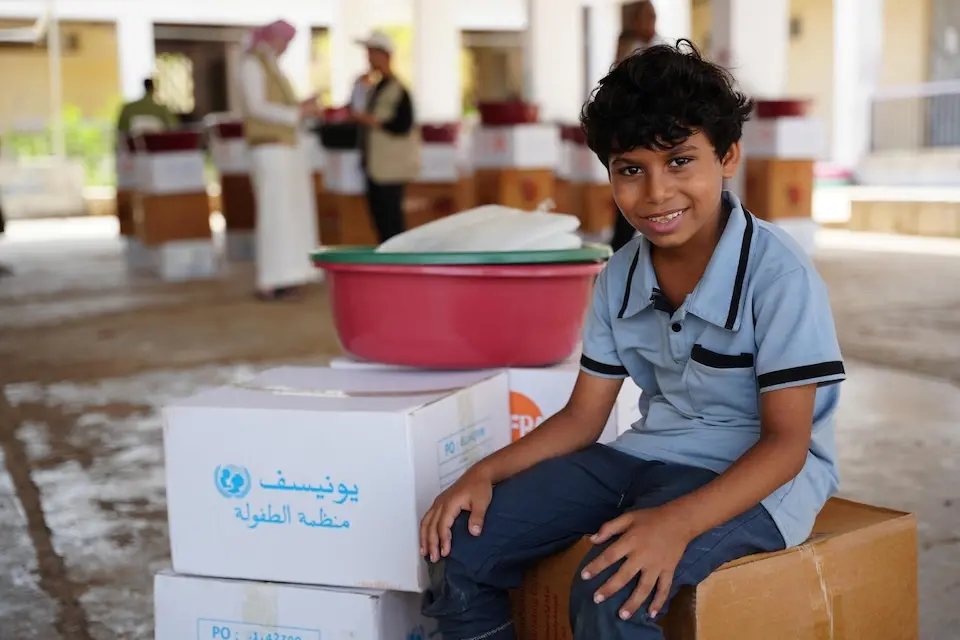
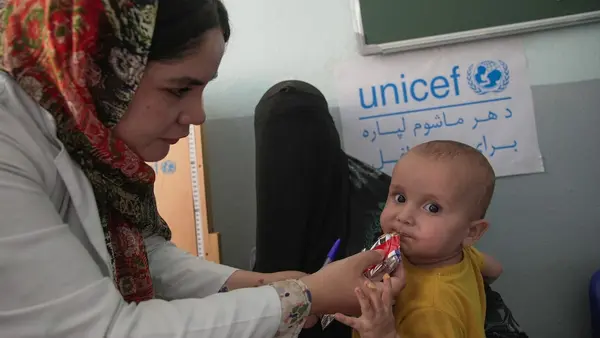
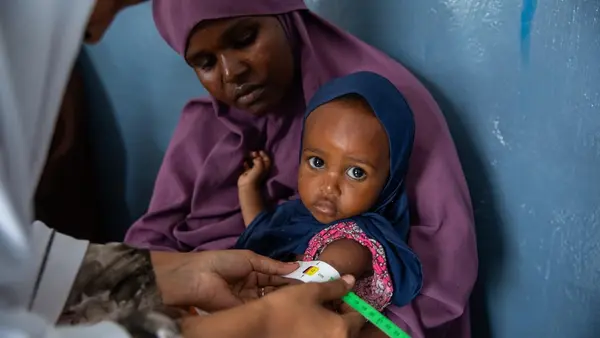
UNICEF’s rapid response teams often focus first on providing safe water, nutrition, health care, hygiene kits and psychosocial support to children and families. Next UNICEF will expand its response to include identifying and reuniting children who have become separated from caregivers.
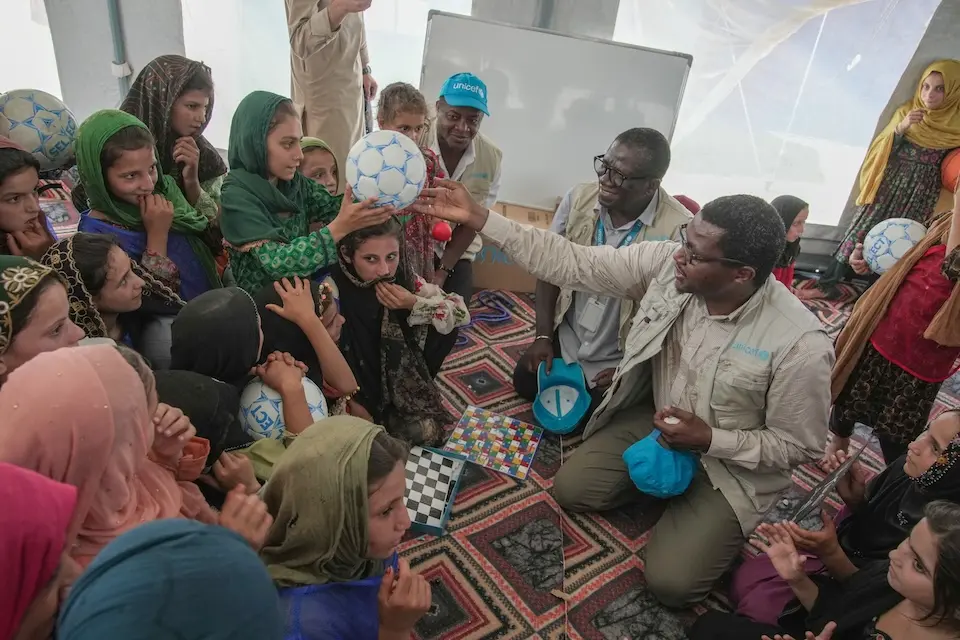
Establishing child-friendly spaces where children can keep learning, play with other children and stay safe is another major priority.
Related: Education Aid Cuts — A Broken Promise to the World's Children
Innovating to ensure direct relief is fit for purpose
Locally sourced and assembled emergency supply kits are customized based on feedback from the people receiving them. This innovative system ensures the kits are fit for purpose.
Learn more: UNICEF Kits That Fit
While delivering emergency support, UNICEF also works to support recovery and rebuilding, partnering with governments and communities to strengthen emergency preparedness and to increase community resilience to future crises.
Crises are not one-time shocks; the impact can last for years. UNICEF’s presence before, during and after emergencies delivers a continuum of support.
Why support UNICEF over other organizations?
With so many nonprofits and charitable organizations to choose from, donors may need help deciding exactly where their funds can make the most impact.
In conflict and disaster, children suffer first and suffer the most. Mandated to support and protect the rights of children, UNICEF is the world’s largest children-focused organization.
With a presence in more than 190 countries and territories, UNICEF staff are often members of the very communities they are serving. As such, UNICEF is uniquely positioned to drive national accountability while building the capacity of local civil society.
Learn more about where UNICEF works

The effectiveness and results of UNICEF’s programs are always publicly available through annual reports, financial statements and regular evaluations accessible online. UNICEF USA, a UNICEF National Committee, has earned top marks from watchdog organizations such as GuideStar and Charity Navigator, reflecting its dedication to accountability and transparency.
UNICEF has helped save and meaningfully improve more children’s lives than any other humanitarian organization. And UNICEF won't stop until every child is healthy, educated, protected and respected.
How you can help provide direct relief today
There are many ways to help support children and families that are in need of direct relief right now.
Ways to help UNICEF include:
- Donate — the best way to give is to make an unrestricted donation, which allows UNICEF to put the money to use wherever and whenever it is needed most
- Become a monthly donor for sustained impact
- Start a fundraiser to help amplify the support and educate those in your circle
- Share UNICEF stories with family and friends on social media accounts or in person to raise awareness
FAQs
What is an example of direct relief?
The WASH (water, sanitation and hygiene) and Dignity Kit is a great example of UNICEF’s direct relief, provided to help meet the basic needs of children and their families during a crisis. Often delivered during the first phase of an emergency response, the WASH and Dignity Kit, designed for families of five, includes a bucket with lid to store clean water, a jerrycan for transporting water, soap, laundry detergent, a portable child potty, menstrual hygiene items, a flashlight and a whistle, among other items.
How much of my donation goes directly to helping those in need?
Of every dollar donated to UNICEF USA, 84 cents goes directly to UNICEF programs helping children. The remaining 16 cents is invested in fundraising and operational support needed to deliver that impact.
Is direct relief part of U.S. history?
In the United States, direct relief — immediate aid that can include food, water, shelter, cash or medical supplies — dates back to the Great Depression, with the establishment of the Federal Emergency Relief Administration in 1933. It was the first time the U.S. government provided direct assistance to citizens in need.
What is direct relief in emergencies?
In emergencies, direct relief can take the form of distributing supplies immediately after an earthquake or hurricane or setting up temporary shelters during floods.
Join us in delivering direct relief worldwide
In an emergency, every minute matters to a child in need. Effective direct relief provided by UNICEF is imperative to help children and their families recover, stay healthy, rebuild and thrive.
Donate now to deliver lifesaving direct relief to children in crisis all over the world.