Aid Blockade in Gaza Leaves Children at Grave Risk
No food, fuel, medicine or other essentials have been allowed into the Gaza Strip since March 2, 2025, and supplies are rapidly running out — putting 1 million children in serious danger.
After almost 18 months of war in the Gaza Strip, more than 15,000 children have reportedly been killed, over 34,000 reportedly injured and nearly 1 million children repeatedly displaced and deprived of their right to basic services.
Since March 2, 2025, no aid or commercial goods have been allowed into Gaza — the longest period of aid blockage since the start of the war. Supplies built up during the two-month ceasefire are rapidly running out, creating a critical food shortage.
Without these vital supplies, malnutrition, diseases and other preventable conditions will likely surge, leading to an increase in preventable child deaths.
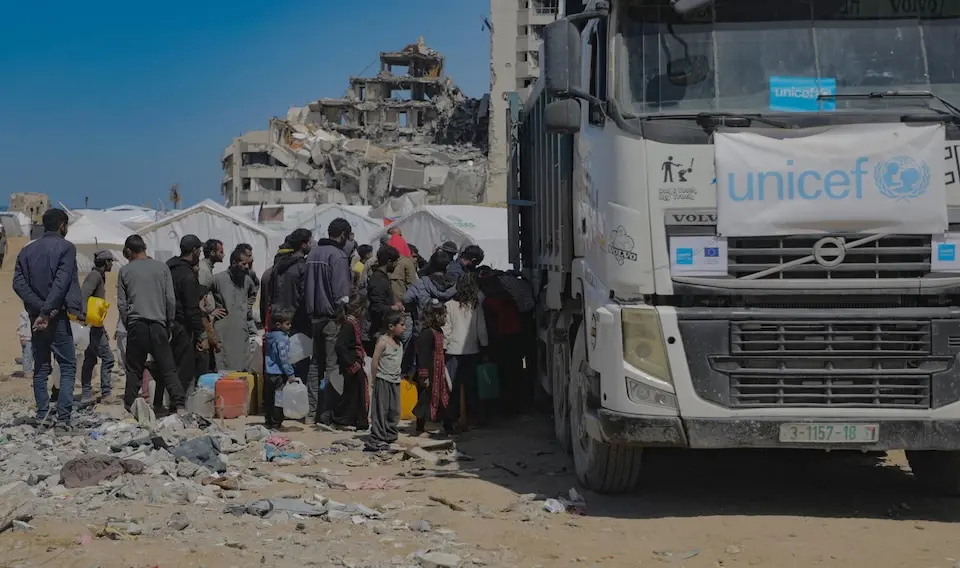
The World Food Program announced on April 1 that all bakeries in Gaza have shut down due to a severe lack of fuel and flour. Markets are empty of most fresh vegetables and painkillers and antibiotics are being rationed, the BBC reported on April 3.
“The ceasefire in Gaza provided a desperately needed lifeline for Gaza’s children and hope for a path to recovery,” said UNICEF Executive Director Catherine Russell. “But children have again been plunged into a cycle of deadly violence and deprivation. All parties must adhere to their obligations under international humanitarian law to protect children.”
Video: Essential supply stocks are dwindling rapidly
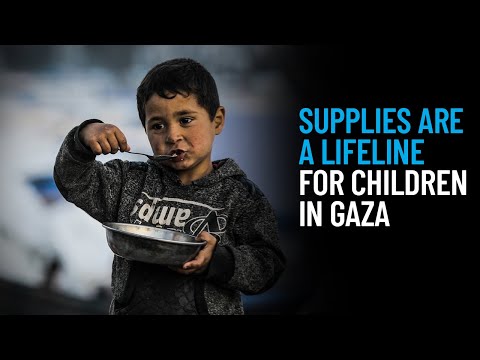
UNICEF is committed to staying and delivering for children in Gaza
Since October 2023, at least 408 aid workers have been killed in the Gaza Strip, at least 280 of whom were UN staff. An attack on a medical and emergency convoy on March 23, 2025 left 15 medical personnel and humanitarian workers dead.
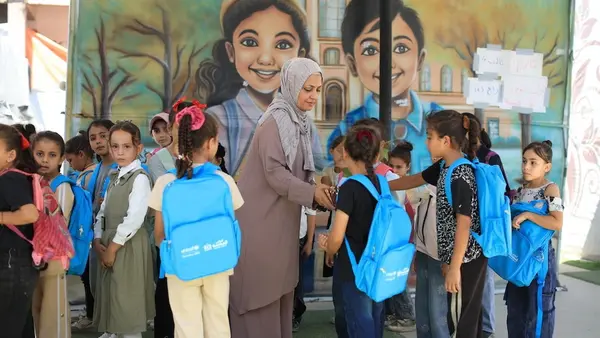
Despite the ongoing risks, UNICEF is committed to continuing to provide the humanitarian support children and their families depend on for survival and protection.
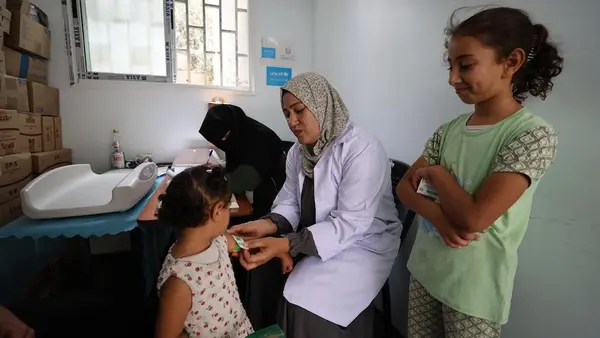
In February, UNICEF's mass polio vaccination campaign reached more than 620,000 children under 10, 102 percent of the target. UNICEF also provided cash assistance to 57,209 people (19,043 families, including 28,604 children), helping them return home and cover basic needs.
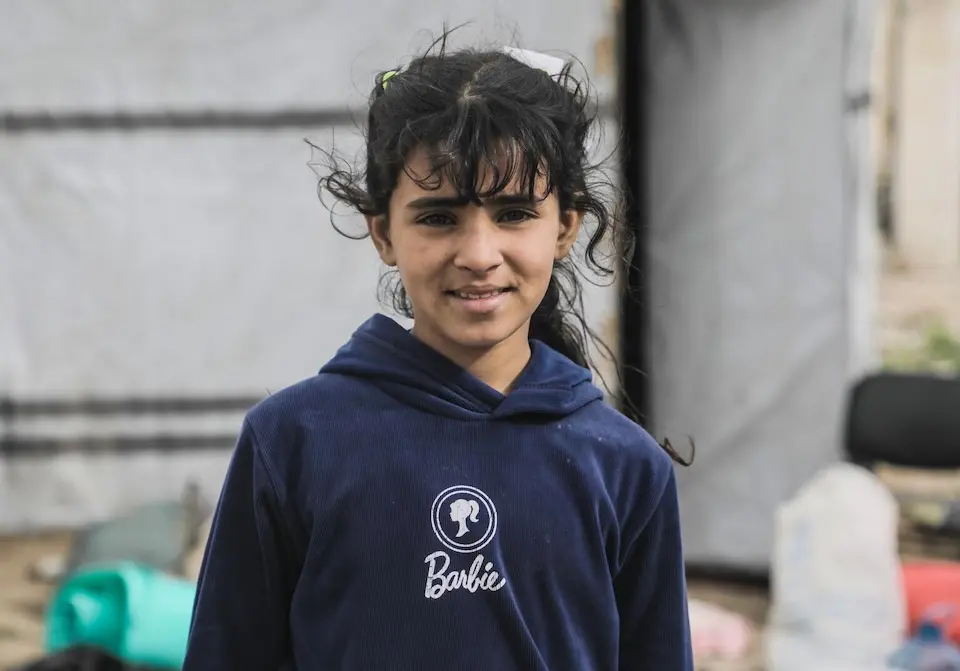
Children and families are exhausted after repeated displacement during more than 545 days of war.
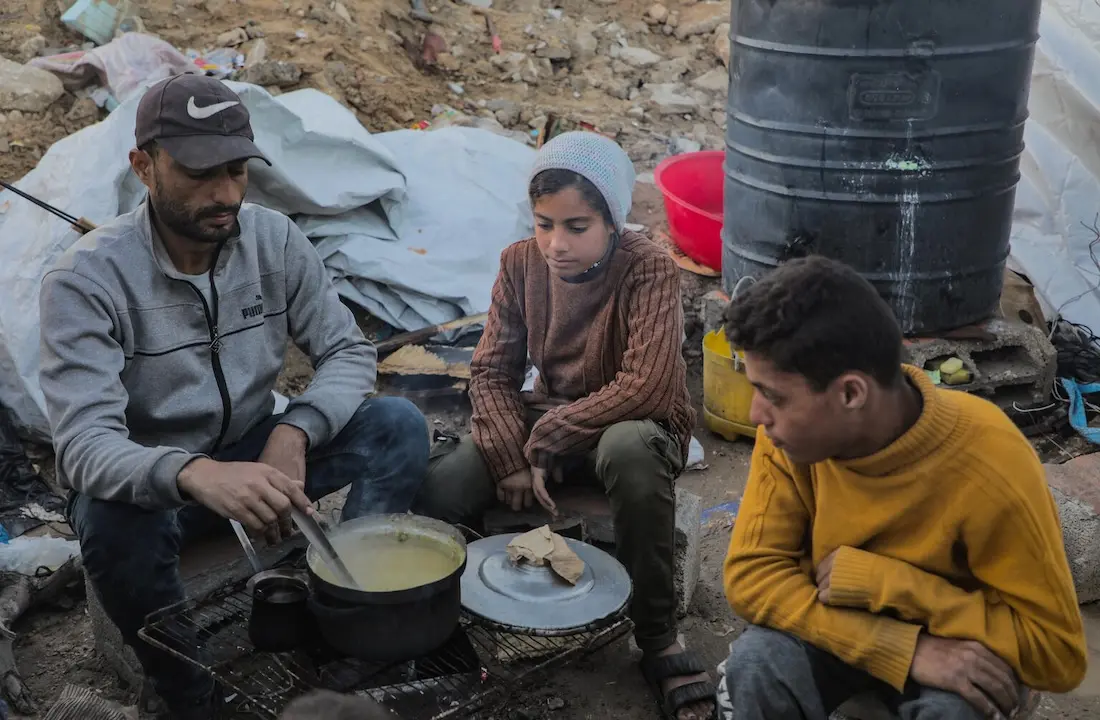
"We have nothing left," said 9-year-old Noor, whose family has been displaced over and over again. "Our three daily meals now depend on the rice we receive from charity kitchens."
On March 20, Noor's family was forced to move yet again, this time to Gaza City. "We arrived here with nothing but a few clothes," Noor continued. "There is nothing available here. Sometimes water is provided by water trucks, but other times there is none. There are no bathrooms. I just wish for this war to end. I feel lonely and scared inside the tent. I am afraid I won’t wake up the next morning."
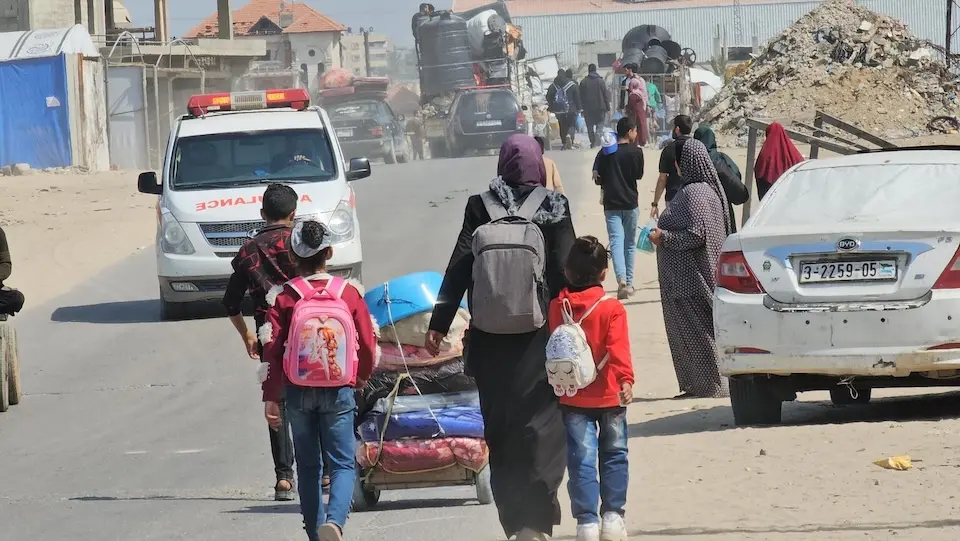
"Yesterday, we fled Beit Hanoun under artillery shelling and airstrikes — death was everywhere," said 11-year-old Lian, who is sheltering with her family in Gaza City. “The war started when I was 9 years old. Now, I am 11. I don’t even know how I grew up. Stop the war.”
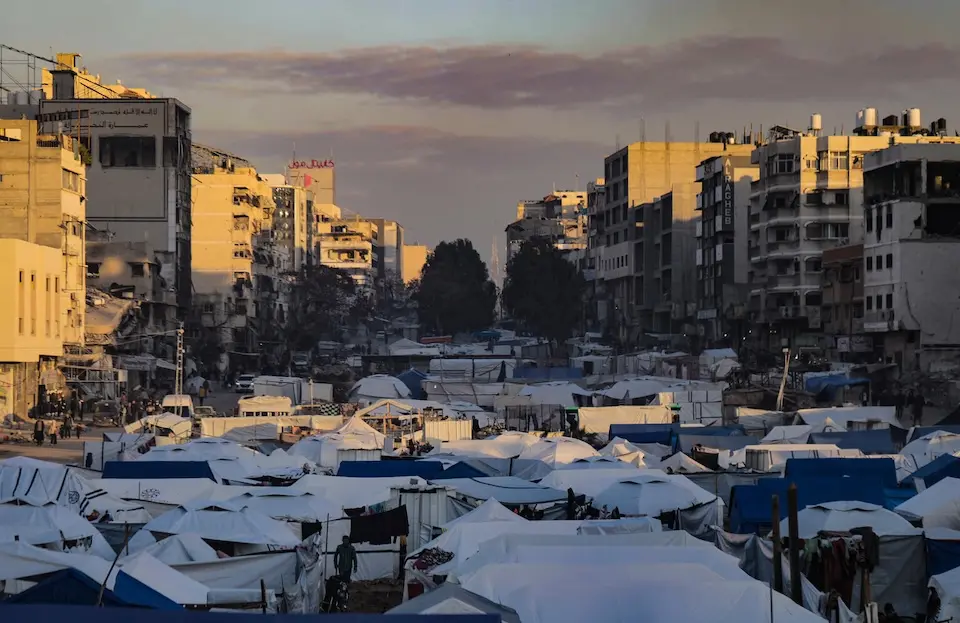
UNICEF continues to call on parties to cease hostilities and reinstate the ceasefire. Humanitarian aid and commercial goods must be allowed to enter and be transported across the Gaza Strip. Sick and injured children must be evacuated for medical care. Civilians, including children and humanitarian workers, and the remaining essential infrastructure must be protected, and the hostages must be released.
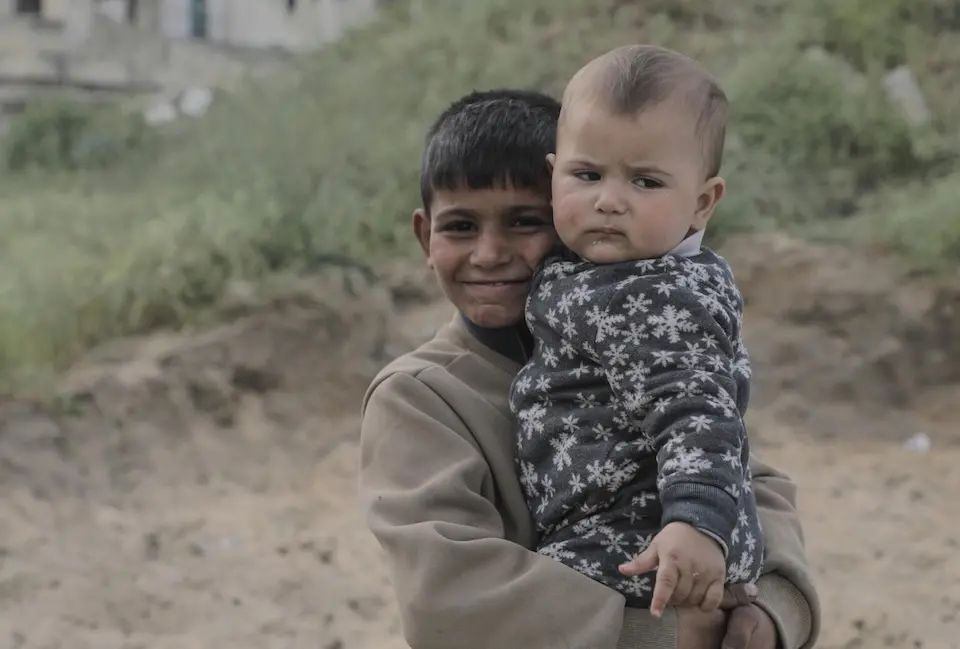
Children in Gaza need urgent humanitarian support
Despite increasing humanitarian needs, UNICEF faces a $578 million funding gap.
Right now, the lives of the most vulnerable children hang in the balance as conflicts and crises jeopardize the care and protection that they deserve. Dependable, uninterrupted and effective foreign aid is critical to the well-being of millions of children. Please contact your members of Congress and urge them to support ongoing U.S. investments in foreign assistance.
HOW TO HELP
There are many ways to make a difference
War, famine, poverty, natural disasters — threats to the world's children keep coming. But UNICEF won't stop working to keep children healthy and safe.
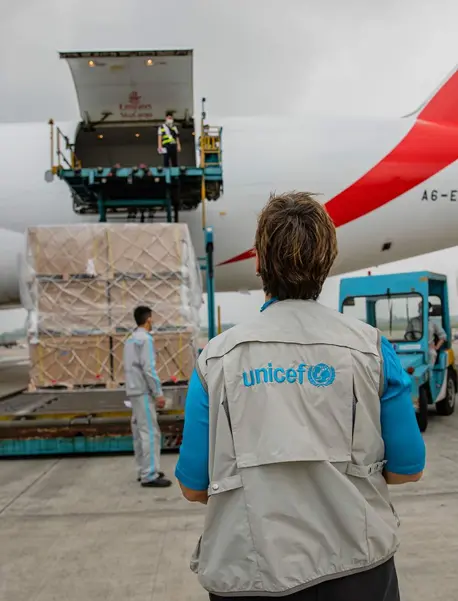
UNICEF works in over 190 countries and territories — more places than any other children's organization. UNICEF has the world's largest humanitarian warehouse and, when disaster strikes, can get supplies almost anywhere within 72 hours. Constantly innovating, always advocating for a better world for children, UNICEF works to ensure that every child can grow up healthy, educated, protected and respected.
Would you like to help give all children the opportunity to reach their full potential? There are many ways to get involved.