$17 Billion Is on the Table for Children: Let Them Have a Seat
Child-centered governance offers a clear path forward for states that are committed to investing in the next generation. Five proven methods for ensuring that Meta settlement funds can actually deliver on the promise to make children’s lives better.
Meta’s landmark $17.1 billion settlement with a bipartisan coalition of state attorneys general could be transformative for children, with substantial funds dedicated to youth mental health and well-being.
However, previous large settlement funds tied to a specific harm (like the billions of dollars states received as payouts from opioid litigation) show that dollar amount alone does not determine whether money reaches the people it is meant to help. It’s good governance and sound oversight that does.
The framework for that governance, built on research and practical experience, exists and has been tested in cities across the country. Paired with the growing coalition of youth-development organizations pressing states to fund real-world opportunity rather than let the money disappear into general budgets, there’s a clear path forward for states that are committed to investing in their children.
The premise is straightforward: when leaders take children's needs and perspectives into account from the start, they are better positioned to understand the impact of their choices, invest in long-term community success, and use limited public resources more effectively. Emerging evidence demonstrates that child-centered governance makes policy more responsive, and several cities, including Denver, Salem, and El Paso, are already testing versions of this approach at the municipal level.
Here are five proven methods for ensuring that settlement funds can actually deliver on the promise to make children’s lives better:
Applying child-centered governance to settlement funds
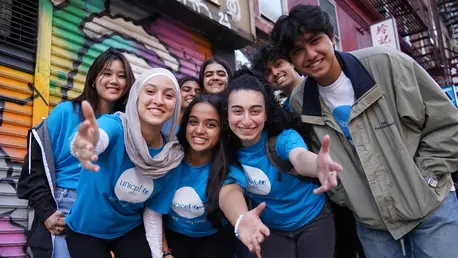
- States should create dedicated child well-being boards, structurally separate from general appropriations committees, to give young people a formal, structured role in deciding how the money is spent, not merely a consultative one. These youth councils ensure young people’s perspectives, priorities, and experiences are considered while legislation is being drafted – instead of after it’s already put into practice.
- Before dollars reach a grantee, the proposed program should undergo a documented assessment of which children it will reach, what risks its design could create, and how success will be measured. This is not a hypothetical exercise: youth in Colorado used a child impact statement to help raise nearly $18 million annually for needed staff and programs in their school district, a concrete example of what happens when this discipline is applied to a real funding decision.
- Settlement funds will inevitably touch education, health, and family services agencies at once. A coordinating body, or children's cabinet, can prevent the silos that have historically slowed other settlement fund rollouts and ensure programs funded by different agencies are not working at cross-purposes.
- Funds should be legally restricted to youth mental health, digital literacy, and related child well-being purposes by statute, with a public, itemized accounting of spending: a child-friendly budgeting approach. Verbal assurances survive one budget cycle; statutes and public budget documents survive turnover in the governor's office and the attorney general's office alike.
- A designated youth ombuds office with authority to field concerns from young people, families, and grantees, and to raise them independently, gives the governance structure a channel for course correction that a dashboard alone cannot provide.
Taken together, these five features do more than just guard against the fund diversion that undermined confidence in some states' opioid settlement spending. They establish the same standard for fund governance that should apply to platform design itself, not because social media is inherently harmful but because it is a space with real benefits and real risks that calls for age-appropriate guardrails: identify foreseeable risk and need, document the reasoning behind decisions, involve the young people affected, and create a transparent record that regulators, journalists, and the public can actually inspect.
The governance decisions legislatures make in the coming months will shape outcomes for children for decades. The pieces of a once-in-a-generation investment in childhood are already on the table. Let's give the kids a seat.
States have an opportunity to get that governance right from the outset, and they do not have to design it from scratch. A child-centered governance model, grounded in approaches already tested in U.S. cities and backed by a growing body of research, offers a practical framework for exactly this kind of decision-making process.
UNICEF USA's Child-Centered Governance Research-to-Policy Brief Series, developed through a review of global research and the experience of local government leaders, offers guidance for placing children's rights, voices, and well-being at the center of public decision-making.
UNICEF does not endorse any company, brand, organization, product or service.
HOW TO HELP
There are many ways to make a difference
War, famine, poverty, natural disasters — threats to the world's children keep coming. But UNICEF won't stop working to keep children healthy and safe.
UNICEF works in over 190 countries and territories — more places than any other children's organization. UNICEF has the world's largest humanitarian warehouse and, when disaster strikes, can get supplies almost anywhere within 72 hours. Constantly innovating, always advocating for a better world for children, UNICEF works to ensure that every child can grow up healthy, educated, protected and respected.
Would you like to help give all children the opportunity to reach their full potential? There are many ways to get involved.