UNICEF’s Supply Powerhouse: Delivering for the World's Children Since 1962
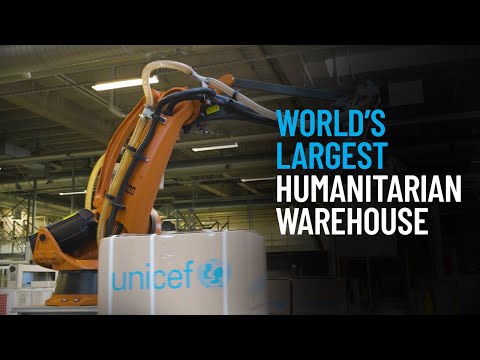
UNICEF procures and ships over 1,200 different items from its supply hub in Copenhagen — the world’s largest humanitarian warehouse — to meet the needs of vulnerable children and families.
Updated June 2, 2026
Increased transport costs mean less money for the lifesaving supplies children need — statement by UNICEF Chief of Global Transport and Logistics Jean-Cedric Meeus
Mobilizing emergency supplies: an important part of UNICEF's response for children in crisis
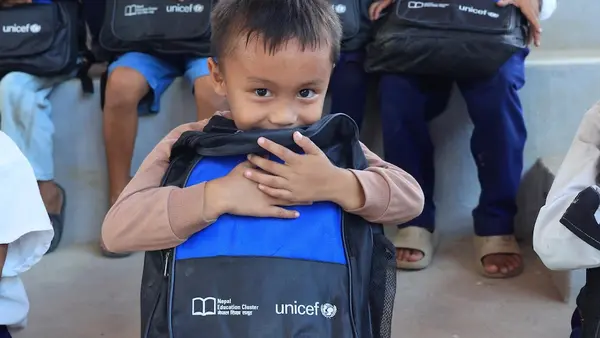
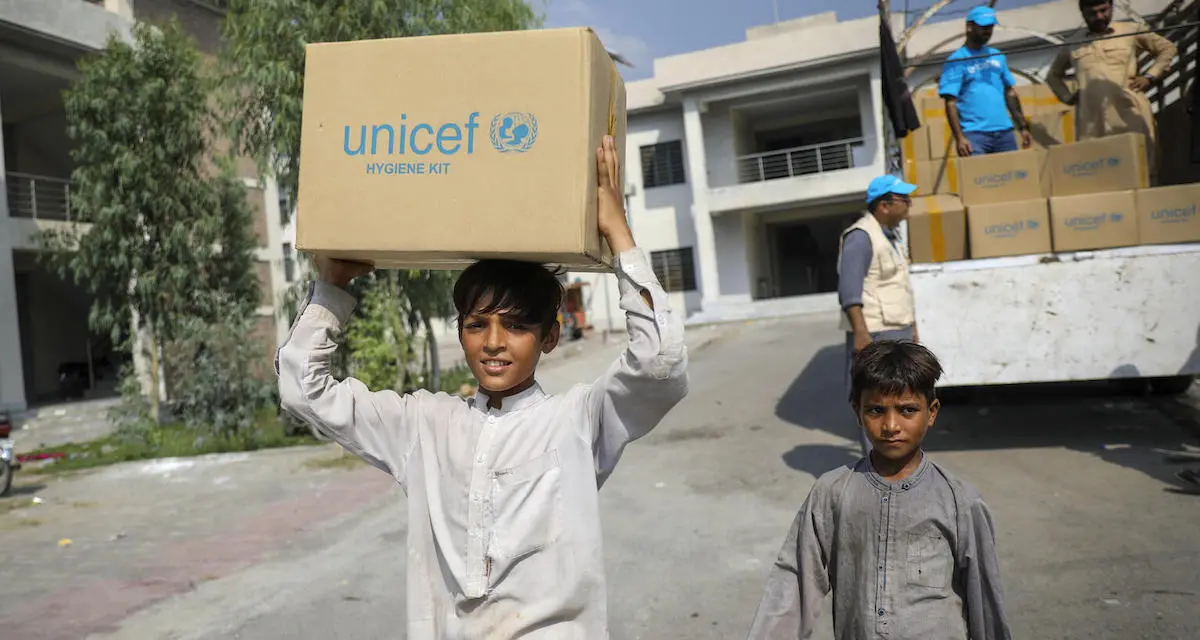
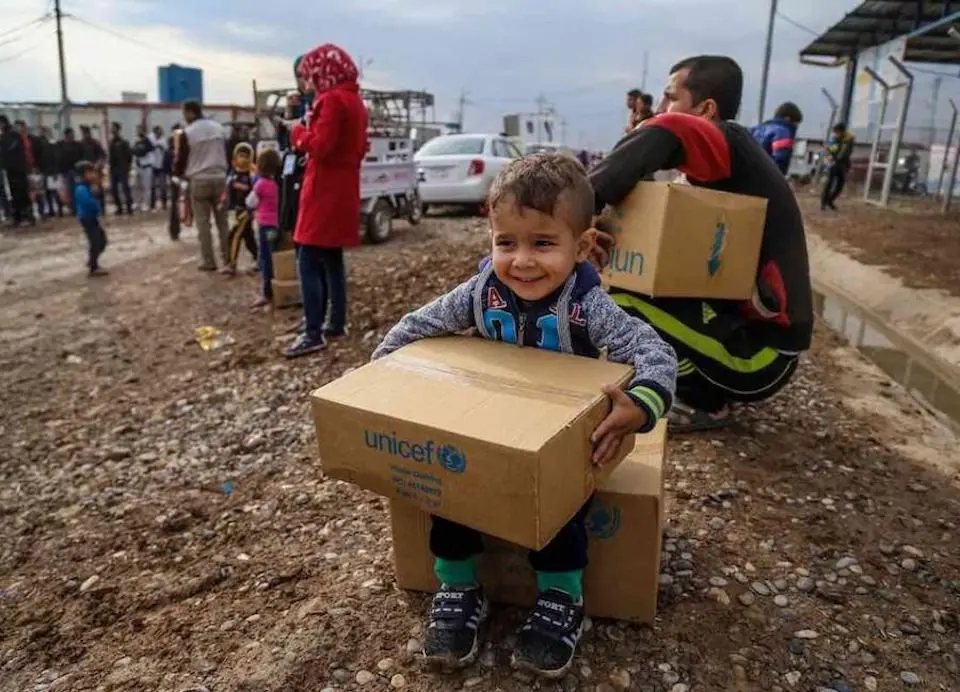
One of the most important ways UNICEF fulfills its mission for children is by providing the supplies they need to survive, to stay healthy and safe and to learn.
UNICEF's supply and logistics operation, based in Copenhagen since 1962, runs around the clock to make sure those supplies get to where they are needed the most, fast.
In 2025 alone, UNICEF mobilized over $5.6 billion worth of supplies and services for children in 164 countries and areas — including $1.44 billion in emergency supplies delivered to support urgent humanitarian action in 67 countries.
Learn more about how UNICEF is a global leader in emergency response
An operation that can deliver anywhere in the world within 72 hours
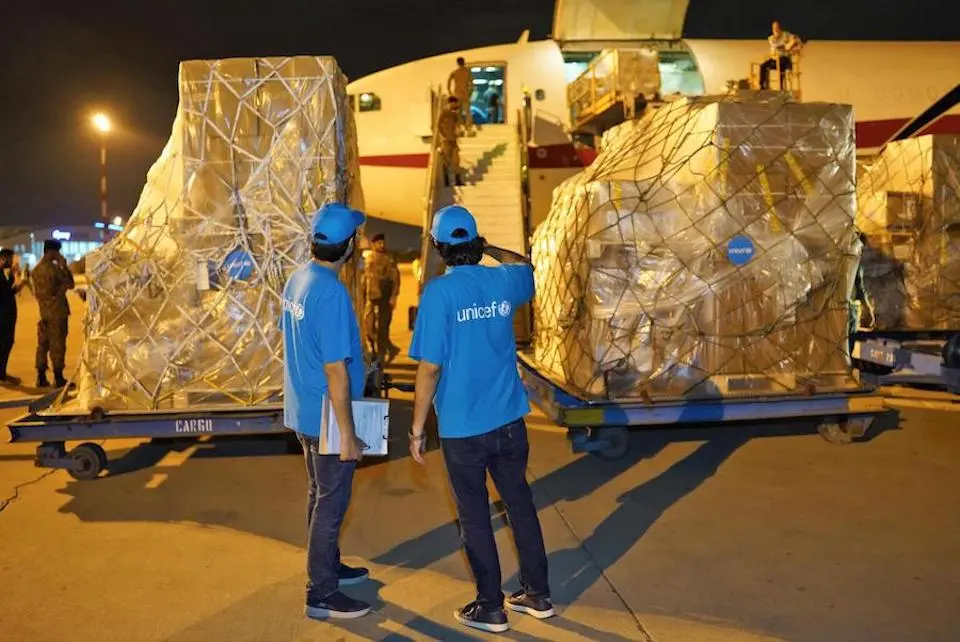
Leveraging decades of experience and a vast partner network, UNICEF is able to deliver supplies anywhere in the world within 72 hours — and often within 24 hours. That includes remote and other hard-to-reach areas, war zones and disaster zones, even in the face of supply chain disruptions, inflation, price hikes and other challenges.
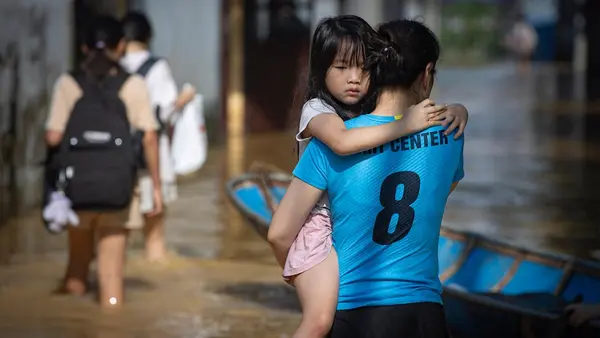
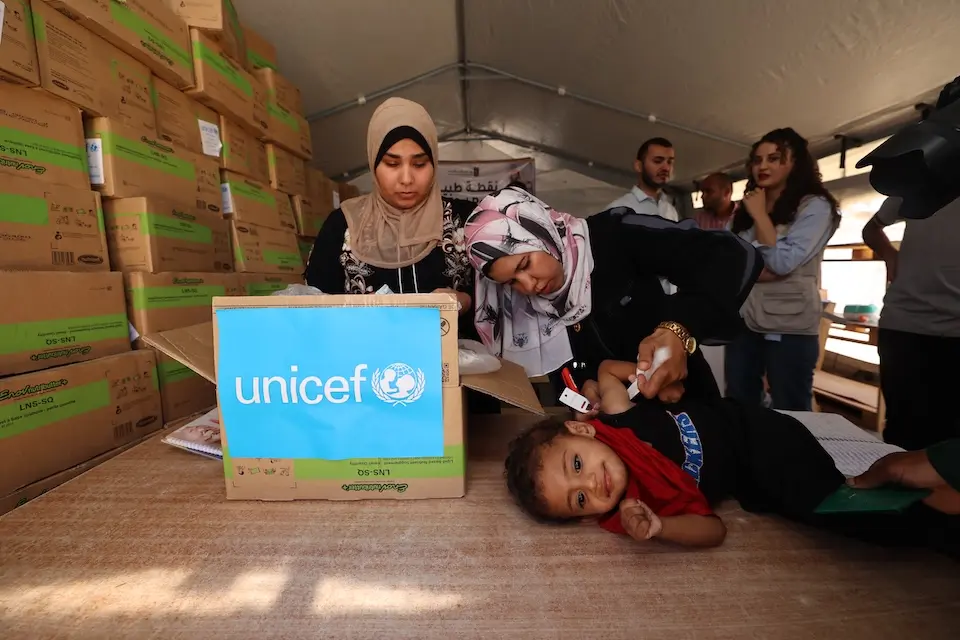
UNICEF's supply shipments go out during a conflict or crisis to support the humanitarian response. They go out to sustain critical programs in health, nutrition, water, sanitation and hygiene (WASH), education and other areas.
Kits That Fit — UNICEF's innovative system for optimizing the impact of emergency supplies
The job, says Copenhagen-based Director of UNICEF Supply Division Etleva Kadilli, is "not as simple as buying products off the shelf. It requires close collaboration with diverse partners to ensure children in different countries and areas get what they need to live, improve their lives and be safe and healthy.”
It was the government of Denmark that funded the construction of UNICEF's warehouse in Copenhagen 60 years ago. It was initially built to pack health kits for maternity clinics and child health services. Now UNICEF procures and ships more than 1,200 different items from its Copenhagen hub, from medicines and medical equipment to therapeutic food and nutritional supplements; from water purifying tablets to hygiene supplies, Early Childhood Development kits to School-in-a-Box learning materials, and toys, games, soccer balls and other recreational items to help children coping with trauma.
Every hour of every day, these and other supplies are en route to destinations around the world, their timely delivery providing a lifeline for the most vulnerable.
For decades, the UNICEF supply team has also been actively shaping markets to influence the quality and pricing of essential commodities, improve access and expedite delivery. These market-shaping efforts include working with local manufacturers to increase the proportion of goods procured locally.
This shortens lead times, lowers shipping costs and reduces UNICEF's overall carbon footprint, while also spurring much-needed economic growth in those local markets. That UNICEF is able to procure supplies of ready-to-use therapeutic food (RUTF) from a local source in Kenya was hugely helpful in addressing the child malnutrition crisis in the Horn of Africa, for example.
To advance global efforts to improve nutrition for women and girls, UNICEF established a dedicated stockpile of 2 million bottles of multiple micronutrient supplements (MMS) at the Copenhagen hub, reducing lead times and enabling faster, more reliable delivery to those in need.
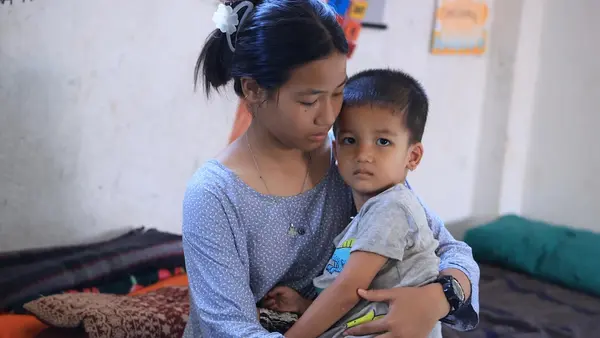
In many hard-to-reach and emergency settings, only basic iron and folic acid supplements are available, if any at all; MMS provides a more comprehensive set of essential vitamins and minerals to support healthy pregnancy and child development. In 2025 alone, UNICEF delivered 1.9 billion MMS tablets to 27 countries in 2025, reaching roughly 10.5 million pregnant women.
![Photographer Jan Grarup, above visiting a school in Haiti, traveled to three continents to document the life-changing impacts of UNICEF’s supply and logistics operation. “Working [on this project] gave me an insight into how massive an operation it can be, to get supplies across huge distances to remote areas, whether it’s school supplies, COVID-19 vaccines or warm clothes for children in Lebanon and refugees who came from Syria,” he said. View a special exhibition of his work here.](/sites/default/files/styles/full_width/public/2023-02/960.Haiti-school-TTramborg-2022.jpg.webp?itok=0RR9lUka)
More facts about UNICEF's Global Supply hub in Copenhagen
- stands eight stories high and measures about 215,000 sq. ft. — an area equivalent to three pro soccer fields — making it the largest humanitarian warehouse in the world
- can store up to 36,000 pallets of supplies at any given time
- is automated with robot cranes that move supplies in and out of its racking system, orchestrating the pallets’ positioning and deployments based on turnover and expiry dates
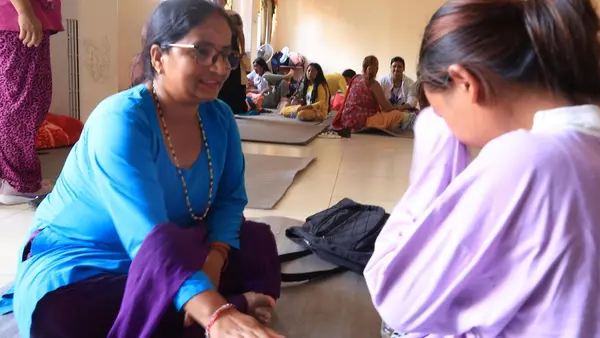
UNICEF Supply Division personnel provide guidance, support and training in warehouse and inventory management to UNICEF’s regional and country offices and to government partners.
UNICEF operates other supply hubs in Accra, Brindisi, Dubai (this one is shared with other UN agencies), Guangzhou and Panama City to ensure that dispatches are efficient and timely, especially during emergencies. These sub-hubs store enough supplies to meet the needs of 250,000 people for three months.
What it will take to ensure the world's children can keep getting the support they need
As food and energy prices continue to rise, and with supply lines reeling from the effects of conflict, climate shocks, humanitarian access constraints and funding shortfalls, more robust support for UNICEF’s supply operation is needed to meet children’s urgent and growing needs.
Help UNICEF ensure that children continue to receive vital supplies when they need them most. Your contribution can help make a difference. Donate today.