Magnitude 7.4 Earthquake Strikes Colombia: Children Need Help Now
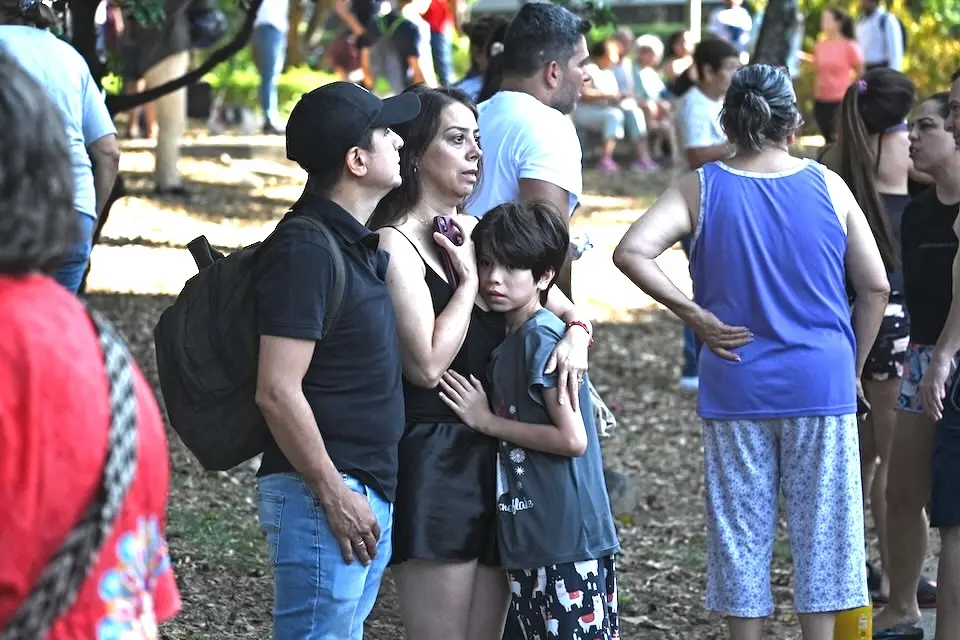
Rescue efforts and damage assessments are underway after a major earthquake rocked western Colombia and neighboring countries in the early hours of Aug. 10, 2026.
Help UNICEF reach more children in need
Updated Aug. 13, 2026
More than 180 dead as the search for survivors continues
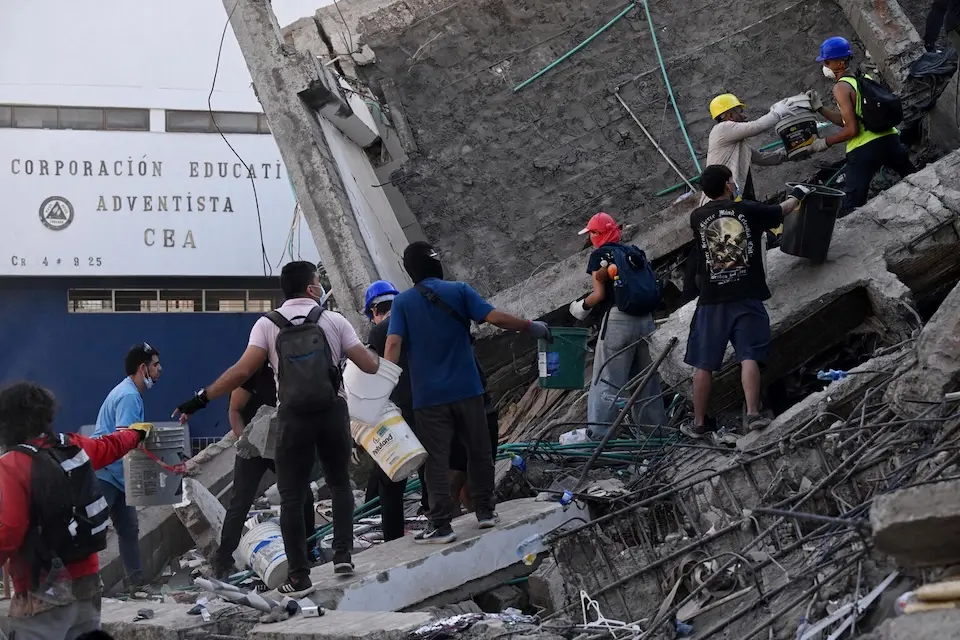
UNICEF is scaling up its response to support children and families affected by the Colombia earthquake in the department of Chocó and the city of Buenaventura after a 7.4 magnitude earthquake hit Colombia's Pacific Coast on Monday, Aug. 10, 2026, trapping people under debris and causing landslides and serious damage to homes and infrastructure.
According to the U.S. Geological Survey, the earthquake's epicenter was three miles east of San Jose Del Palmar, a municipality in Chocó. Tremors were felt across much of Colombia and in neighboring countries including Panama, Ecuador and Venezuela.
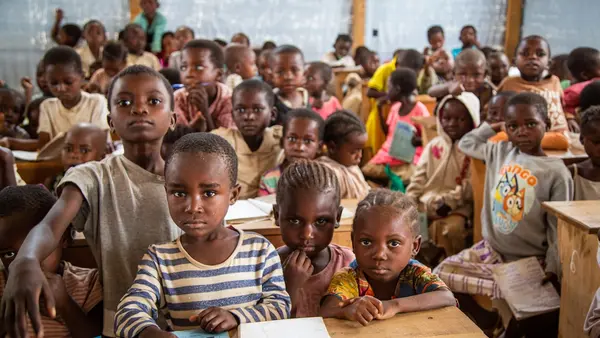
Official figures indicate the quake killed 181 people and injured over 2,700; 195 have been reported missing. Over 3,700 homes were destroyed and more than 20,000 sustained damage. While the total number of children impacted is still being assessed, authorities estimate that 1,087 schools have been affected, raising concerns about disruptions to learning and access to safe spaces for children.
“Children have seen their homes and schools damaged and are facing growing risks as essential services remain disrupted in the hardest-hit communities,” said Tanya Chapuisat, UNICEF Colombia Representative. “UNICEF is mobilizing an early response in Chocó and Buenaventura in water, sanitation and hygiene to help reduce public health risks and protect the dignity of affected families while essential services are being restored and assessments continue."
When earthquakes hit, UNICEF is there to help children and families
Colombia's earthquake comes less than two months after back-to-back earthquakes hit neighboring Venezuela on June 24, 2026, killing 6,125 people and injuring more than 60,900. In the five weeks following the twin earthquakes, UNICEF's scaled-up humanitarian response in Venezuela reached:
- 25,483 people with primary health care
- 22,424 children, adults and pregnant women with routine and catch-up vaccinations
- 9,412 people with critical WASH supplies
- 5,804 children and caregivers with nutrition services
- 6,134 children, adolescents and caregivers with child protection services, including MHPSS
Learn more about UNICEF's earthquake response in Venezuela
Colombia already facing multiple, overlapping humanitarian challenges
Around 10.3 million people, including 3.7 million children, were already in need of humanitarian support across Colombia before the earthquake struck. Armed conflict, disasters and migration flows are exacerbating protection risks, food insecurity and the spread of disease. UNICEF is working in Colombia to support children and families in need to access health care, nutrition, protection, education and other essential services.
UNICEF knows how to help children in Colombia
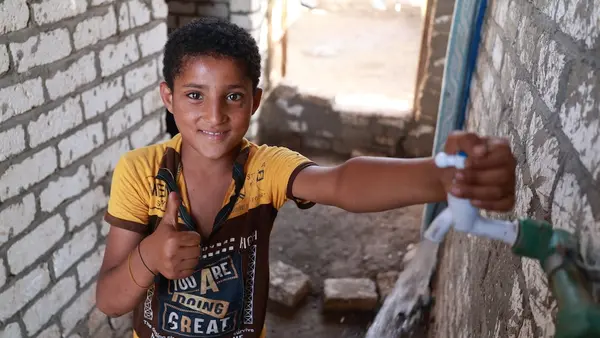
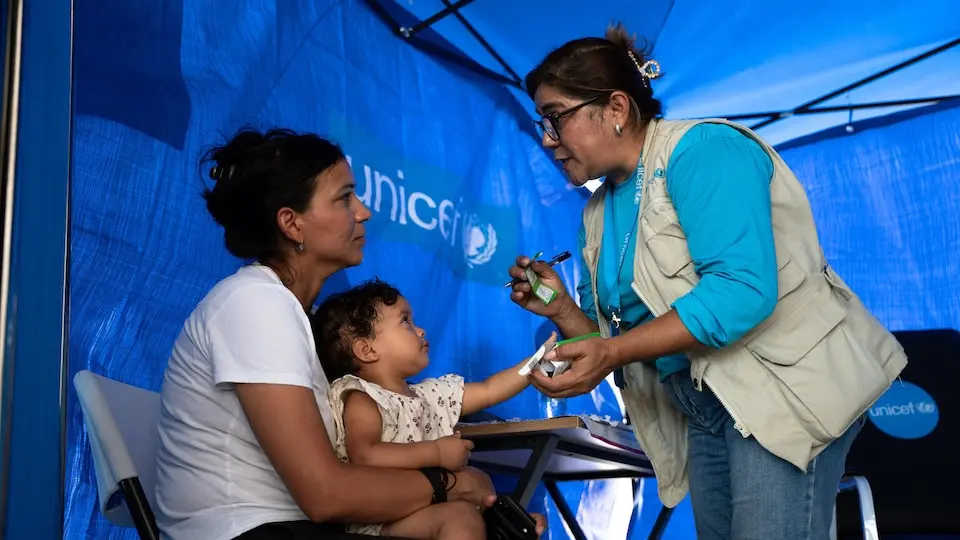
UNICEF Colombia is providing water, sanitation and hygiene supplies for 25,000 people in Chocó, including water storage tanks, cleaning supplies and kits for family hygiene, maternal care and menstrual health. UNICEF Colombia is also working with the Ministry of Education to help children safely return to learning as soon as possible.
Learn more about UNICEF's work for children in Colombia
UNICEF works in 36 countries across Latin America and the Caribbean
UNICEF has worked in Latin America and the Caribbean since the 1950s, with 24 country offices, a regional office in Panama City, and programs reaching 36 countries and territories. When an emergency hits, UNICEF moves quickly — with rapid needs assessments, surge staff deployments, pre-positioned stocks, and delivery of safe water and sanitation, nutrition, education, and child protection services.
UNICEF estimates approximately 11 million people, including 4 million children and adolescents, will require humanitarian assistance to cope with disasters in Latin America and the Caribbean in 2026 — a figure driven by intensifying climate shocks and high-impact hazards across the region.
Wherever children are in need, UNICEF is there to help. Please donate to support UNICEF's lifesaving and life-changing work for children.
Frequently Asked Questions
How can supporters in the U.S. help Colombia after the earthquake?
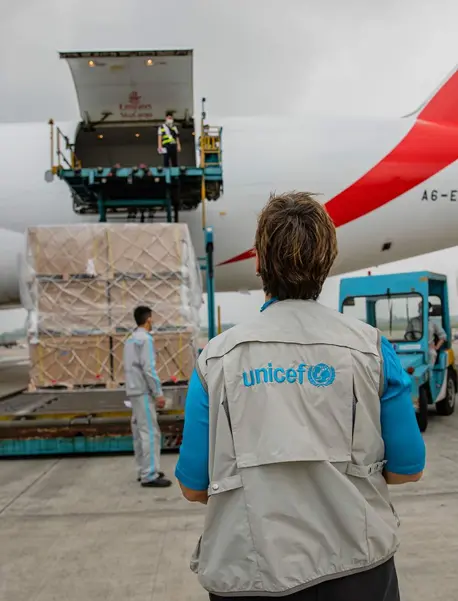
An impactful way to help Colombia after the earthquake is by supporting UNICEF. UNICEF's supply and logistics operations can ship supplies almost anywhere within 72 hours, giving it the reach and expertise to get children help fast when disaster strikes. Right now, UNICEF is providing water, sanitation and hygiene supplies to 25,000 people in Chocó and Buenaventura, and is working with national partners to protect children in the hardest-hit communities. Unrestricted donations to UNICEF USA help fund these efforts — from clean water and hygiene kits to child protection support — and provide flexible funding that allows UNICEF to respond to emergencies and other critical needs wherever support is needed most.
How is UNICEF helping children and families in Colombia?
UNICEF has worked in Chocó, the epicenter of the earthquake, for more than 20 years, and has a sustained presence in Buenaventura as well. In response to the earthquake, UNICEF is providing water, sanitation and hygiene supplies — including family WASH kits, maternal care kits, menstrual hygiene kits, cleaning supplies and water storage tanks — to 25,000 people affected.
UNICEF is also working with the Colombian Family Welfare Institute (ICBF) to strengthen child protection measures, and with the Ministry of Education to help children get back to safe learning environments as soon as possible, after more than 1,000 schools were reportedly damaged or destroyed. UNICEF Colombia is coordinating its response with national and local authorities, as well as United Nations partners, and stands ready to scale up support as needs are assessed.
What caused the Colombia earthquake?
According to the Colombian Geological Service, Colombia is a seismically active country because of interactions among the Nazca, South American and Caribbean tectonic plates. In the country’s Pacific region, the Nazca Plate is pushed beneath the South American Plate in a process known as subduction. As accumulated energy is released along and within these plates, earthquakes occur. Colombia records an average of about 2,500 earthquakes each month, although most are too small to be felt and are detected only by seismographs.
HOW TO HELP
There are many ways to make a difference
War, famine, poverty, natural disasters — threats to the world's children keep coming. But UNICEF won't stop working to keep children healthy and safe.
UNICEF works in over 190 countries and territories — more places than any other children's organization. UNICEF has the world's largest humanitarian warehouse and, when disaster strikes, can get supplies almost anywhere within 72 hours. Constantly innovating, always advocating for a better world for children, UNICEF works to ensure that every child can grow up healthy, educated, protected and respected.
Would you like to help give all children the opportunity to reach their full potential? There are many ways to get involved.