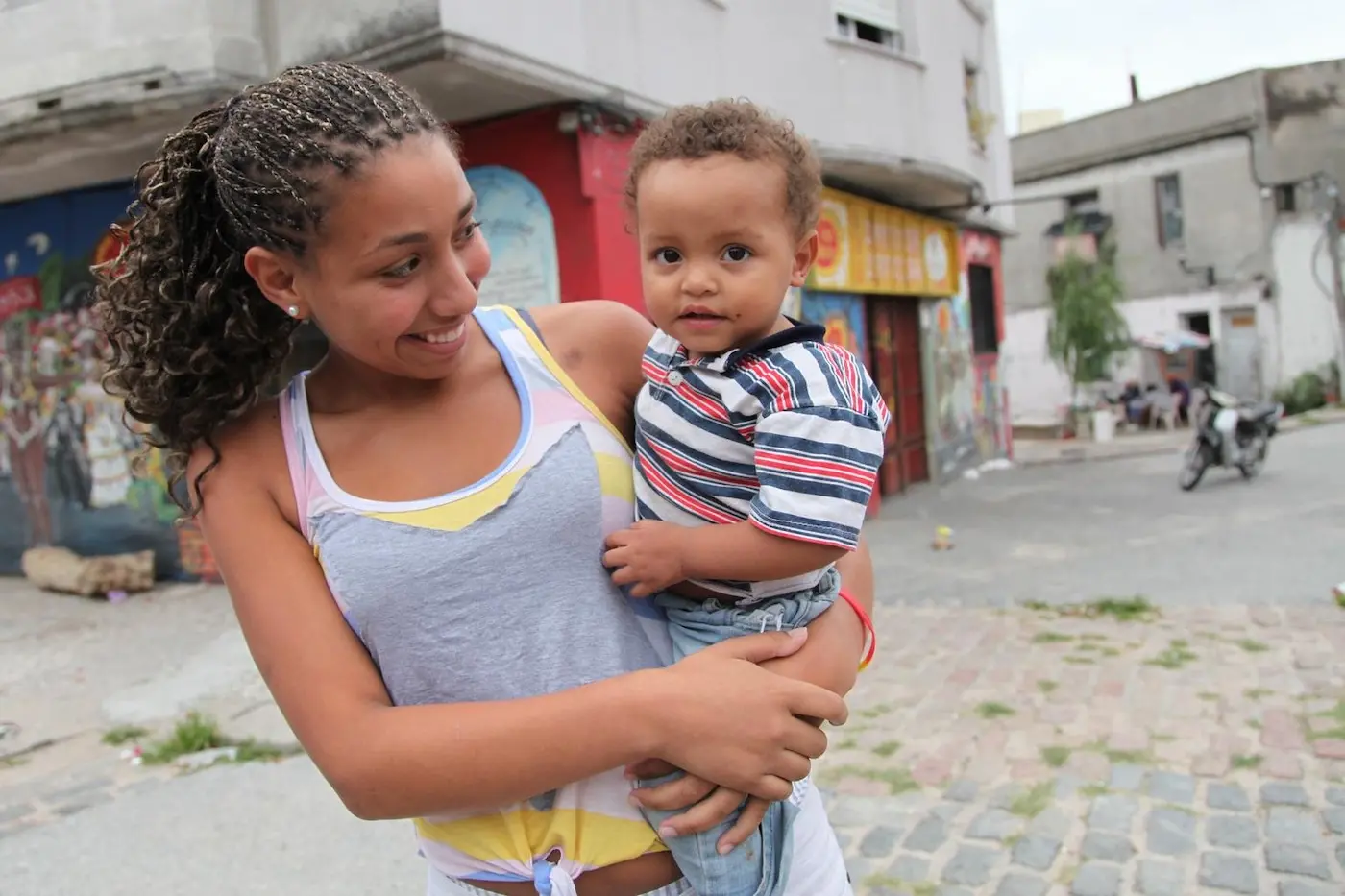
Help Children in Uruguay
Although Uruguay is a high-income country, many children continue to face challenges including poverty, limited access to quality education, dietary inequality and violent discipline. UNICEF works to promote equitable, inclusive access to basic services so that every child can thrive.
Why UNICEF works in Uruguay
Settled in the southeastern region of South America, Uruguay is a country of contradictions. Despite the nation's high-income status, many children aren’t reaping the benefits. Children with disabilities, children living in rural locations and children of African descent lack access to essential services.
UNICEF has been supporting vulnerable and underserved children in Uruguay since 1992, working with partners to advance social equity and inclusion and ensure every child has an opportunity to thrive.
Learn more about UNICEF’s work in South America
Challenges facing children in Uruguay
In Uruguay, the child poverty rate is about double the overall poverty rate, with no sustained progress since 2015 despite continued efforts.
In 2024, more than 150,000 children and adolescents lived in households with an income too low to cover basic needs. These children and for those with disabilities, face food insecurity, disparities in access to education and digital learning and a disproportionate risk of violence.
Learn more about record numbers of child migrants in Latin America
How UNICEF is making a difference
UNICEF partners with the Uruguayan government and civil society groups to promote equity and level the playing field for all children in the country through public policy advocacy, education reform, and other initiatives. UNICEF also provides emergency support in times of crisis.
Learn more about how UNICEF is helping children thrive in Latin America
Health and nutrition programs
The main nutritional challenge for children under age 5 in Uruguay is not malnutrition but a high risk of being overweight due to an unhealthy diet.
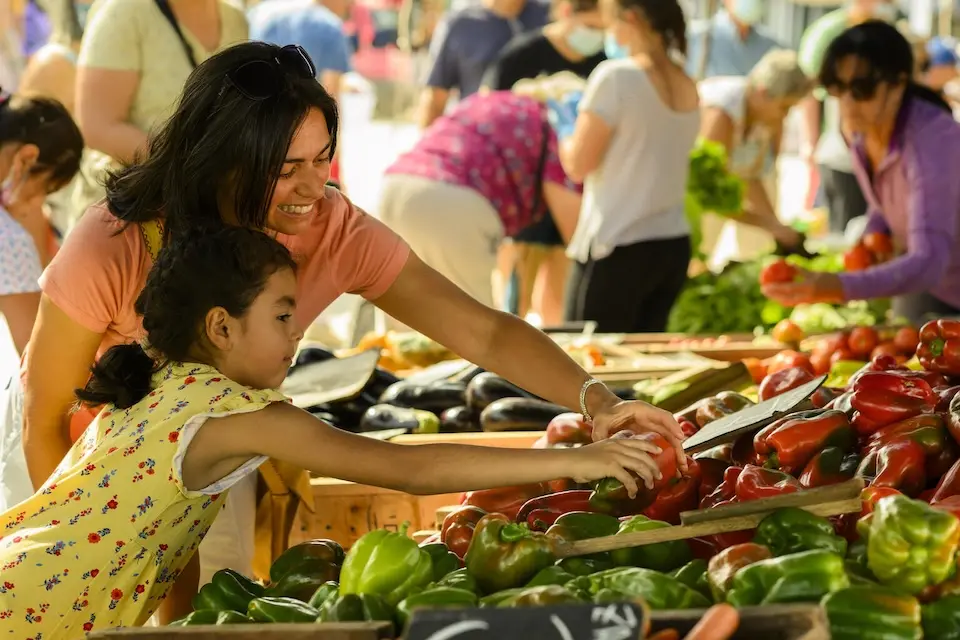
Contributing factors include monetary poverty, a high intake of ultra-processed foods and a lack of awareness among health workers and parents about the risks.
To address the problem, UNICEF works with partners to:
- make healthy foods more widely available in supermarkets and convenience stores
- invest in family farms and the agricultural sector as a whole to increase the diversity of food available at local stores
- expand regulations that aim to reduce consumption of ultra-processed foods
- invest in the training and development of health care workers on appropriate infant and young child feeding practices
Adolescent mental health — once a taboo topic — a new focus for public policy
There is also a trend among adolescents of increased feelings of unease, requiring an increased importance placed on mental health care.
UNICEF supported the government with the implementation of 'Ni Silencio Ni Tabú' (Neither Silence Nor Taboo), Uruguay's first public policy on adolescent mental health. This included the establishment of new national centers in six regions of the country to provide psychological and emotional well-being promotion, prevention and care services for adolescents and young people. A new national Mental Health Program was launched in 2024 with UNICEF support.
Learn more about UNICEF’s children’s health initiatives
Learn more about how UNICEF provides mental health support to children in crisis
Improving access to education
Despite practically universal access to education in Uruguay, inequalities persist. The school dropout rate remains high among the most vulnerable, underserved children. Over 40 percent of young adults in their early 20s never finished upper secondary education. For those in the poorest areas and of African descent, the rates are even higher.
For those who are enrolled in school, the quality of the education they receive is highly inequitable. Only about 25 percent of children from the poorest areas reach minimum proficiency in math, reading and science.
Children with disabilities struggle even more. Attendance rates are also low, with children losing the equivalent of a year's worth of instruction out of six during their primary school years due to missing class. UNICEF has deepened its partnership efforts within the education system in Uruguay to improve foundational learning and school environments to keep kids in school.
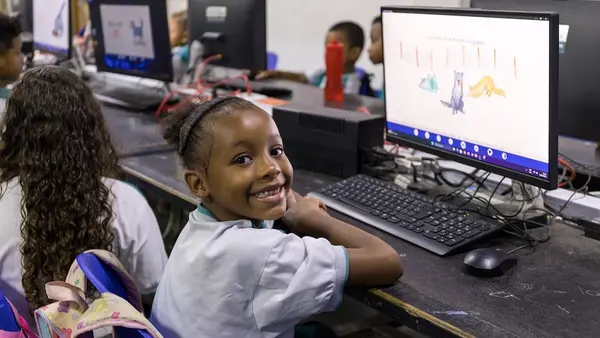
In 2024, building on achievements from previous years, UNICEF supported the National Public Education Administration to expand the Return to Education Program, an initiative focused on working with the local community to provide personalized support to vulnerable adolescents at risk of dropping out. The program also supported training for 500 teachers and 150 mentors.
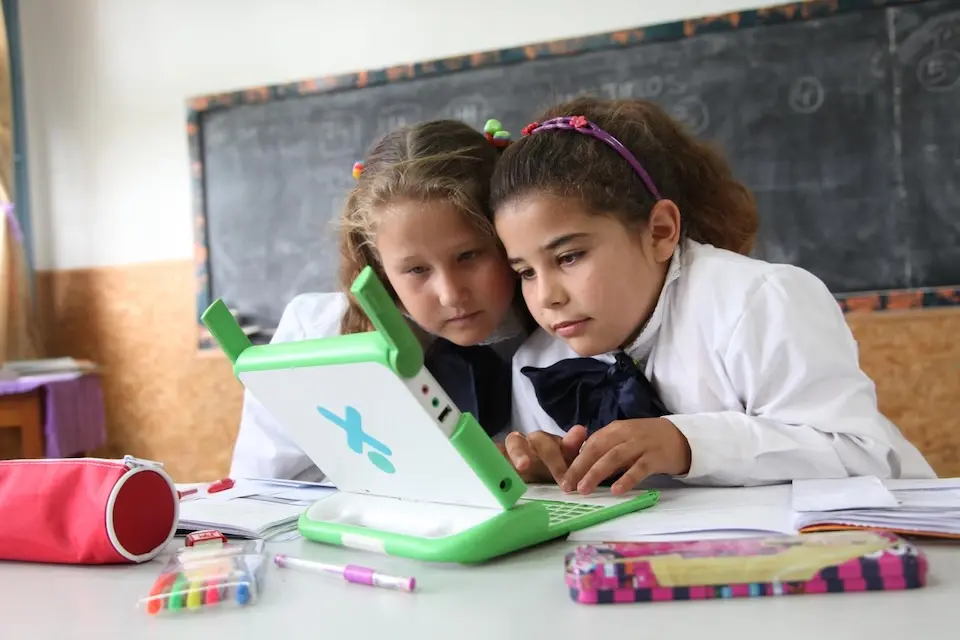
UNICEF also promotes policies and tools for more inclusive education. Through a collaboration with OpenAI, UNICEF is leveraging Generative Artificial Intelligence (GenAI) to convert printed textbooks into more accessible learning materials for children with a range of disabilities. Government agencies, organizations of persons with disabilities and curriculum developers are also participating in the pilot program.
Learn more about education programs for children with disabilities
Learn more about digital inclusion
Protecting vulnerable children
Despite a decrease in violent methods of disciplining children in Uruguay in the last decade, the practice is still prevalent, with over 40 percent of children aged 2 to 4 subjected to at least one form of violent discipline in 2023.
UNICEF supports an integrated strategy to help improve children's protection from violence in Uruguay, by expanding its partnerships with the government and the private sector and within the justice system and civil society and focusing on strengthening capacities and tools to detect, address and redress situations of violence against children and adolescents.
A national 'No Creas' (Don't Assume) initiative is helping to raise awareness of the interrelationship between violence against women and violence against children across all departments by organizing workshops, mass communication campaigns and artistic and cultural activities.
UNICEF has also helped develop better information systems and mechanisms for monitoring and reporting sexual violence against children and adolescents — essential tools that enable the government to prioritize access to justice and reparation of damages.
Learn more about UNICEF’s child protection programs
Water, sanitation and hygiene (WASH) efforts
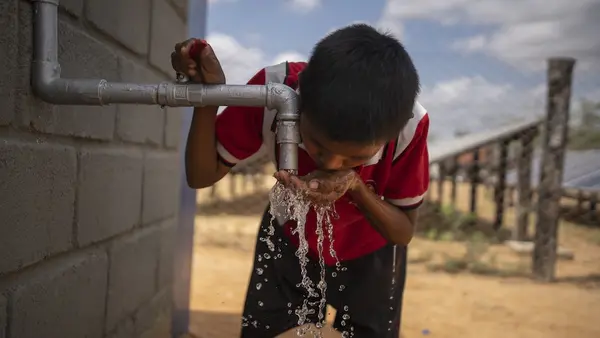
In Uruguay, more than 99 percent of the population has access to safe drinking water, and 97 percent have access to an improved sanitation facility. This is one area where very few inequities exist between population groups and regions.
However: problems start to arise when emergencies occur.
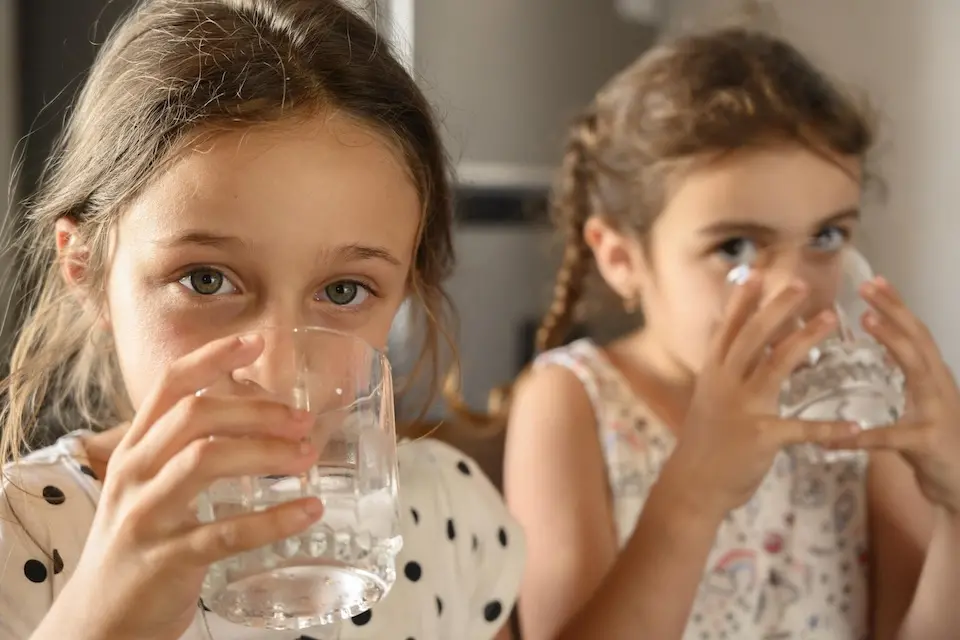
In 2023, Uruguay faced its worst drought in more than 70 years, which depleted the reserves of the Santa Lucía River, disrupting the drinking water supply for more than half of the population, most of them in the Montevideo metropolitan area.
Water quality had also deteriorated, with sodium and chlorine levels double those recommended by national authorities and the World Health Organization (WHO), threatening children’s health.
In response, UNICEF mobilized experts to provide technical assistance to help with a communications campaign around safe water consumption and use and. UNICEF also helped the country develop its first warning and contingency plan to guard against future water-related emergencies.
Learn more about UNICEF’s water and sanitation programs
How you can help
Help UNICEF support the health, safety and empowerment of children in Uruguay and around the world with a one-time donation or monthly gift, by starting a fundraiser or advocating for children on social media.
More ways to support UNICEF’s mission
Ways to support UNICEF’s mission
Frequently Asked Questions
Why does UNICEF work in Uruguay?
UNICEF has supported children and families in Uruguay since 1992. Although Uruguay is a high-income country, many children still face inequality, particularly children of African descent, children with disabilities and children living in rural areas. UNICEF works to promote equity, inclusion and access to basic services so that every child can thrive.
What challenges do children face in Uruguay?
Children in Uruguay face a range of challenges, including poverty, limited access to digital education, dietary inequality and gaps in health care. The digital divide and lack of inclusive resources disproportionately affect children with disabilities and those living in rural or low-income communities.
How can I help support UNICEF’s work in Uruguay?
Your donations to UNICEF USA support UNICEF's programs for vulnerable children and families in Uruguay and worldwide. Contributions help fund programs that deliver clean water, support improved nutrition, provide education materials, vaccines and more. Your support also ensures UNICEF can provide humanitarian relief when disaster strikes. Donations can be made as one-time gifts, monthly support or by hosting your own fundraiser.
What is UNICEF doing to improve education or health in Uruguay?
UNICEF supports early childhood education, inclusive digital learning and teacher training in Uruguay. On the health front, UNICEF addresses childhood obesity, provides maternal care support and advocates for accessible nutrition and health care services across the country.