World Refugee Day: How UNICEF Protects Refugee and Displaced Children
Highlights
- World Refugee Day (June 20) highlights the rights, resilience and needs of refugees and displaced people worldwide.
- There are 45.3 million children in the world who are forcibly displaced, primarily due to conflict, violence and climate-related crises.
- Displaced children face major risks, including lost education, trauma, exploitation and lack of health care.
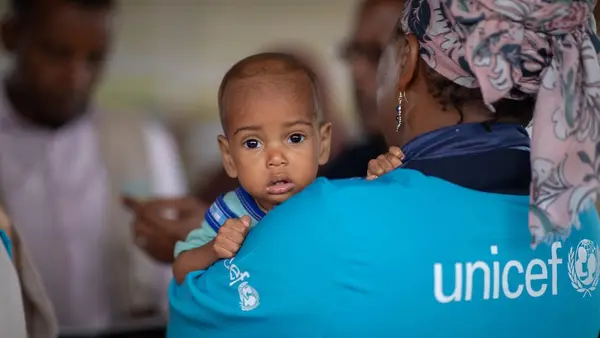
- UNICEF works with partners to support and protect refugee and displaced children, providing health care and nutrition, education and psychosocial support, and creating safe spaces for them to learn and play.
- UNICEF advocates for protection, inclusion, family unity and opportunities for children to learn and rebuild their futures.
Every year on June 20, the world pauses to recognize people who have been forced to flee their homes — many of them children. This World Refugee Day, UNICEF honors their strength and resilience, and reaffirms the urgent need for protection, education and lifesaving care for every child on the move.
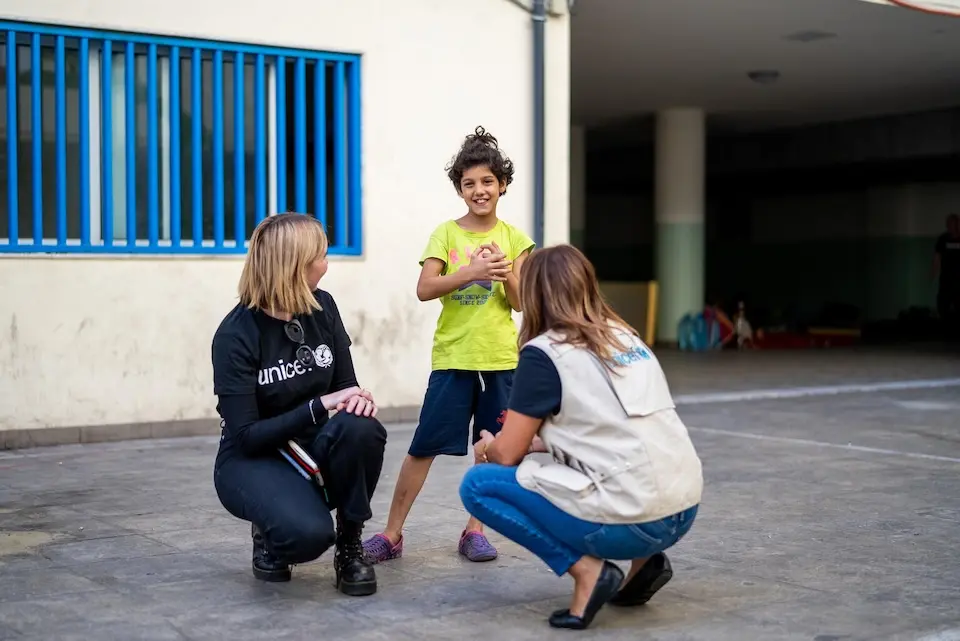
Nine-year-old Ghazal's evenings at her home in southern Lebanon weren't so different from any girl her age: playing with her brother and friends, eating dinner, dropping off to sleep in a cozy bed.
Then bombs began falling in 2024, and Ghazal's life completely changed. She and her family were forced to flee without warning.
From a shelter in Beirut, Ghazal thinks about all she has lost. She especially misses being in school. "I hope my school stays safe and doesn't even get a single scratch," she says. "When I grow up, my future will be there."
Ghazal is far from alone. Globally, more than 1 in 6 children is either living in or fleeing an active conflict zone.
What is World Refugee Day?
World Refugee Day is an international observance designated by the United Nations to honor refugees around the world and others forced to flee their home countries due to conflict, violence or persecution. It is a day to recognize their strength and courage, champion their rights, mobilize support and inspire action on their behalf.
And it is a moment to reflect on the millions of childhoods disrupted — and what supporters can do to help.
This year, World Refugee Day arrives at a moment of extraordinary need, as tens of millions of displaced children face compounding risks that go far beyond displacement itself. The theme for World Refugee Day 2026 — 'Until Everyone Is Safe' — serves as a global call to action by communities, institutions and governments to keep working toward solutions.
The campaign seeks to reaffirm the universal right to seek safety and protection, and the importance of supporting refugees in building stronger, more stable communities. People forced to flee should not have to live in fear. They should be given opportunities to rebuild their lives and contribute to their communities, and be able to return home safely and voluntarily, with dignity, if and when conditions allow.
UNICEF works to protect every child on the move, whether they are migrants, refugees or internally displaced — because every one of them is a child first.
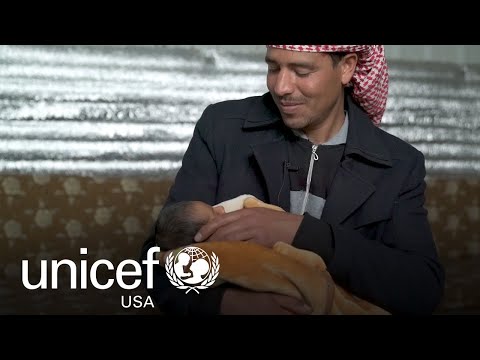
When Is World Refugee Day? June 20th
World Refugee Day has been observed every year on June 20th since 2001. The date coincides with the 50th anniversary of the 1951 Convention Relating to the Status of Refugees, the foundational international agreement that defines who a refugee is and outlines their rights. Before 2001, June 20th was observed as Africa Refugee Day.
The legal provisions of the 1951 Refugee Convention and its 1967 Protocol are grounded in the conviction that refugees deserve — at minimum — the same standards of treatment enjoyed by other foreign nationals in a given country and, in many cases, the same treatment as nationals. Safety must never depend on a person's nationality, wealth, race, religion, gender, political opinion or migration status.
More than 100 countries recognize World Refugee Day with events and campaigns of their own.
Learn more about how UNICEF works to protect child refugees and child migrants
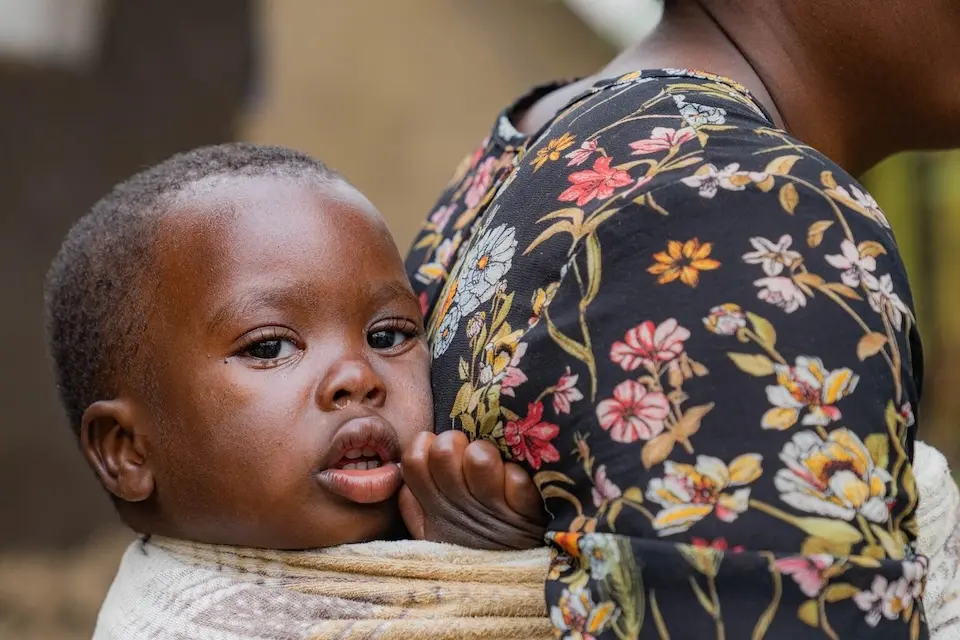
Why are so many children forced to flee their homes?
Worldwide, there are an estimated 45.3 million children who are forcibly displaced, internally or across borders, according to UNHCR, the UN's lead refugee agency. While children represent 29 percent of the global population, they comprise 38 percent of the total 117.8 million forcibly displaced people in the world.
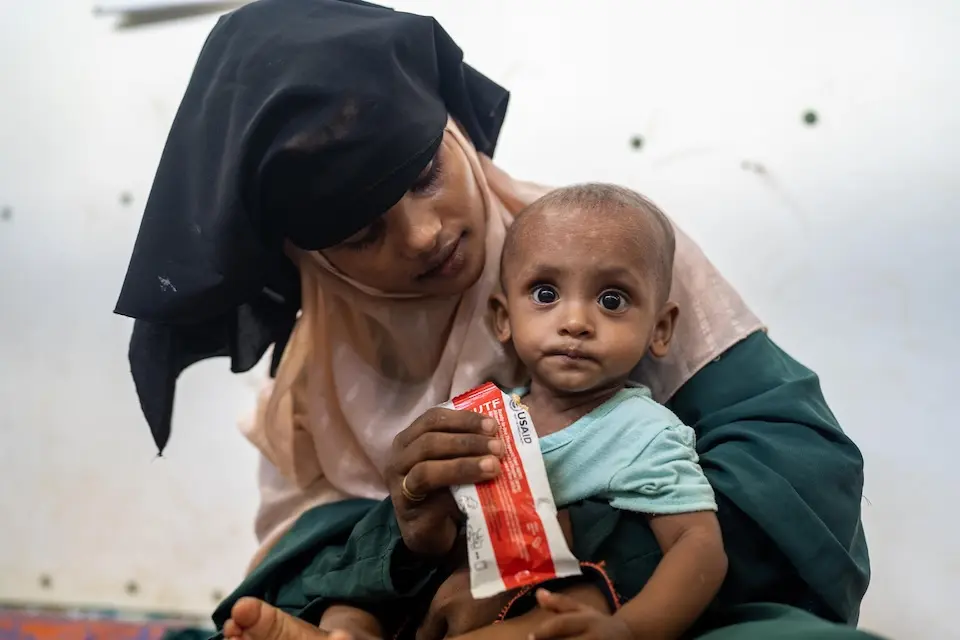
This includes children and families displaced by war in Sudan and violence in the Democratic Republic of the Congo; by prolonged crises in Afghanistan, Haiti, Myanmar, Ukraine and Venezuela. There are nearly 1 million Rohingya refugees sheltering in Bangladesh, many of whom have been living in camps since 2017.
Conflict and violence are the primary drivers of child displacement, but they are rarely the only factors. Climate shocks, earthquakes and other natural disasters continue to uproot vulnerable children and families in growing numbers, with an estimated 60 percent of refugees and internally displaced people living in countries hardest hit by climate change.
And 3 out of 4 refugees or people displaced by conflict live in countries facing high to extreme exposure to climate-related hazards, compounding their risks.
Learn more about how UNICEF is supporting children impacted by climate change
The global refugee crisis affecting children
Uprooted children are vulnerable to many dangers, including:
- exploitation, trafficking and forced labor
- family separation
- interrupted education
- lack of access to health care and nutrition
- psychological trauma and loss of mental health support
Girls face heightened risks, including gender-based violence. In Sudan alone, millions of children are at risk of sexual violence, which is being used as a tactic of war.
Read UNICEF USA’s overview of children affected by conflict
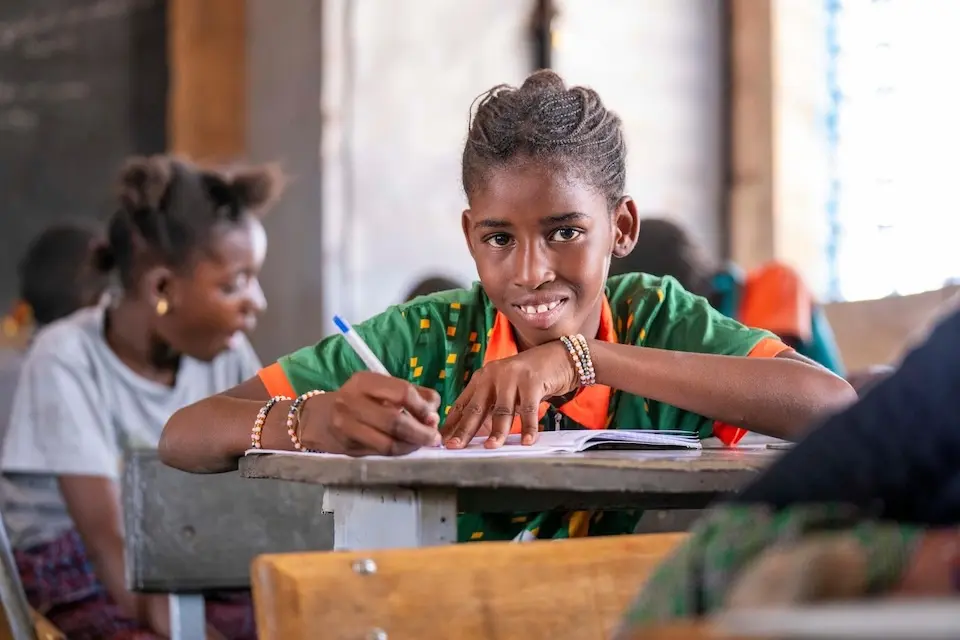
Sudan: The world's largest child displacement crisis today
Sudan is experiencing one of the most devastating humanitarian emergencies in the world today. Brutal conflict, food insecurity, disease outbreaks and the collapse of essential services have pushed millions to the brink.
An estimated 33.7 million people — roughly half of them children — require urgent humanitarian assistance. More than 5 million children have been forced from their homes, many of them repeatedly.
At least 8 million children in Sudan remain out of school. In the first three months of 2026 alone, at least 160 children were reportedly killed and 85 maimed — a 50 percent increase compared to the same period in 2025. Famine has been confirmed in parts of Darfur and Kordofan, and an estimated 4.2 million children are expected to suffer from acute malnutrition in 2026.
UNICEF is delivering support across Sudan — treating children for severe malnutrition, providing safe water and health care, and creating safe spaces for learning and healing — but funding remains critically short.
Learn more about the Sudan crisis and UNICEF's response
Ukraine: Year four of displacement
In Ukraine, the scale of child displacement remains staggering as the war enters its fifth year. More than a third of Ukraine's children — 2,589,900 in total — remain displaced, including more than 791,000 inside Ukraine and nearly 1.8 million living as refugees outside the country.
A recent survey found that 1 in 4 adolescents aged 15 to 19 in Ukraine is losing hope of a future there, underscoring the urgent need for stability and long-term support.
UNICEF continues to work across Ukraine and in neighboring host countries — providing lifesaving assistance, health care, psychosocial support and education services to millions of children.
Learn more about UNICEF's response to the Ukraine crisis
Returning refugees need support too
Returnees — refugees who return to their country or region of origin after time in exile — also need protection and help reintegrating and rebuilding their lives.
In 2025, 4.4 million refugees and 10.3 million internally displaced people returned to the place they had fled. A significant number returned to Afghanistan, Sudan and Syria, in many cases under adverse conditions.
Learn about how UNICEF is helping refugee children returning to Afghanistan
How UNICEF helps refugee children around the world
UNICEF works in refugee camps, host communities and crisis zones to deliver the protection, care and stability that children need, including children forcibly displaced by conflict and other emergencies.
Emergency care: health, nutrition and safe water
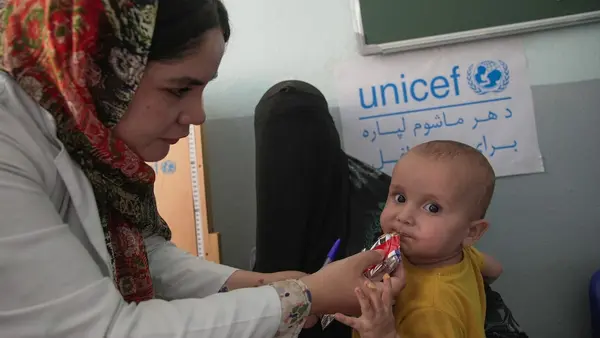
UNICEF works with partners to support the needs of refugees and migrants as they arrive in shelters, settlements and reception facilities — providing safe water, adequate sanitation and hygiene supplies to curb the spread of disease; ensuring access to health and protection services; screening for and treating malnutrition; and addressing increased risks of gender-based violence for women and girls.
In Sudan in 2025, UNICEF screened 6.8 million children for acute malnutrition and treated more than 600,000 children with severe acute malnutrition. In Ukraine, UNICEF reached 7 million people, including 2.5 million children, with humanitarian support in 2025 alone.
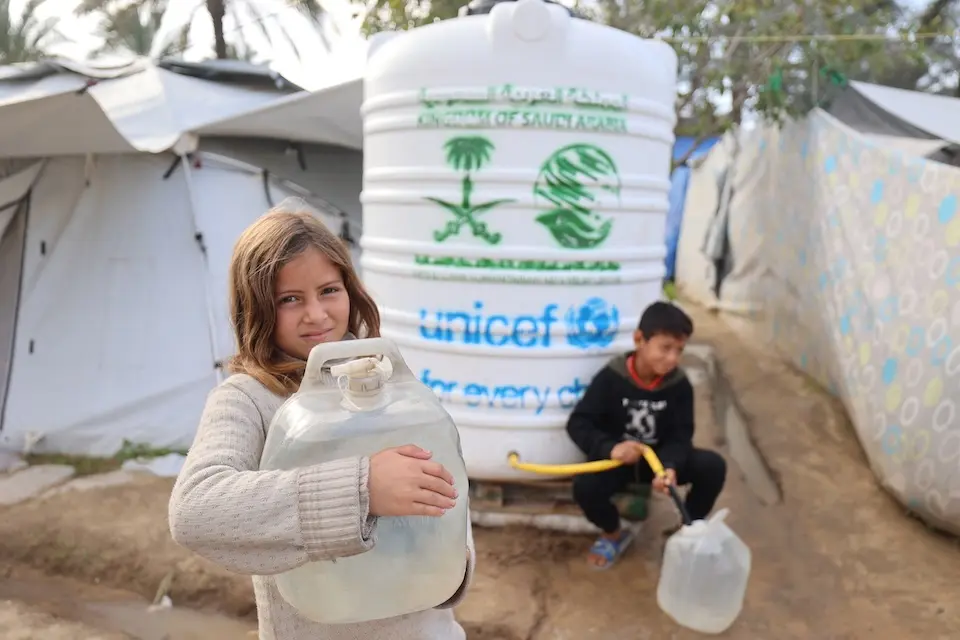
Education for children on the move
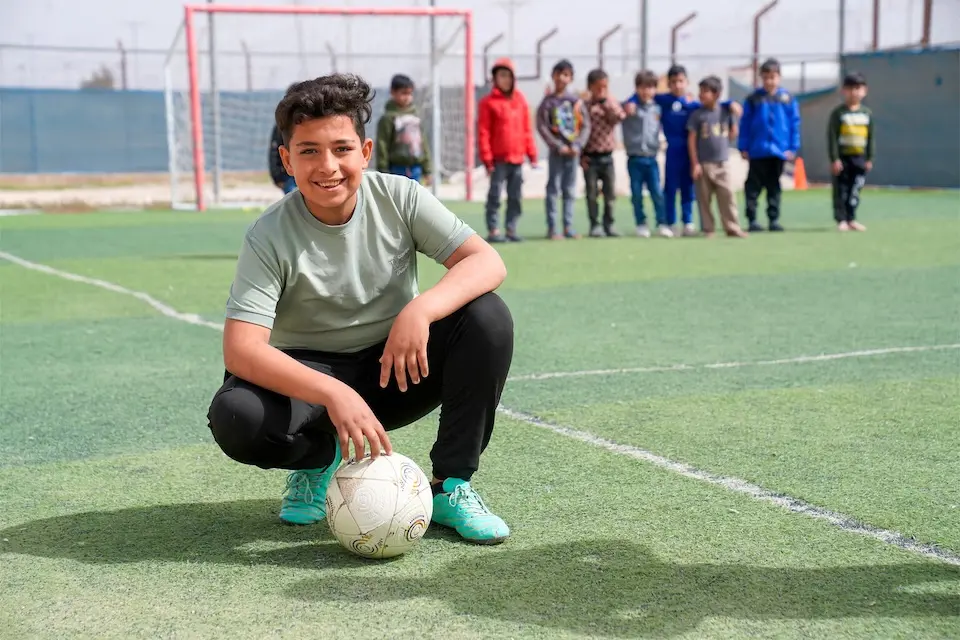
Education is one of the most powerful tools UNICEF offers displaced children — not just for their futures, but for their present. School provides routine, normalcy and a sense of safety in the midst of upheaval. Yet only half of refugee children have attended primary school, and less than a quarter have attended secondary school.
To bridge this gap, UNICEF developed the Learning Passport — a free online, mobile and offline digital platform that provides continuous access to quality education regardless of location or connectivity.
By March 2025, the Learning Passport had reached over 10 million learners in nearly 50 countries, from refugee settings in Lebanon and Poland to conflict-affected regions in Myanmar and Sudan. Its offline capability makes it a vital tool in areas with little or no internet access.
Safe spaces for healing and recovery
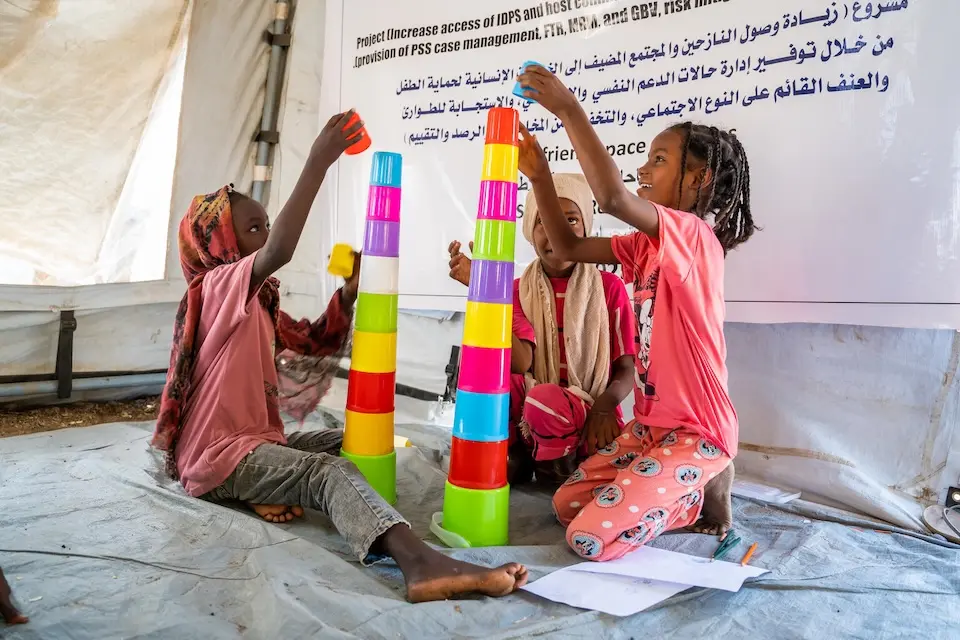
Beyond physical survival, children who have experienced displacement need psychological safety and healing. UNICEF creates child-friendly spaces — structured environments where children can play, learn and access psychosocial support. These safe spaces help children recover from trauma, rebuild routines and regain a sense of normalcy.
For many refugee children, a safe place to play can make all the difference. In Poland, UNICEF supported collective shelters where psychologists worked with Ukrainian refugee children and their mothers — helping them re-establish connection, security and emotional stability after the shock of war.
As one psychologist working with displaced children noted, when a mother is present and attentive, a child feels safer — a simple truth with profound implications for how UNICEF designs its support.
Advocating for every child's right to safety on World Refugee Day
Safety means more than protection from violence. It also means access to documentation, education and livelihoods, and the opportunity to rebuild a future.
UNICEF is focused on three interconnected priorities for displaced children and young people:
- Ending discrimination and exclusion — which limits access to basic services, including health care, immunization, education and school-based support such as child protection and school meals, and increases protection risks.
- Advancing durable solutions that protect family unity — such as voluntary, safe and dignified return; local integration in the host community; or resettlement to a third country. The best interests of the child and their specific protection needs should guide every decision.
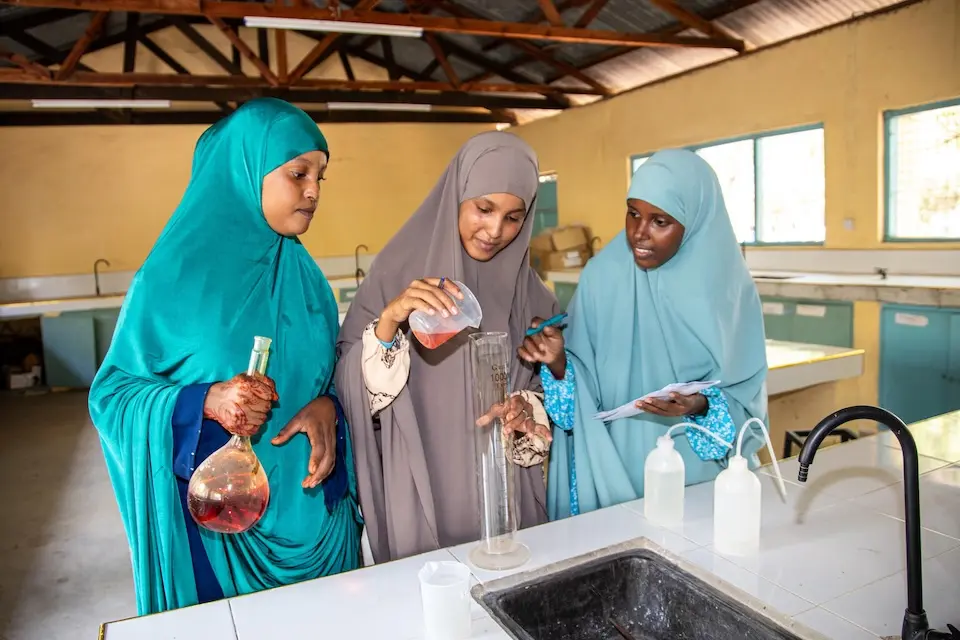
- Enabling access to learning-to-earning pathways — helping forcibly displaced youth overcome barriers to education, skills training and employment. Refugees are six times more likely to be unemployed than non-refugees; including displaced youth in education and work systems strengthens economies, supports more cohesive communities and contributes to long-term stability.
How you can help refugee children
World Refugee Day is a powerful moment to turn awareness into action. Children in Sudan, Ukraine, Gaza, Myanmar and dozens of other crisis zones need sustained support — not just today, but year-round.
- Donate to support emergency care, education and child protection for refugee children. Give to UNICEF USA today
- Learn more about the global crisis and what UNICEF is doing. Explore ways to help refugee and displaced children
- Advocate for policies that protect the rights of refugee children and ensure sustainable funding for humanitarian response.
- Share the stories of refugee children to raise awareness in your community and beyond.
Frequently Asked Questions about World Refugee Day
What is a refugee?
A refugee is someone who has fled their home country due to a well-founded fear of persecution based on race, religion, nationality, membership in a particular social group or political opinion, as defined by the United Nations' 1951 Convention Relating to the Status of Refugees. Refugees differ from internally displaced persons (IDPs), who have fled their homes but remain within their own country's borders.
What is the purpose of World Refugee Day?
World Refugee Day is observed every year on June 20 to honor the strength and resilience of refugees around the world, raise awareness of the challenges faced by people forced to flee, and encourage global support for refugee children and families. It is also a moment to mobilize political will and resources so that refugees can not only survive, but thrive.
What is the theme of World Refugee Day 2026?
"Until Everyone Is Safe" is UNHCR's World Refugee Day 2026 campaign theme, marking the 75th anniversary of the 1951 Refugee Convention. The campaign reaffirms the universal right to seek safety and protection and highlights the importance of supporting refugees — including millions of children forced to flee — in building stronger, more stable communities.
How many refugee children are there in the world?
An estimated 45 million children were forcibly displaced by the end of 2025, representing 38 percent of the world's 117.8 million forcibly displaced people. Millions of children are living as refugees, asylum-seekers or internally displaced, many of them in regions affected by conflict and instability.
What does UNICEF do for child refugees?
UNICEF provides health care, education, protection and emergency support for refugee and displaced children. This includes delivering vaccines, treating malnutrition, providing safe water, creating child-friendly spaces for psychosocial support, running digital learning programs like the Learning Passport, and working with governments to build systems that include and protect children on the move. UNICEF works in refugee camps, host communities and crisis zones, supporting children before, during and after emergencies.
What is a refugee camp and how does UNICEF support children living there?
Refugee camps are temporary settlements established to shelter people who have been forced to flee their homes. Children in these settings may face overcrowding, limited resources, risk of disease and disrupted access to education and health care. UNICEF supports children in refugee camps by providing safe spaces, learning opportunities, health care, nutrition support, clean water and psychosocial care — helping children access the services and protection they need to survive and recover.
How can I help refugee children year-round?
You can help by donating to UNICEF USA to support emergency care, education and child protection; by advocating for policies that uphold the rights of refugee children; and by raising awareness in your community.
Learn more about ways to help refugee and displaced children
HOW TO HELP
There are many ways to make a difference
War, famine, poverty, natural disasters — threats to the world's children keep coming. But UNICEF won't stop working to keep children healthy and safe.
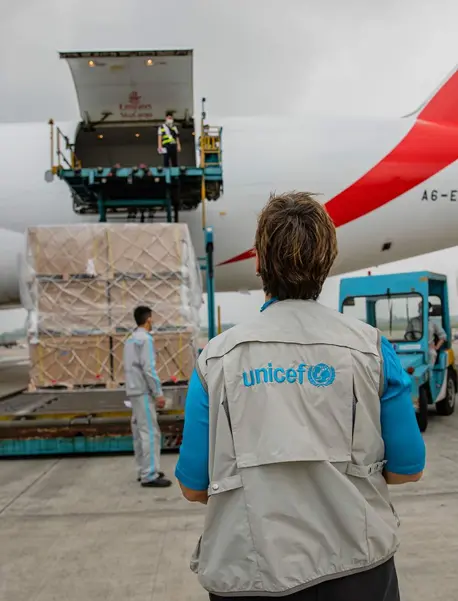
UNICEF works in over 190 countries and territories — more places than any other children's organization. UNICEF has the world's largest humanitarian warehouse and, when disaster strikes, can get supplies almost anywhere within 72 hours. Constantly innovating, always advocating for a better world for children, UNICEF works to ensure that every child can grow up healthy, educated, protected and respected.
Would you like to help give all children the opportunity to reach their full potential? There are many ways to get involved.