Children Returning to Afghanistan Need Urgent Support
More than 2 million Afghans, including half a million children, have returned from Iran and Pakistan this year alone, in addition to a significant number from countries in Central Asia. UNICEF is calling for a safe, dignified, voluntary and phased approach and increased support for children and families.
An acute humanitarian emergency is unfolding in Afghanistan
When Abid was 12, he left his home in Afghanistan and traveled alone to Iran. His family needed money, and they'd heard he could find steady, paid work there. Two years later, Abid was deported, joining the tens of thousands of people who arrive daily in western Afghanistan at the Islam Qala reception center in Herat province.
"I don't want to return to Iran. I don't want to go back," said Abid. "I was doing hard labor there. I was all alone. No one was with me."
I don't want to return to Iran ... I was doing hard labor there. I was all alone. — Abid, 14
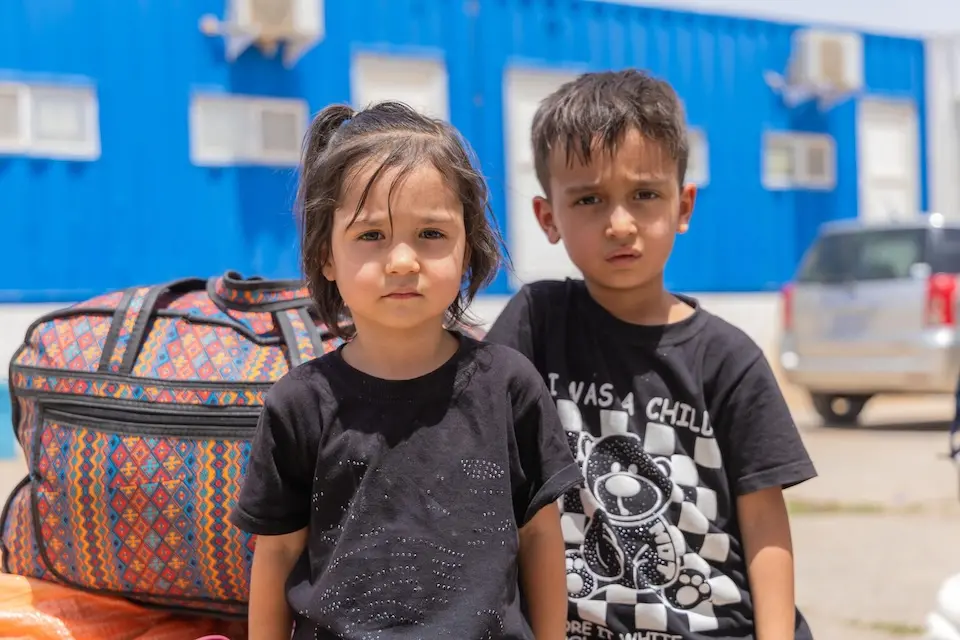
More than 2 million people, including 500,000 children, have already returned to Afghanistan this year. The number of returnees hit a record high in July, when over 50,000 people crossed the border on a single day.
UNICEF works with partners to meet the needs of unaccompanied children and families
Through Children on the Move, a project funded by the European Union, UNICEF works with partners to meet the needs of unaccompanied children like Abid — providing food, clothing, a bed, psychosocial support and a safe space to play and make friends — and to reunite them with their families.
With EU support in three transit centers and three border reception centers, UNICEF reunited 17,400 children with their families in 2024. By the end of July 2025, UNICEF had documented and supported more than 6,000 unaccompanied and separated children and reunited them with their families and relatives.
"I'm so happy that I came back to Afghanistan," Abid said. "I want to return to my brothers and mother, hug them and continue my studies."
Watch the video: Abid's story
Why did Afghans leave the country, and why are they returning home now?
Families who fled political unrest and economic hardship in Afghanistan are now returning as countries that once offered refuge tighten restrictions on undocumented Afghans. The rise in returnees, sometimes by forcible deportation, is being fueled by growing insecurity and regional tensions.
The scale and speed of these returns are placing enormous pressure on Afghan border provinces ill-equipped to absorb them, exacerbating poverty, insecurity and humanitarian need in a country still reeling from economic collapse and widespread human rights abuses.
Related: A Safe and Dignified Return for Afghan Families, With Support From UNICEF
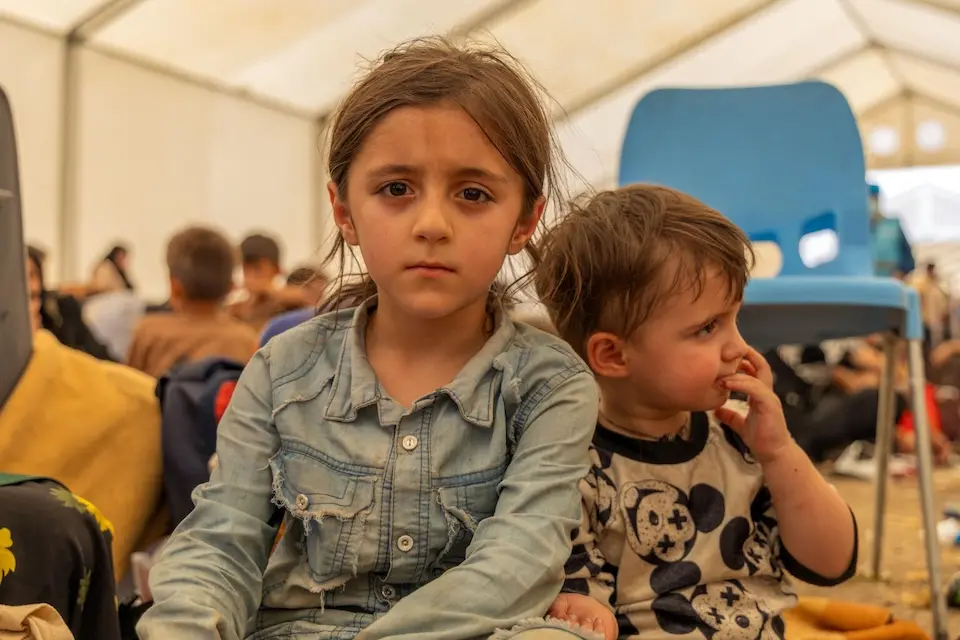
What are the needs of children and families returning to Afghanistan?
Families are arriving with no savings and limited access to shelter, food, water, health care and protection services. Women and girls in particular face a jarring shift: from relative autonomy in host countries to a context where their rights are severely restricted by edicts from Taliban de facto authorities.
Returning families and unaccompanied children are straining the resources of local communities, where more than half the population already requires humanitarian assistance. Afghans are struggling to overcome impacts of more than four decades of conflict, complicated by an impending drought.
How is UNICEF helping newly returned children and families in Afghanistan?
UNICEF is scaling up specialized child protection services, while also delivering on essential health, WASH, nutrition and education interventions. The unfolding situation is an acute humanitarian emergency, with immediate and medium-term implications for stability, protection and recovery in already fragile border provinces.
Learn more about how UNICEF helps children in Afghanistan
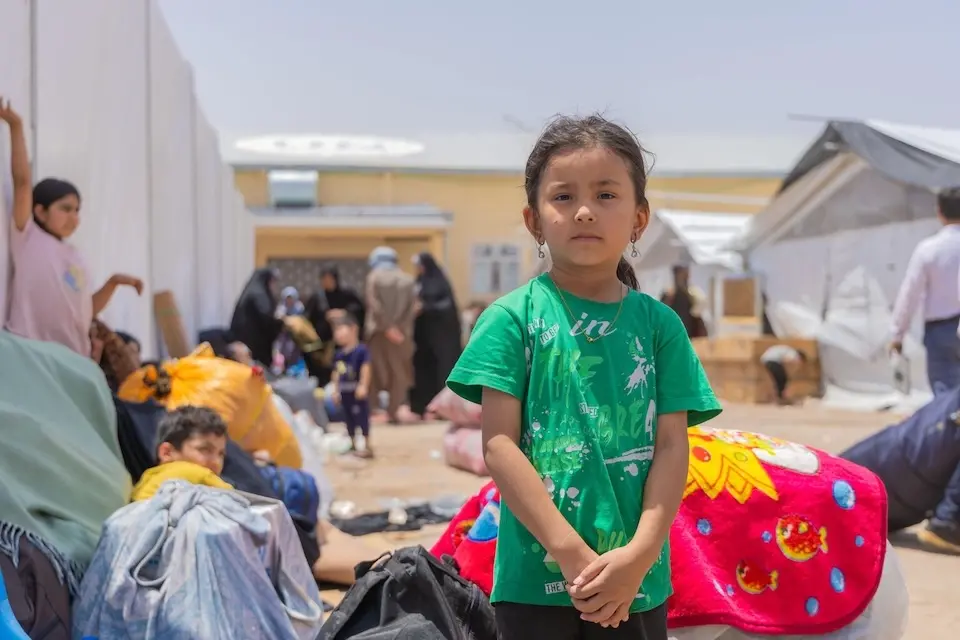
Why is education a critical issue in Afghanistan?
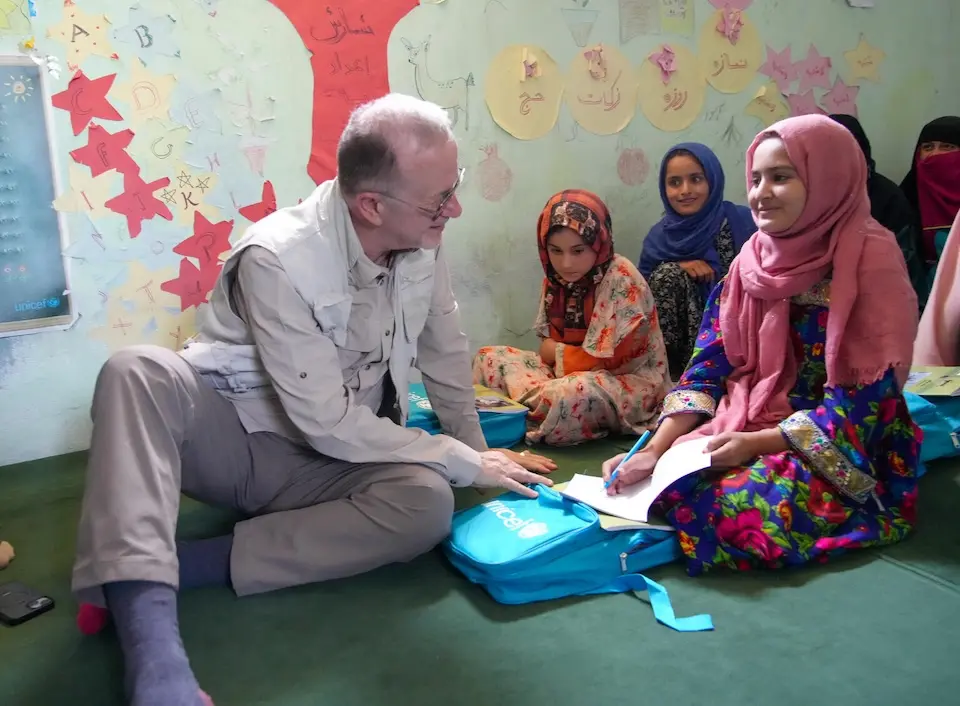
"The families I met at the border indicated they looked forward to the future in their home country but were anxious about rebuilding their lives," said Ted Chaiban, UNICEF Deputy Executive Director for Humanitarian Action and Supply Operations, who recently returned from Afghanistan. "One common concern was the continuity of education for their daughters beyond grade 6, concerns echoed by the students I met in Kunduz."
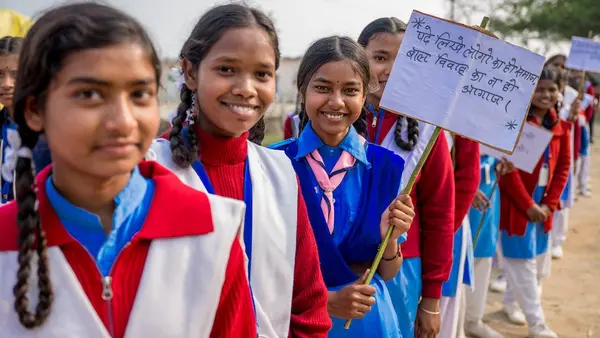
Adolescent girls have been barred from attending secondary school in Afghanistan since the Taliban returned to power in 2021. The ban "not only impacts girls, but all women in the country when they miss out on formal secondary education, university and subsequently employment," Chaiban said. Out-of-school girls also face a heightened risk of being forced into early marriage and child labor.
Education for all children is at the heart of UNICEF's mandate. — Ted Chaiban, UNICEF Deputy Executive Director for Humanitarian Action and Supply Operations
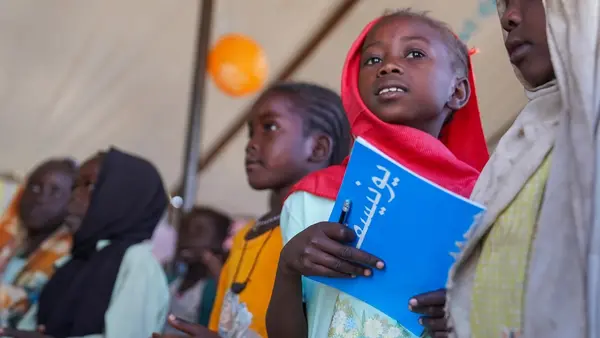
In Kunduz, Chaiban visited an accelerated learning class where girls can finish their primary education if they were unable to go to school. Fifty community-based education classes, including 10 ALCs, are currently operating in Kunduz center, providing educational services to 1,015 out-of-school children, including 318 boys and 697 girls.
"Education for all children is at the heart of UNICEF’s mandate, and we strongly advocate for a lifting of the ban so that girls of all ages can stay in school, receive a good education, can work and play a role in society, for themselves, their families, and for the future growth of Afghanistan," Chaiban said. "We stand ready to find solutions for the continuity of the education of girls and continue to explore options with the authorities."
A call to action
UNICEF is calling for dialogue between Iran, Pakistan and Afghanistan to phase the returns and allow the Afghan authorities, UN agencies, NGOs and partners to better manage the response, and calls on donors to support humanitarian action for the returnee population, including for children, both at the point of reception and in areas of final resettlement.
HOW TO HELP
There are many ways to make a difference
War, famine, poverty, natural disasters — threats to the world's children keep coming. But UNICEF won't stop working to keep children healthy and safe.
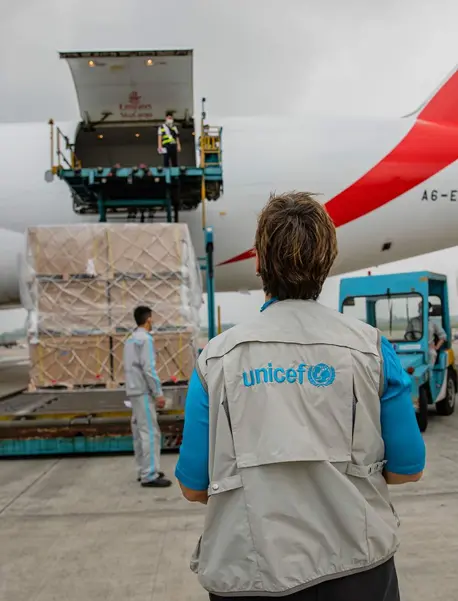
UNICEF works in over 190 countries and territories — more places than any other children's organization. UNICEF has the world's largest humanitarian warehouse and, when disaster strikes, can get supplies almost anywhere within 72 hours. Constantly innovating, always advocating for a better world for children, UNICEF works to ensure that every child can grow up healthy, educated, protected and respected.
Would you like to help give all children the opportunity to reach their full potential? There are many ways to get involved.