Support Children in Myanmar with UNICEF
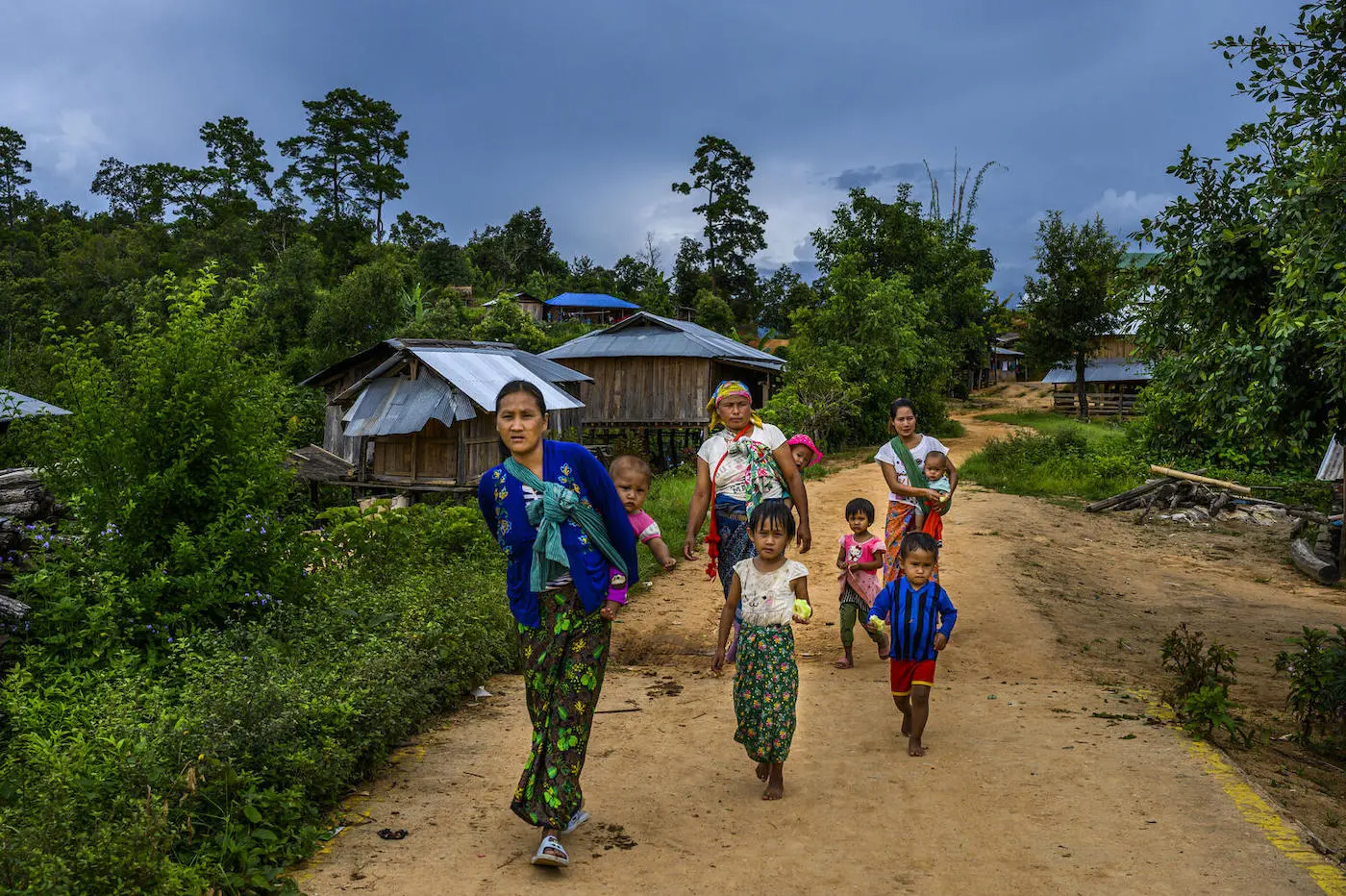
Life has become increasingly difficult in many parts of Myanmar due to ongoing conflict, displacement, economic strain and intensifying climate-related shocks, including cyclones, flooding and earthquakes. UNICEF teams are on the ground delivering emergency relief and reaching hundreds of thousands of vulnerable children and families with critical services and support despite security challenges.
Why UNICEF works in Myanmar
Multiple humanitarian crises are endangering children in Myanmar.
The country’s humanitarian crisis stems from years of conflict, political instability and widespread displacement. A devastating earthquake that struck central Myanmar on March 28, 2025, a region suffering from extreme heat and other effects of climate change, only magnified the needs of already vulnerable children and families.
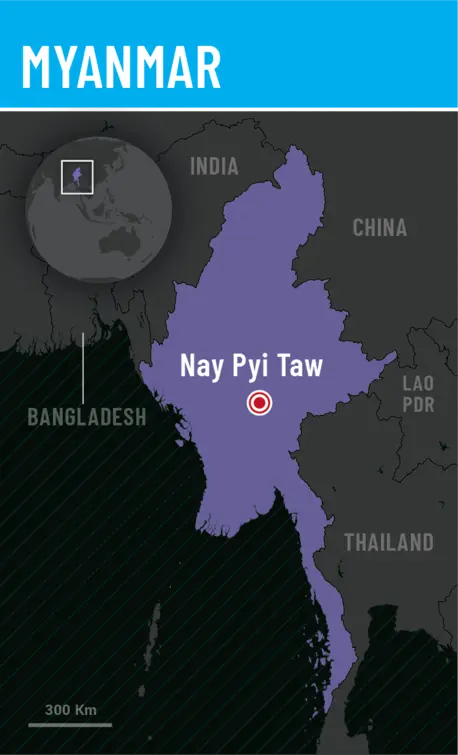
Over half the population of Myanmar, a country of 55 million people also known as Burma, lives in poverty. Health, education and other critical systems have been disrupted or damaged by ongoing conflict — leaving millions of children vulnerable to trauma, malnutrition and grave rights violations. Children continue to face grave risks from violence, including injury or death caused by landmines and explosive remnants of war.
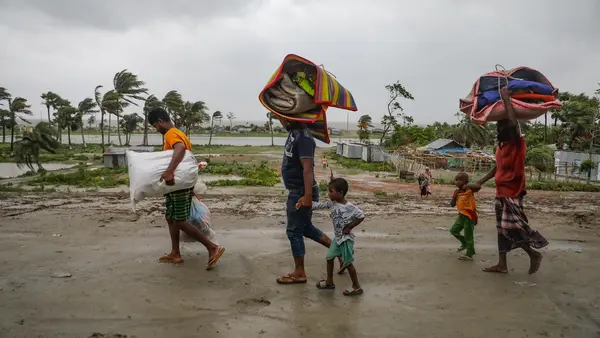
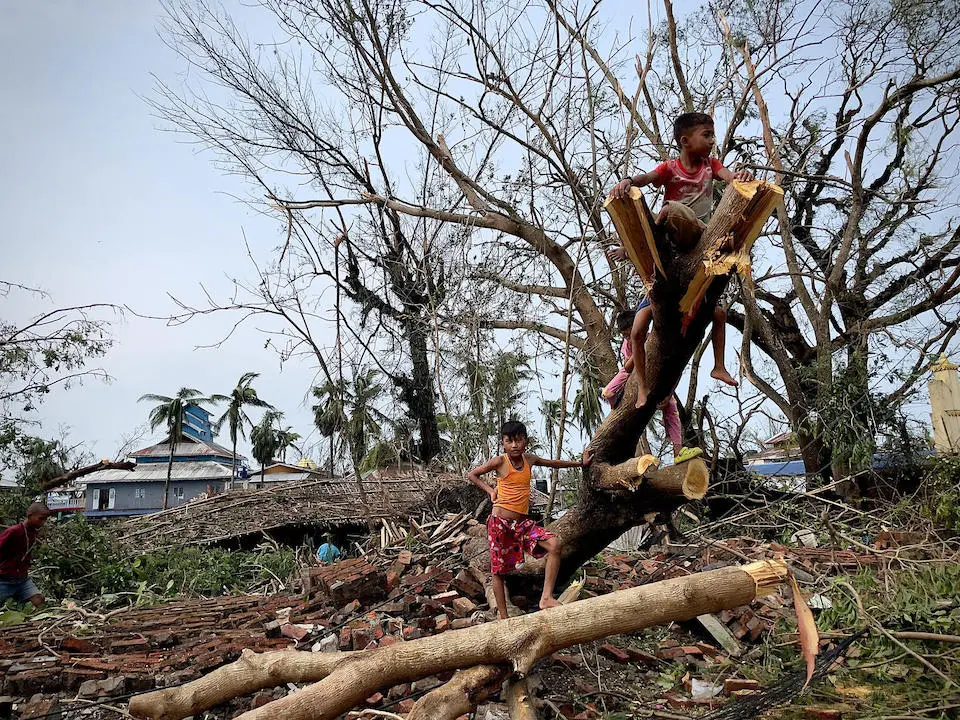
Natural disasters have added to the suffering. Even before the March 2025 earthquake, UNICEF estimated that 30 percent of all children in the country required humanitarian assistance, and close to 2 million people were already internally displaced inside the country, struggling to meet basic needs. Half were already living in camps that were then damaged when Cyclone Mocha made landfall in May 2023.
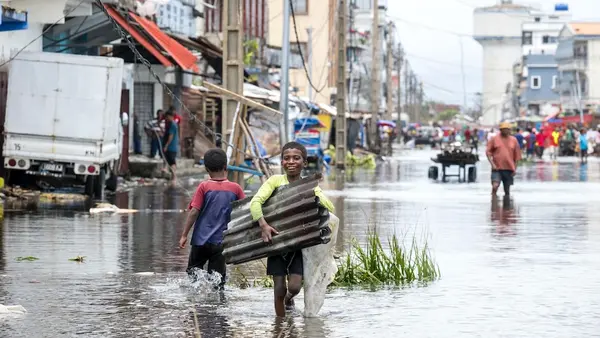
Severe flooding in the central region in 2024 led to a cholera outbreak and a surge in cases of acute watery diarrhea among children. The 2025 quake and its many aftershocks — the nation's deadliest seismic activity in decades — killed thousands and flattened entire communities, leaving others isolated and without power, food, water, shelter or basic health care.
Myanmar is also home to stateless Rohingya communities who face severe restrictions on rights, movement and access to basic services. Many Rohingya refugees from Myanmar remain displaced across the region, including in Bangladesh, where children continue to rely on humanitarian assistance for protection and essential services.
Related: How UNICEF is supporting Rohingya refugees in Bangladesh
Vulnerable children in Myanmar need health care, education
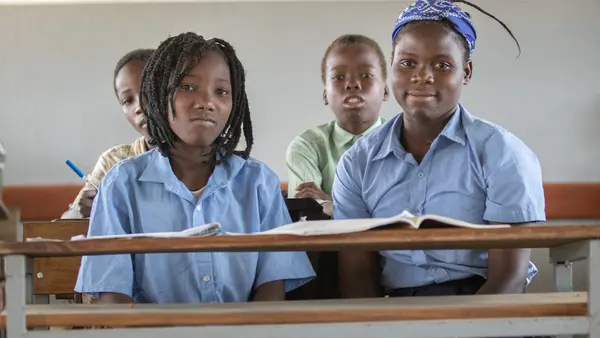
Due to these multiple and overlapping crises, millions of children in Myanmar have been missing out on their right to an education. Millions of children in Myanmar have limited or no access to safe, continuous learning.
Teacher shortages, insecurity and damaged infrastructure have severely strained education systems across the country. Many schools are still used as military bases by combatants, others lost to earthquake or flood damage.
Gaps in routine immunization have increased children’s vulnerability to preventable diseases. The nation's measles immunization rate has fallen, increasing risks of an outbreak.
Related: Measles cases soar globally in 2025
How UNICEF is helping children in Myanmar
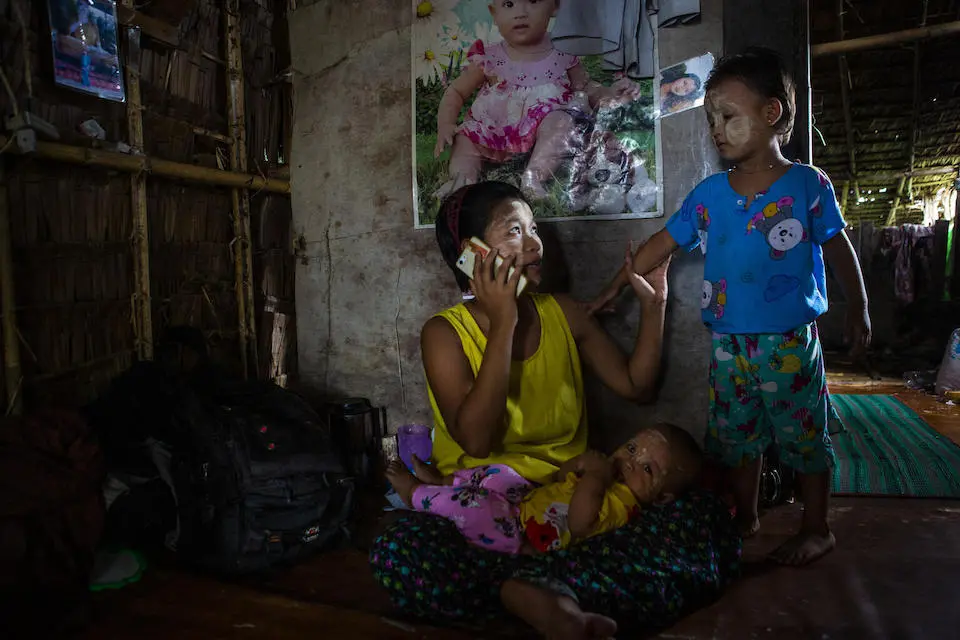
The delivery of humanitarian assistance inside Myanmar is constrained by restrictions on the movement of supplies and aid workers attempting to deliver them. Still, working with community partners, UNICEF continues to reach children and families in need with a range of health, nutrition and other services and support.
Priorities for UNICEF's ongoing mission in Myanmar include:
- helping to strengthen the delivery of primary health care services through fixed and mobile health clinics
- training public health workers in immunization practices and vaccine management, providing cold chain equipment and working with national health officials to improve child immunization rates
- improving access to safe water, sanitation and hygiene for displaced families living in temporary and long-term sites
- reaching children suffering from severe acute malnutrition with ready-to-use therapeutic Food (RUTF)
- helping to prevent malnutrition in children by providing micronutrients and vitamin A supplements and counseling on best infant and young child feeding practices
- establishing fixed and mobile child-friendly spaces where children can receive mental health and psychosocial support, and where UNICEF team members can screen and identify of children in need of protection and other services
- providing emergency interventions to adolescent survivors of sexual violence and life skills training
- supporting local child protection teams working at the village level
UNICEF is also a partner in emergency response when disaster strikes. Earthquake relief efforts following the March 2025 quake included the swift delivery of safe water, sanitation and hygiene supplies, emergency medical kits and nutrition supplies from pre-positioned stocks and setting up mobile clinics to provide first aid and essential health care.
Emergency responders also worked to identify separated and unaccompanied children and support family tracing and reunification, while creating child-friendly safe spaces and otherwise mitigating health and protection risks. Girls are especially vulnerable when staying in overcrowded shelters without adequate privacy.
In partnership with six local organizations, UNICEF also scaled up multi-purpose cash assistance to vulnerable households in the worst affected areas of Mandalay, Sagaing, Nay Pyi Taw and southern Shan, particularly families with children and persons with disabilities.
Related: Focusing on Children with the Greatest Needs — Wherever They Are
Prioritizing education for children
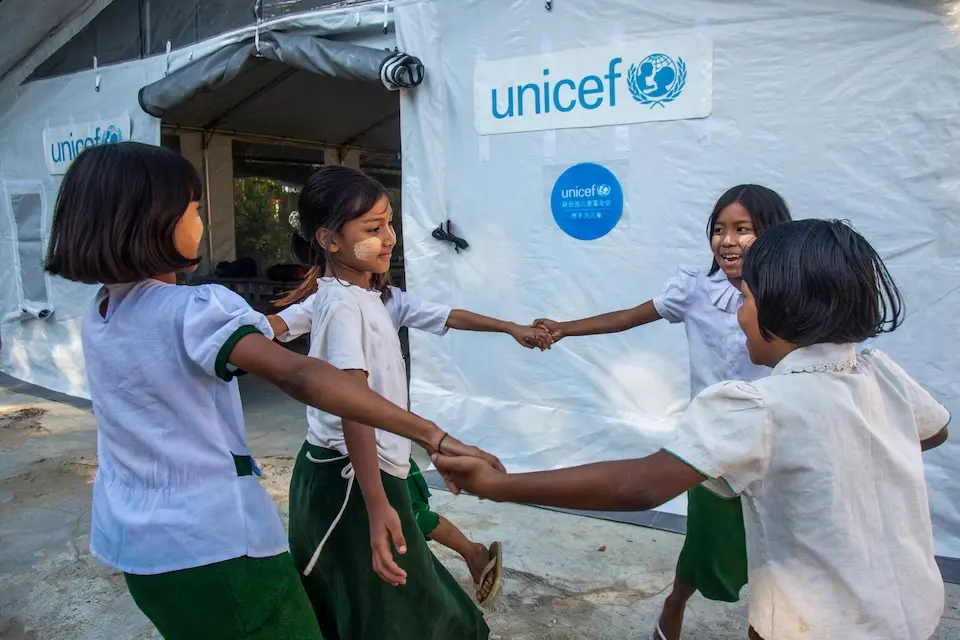
In education, UNICEF is able to help kids keep learning even when schools are closed by training community facilitators to be teachers, and distributing story books and other learning materials. UNICEF also helps upgrade libraries and other community facilities to create safe learning spaces.
Home-based learning is also supported. Hundreds of thousands of children have been reached with these interventions. And UNICEF works with local partners to provide early learning materials in more than 100 ethnic languages and cultures, providing tablets, laptops and digital literacy trainings.
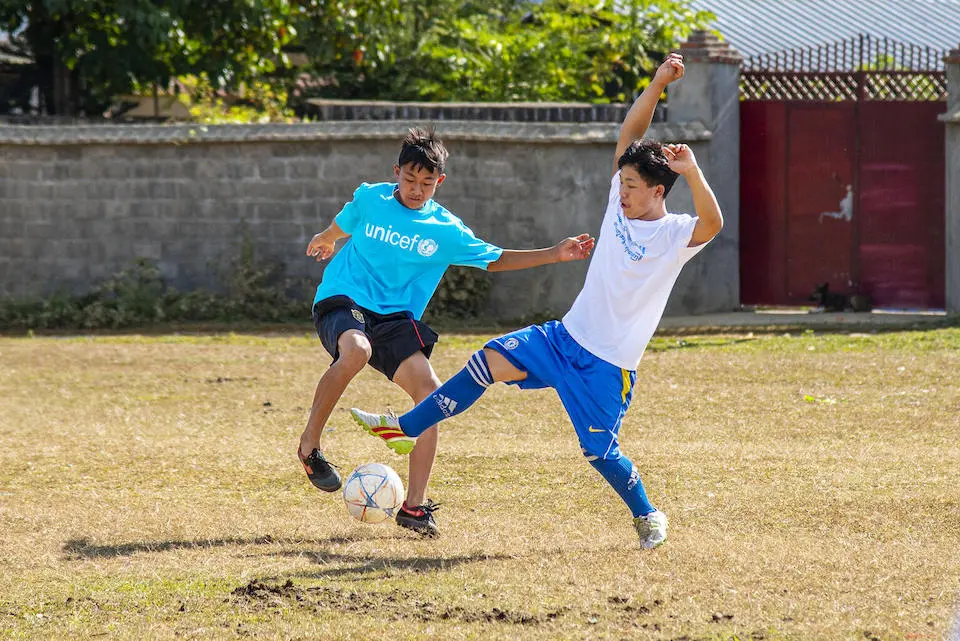
UNICEF works in over 190 countries and territories to help children get educated, stay healthy, protected and respected, and responds to hundreds of emergencies every year. With your support, we can reach even more children whenever and wherever they need help.