What Works: Preventing FGM
What works to prevent female genital mutilation? UNICEF Innocenti – Global Office of Research and Foresight examines the evidence to identify successful strategies.
FGM is a cruel and unnecessary practice — and a human rights violation
Female genital mutilation (FGM) — the partial or total removal of the external female genitalia, or other injury to female genitals for non-medical reasons — is an excruciatingly painful procedure that involves life-threatening health risks and long-term physical and psychological complications. It's also internationally recognized as a violation of fundamental human rights, including the right to health, life, physical and mental integrity and freedom from violence.
The latest UNICEF data assessing progress on FGM exposes a stark reality — over 230 million women and girls worldwide have been subjected to FGM, with the highest prevalence in Africa, followed by Asia and the Middle East.
Evidence-based FGM prevention and response strategies must guide policies and programs
While strides have been made in collective action towards combatting FGM, the global pace of progress must be accelerated to meet the UN Sustainable Development Goal of eliminating the practice by 2030. To build on this momentum, evidence-based prevention and response strategies must guide policies and programs.
The evolving evidence base on FGM provides more insight than ever into strategies that are effective or show promise in addressing FGM. Translating this knowledge into action is essential for ending FGM.
Learn more: Stepping Up the Pace to End Female Genital Mutilation
Community awareness activities challenge harmful gender and social norms
Community mobilization and awareness including engaging religious and community leaders fosters collective reflection and challenges deeply ingrained norms that sustain FGM. Community dialogues and education raise awareness about the risks of FGM and help mobilize communities to question traditional beliefs and shift attitudes, thereby contributing to changing behaviors.
Programs integrating human rights education reinforce this process. Well-designed media interventions that actively engage communities to reshape perceptions and drive social change have been found to facilitate active community engagement and social change to promote the abandonment of the practice among communities.
Read the full report: Accelerating action towards FGM elimination: Lessons on evidence from effective interventions
Improving access to education protects girls — and their future children
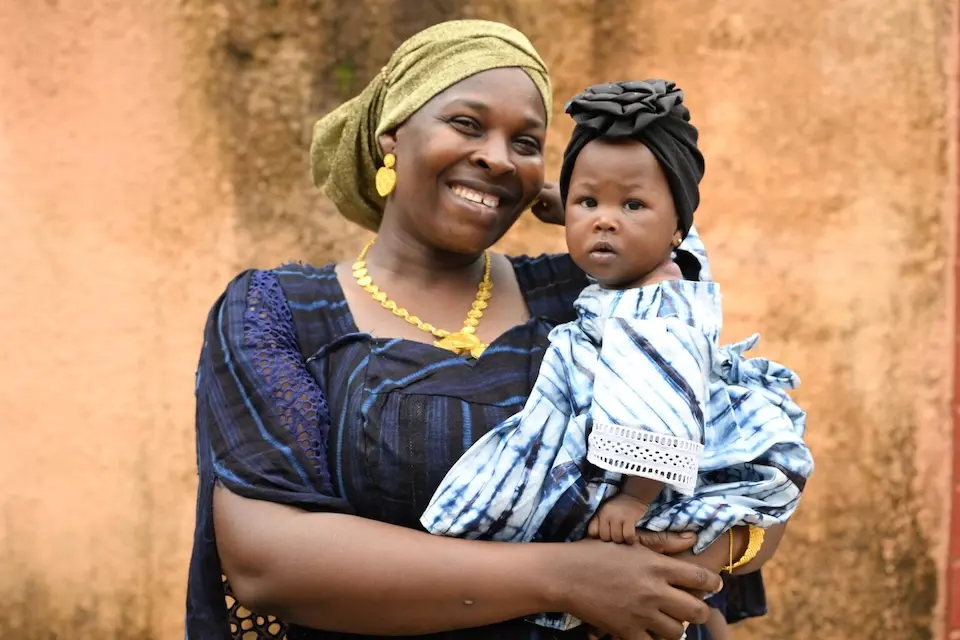
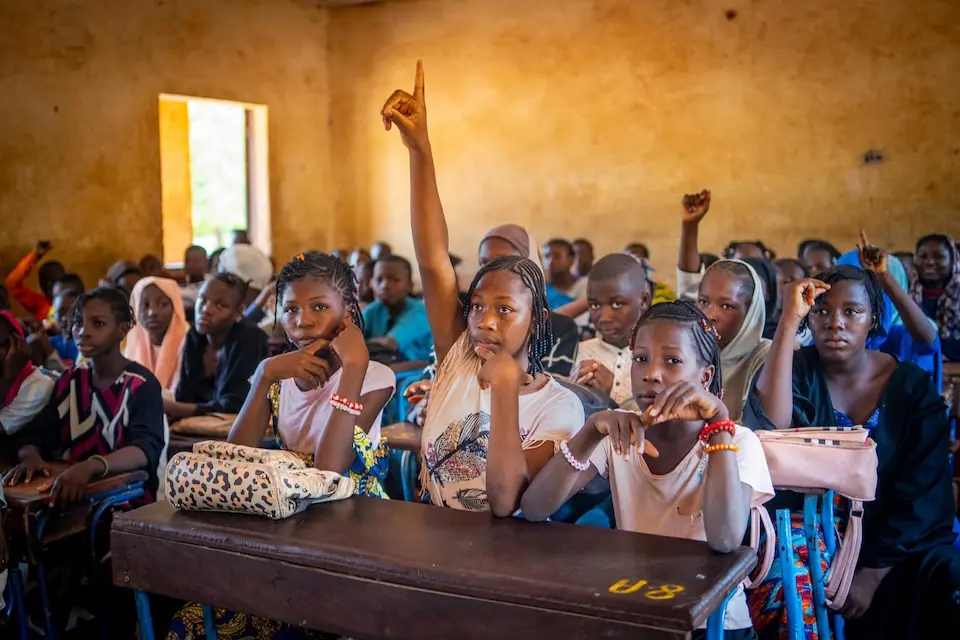
Advancing girls’ education and recognizing their agency both play a crucial role in addressing FGM across generations. Evidence shows that girls whose mothers have a primary education are 40 percent less likely to undergo FGM compared to those whose mothers have no education. Education exposes individuals to new ideas, perspectives and social networks that can challenge traditional beliefs and justifications for the practice.
School-based programs on life skills and reproductive health and rights can equip girls with the knowledge and confidence to make informed choices about their bodies. Additionally, education fosters greater economic independence, reducing reliance on harmful traditional practices that are often tied to marriageability and financial security.
Training health care providers to support girls is a crucial component of FGM response strategy
Training health care providers to enhance their knowledge and skills in managing FGM-related complications is essential. Strengthening their capacity to assess and manage FGM cases enables them to become effective advocates for its elimination. Moreover, providing medical care and psychological support to girls who have been harmed and traumatized by FGM is a crucial component of the response strategy.
Engaging adolescents and young people as change agents in the fight against FGM
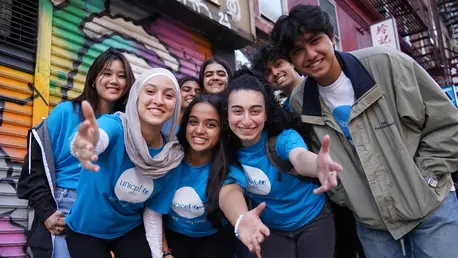
"The engagement of adolescents and young people — boys and girls — as change agents is crucial to ensuring that no one is left behind, especially in the fight to end female genital mutilation," says Bo Viktor Nylund, Director, UNICEF Innocenti – Global Office of Research and Foresight.
To build a world free from FGM, where every child thrives, we must elevate youth voices — not just as participants, but as co-creators of the future. — Bo Viktor Nylund, Director, UNICEF Innocenti – Global Office of Research and Foresight
"To build a world free from FGM, where every child thrives, we must elevate youth voices — not just as participants, but as co-creators of the future," Nylund says. "Around the world, young activists are leading the way, rejecting harmful traditions, educating their communities and driving change. Their resilience, creativity and determination are shaping a more just and equitable future. By dismantling the belief systems that allow FGM to persist, young people are building a better world for themselves and for generations to come."
Right now, the lives of the most vulnerable children hang in the balance as conflicts and crises jeopardize the care and protection that they deserve. Dependable, uninterrupted and effective foreign aid is critical to the well-being of millions of children. Please contact your members of Congress and urge them to support ongoing U.S. investments in foreign assistance.
This story is adapted from unicef.org
HOW TO HELP
There are many ways to make a difference
War, famine, poverty, natural disasters — threats to the world's children keep coming. But UNICEF won't stop working to keep children healthy and safe.
UNICEF works in over 190 countries and territories — more places than any other children's organization. UNICEF has the world's largest humanitarian warehouse and, when disaster strikes, can get supplies almost anywhere within 72 hours. Constantly innovating, always advocating for a better world for children, UNICEF works to ensure that every child can grow up healthy, educated, protected and respected.
Would you like to help give all children the opportunity to reach their full potential? There are many ways to get involved.