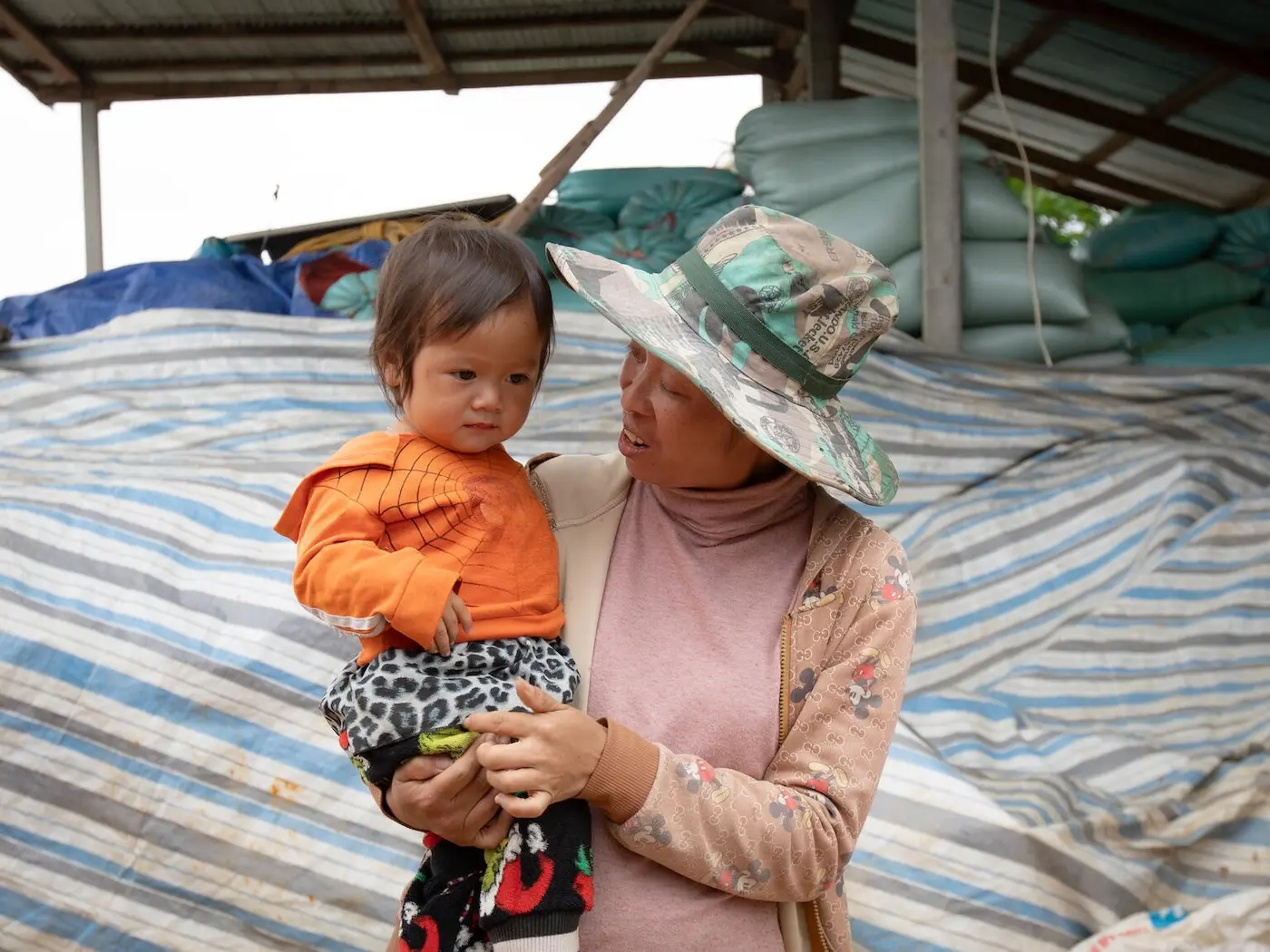
Parenting Month: A Global Celebration of Parents and Caregivers
Caregivers, who play a central role in children’s lives and healthy development, need support too. During Parenting Month in June and throughout the year, UNICEF shares trusted parenting guidance and resources, promotes positive caregiving and works with partners worldwide to strengthen services and policies that help children and caregivers thrive. Learn more.
Recognizing the caregiver's central role in every child's life
The month of June is recognized globally as Parenting Month. Alongside other organizations and individuals around the world, UNICEF celebrates Parenting Month by highlighting the vital role parents and caregivers play in children's lives and reinforcing that when caregivers are supported, children and families are more likely to thrive.
Guidance for caregivers: UNICEF USA's Parenting Resources
Why Parenting Month matters around the world
While every parent’s experience is unique, all families benefit from support for caregivers. Strong caregiving contributes directly to healthier, safer childhoods. With essential access to reliable parenting resources and guidance, caregivers can be their best selves, allowing them to fully care for and shape their children.
UNICEF works globally to strengthen outcomes for children; that work often includes supporting parents and caregivers.
Parenting today and the need for trusted support
Being a parent today is more challenging than ever before. Thanks to the internet and social media, multitudes of advice has never been easier to access — or more overwhelming. Online parenting tips often share conflicting suggestions, depending on where you look and the search terms you include.
Caregivers at every stage of the parenting journey need to know where they can turn for tried-and-true parenting tips. This is especially critical during early childhood development, as the foundation is set during a child’s younger years that will impact the rest of their life.
UNICEF works to be a trusted source of support for parents around the world, during early childhood and beyond.
Rethinking what good parenting really means
“Good parenting” can mean different things to different people. There is no single way to be a good parent, and that fact alone can be incredibly challenging.
Many parents and caregivers experience stress and uncertainty around their parenting. Am I doing a good job? Is my child going to be okay? Often competing responsibilities get in the way. It can be very difficult to balance parenting with work, household responsibilities and taking care of your own health — physical, emotional and mental.
Reaching out for help — from a trusted online resource like UNICEF, friends, family or a therapist — is part of strong caregiving. The old adage “it takes a village” to raise children rings as true today as it always has. Community and accessible resources are vital for all parents and caregivers around the world to ensure that every child and every caregiver’s well-being is tended to.
Learn more: How to support your child's mental health
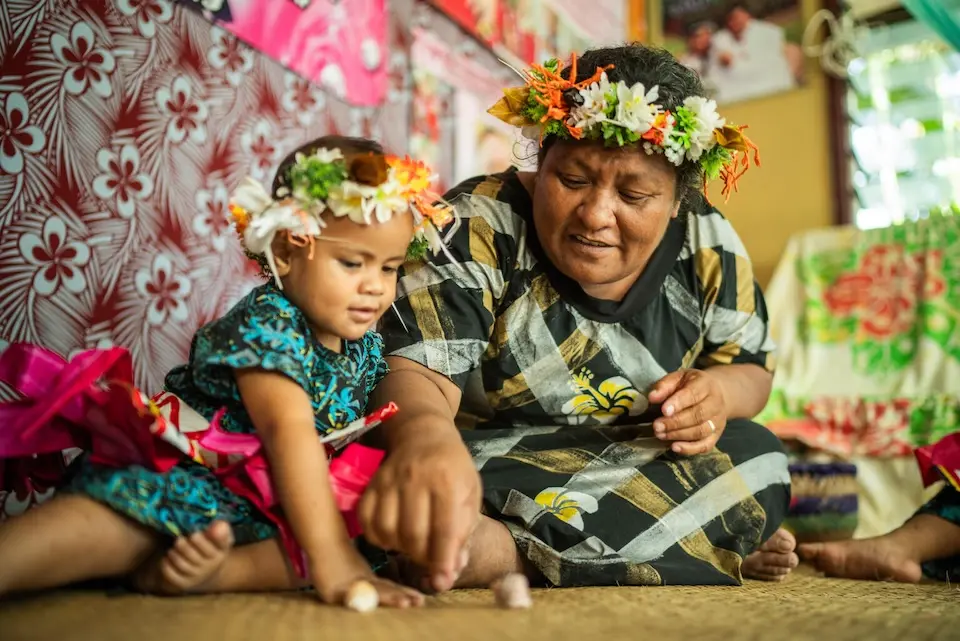
Everyday actions that help children thrive
Caregiving is shaped by consistent, everyday interactions with your children. Here are a few simple parenting tips:
- Encourage play, creativity and learning
- Make family dinners routine, and offer a variety of healthy options
- Prioritize good sleep hygiene, implementing and sticking to a nighttime routine
- Set boundaries to keep your kids safe online and in the real world
- Keep lines of communication open; don't just talk to kids, but actively listen to them
- Model good behavior by taking care of your own needs
These actions create the foundation for excellent long-term development for your children. Keep in mind that perfection is a myth, especially when it comes to parenting. Progress is far more important.
How UNICEF supports parents and caregivers worldwide
UNICEF's ongoing efforts to strengthen families and communities around the world often starts with supporting parents and caregivers. Access to essential services like vaccines, safe water and sanitation, nutrition support and maternal and newborn care directly supports caregiving.
In emergency or humanitarian settings, UNICEF establishes safe hubs to provide immediate counseling and referrals to essential services to displaced or traumatized families. UNICEF also collaborates with governments and businesses to push for structural changes that benefit caregivers and children alike. This includes advocating for paid parental leave, support for breastfeeding mothers and affordable, high-quality child care.
Recognizing that a caregiver's mental well-being directly impacts a child's development, UNICEF and partners developed Caring for the Caregiver. This program trains frontline workers to help parents manage stress and build emotional resilience. UNICEF also trains health and social workers around the world to guide families on positive play, sensitive communication and nurturing care.
UNICEF provides millions of parents with actionable, age-appropriate advice through multilingual digital and print content covering everything from early childhood development to adolescent well-being. One example is UNICEF USA’s science-backed parenting guidance filled with trusted information.
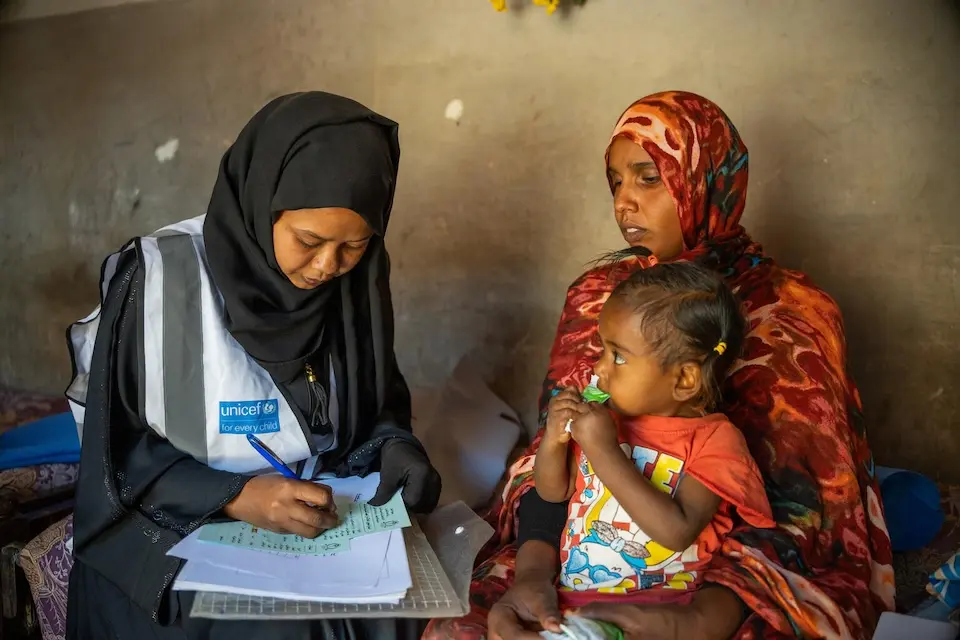
Take action during Parenting Month
Parenting Month each June is a time to recognize and support caregivers. Here are a few ways you can help:
- donate to programs supporting children and families, including UNICEF's
- advocate for children’s rights where you live and around the world
- share reliable parenting and caregiving guidance with others
Collective action is essential for strengthening support systems for parents and caregivers globally.
Learn more about UNICEF
Frequently asked questions about Parenting Month
What is Parenting Month?
Parenting Month is a global observance in June that recognizes caregivers and highlights the importance of supporting families.
What are some essential parenting tips?
Supporting a child's overall well-being requires good communication and consistency.
What does good parenting look like?
It varies by context but centers on care, safety and emotional support for all children.
How does UNICEF support parents?
UNICEF supports parents and caregivers by providing trusted sources of information and guidance and by improving access to essential services like health care, nutrition and safe water.
How can I support families during Parenting Month?
Support families in need worldwide by making a donation to UNICEF, supporting UNICEF's advocacy efforts on behalf of children and families and sharing UNICEF USA's parenting resources.
HOW TO HELP
There are many ways to make a difference
War, famine, poverty, natural disasters — threats to the world's children keep coming. But UNICEF won't stop working to keep children healthy and safe.
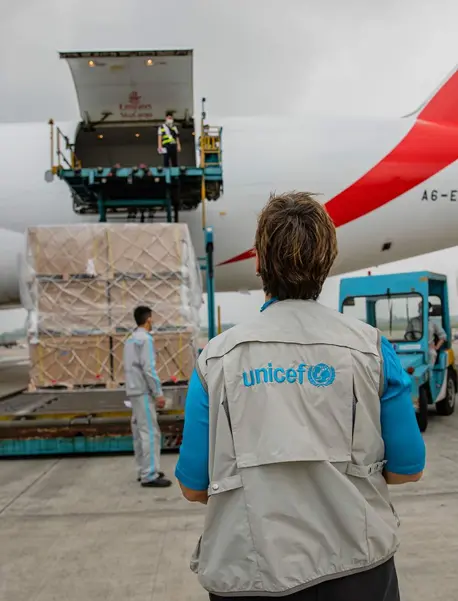
UNICEF works in over 190 countries and territories — more places than any other children's organization. UNICEF has the world's largest humanitarian warehouse and, when disaster strikes, can get supplies almost anywhere within 72 hours. Constantly innovating, always advocating for a better world for children, UNICEF works to ensure that every child can grow up healthy, educated, protected and respected.
Would you like to help give all children the opportunity to reach their full potential? There are many ways to get involved.