National Parents Day: Recognizing Key Role of Caregivers in Helping Children Thrive
All children need love, care and stability to feel safe and supported. Loving caregivers help children develop the confidence, security and relationships that shape healthy development. National Parents Day provides a moment to honor caregivers of all kinds — from parents and grandparents to older siblings and extended relatives, foster parents and fellow community members. Learn more about how to turn gratitude into action for children and families around the world.
When is Parents Day?
Observed each year on the fourth Sunday in July, National Parents Day 2026 falls on Sunday, July 26. Parents Day is a national observance that was established by the United States Congress by bipartisan resolution in 1994 to recognize, uplift and support the pivotal role parents and caregivers play in the rearing and development of children.
Unlike federal holidays, National Parents Day is a day of observance in the U.S. and not generally recognized as a paid day off.
The UN recognizes Global Day of Parents on June 1st, the start of Parenting Month.
Check out UNICEF USA's Resource Hub for Parents
The love that helps children grow
Parental love comes in everyday moments — feeding, comforting, creating routines, teaching and protecting. This caregiving is what shapes how children learn, connect, trust and develop.
Responsive caregiving lays a solid foundation for every child’s growth and development. Having a solid support system and trusted parenting resources is essential.
For families in crisis, love deserves support
Parents and caregivers across the globe want their children to be safe, healthy and feel hopeful about the future. Yet many families face challenges beyond their control: conflict, poverty, displacement, hunger, unsafe water, limited health care, climate-related disasters and more.
Practical support can help parents and caregivers build resilience in the face of these and other obstacles. UNICEF works with partners to help caregivers provide what children need to survive and thrive.
Learn more about how UNICEF supports parents and caregivers worldwide
How UNICEF supports parents, caregivers and children
Supporting children often means strengthening the people, services and systems around them. Here are a few examples of the practical support UNICEF provides to families worldwide.
Safe water helps families stay healthy
Safe water helps protect children from disease and supports better hygiene, health and stability. UNICEF reaches tens of millions of children every year with critical water, sanitation and hygiene support, helping to lessen the burden on caregivers and open up more opportunities for children to spend time learning and growing.
Nutrition support helps children recover and thrive
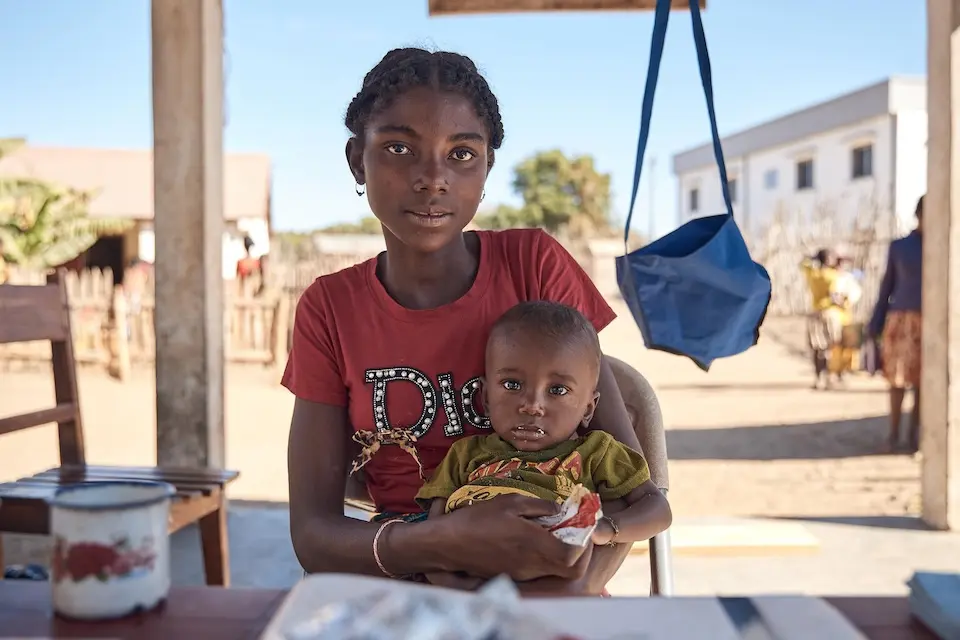
Malnutrition can threaten a child’s development and survival. UNICEF provides nutrition services to hundreds of millions of children, adolescents and caregivers each year to prevent, detect and treat malnutrition in all its forms.
Health care and vaccines help protect children
Reliable health systems and access to vaccines help parents and caregivers protect children from preventable illness. As the world's largest single vaccine buyer, UNICEF procures enough vaccines to vaccinate almost half of the world's children under age 5.
For non-communicable diseases — those that can’t be passed from person to person, but instead arise from behavioral, environmental, genetic and physiological risk factors — UNICEF works to reduce risks and strengthen prevention and treatment.
Early childhood support helps children build strong foundations
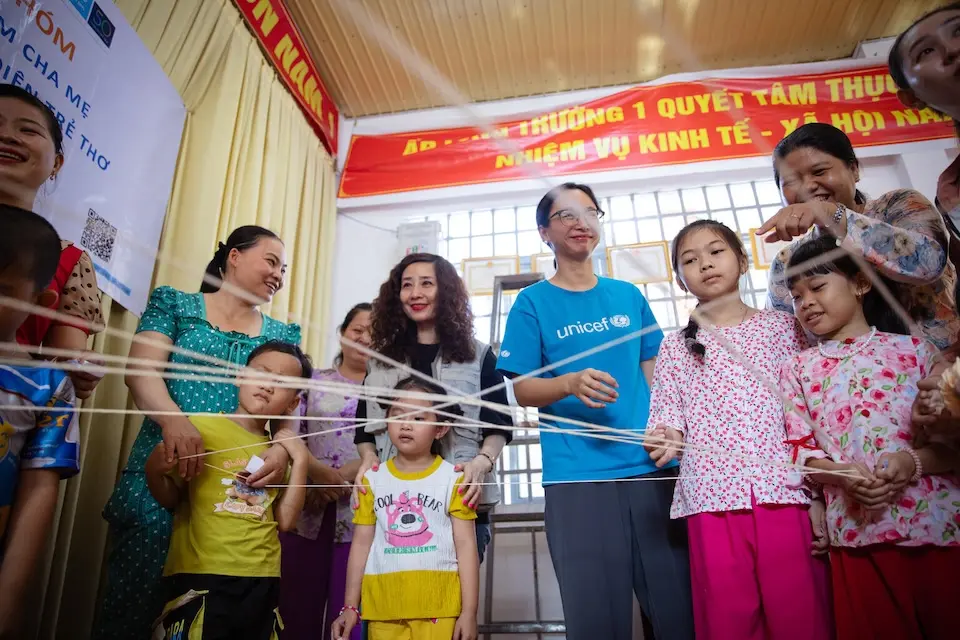
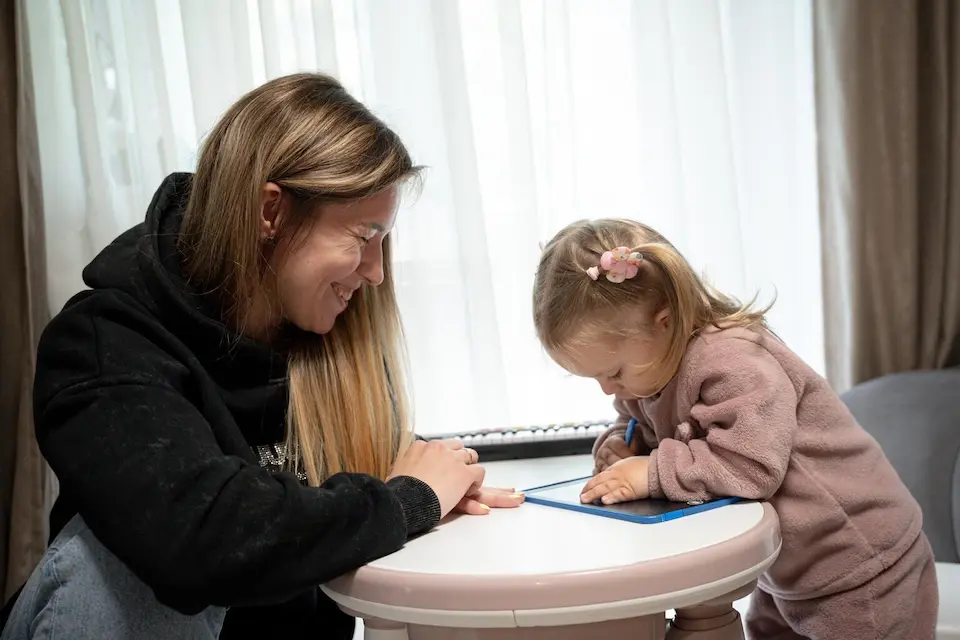
The first three years of a child’s life lay the foundation for their future well-being. Responsive caregiving — interactions with loving parents and caregivers that include talking, singing and playing — helps build secure relationships and is crucial for social, emotional and cognitive development. UNICEF provides parents and caregivers with resources and services to support early childhood development during this critical stage.
Protection services help keep children safe
Many children, especially those experiencing conflict, displacement, natural disasters and other emergencies, face the risk of violence and abuse. UNICEF works with families and caregivers to protect children — providing safe spaces, psychosocial support and family tracing and reunification services and also strengthening violence prevention and response.
Meaningful ways to honor parents and caregivers
Adults and children alike can honor parents and caregivers through kindness, gratitude and actions that help other children and their caregivers around the world.
Spending intentional time together, sharing a specific memory, writing personal notes of thanks — these are all meaningful gestures that can help show appreciation.
National Parents Day is also an opportunity to recognize caregivers besides parents — the grandparents, foster parents and community caregivers — and to learn about families who are caring for children through crisis.
Make a gift or donation to UNICEF in honor of a parent or caregiver and help support children globally
Turn gratitude into action for families worldwide
National Parents Day honors the people who provide the love that children need to grow, develop and thrive.
Parents and caregivers around the world share the same hopes for their children, no matter where they live or the circumstances that surround them. They want their children to have safety, health, learning and the opportunity to build a better future.
UNICEF helps families access essential services that support children’s survival and development. Honor caregivers by providing financial support for the programs that help children around the world.
Frequently asked questions
What is Parents Day?
Parents Day is a national observance honoring the role parents and caregivers play in helping children grow, feel safe and thrive.
When is Parents Day?
National Parents Day is observed on the fourth Sunday in July each year. National Parents Day 2026 falls on Sunday, July 26, 2026.
Why is parenting important?
Responsive care helps shape children’s emotional, social and cognitive development, especially in the earliest years.
How can I honor my parents in a meaningful way?
Express your gratitude by sharing a thoughtful memory or note, spending time together or making a gift that helps children and their caregivers in need around the world.
What parenting resources are available for parents and caregivers?
UNICEF USA’s parenting resources offer practical guidance to help parents and caregivers support children’s health, learning, emotional well-being and development. Every caregiver deserves support as they help children feel safe, loved and ready to grow.
HOW TO HELP
There are many ways to make a difference
War, famine, poverty, natural disasters — threats to the world's children keep coming. But UNICEF won't stop working to keep children healthy and safe.
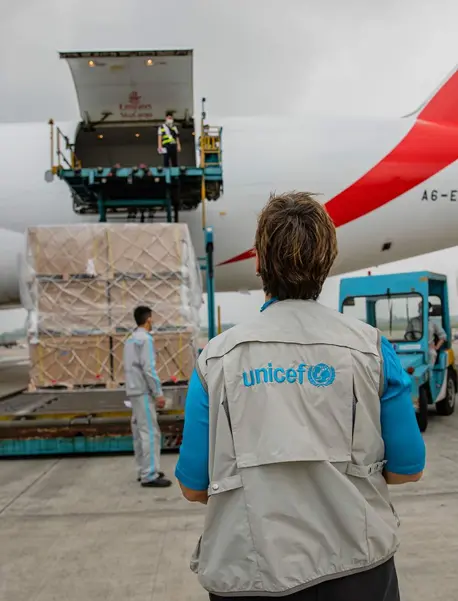
UNICEF works in over 190 countries and territories — more places than any other children's organization. UNICEF has the world's largest humanitarian warehouse and, when disaster strikes, can get supplies almost anywhere within 72 hours. Constantly innovating, always advocating for a better world for children, UNICEF works to ensure that every child can grow up healthy, educated, protected and respected.
Would you like to help give all children the opportunity to reach their full potential? There are many ways to get involved.