World Mental Health Day 2026: Supporting Children's Mental Health Worldwide
Highlights
- World Mental Health Day 2026 is observed annually on Oct. 10. The 2026 theme — "Lived experiences heard" — reflects UNICEF's push to let young people's voices guide action.
- Mental health shapes every part of a child's development, yet remains one of the most underfunded areas of global development.
- In emergencies, UNICEF builds mental health and psychosocial support into every response, reaching tens of millions of children and caregivers each year.
- UNICEF also works to integrate mental health support into health care, schools and other community systems.
- UNICEF USA's Parenting Resources hub includes guidance for caregivers for supporting their own children's mental health.
The purpose of World Mental Health Day, observed every year on Oct. 10, is to highlight mental health as a global issue and mobilize support for improved mental health care for everybody. For UNICEF, it is an opportunity to showcase solutions focused on children and adolescents — and advocate for action that keeps youth front and center.
Oct. 10 is World Mental Health Day
World Mental Health Day was created in 1992 by the World Federation for Mental Health, a global organization with members in 150 countries. The annual observance on Oct. 10 is an opportunity to shine a light on mental health challenges affecting people around the world, reduce social stigma associated with mental illness and mobilize support for improved mental health services.
The theme for 2026 World Mental Health Day — "Lived experiences heard: real voices, real change" — emphasizes something UNICEF advocates for all year long: the need to meaningfully engage with those who are living with mental health conditions and to recognize that lived experience as vital expertise.
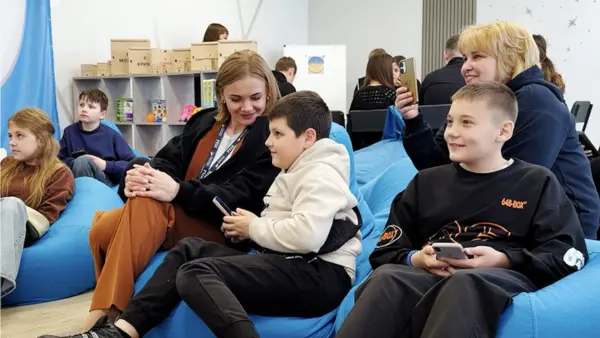
For UNICEF and partners, that means listening to children and young people when they talk about their mental health and letting their voices and perspectives guide responsive action.
Related: Mental Health Awareness Month: Spotlight on a Global Crisis
What affects a child's mental health — and why it matters
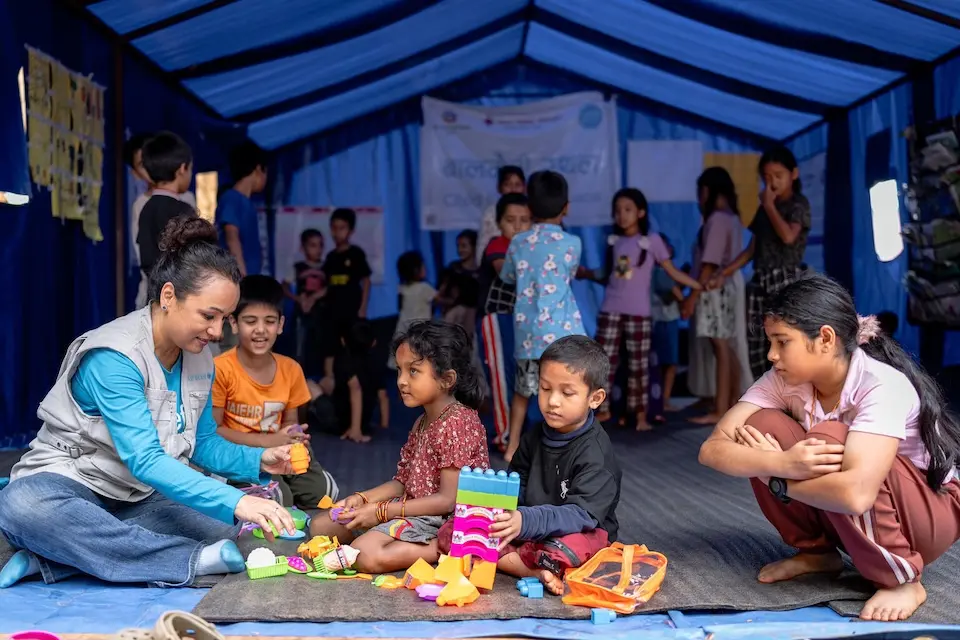
Mental health in children is an essential part of their overall health, development, learning, relationships and the ability to thrive. Mental health challenges can stem from a variety of factors, from everyday pressures at school and in family and social environments to difficult living conditions such as poverty or exposure to violence. Stigma and lack of accessible services can prevent children and families from getting support.
Mental health remains one of the most underfunded areas of global development — even as needs continue to grow as more and more children and families worldwide face conflict, displacement, and climate-driven disasters.
UNICEF works to make sure mental health support reaches every child — and not just in times of crisis. UNICEF focuses on expanding access — not as a stand-alone service, but as part of the health care, education and other community systems families already rely on every day. With UNICEF's support, 46 countries had integrated mental health and psychosocial support into primary health-care systems by the end of 2025.
UNICEF's mental health advocacy asks governments and media to break down stigma, noting that misconceptions prevent children from seeking support.
Learn more: Mental Health for Every Child
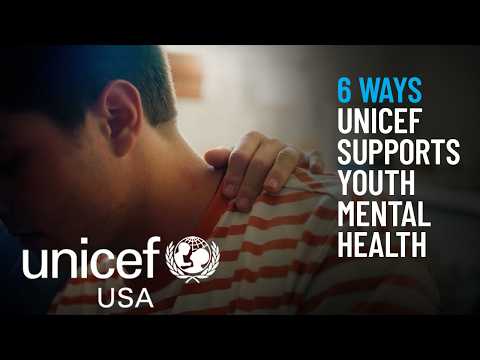
How UNICEF supports children's and youth mental health
The mental health and well-being of children and adolescents has always been a top priority for UNICEF, right up there with supporting and improving children's physical health and access to education and protection.
Through global program work and advocacy, UNICEF focuses on building mental health and psychosocial support in classrooms, clinics and other community places children and their caregivers already turn to. The idea is to integrate mental health support and care into other social services and sectors, to ensure it remains widely and consistently available.
Learn more: 6 Ways UNICEF Supports Youth Mental Health
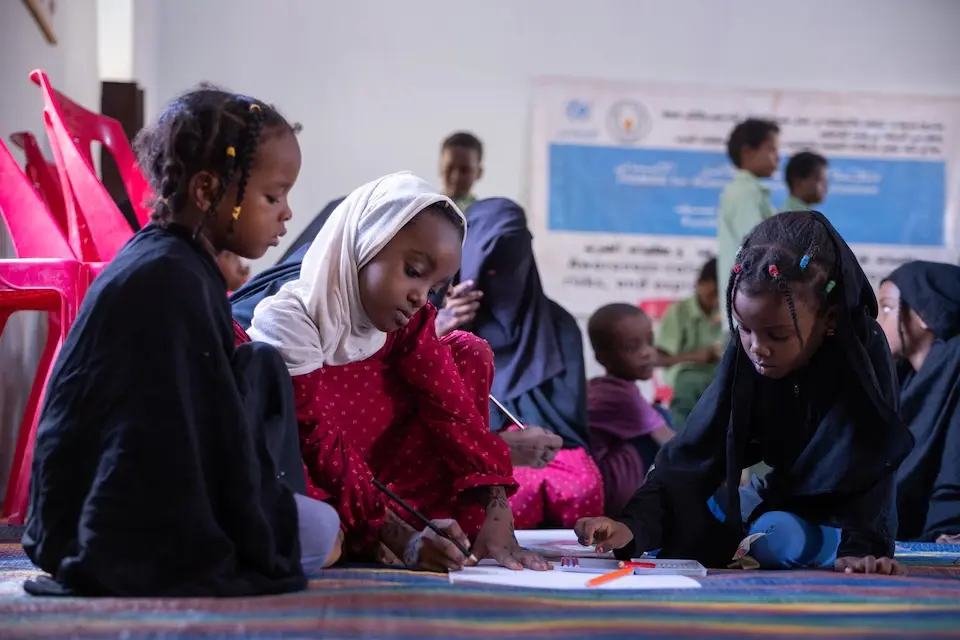
Supporting a child's mental health during humanitarian emergencies
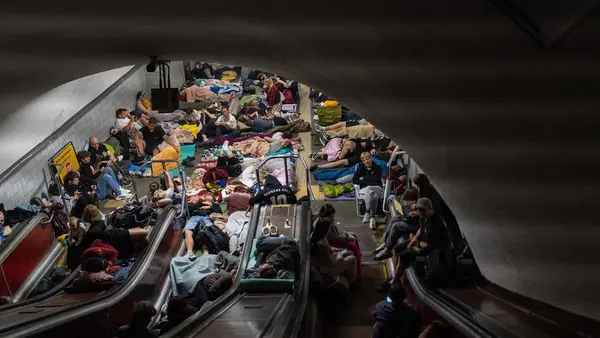
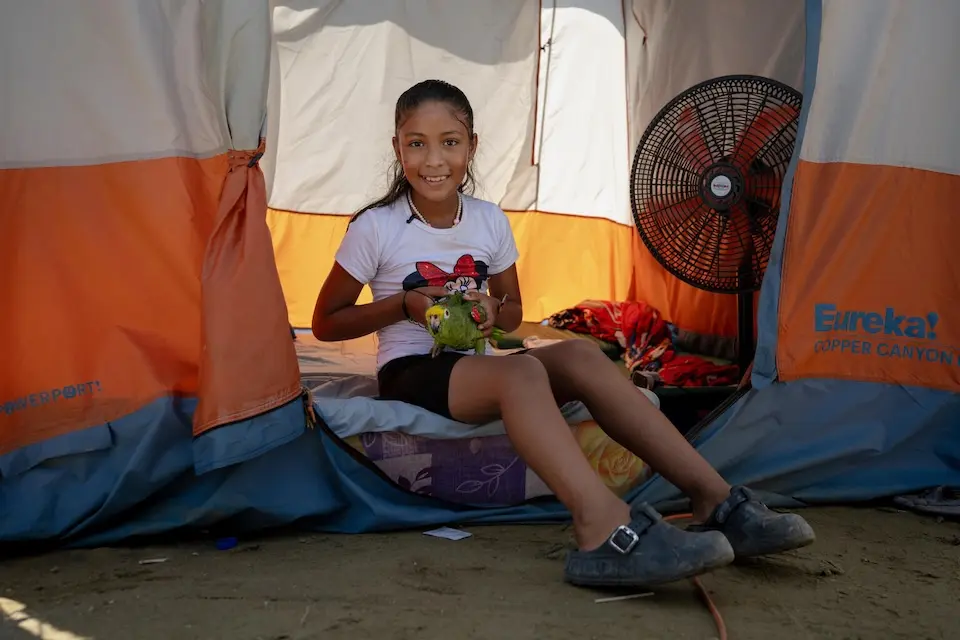
Conflict, displacement and disasters often fuel acute psychosocial needs for children and caregivers, which is why mental health and psychosocial support is closely integrated into every UNICEF emergency response.
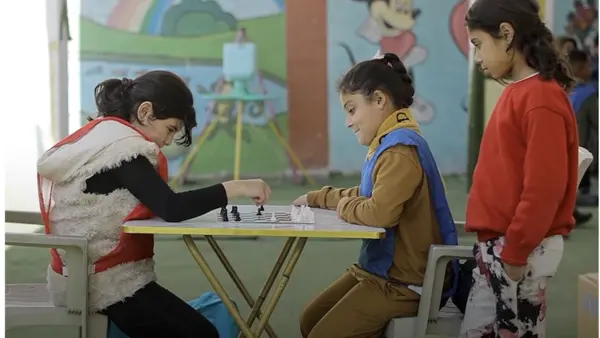
Combining community-based support, mobile teams and safe spaces, UNICEF reaches tens of millions of children and caregivers in crisis settings with mental health and psychosocial support services every year. Other emergency interventions — like delivering safe drinking water to families displaced by violence, and setting up temporary classrooms when storms force schools to shut down — serve as a form of psychosocial support.
Integrating mental health support across systems
UNICEF also works to help ensure kids outside of emergency situations are getting the mental health support they need — and want — taking a community-based, system-strengthening approach.
This involves working with partners to strengthen links across health care, education and child protection systems so there are clearer pathways for a child to move to more specialized care as needed. Efforts include training teachers, health care providers and other frontline workers to recognize children in need of mental health support and to act.
UNICEF's Adolescent Mental Health Hub focuses on preventative and promotive mental health, including early interventions and approaches that build resilience. Also on the prevention side: UNICEF-supported programs that promote positive parenting and nurturing caregiving.
Mobilizing investment, amplifying youth voices
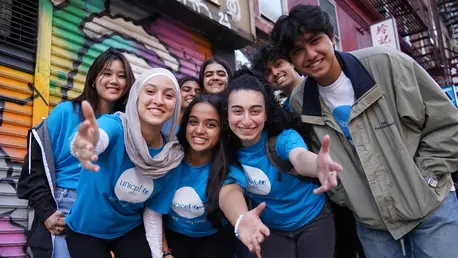
In its role as leader of the Global Youth Mental Health Coalition — the largest private-sector alliance committed to securing investment and action to support the mental health of all children and youth — UNICEF helps increase attention and galvanize resources behind mental health initiatives. To amplify youth voices — a major focus — UNICEF partners with youth advocates, creates youth advisory boards and convenes national summits where young people can share their experiences and recommendations directly with policymakers.
Related: Understanding Gen Z — a study of the mental health impacts of global challenges on the most digitally connected generation in history
Learn more about how UNICEF supports youth mental health around the world
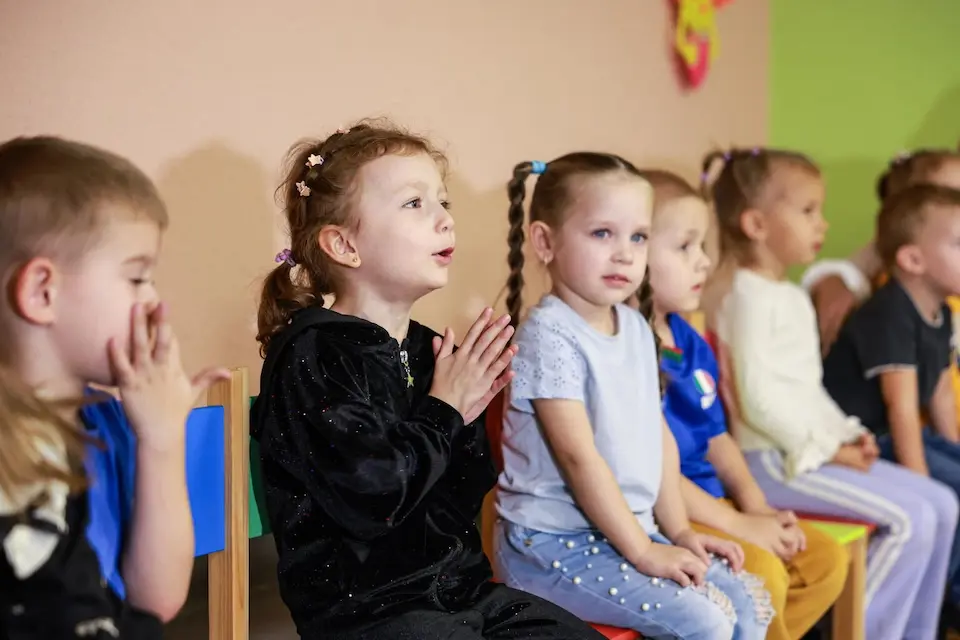
How parents and caregivers can support children's mental well-being
Adults can do a lot to support a child's mental well-being. UNICEF's guidance to parents and caregivers includes:
- practicing open communication
- establishing supportive routines
- knowing when to seek qualified professional help
Visit the UNICEF USA Parenting Resources hub to learn more about how to support your child's mental health and protecting your child's mental health at any age
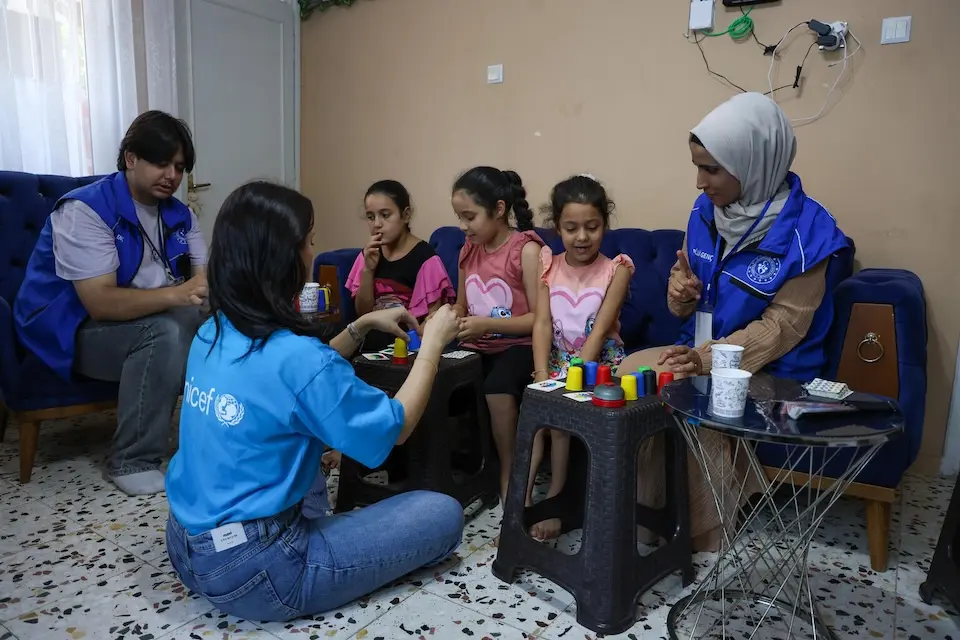
Frequently asked questions about World Mental Health Day
When is World Mental Health Day?
World Mental Health Day is observed every year on Oct. 10. In 2026, it falls on a Saturday.
What is World Mental Health Day?
World Mental Health Day is an annual observance dedicated to raising awareness of mental health and mobilizing support for it. For children and adolescents, it's a reminder that mental well-being matters just as much as physical health, and that every child deserves access to the care and support they need.
Why is mental health important for children?
Good mental health helps children grow, learn, build relationships and cope with life's ups and downs. When children feel emotionally secure, they're better equipped to thrive at school, connect with others and bounce back from hard times. Children need that support throughout childhood, not only in moments of crisis.
How can parents support a child's mental health?
Parents and caregivers have an important role to play. Listening without judgment, keeping conversations open and sticking to supportive routines help children feel safe and understood. If a child appears to be struggling for an extended period of time, it might be time to reach out to a doctor, school counselor or other trusted professional. For more ideas, see UNICEF USA's guide on How to Support Your Child's Mental Health. For more, check out the UNICEF USA Parenting Resources page.
HOW TO HELP
There are many ways to make a difference
War, famine, poverty, natural disasters — threats to the world's children keep coming. But UNICEF won't stop working to keep children healthy and safe.
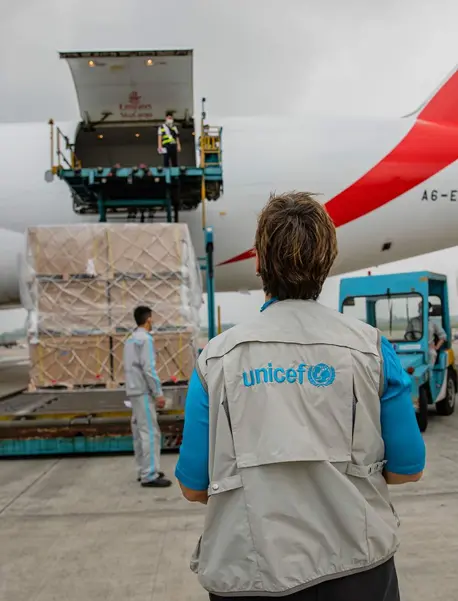
UNICEF works in over 190 countries and territories — more places than any other children's organization. UNICEF has the world's largest humanitarian warehouse and, when disaster strikes, can get supplies almost anywhere within 72 hours. Constantly innovating, always advocating for a better world for children, UNICEF works to ensure that every child can grow up healthy, educated, protected and respected.
Would you like to help give all children the opportunity to reach their full potential? There are many ways to get involved.