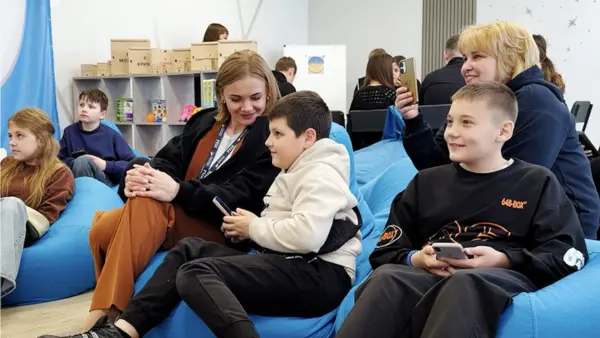
Mental Health Awareness Month: Spotlight on a Global Crisis
Mental health is a fundamental part to overall health and well-being. UNICEF works with partners to address acute mental health needs during crises and promote long-term mental well-being for children, adolescents and caregivers in communities worldwide. Recognizing the month of May as Mental Health Awareness Month helps destigmatize the issue and advance advocacy efforts.
May is Mental Health Awareness Month
Mental Health Awareness Month began in the United States in 1949. It has since become part of a broader movement aimed at elevating mental health awareness and advocacy. The observance is intended to reduce stigma, encourage open conversations and expand access to mental health care for all.
Learn how UNICEF supports children's mental health
Why mental health matters
Mental health pertains to emotional, social and psychological well-being. It is increasingly recognized as a fundamental part of overall health and well-being and a critical component of children’s rights.
Healthy mental well-being means that individuals are able to cope with life’s stresses, maintain relationships, learn, live and work while contributing to their families and communities.
Greater awareness, earlier support interventions and stronger systems of care are all important ways to improve individual mental health.
For parents and caregivers: How to support your child's mental health
Advocating for action to better support children’s mental health
As children continue to face increased existential threats in the midst of rising global conflict, climate change and other crises, their mental health suffers.
UNICEF works to provide psychosocial support and counseling during emergencies, as well as build up mental health resources that children can access throughout their childhoods.
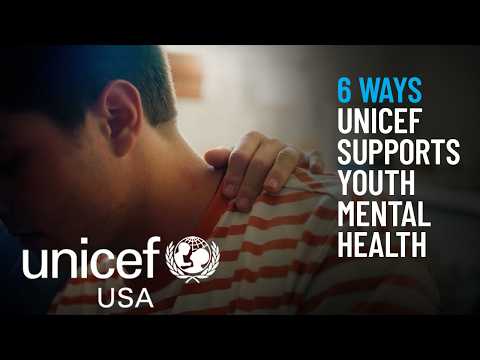
UNICEF supports mental health for children around the world by:
- supporting children affected by conflict and displacement
- expanding access to care in crisis settings
- strengthening community-based mental health systems
- fostering open dialogue around mental health concerns to destigmatize the topic
- supporting training programs for caregivers to help them better support children’s mental health
- advocating for increased government funding of mental health services and support
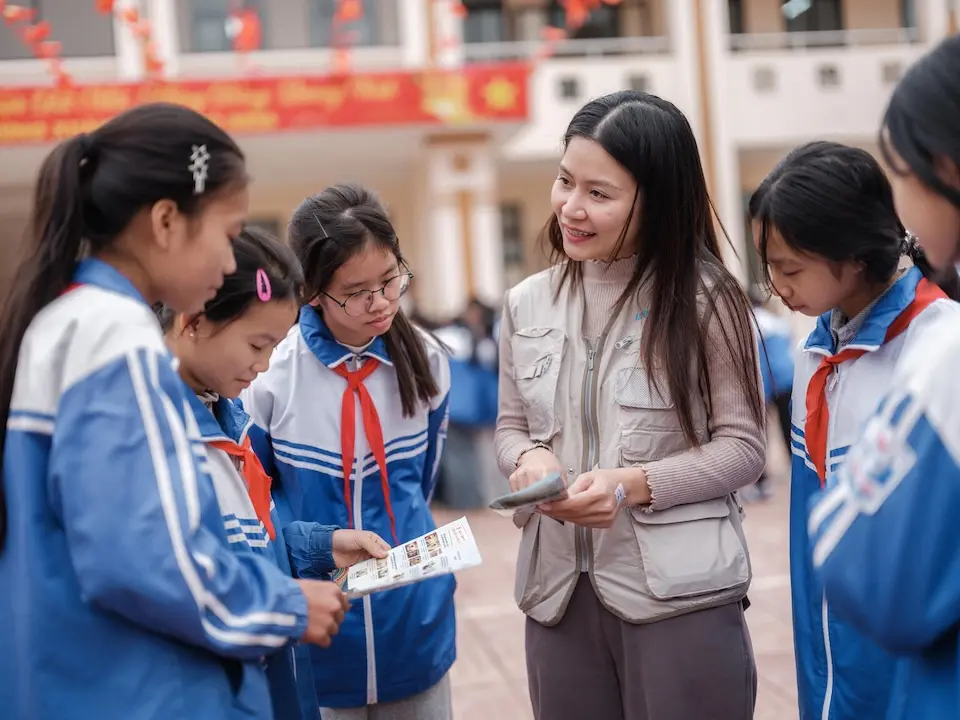
Why children are at the center of today’s mental health crisis
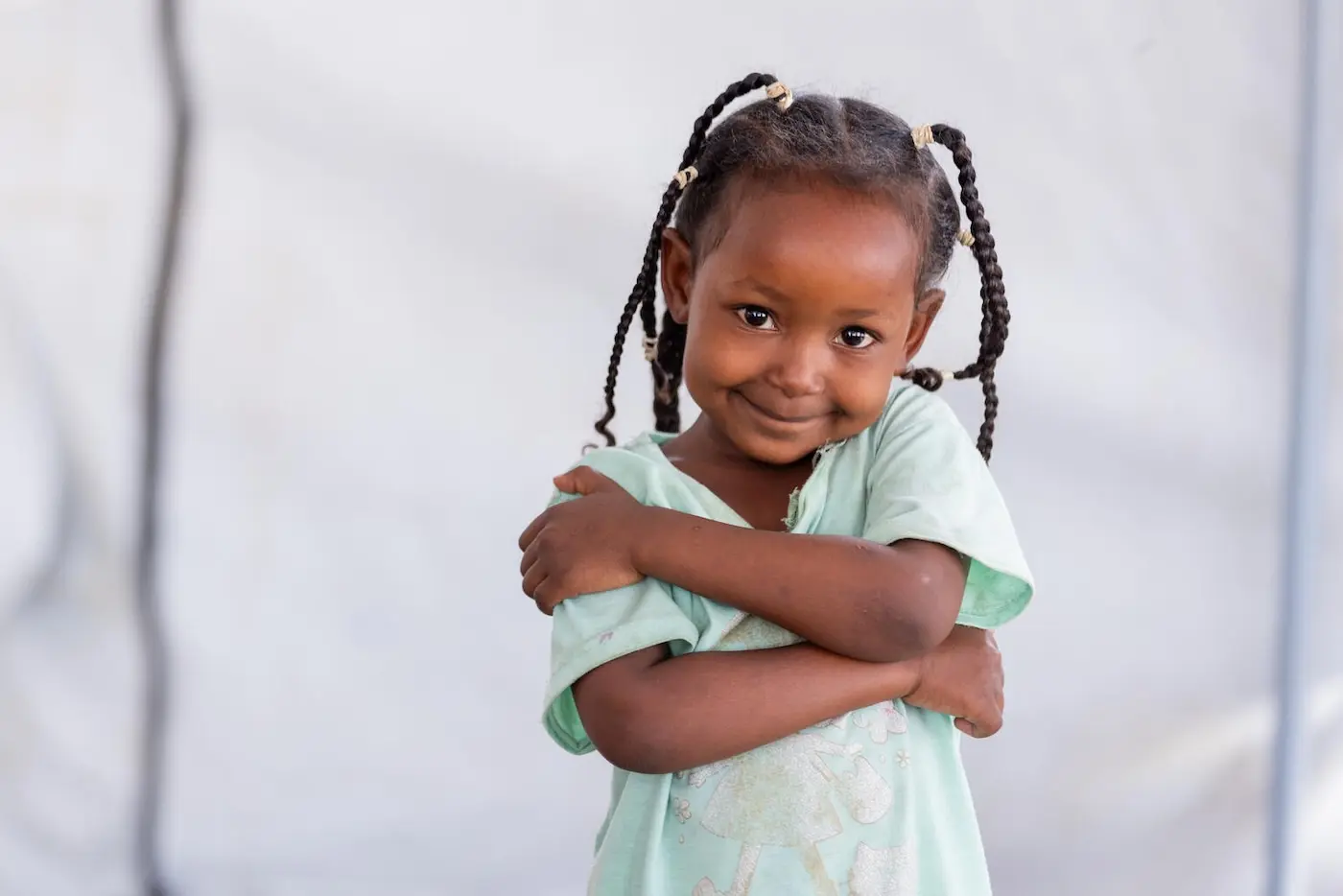
Hundreds of millions of children and adolescents worldwide suffer from mental health disorders, not including the many that go undiagnosed. Children in low-income areas and marginalized communities are at higher risk while at the same time less likely to have access to essential mental health care.
Key drivers
Today’s children face unprecedented challenges that can negatively impact their mental health: Kids living in war zones are particularly vulnerable. Some key drivers of this include:
- global instability and displacement
- increased exposure to violence in war zones
- ecological and environmental anxiety due to climate change
- economic instability, poverty and housing insecurity
- social media pressures
Consequences
Struggles with mental health can cause long-term challenges for children and their communities. Mental health problems often lead to reduced academic performance, missing classes and even dropping out of school entirely.
Children and adolescents can also suffer from physical symptoms like headaches, stomachaches and sleep challenges. Untreated mental health issues increase the risk of anxiety and depression in children. Suicide remains one of the leading causes of death among young people globally.
How awareness leads to real-world support
Increased mental health awareness creates a bridge to help and support for many who are struggling.
Connecting awareness to care
Efforts to reduce stigma around mental health are critical to allow those who need help to feel comfortable asking for it. Children in particular need to understand that mental health is not something to be ashamed of, but simply part of their overall health and wellness. Awareness helps support families in finding available services to support their mental health.
Everyday ways to support mental health
There are many ways to support mental health for you and the children in your life. Prioritize getting enough sleep, maintain social connections and carve out some time to spend in nature.
Try simple mental health exercises like deep breathing and meditation, or practice gratitude or acts of kindness each day. Make mental health part of the natural conversation, allowing for support from trusted family and friends.
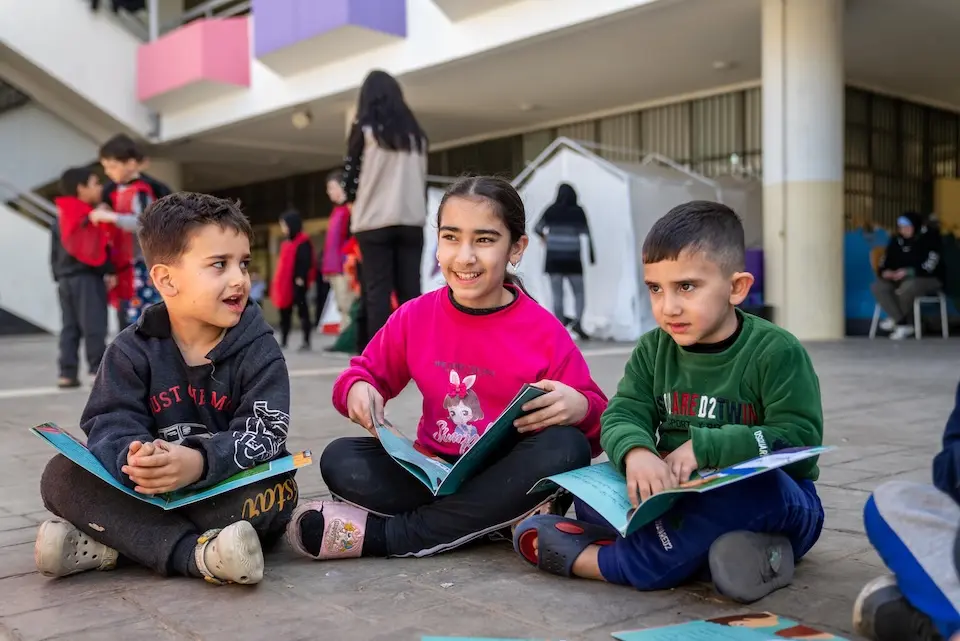
UNICEF’s role in supporting children’s mental health
For UNICEF, children’s mental health is a top priority. UNICEF integrates mental health and psychosocial support into every emergency response to protect children and families from further suffering and strengthen their resilience, during a crisis and beyond. UNICEF also works to build and support community mental health resources, equipping parents, caregivers and teachers with the skills and tools they need.
Delivering support
For children living in unsafe or uncertain situations, fear, sadness, anger, and a sense of hopelessness can easily take root. This takes its toll on a child's mental health, and the effects can last a lifetime.
To mitigate the negative effects of crises on children’s mental health, UNICEF delivers essential support that is often integrated into other key aspects of an emergency response. Interventions include:
- setting up child-friendly spaces — safe places where children and adolescents can participate in structured or creative activities that allow them to feel like kids again
- creating temporary classrooms so kids can continue their education and get back to a routine
- delivering immediate emotional and mental health support for children and families experiencing acute distress following an emergency
- providing parents, caregivers, teachers and other service providers with essential mental health training and resources through counseling, peer support groups and more
- reaching children and families in hard-to-reach or unsafe areas through digital and remote technology
Outside of emergency settings, UNICEF also works to integrate mental health and psychosocial support for children and adolescents into other program work across sectors, including education, protection and health.
Learn more about UNICEF's mission to ensure children are healthy, educated, protected and respected
Advancing awareness and advocacy
UNICEF works to encourage open dialogue and honest conversations about emotions and stressors in an effort to destigmatize mental health.
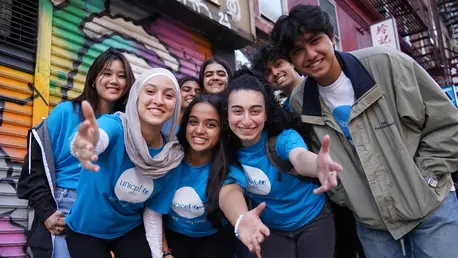
One example of this work is UNICEF’s youth-led initiatives, like NextGen, a global community leveraging innovative ideas and creative fundraising to find solutions for the world’s most pressing problems, including children's mental health.
UNICEF also advocates that governments and policymakers prioritize mental health and increase investments. On average, governments allocate only about 2 percent of health budgets to mental health — often far less in low-income settings.
Where support is most urgently needed
While mental health is a priority for all children across the globe, some situations call for more urgent support.
High-risk environments
Mental health support is most urgently needed for children and families in high-risk areas. War zones and places with violent conflict create an unsafe, unstable environment for children. Kids living in areas prone to climate or natural disasters like earthquakes, floods or droughts often deal with uncertainty. These and other conditions can lead to children being displaced, with or without their families, initiating feelings of unease and a lack of hope for the future. For these children, access to mental health care is imperative.
Why early support matters
Getting mental health support early is vital for reducing the severity of symptoms and lowering the risk of issues escalating or becoming chronic. Without early intervention, mental health challenges can lead to self-harm, severe depression or substance abuse. Getting the right help for children early on can minimize disruption to their daily lives and allow for building resilience, maintaining focus in school and improving their quality of life long-term.
Turning mental health awareness into action
This Mental Health Awareness Month is a great time to start taking action to support children’s mental health.
Ways to take action
- raise awareness in your community by talking about mental health
- advocate for better mental health care systems in your area and around the world
- support programs focused on mental health for kids
- be a source of support for children you know and connect with
- consider joining UNICEF programs such as NextGen
Help protect children’s mental health worldwide
Mental Health Awareness Month helps shine a light on the importance of mental health for children everywhere. The gap between children’s mental health care needs and available support and resources is an urgent, global issue. UNICEF works to ensure all children have access to quality mental health care.
Frequently asked questions
When is Mental Health Awareness Month?
May is increasingly recognized around the world as Mental Health Awareness Month — an opportunity to raise awareness, reduce stigma and encourage open conversations about mental health, while also promoting increased access to quality mental health care and support.
Why is mental health important for children?
An ever increasing number of the world's children face conflict, climate change impacts and other crises — experiences that negatively affect their mental health. Untreated mental health issues can cause physical health problems, interrupt learning at school and fuel anxiety and depression. Early support is critical.
What does UNICEF do for children’s mental health?
UNICEF works to provide psychosocial support and counseling during emergencies and to build community support systems so that children can get help as needed, throughout childhood and into adulthood.
How can I support mental health awareness globally?
Supporters can donate to organizations supporting children’s mental health, including UNICEF; advocate for policies and systems that expand access to quality mental health care; share accurate information to raise awareness and reduce stigma; and to participate in initiatives and conversations during Mental Health Awareness Month 2026 to amplify impact.
HOW TO HELP
There are many ways to make a difference
War, famine, poverty, natural disasters — threats to the world's children keep coming. But UNICEF won't stop working to keep children healthy and safe.
UNICEF works in over 190 countries and territories — more places than any other children's organization. UNICEF has the world's largest humanitarian warehouse and, when disaster strikes, can get supplies almost anywhere within 72 hours. Constantly innovating, always advocating for a better world for children, UNICEF works to ensure that every child can grow up healthy, educated, protected and respected.
Would you like to help give all children the opportunity to reach their full potential? There are many ways to get involved.