International Day of Education
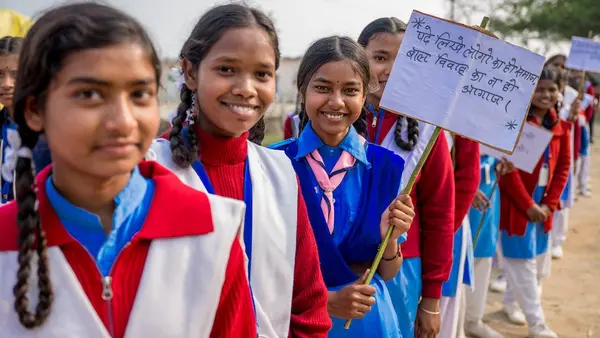
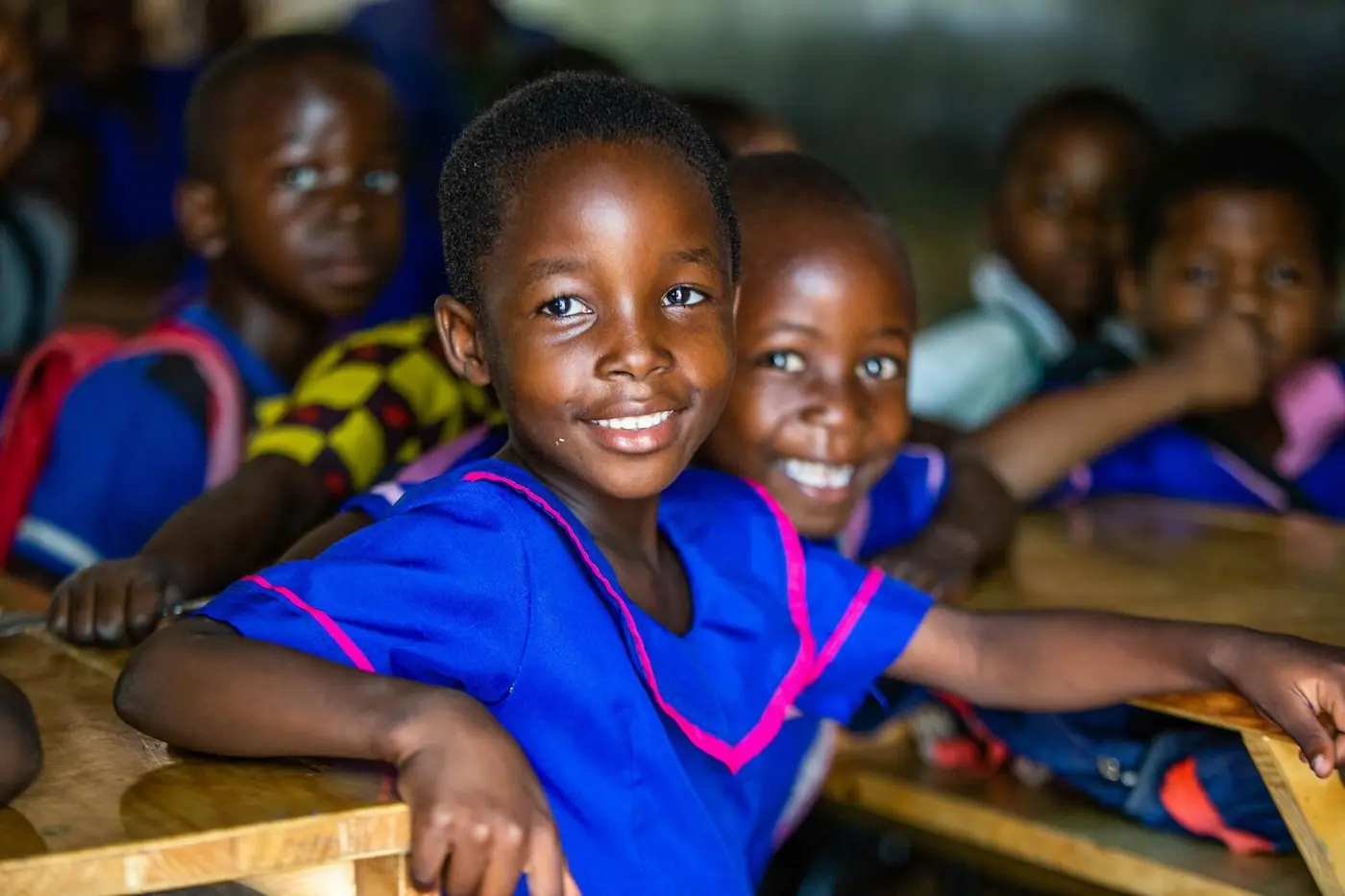
The International Day of Education, observed annually on Jan. 24, is a day designated by the United Nations to highlight education as a fundamental human right, a public good and a vital tool for sustainable development and peace.
This designated day aims to promote inclusive, equitable and quality education. As a key partner in the fight for education for all, UNICEF works around the world to advocate for marginalized children, strengthen education systems and implement programs for skills development and safe, technology-driven learning.
International Day of Education observed every year on January 24th
In December 2018, the United Nations General Assembly passed a resolution establishing Jan. 24 as The International Day of Education. The intention was to create an opportunity to focus global attention on the transformative power of education.
The International Day of Education, sometimes informally referred to as World Education Day, emphasizes that equitable education for all is a basic, inalienable human right, a public responsibility and essential for building peace and advancing sustainable development.
The day is a reminder for the world that without inclusive, equitable and quality education for all children, countries will struggle to break the cycles of poverty and inequality.
Not to be confused with National Education Day (which is nation-specific and varies by country), the International Day of Education reinforces the importance of global collaboration in the fight for equitable, quality education for all children.
Learn more about why UNICEF advocates for investment in education for all children
Why is education important for children?
Education is a fundamental human right crucial for a child's development, providing foundational skills needed for a healthy, productive life. Education fosters economic prosperity; acts as a protective shield against abuse and exploitation; equips children with the knowledge and skills they need to thrive and reach their full potential, and build a better future, for themselves and for their communities.
In many places, schools are the only way children receive essential services like immunizations and nutritious meals. In times of crisis, places of learning offer a safe, nurturing environment where children can just be kids — restoring hope, providing coping mechanisms and protecting children from harm.
Equitable education is vital for empowering girls and ensuring all marginalized groups, including children with disabilities and refugees, have equal opportunities. Girls who complete a secondary school education earn more, marry later and raise children who are healthier and better nourished. Educated girls are better protected from discrimination, exploitation and abuse, and help drive economic growth, creating more opportunities for all.
How UNICEF supports education
UNICEF works year-round to support every child’s right to an education — improving access to quality and safe learning environments around the world through innovation and a wide range of partnerships. The International Day of Education works to highlight ongoing education needs, not one-day action.
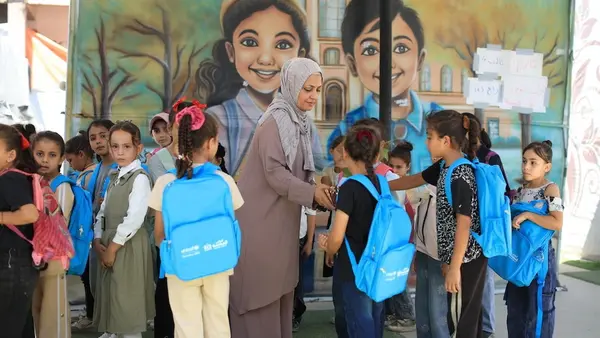
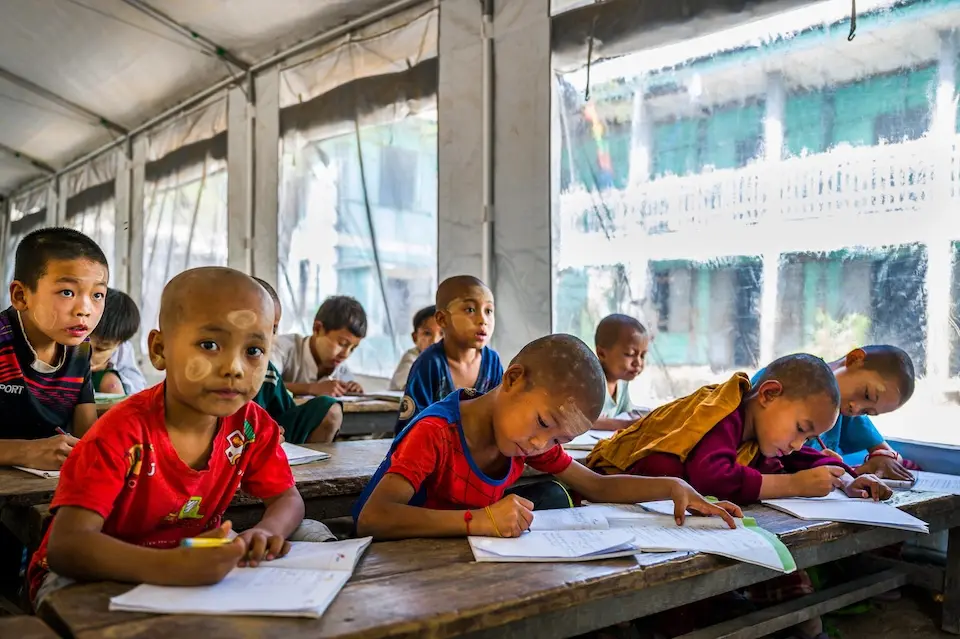
Whether it's setting up temporary classrooms for child refugees, distributing books and other learning materials, training teachers or rebuilding an entire educational system, UNICEF works with local, national and global partners to improve children's access to quality education.
Education — like almost every important aspect of life — is highly vulnerable to the impacts of climate change. Extreme weather, disease outbreaks, water scarcity, food insecurity — all threats that are either directly caused by or aggravated by climate change — damage educational facilities, shutter schools and disrupt educational services. UNICEF works to mitigate these impacts and safeguard every child's basic right to an education — especially children in climate-affected and crisis settings.
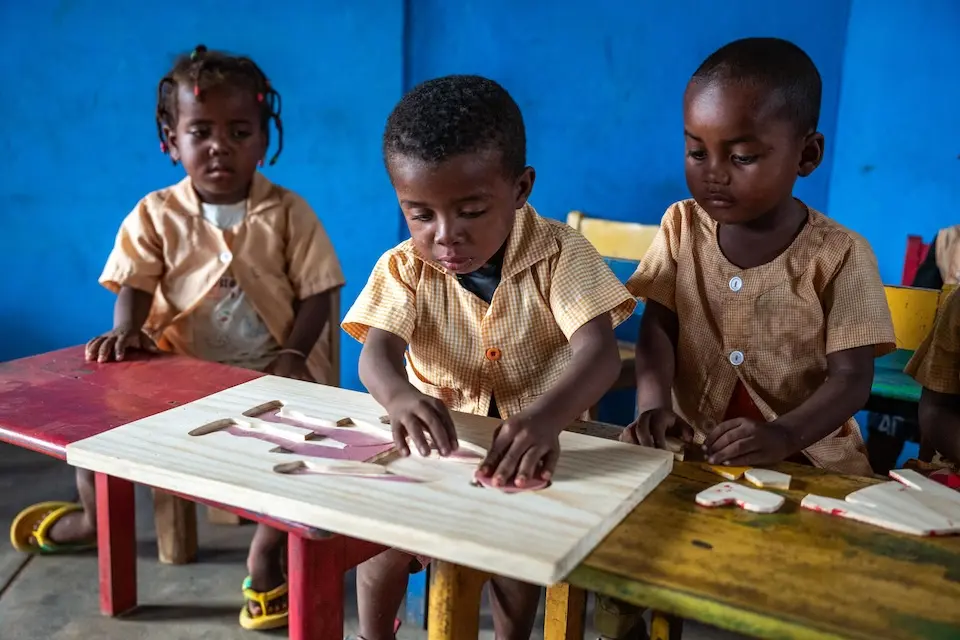
Around the world, UNICEF also works to establish foundational education for young children to grow, learn and thrive, by supporting early learning programs and counseling parents and caregivers.
Through the Learning Passport, an innovative digital platform that’s highly flexible and adaptable, UNICEF can help meet the specific needs of learners and educators in different countries and contexts.
The UNICEF Let Us Learn program, which launched in 2011 in Afghanistan, Bangladesh, Liberia, Madagascar and Nepal, seeks to level the playing field — providing out-of-school children with alternative ways to learn while also helping to strengthen formal education systems for fully enrolled students, paying particular attention to girls and children with disabilities.
Through initiatives such as UPSHIFT and Skills4Girls, UNICEF provides skills-building and vocational training opportunities that open doors to employment and give young people hope for the future.
Take action on the International Day of Education
Supporting UNICEF is one way to help improve children's access to quality education, on International Day of Education or any day of the year. Donor support helps UNICEF maintain life-changing programs that reach millions of children around the world.
Donate to support children globally
Frequently asked questions about International Day of Education
What is the meaning of International Day of Education?
The International Day of Education is a day designated by the United Nations to highlight education as a fundamental human right, a public good and a vital tool for sustainable development and peace.
When is World Education Day this year?
World Education Day, an informal name for the International Day of Education, is on Jan. 24.
What was the theme for International Day of Education 2026?
The theme for the 2026 International Day of Education was "The power of youth in co-creating education," emphasizing young people's role as active partners in designing and transforming learning systems to address future challenges and needs.
HOW TO HELP
There are many ways to make a difference
War, famine, poverty, natural disasters — threats to the world's children keep coming. But UNICEF won't stop working to keep children healthy and safe.
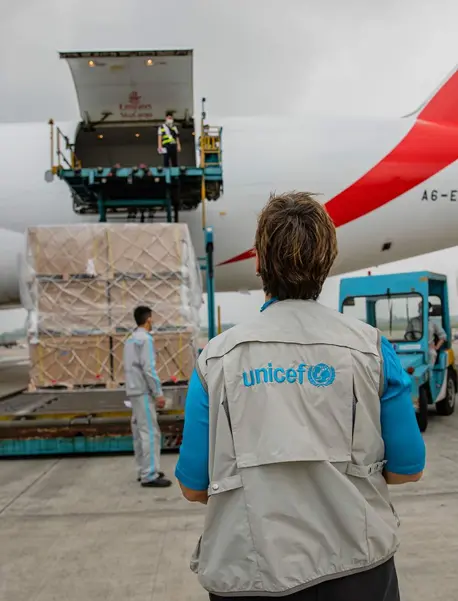
UNICEF works in over 190 countries and territories — more places than any other children's organization. UNICEF has the world's largest humanitarian warehouse and, when disaster strikes, can get supplies almost anywhere within 72 hours. Constantly innovating, always advocating for a better world for children, UNICEF works to ensure that every child can grow up healthy, educated, protected and respected.
Would you like to help give all children the opportunity to reach their full potential? There are many ways to get involved.