Children's Lives at Risk as Heavy Winter Rains Flood Gaza Shelters
In the Gaza Strip, heavy rainfall and worsening winter conditions are deepening the suffering of displaced families, many of whom are living in fragile tents that offer little protection from the elements. UNICEF is working with partners to provide urgently needed emergency support for children caught in a protracted humanitarian crisis.
Children in Gaza face horrific winter storm conditions
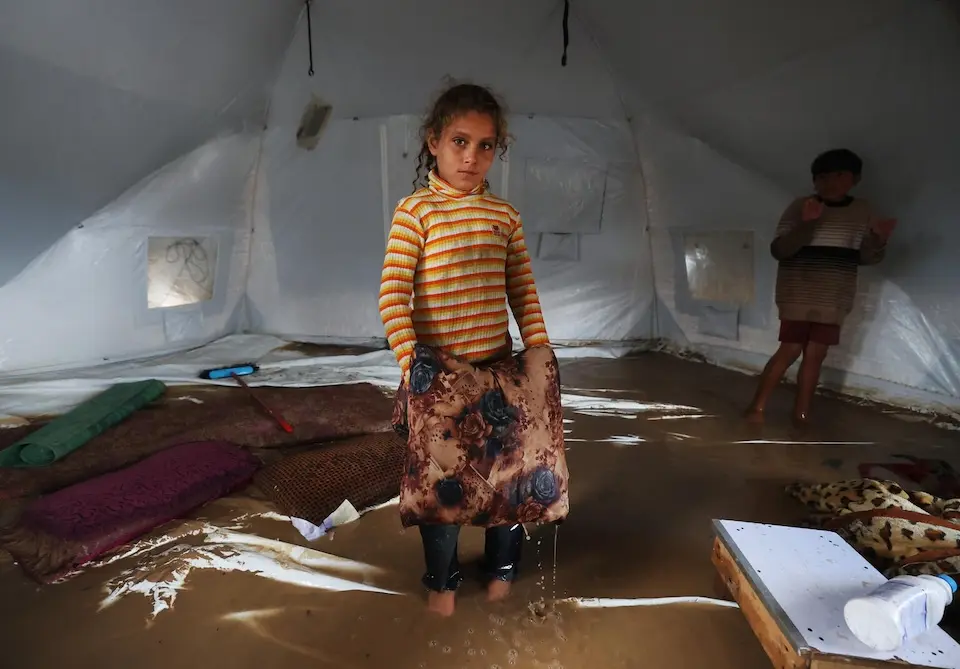
Torrential rains have damaged and destroyed shelters, latrines and belongings in the Gaza Strip, displacing tens of thousands of Palestinians who were already living in dire circumstances.
During the first weekend in November, three children aged 4, 5 and 8 were killed along with their mother when a sand dune collapsed onto their tent in Deir al-Balah, central Gaza, after heavy rainfall.
These children and their mother were killed because they had nowhere safe to sleep. That is the reality in Gaza today. — UNICEF Executive Director Catherine Russell
“These children and their mother were killed because they had nowhere safe to sleep. That is the reality in Gaza today,” said UNICEF Executive Director Catherine Russell. “Families are living without the most basic conditions for their safety, health and dignity. More children could die without proper shelter, working water and sanitation systems, and the equipment needed to restore essential services. The worst of winter is yet to come.”
The heavy rains have directly affected more than 106,000 people. An estimated 950,000 displaced people live in flood-exposed areas, including 400,000, almost half of whom are children, in locations at extremely high risk.
Learn more: Children in Gaza Are Still Waiting for an End to the Violence
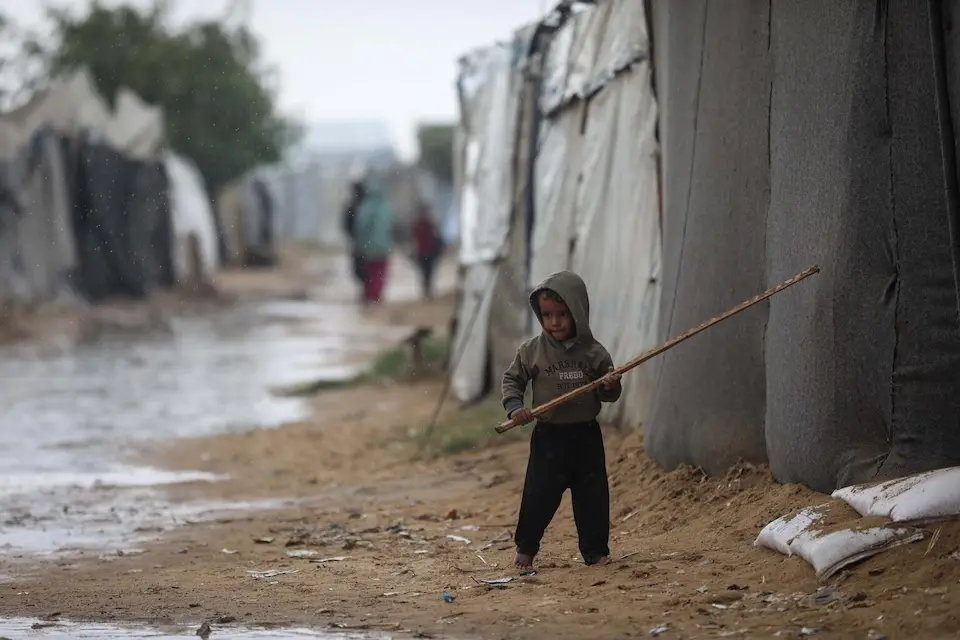
UNICEF is clearing sewage and stormwater and distributing tarps, blankets and warm winter clothing
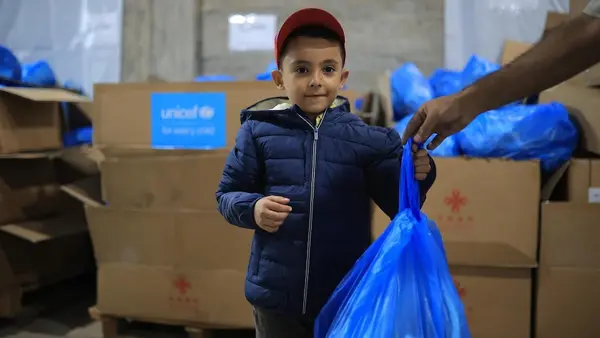
In the past week alone, UNICEF reached at least 10,000 children with winter clothing and thermal blankets, distributed tarpaulins to families whose tents have flooded, and cleared sewage and stormwater at more than 50 locations.
The emergency response is vital coupled with a long-term solution. Tents and tarpaulins offer little protection against severe storms, and damaged water and sanitation systems continue to put children’s health and lives at risk.
Learn more about UNICEF winter support for children in Gaza
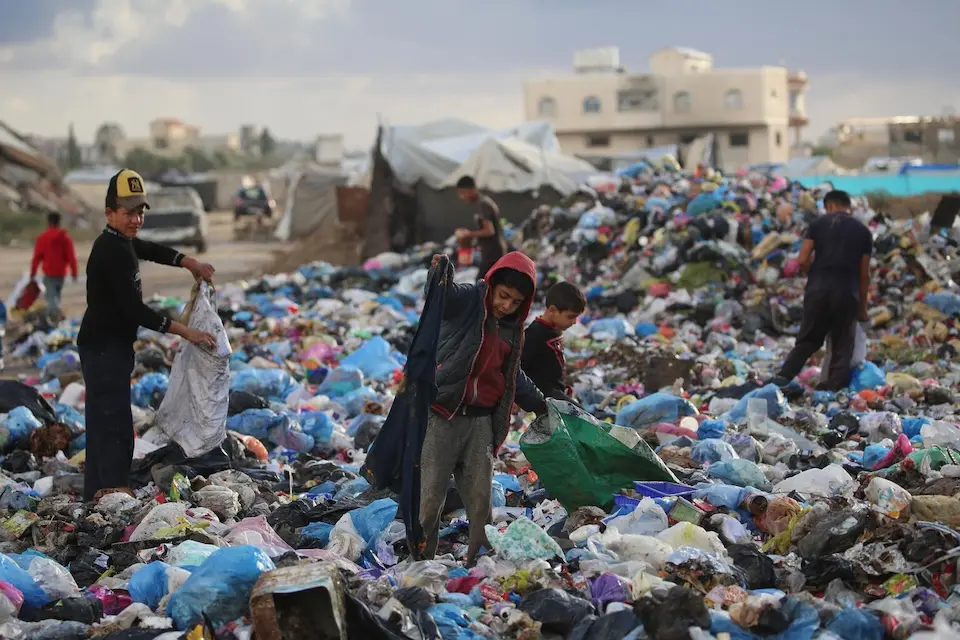
A mess of mud, water and debris: children need protection now
Fuel and equipment shortages are hampering rescue efforts. UNICEF urgently calls on the Israeli authorities to allow the immediate entry of pumps, generators, spare parts and other materials needed to repair water and sanitation infrastructure, including the Sheikh Radwan stormwater basin and the Sheikh Ejleen Wastewater Treatment Plant. At Sheikh Radwan pond in Gaza City, rainwater mixed with sewage risks overflowing, with only two of six pumps still working.
In addition to calling for the immediate entry of essential equipment to restore water and sanitation systems, UNICEF requires urgent funding for its $97.5 million winter response.
Your contribution to UNICEF is more important than ever.Please Donate
The story doesn't end here. Help change what happens next.
HOW TO HELP
There are many ways to make a difference
War, famine, poverty, natural disasters — threats to the world's children keep coming. But UNICEF won't stop working to keep children healthy and safe.
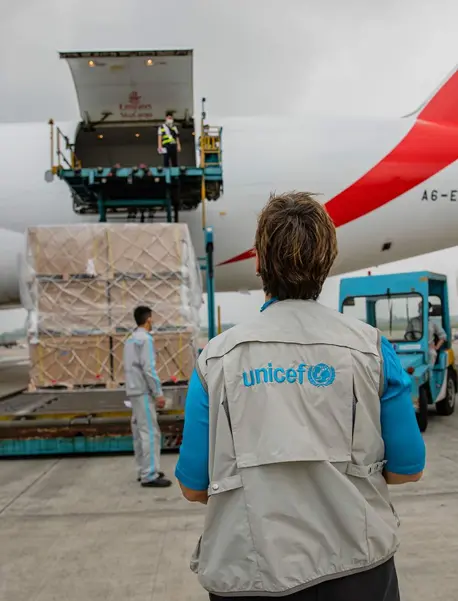
UNICEF works in over 190 countries and territories — more places than any other children's organization. UNICEF has the world's largest humanitarian warehouse and, when disaster strikes, can get supplies almost anywhere within 72 hours. Constantly innovating, always advocating for a better world for children, UNICEF works to ensure that every child can grow up healthy, educated, protected and respected.
Would you like to help give all children the opportunity to reach their full potential? There are many ways to get involved.