Catch-Up Classes Bring Hope to Ukraine's Teens
The war in Ukraine has disrupted the education of millions of students. Learning recovery centers offer education support and community as part of Ukraine’s national School Online strategy, aiming to return over 350,000 children to in-person or blended learning.
Learning recovery centers offer face-to-face instruction and social interaction
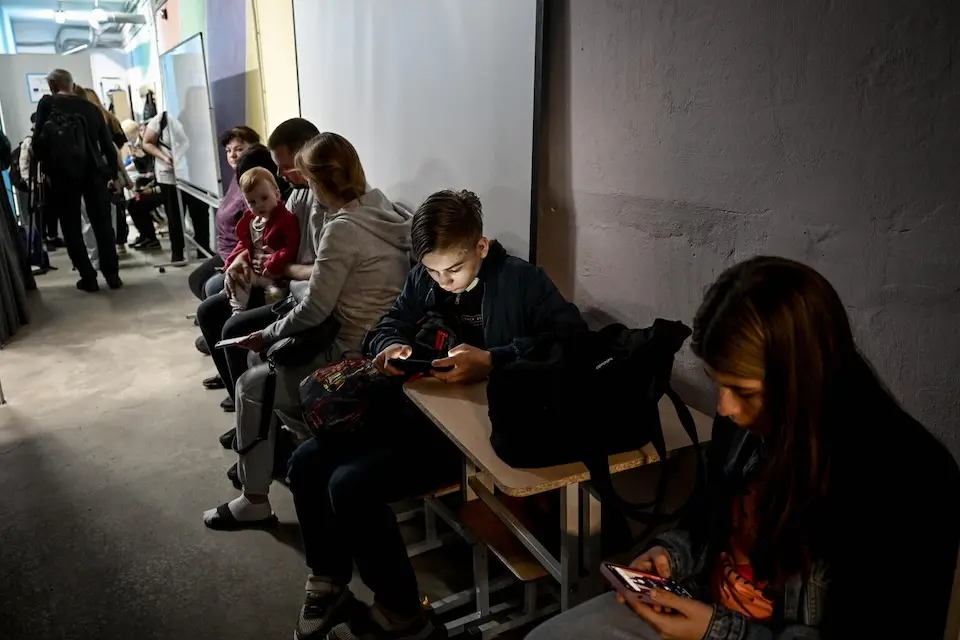
Schools are more than a place to learn; they also provide a sense of safety, normalcy and hope for the future. More than 1,600 schools have been damaged or destroyed since the war in Ukraine escalated in February 2022. Bomb shelters and air-raid alerts have become a part of daily life for students across the country.
By February 2025, nearly 40 percent of children across Ukraine were studying only online or through a mixture of in-person and remote classes. Assessments record an average learning loss of two years in some subjects.
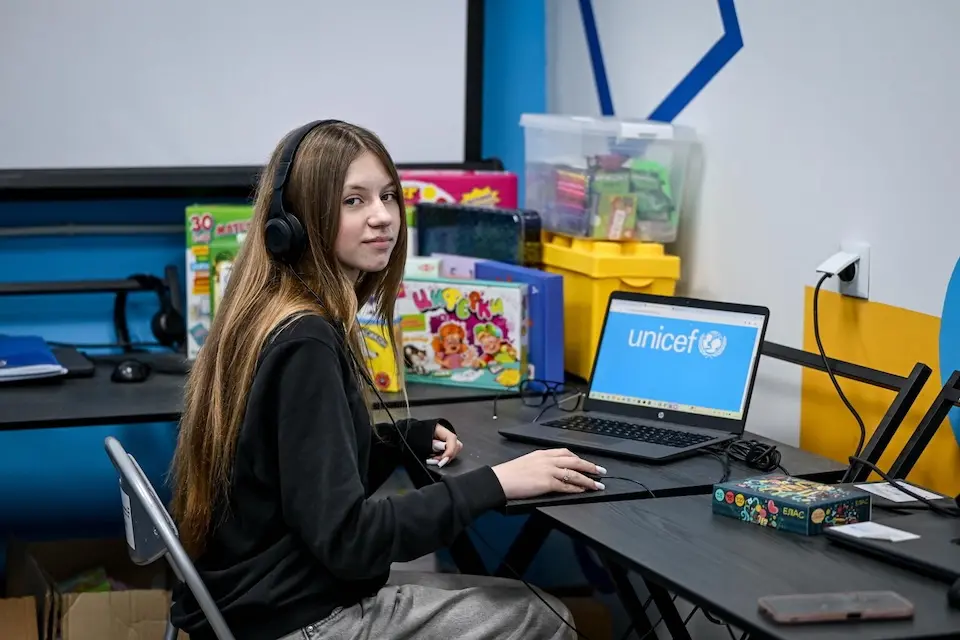
Thirteen-year-old Elana has been living in Zaporizhzhia, Ukraine for nearly two years, after violence forced her family out of their home in Prymorsk in 2022. At first, adjusting to life in a new city wasn't easy — remote learning and the social isolation took a toll on her confidence. Now, with the help of in-person catch-up classes supported by the European Union, UNICEF and the savED Foundation, she is starting to feel like herself again.
“It was hard for me to study online,” says Elana, who attends math and Ukrainian classes twice a week. “I struggled to absorb the material because there weren’t enough explanations or face-to-face interaction. But here, the teachers help, explain things and offer support.”
Elana says her knowledge and performance in many subjects have improved significantly. "Now, my grades have noticeably improved, especially in math and Ukrainian. And I’ve made new friends too.”
In-person support boosts confidence
Hanna Lehutska, Elana’s teacher, has seen the young girl’s confidence grow, thanks to the guidance and support on offer at the learning recovery center.
“Now she works confidently with algebra and geometry, isn’t afraid of difficult tasks and actively joins in school life,” Lehutska says. “Her steady motivation and approach have helped her a lot.”
UNICEF in Ukraine: an overview
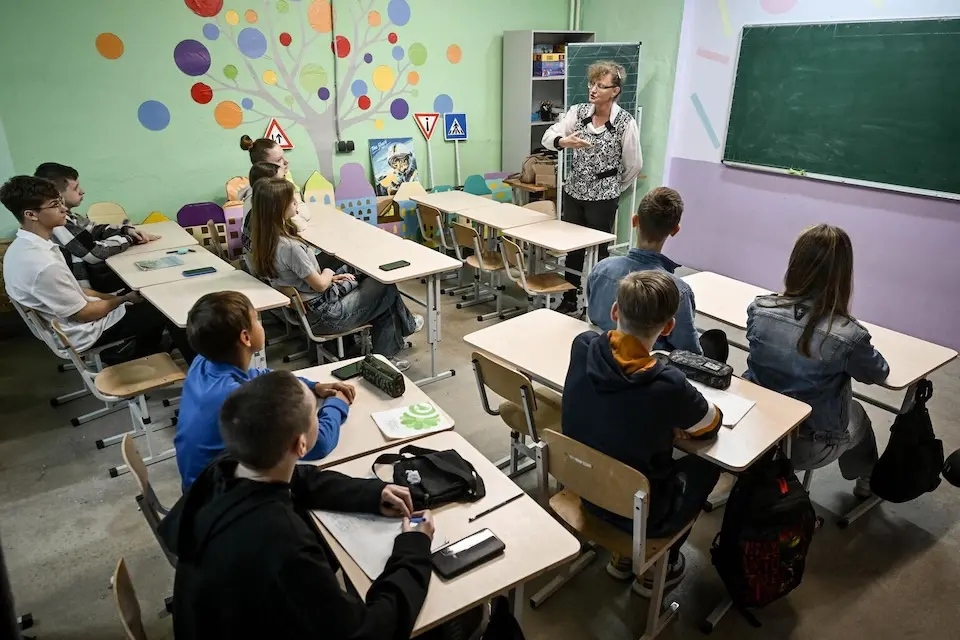
Free supplementary classes help students fill learning gaps
What makes the learning recovery center special, Lehutska adds, is that it focuses not on grades, but on giving children the freedom to try, make mistakes and grow without fear.
“Our center has been operating since March 2025,” she explains. “We offer free supplementary classes for pupils in Years 5 to 7. One of the greatest needs among our learners is live communication, both with peers and with teachers.”
Many children are afraid to make mistakes because they’ve grown used to being graded harshly or judged for them, Lehutska says. "That’s why it’s so important that we don’t measure progress here through grades. This gives children the freedom to try, without fear and gradually fill in their learning gaps.”
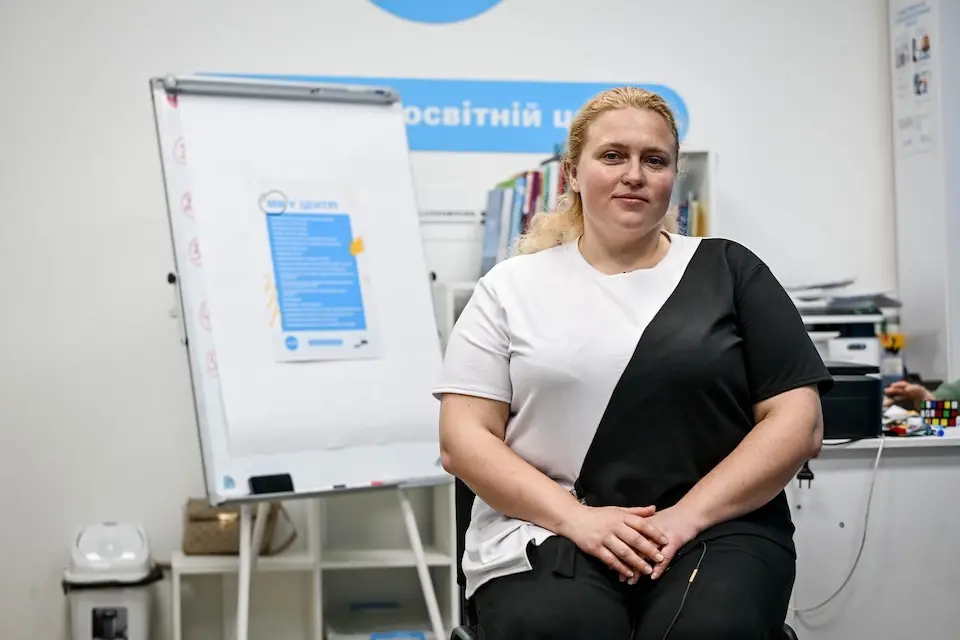
After years of war, displacement and isolation, new hope for a better future
Elana is not just catching up on what she missed in Year 7, she is also learning how to manage her emotions, communicate and believe in herself again. She hopes to go to university and become a dentist one day.
I dream of going home, even just for a day — to see my town, my school, my house. — Elana, 13
“I feel that I’ve become more confident," Elana says. "I enjoy learning, and I’ve made many new friends here. I dream of going home, even just for a day – to see my town, my school, my house.”
Related: A Place Where Young Children Can Thrive in Wartime Ukraine
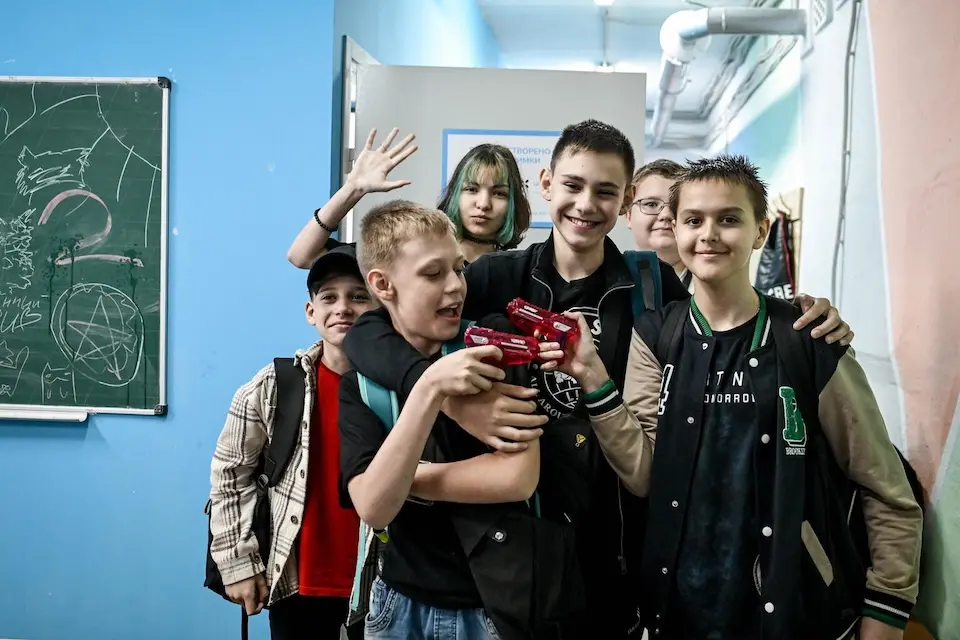
Across the Zaporizhzhia and Dnipropetrovsk regions, more than 24,000 children like Elana are taking part in the learning recovery program. With support from the European Union, UNICEF and the savED Foundation, 207 catch-up centers and 48 digital learning spaces have been established.
Over 1,000 teachers have received special training to support children’s learning and well-being. The initiative is part of Ukraine’s national School Online strategy, aiming to return over 350,000 children to in-person or blended learning.
Donate today to support UNICEF's mission to help every child reach their full potential.
This story was adapted from unicef.org
HOW TO HELP
There are many ways to make a difference
War, famine, poverty, natural disasters — threats to the world's children keep coming. But UNICEF won't stop working to keep children healthy and safe.
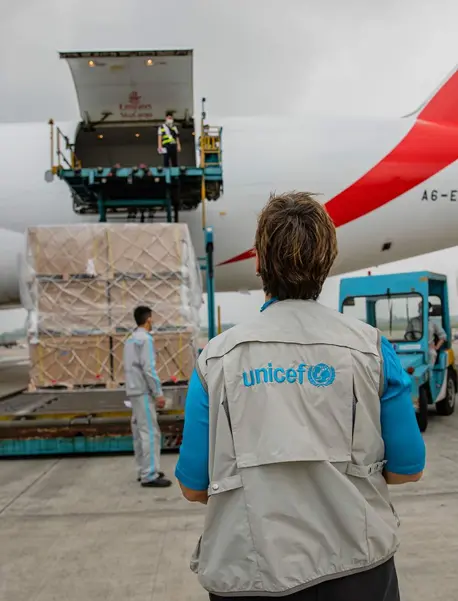
UNICEF works in over 190 countries and territories — more places than any other children's organization. UNICEF has the world's largest humanitarian warehouse and, when disaster strikes, can get supplies almost anywhere within 72 hours. Constantly innovating, always advocating for a better world for children, UNICEF works to ensure that every child can grow up healthy, educated, protected and respected.
Would you like to help give all children the opportunity to reach their full potential? There are many ways to get involved.